New Study Explains Why Your Body Makes It So Hard to Maintain Weight Loss—And What to Do About It
Fat cells ‘remember’ obesity, making weight loss harder to sustain—here’s what you can do about it

Have you ever struggled to keep the weight off after shedding those extra pounds? It turns out, the challenge may not just be about willpower or lifestyle—it might come down to how you’re wired. According to a new study published this week in Nature, fat cells retain an “epigenetic memory” of past obesity, which could make maintaining weight loss harder than expected after you’ve lost a lot of weight. So, what does this mean for your health, and are there ways to overcome it? Here’s what you need to know.
What the study found about fat cells and weight regain
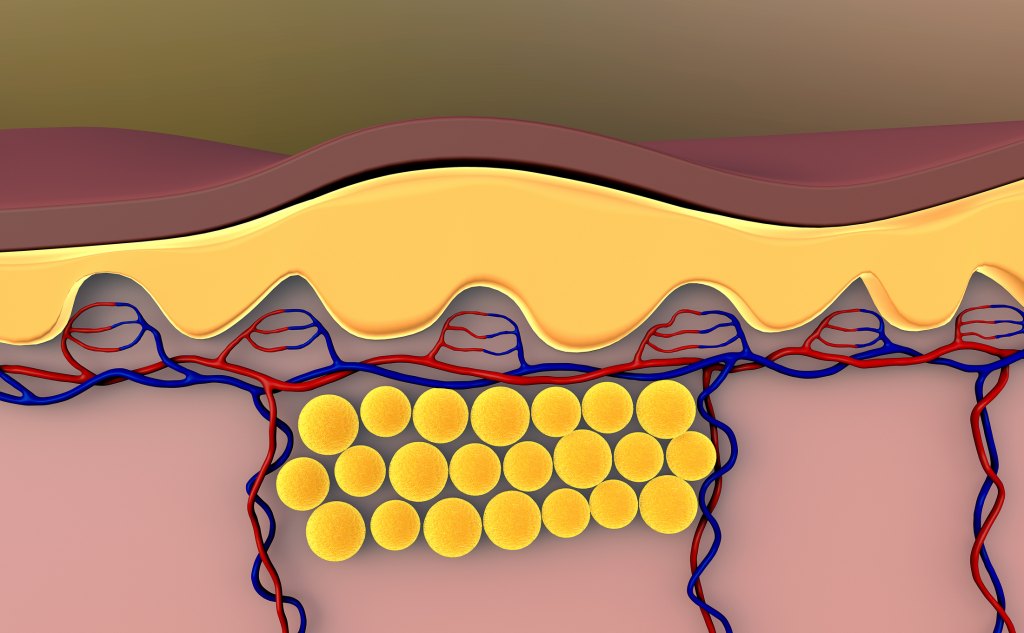
The new research reveals that obesity causes fat cells to undergo lasting changes in gene expression. These changes—referred to as “epigenetic memory”—persist even after weight loss. Scientists analyzed fat tissue from a group of “severely” obese individuals and a control group of individuals who have never had obesity. They observed that fat cells in previously obese individuals stored fat more efficiently and showed altered metabolic activity compared to the control group. In other words, the genes in the control group were less active. This suggests that the body might “remember” its heavier state, making it easier to regain weight.
Woman's World Answers

According to study co-author Laura Hinte, a biologist at ETH Zurich in Switzerland, these people often need a long-term routine to maintain their desired weight. But importantly, needing a bit more help doesn’t mean it’s your fault.

The role of epigenetics in fat cells and weight management
Epigenetics refers to changes in how genes are expressed without altering the DNA sequence itself. In the case of obesity, certain genes in fat cells become switched on or off, affecting how these cells function. For example, genes that promote fat storage might remain active, even after weight loss, while genes that enhance fat burning may stay suppressed. These changes can be long-lasting, influencing your metabolism and the way your body responds to food and physical activity.
The discovery of fat cells’ memory offers new possibilities for targeted obesity treatments. Researchers hope to develop therapies that can “reset” the epigenetic programming of fat cells, reducing their tendency to store fat. These interventions could make it easier for individuals to maintain weight loss and avoid the health risks associated with obesity, such as diabetes and heart disease.
Why weight regain happens: biological and lifestyle factors

We usually associate weight regain with a phenomenon called “yo-yo dieting.” Also known as weight cycling, it describes weight being repeatedly lost and regained, which makes it harder to maintain a healthy weight long-term. This cycle not only disrupts metabolism but can also increase body fat percentage over time, making future weight loss more challenging.
However, the study’s findings provide a biological explanation for why most people who lose weight eventually gain it back. Fat cells that remember obesity may drive the body to store fat more readily, even with a healthy diet. Additionally, other factors like hormonal shifts, reduced metabolism and psychological stress can compound the difficulty of maintaining weight loss.

How to prevent weight regain: expert tips and strategies


While the study highlights a challenging aspect of weight management, it also opens the door to potential solutions. Preventing weight regain after shedding pounds often requires a sustainable approach rather than quick fixes.
Start by incorporating small, consistent habits like eating balanced meals with a mix of protein, healthy fats and fiber to keep you full longer. Stay active with daily movement, whether it’s walking, yoga or strength training, which can help maintain metabolism and may counteract the effects of epigenetic changes. Keep a food journal to track your progress and identify triggers for overeating. Finally, prioritize sleep and manage stress, as both can affect hunger-regulating hormones and fat storage.
All in all, the journey to weight management is not just about diet and exercise—it’s about working with your body’s biology. While the idea of fat cells having a “memory” may sound daunting, it can also empower you to seek sustainable solutions.
Conversation
All comments are subject to our Community Guidelines. Woman's World does not endorse the opinions and views shared by our readers in our comment sections. Our comments section is a place where readers can engage in healthy, productive, lively, and respectful discussions. Offensive language, hate speech, personal attacks, and/or defamatory statements are not permitted. Advertising or spam is also prohibited.