Emma Heming Willis Reportedly Has Bruce Willis, 71, on a ‘Dementia Diet’ Inspired by Olympians
While foods cannot treat dementia, an expert says the right ones can support brain health over time

Key Takeaways
- An anonymous source claims Bruce Willis is following a whole-foods brain-health diet.
- A nutrition expert says healthy fats, protein and antioxidants support cognitive function.
- Nutrition may support brain health over time, but cannot reverse dementia on its own.
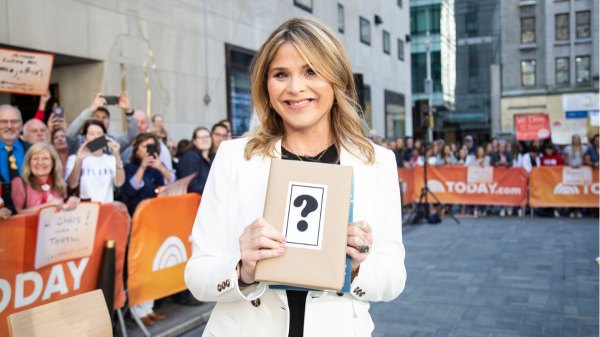
In a report made by the National Examiner on May 22, an anonymous source claimed that Emma Heming Willis, 47, revamped her husband Bruce Willis’ diet to one similar “to an Olympian’s or a pro athlete’s.” The source claims that the diet is helping Bruce, 71, with his ongoing battle with dementia. Willis hasn’t publicly commented on her husband’s diet, but in a recent appearance on the Today show, she shared details on her brain-health supplement brand Make Time Wellness, which she, along with co-founder Helen Christoni, spoke to Woman’s World about late last year.
“After I sought out a brain health doctor, he introduced me to the term brain health, which I had never heard before. For someone who’s pretty up to speed on wellness, this was just something new that I had never heard of, and he introduced me to the pillars of great brain health. Through lifestyle change and these vitamins that he had me on, I started to see a shift and the [brain] fog started to lift,” Willis told Woman’s World of her own experience.
But what, specifically, is the new diet that Bruce Willis is reportedly on? And can the foods actually help manage his frontotemporal dementia (FTD) symptoms? Keep scrolling to learn the role diet does—and doesn’t—play in brain health and memory.
What to know about Bruce Willis new diet for dementia
According to the National Examiner’s source, whose relationship with the Willis family has not been revealed, Emma has Bruce eating “ultra-healthy, non-processed whole foods, bolstered by plenty of water and high-protein meals of meat and fish.”
“With Bruce, Emma’s been incredibly careful to not expose him to any chemical or additive in his food that could possibly make his condition worse,” added the source. “There’s nothing even adjacent to fast food or junk food….What he’s eating nowadays is a million miles away from his old diet. It’s the primary reason that Bruce still looks like himself and hasn’t packed on weight after his work schedule slowed down.”
The source also claimed that the diet has helped Bruce’s quality of life, and even saying that “Bruce is living better than a lot of people in his situation thanks to Emma making sure he’s eating right.”
“Emma’s goal is for Bruce’s condition to plateau or even start to improve,” the source continued. “She’s looking at all the latest research around this stuff!”

Does Bruce Willis’ dementia diet actually work?
When it comes to dieting and brain health, “food matters tremendously,” says New York Times bestselling author Ann Louise Gittleman, PhD, CNS, who has not treated Willis. “The brain is one of the most nutrient-hungry organs in the body, and it depends on steady blood sugar, healthy fats, quality protein, antioxidants, minerals and anti-inflammatory nutrients to function well.”
That said, there are some caveats. Specifically the fact that, according to Gittleman, it’s hard to actually prove that a diet can reverse dementia.
“The brain is far too complex for simplistic promises. But what I can say —both from decades of clinical observation and from emerging research—is that nutrition profoundly affects the terrain in which the brain operates,” she says. “The foods we eat every single day influence inflammation, blood sugar balance, circulation, mitochondrial energy production, neurotransmitter activity and even the health of the gut-brain connection. And all of those factors matter tremendously when it comes to cognitive function.”
Best foods for brain health
When it comes to selecting foods for brain health, Gittleman recommends eating the following:
- Fatty fish
- Leafy greens
- Deeply colored vegetables
- Berries
- Quality cold-pressed oils such as macadamia nut
“Protein is especially important as we age. The brain needs amino acids to make neurotransmitters, and the body needs protein to maintain muscle, blood sugar stability, immune function and repair,” she notes. “I especially like wild salmon, sardines, pasture-raised poultry, eggs and lean grass-fed meats in moderation. Fish is particularly valuable because it provides omega-3 fats, which help support the structure of brain cell membranes.”
Best nutrients for brain health
Aside from foods for brain health, there are nutrients that help support a healthy memory, including:
- Omega-three fats
- Magnesium
- Zinc
- Choline
- Phosphatidylserine
- B vitamins
- Antioxidants
“I’m also very interested in targeted nutritional support for the aging brain. One formula I often recommend is UNI KEY Health’s Ultra H-3 Plus, which contains phosphatidylserine, benfotiamine, DMAE, ginkgo biloba, green tea extract, Huperzine A and other compounds that support memory, circulation, neurotransmitter activity and healthy cognitive aging,” says Gittleman of her own brand. “Several of these nutrients have been studied for their role in protecting brain cells and supporting mental clarity as we age.”

Foods to avoid for brain health

On the opposite end of the spectrum, there are also foods that can hamper brain health, many of which align with what Emma reportedly has Bruce avoiding on his “dementia diet.”
“Ultra-processed foods are one of the biggest problems,” says Gittleman. “They tend to be high in refined carbs, damaged fats, additives and sugar and low in the nutrients the brain actually needs. Over time, this can contribute to inflammation, insulin resistance, oxidative stress and metabolic changes that may negatively affect memory and cognition.”
The bottom line on Bruce Willis’ dementia diet
Willis has yet to comment on the Die Hard actor’s reported dietary changes to help ease his dementia symptoms. But Gittleman notes that following a whole-foods diet rich in healthy fats and lean proteins and low in ultra-processed foods supports brain health and is a smart strategy to help protect your memory over time.
Conversation
All comments are subject to our Community Guidelines. Woman's World does not endorse the opinions and views shared by our readers in our comment sections. Our comments section is a place where readers can engage in healthy, productive, lively, and respectful discussions. Offensive language, hate speech, personal attacks, and/or defamatory statements are not permitted. Advertising or spam is also prohibited.