Can Hearing Loss Be Reversed? What Really Works—Plus the Best Costco Hearing Aids To Save Big
See the tasty foods and simple lifestyle tips that help protect your hearing for years to come

Key Takeaways
- Some types of hearing loss can be reversed, but treatment depends on the cause.
- Costco hearing aids offer premium features while costing thousands less than prescription ones.
- Healthy habits, nutritious foods and early treatment help protect hearing for years to come.
If you find yourself cranking up the TV, asking friends to repeat themselves or dreading noisy restaurants, you’re in good company. About one in three people between ages 65 and 75 have some type of hearing loss, according to the NIH. Which brings us to the question so many women are wondering: Can hearing loss be reversed? The honest answer depends entirely on what’s causing it. But take heart—even if your specific form of hearing loss can’t be reversed, there are effective hearing aids at Costco that can help you hear better, and we’ve rounded up the best budget-friendly options.
Subtle hearing loss symptoms you might miss
Hearing loss rarely arrives with fanfare. Many of us compensate for years without realizing it, says Kara Houston, AuD, an audiologist with Rush University Medical Center. Common signs of hearing loss include:
- Frequently asking others to repeat themselves
- Turning the TV up louder than you used to
- Struggling to hear across a room
- Avoiding noisy places because conversation feels exhausting
When hearing loss affects just one ear, the signs get even sneakier. According to Patricia Gaffney, AuD, MPH, a professor at Nova Southeastern University, warning signs include aural fullness (that clogged-ear feeling), tinnitus (ringing) and dizziness.

What causes hearing loss?
Causes range from those that are easily treatable to more serious health conditions. Earwax buildup, middle ear infections and lingering fluid from a cold can all muffle hearing temporarily. Other culprits include otosclerosis (an abnormal bone growth more common in women in their mid-30s), acoustic neuromas (benign tumors on the hearing nerve) and sensorineural hearing loss from noise exposure, immune disorders or family history.
Note: Sudden hearing loss in one ear deserves urgent attention. “If you wake up one morning and suddenly can’t hear out of one ear, make an appointment with an ENT,” Dr. Gaffney stresses. “They can prescribe a steroid to recover as much of the hearing as possible.”
Can hearing loss be reversed?
Sometimes yes, sometimes no. Hearing loss caused by earwax, ear infections or fluid (aka conductive hearing loss) is often reversible with the right treatment. Safely removing wax, taking prescribed antibiotics or clearing congestion can reverse hearing loss surprisingly fast. These are the most treatable forms of hearing loss.
True age-related hearing loss and noise-induced damage, however, are typically permanent. Once the tiny hair cells in your inner ear are damaged, they don’t grow back. But permanent doesn’t mean hopeless. Smart lifestyle changes can slow the decline, and today’s hearing aids can transform your daily life.
Home remedies to help you hear better
These won’t reverse permanent damage, but they can protect what you have and improve day-to-day hearing.
- Soften stubborn earwax safely. Skip the cotton swabs for excess earwax buildup. Heather Moday, MD, recommends placing three to five drops of baby oil or mineral oil in your ear, then flushing gently with warm water from a bulb syringe after 24 hours.
- Try the Buteyko breathing method. If a cold has clogged your eustachian tube (a tiny tube that connects your middle ear to the back of your throat), sit upright, exhale, plug your nose and hold your breath until you feel the urge to breathe. Breathe normally for 10 seconds, then repeat five times.
- Eat for your ears. Dawn Heiman, AuD, says research shows that sweet potatoes and other vitamin A-rich foods may lower hearing loss risk by 47 percent. Fatty fish like tuna lowered risk by 42 percent in one study, thanks to omega-3s that boost blood flow to the cochlea. And folate-rich foods (beans, eggs, broccoli) cut risk by more than 20 percent in adults over 60.
- Move your body. University of Florida research on mice found sedentary animals lost 60 percent of their hearing over time, while exercisers lost only 40 percent.
- Wear earplugs around loud noise, including when using a blow-dryer, which can hit 60 to 95 decibels.
Best Costco hearing aids for saving big

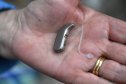
If you’re experiencing true hearing loss, schedule an appointment with an audiologist to be evaluated. You can also visit a Costco hearing aid center for a free hearing test. And if hearing aids are your next step, the warehouse club offers real savings. Prescription hearing aids typically run $2,000 to $7,000 per pair, while Costco hearing aids typically range from about $1,000 to $1,600 per pair. Free hearing tests are included for members.
Top Costco hearing aid brands include:
- Jabra Enhance Pro 20 ($1,599.99 and up) for comfort and impulse noise reduction
- Rexton Reach ($1,599.99 and up), with 34-hour battery life and multi-voice focus for group conversations
- Philips HearLink ($1,599.99 and up) with a Tinnitus SoundSupport program
- Lexie B2 Plus (around $979.99), budget-friendly, self-fitting hearing aids powered by Bose that don’t require an appointment
Can hearing loss be reversed? The bottom line
Whatever path you take, don’t put it off. Untreated hearing loss has been linked to higher dementia risk, so caring for your ears does more than just improve your quality of life—it supports healthy brain aging, too. The sooner hearing loss is diagnosed, the more treatment options you’ll have.
Conversation
All comments are subject to our Community Guidelines. Woman's World does not endorse the opinions and views shared by our readers in our comment sections. Our comments section is a place where readers can engage in healthy, productive, lively, and respectful discussions. Offensive language, hate speech, personal attacks, and/or defamatory statements are not permitted. Advertising or spam is also prohibited.