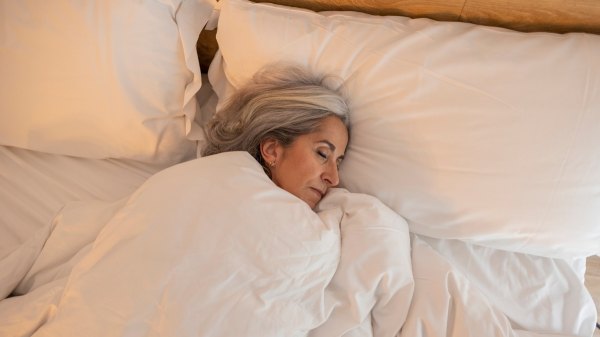
Symptoms of Menopause No One Warns You About—From Itchy Ears To Disappearing Labia Minora
Plus see the remedies experts recommend to help you feel your best

Key Takeaways
- Menopause symptoms can extend far beyond hot flashes, affecting ears, joints and oral health.
- Falling estrogen levels may trigger unexpected changes like phantom smells and shrinking labia.
- Doctors say many overlooked menopause symptoms can improve with targeted treatment.
By now, most of us can recite the classic signs of menopause in our sleep—assuming we can sleep at all. Hot flashes, night sweats, mood swings, irritability, brain fog, insomnia. All familiar territory. But this hormonal transition has a whole roster of quieter, weirder symptoms that almost nobody warns you about, and they can leave even the most prepared woman googling her own body at 3 a.m. If you’ve been blindsided by a strange new ache, itch or change “down there,” you’re not imagining things. Here are some of the surprising symptoms of menopause women say they never saw coming—plus what doctors recommend doing about each one.
7 unexpected symptoms of menopause
Between fluctuating hormone levels like estrogen and progesterone, it’s no wonder women experience so many surprising menopause systems. Here are some of ones no ever told you about:

Itchy ears that drive you up the wall
Yes, really. Ob-gyn Mary Claire Haver, MD, says itchy ears blow up the internet every time she talks about them, and the cause comes down to skin and nerves. As estrogen levels drop, the delicate skin inside the ear canal gets drier, thinner and less lubricated, while nerve endings become more reactive. The result: a maddening, deep itch you can’t reach.
The fix: Dr. Haver’s go-to hack? Spray a tiny bit of Flonase on a Q-tip and gently apply it inside the canal to calm inflammation. A dab of Vaseline, Aquaphor or even coconut oil can soothe the irritation too.
A disappearing labia minora
This menopause symptom stops women in their tracks, often after stepping out of the shower. “Yes, the labia minora absolutely can shrink during menopause,” says ob-gyn Troy Hailparn, MD. “The labia thins, loses definition and in some women appears to recede into the labia majora.” It’s part of a larger condition called genitourinary syndrome of menopause [GSM], which affects roughly 50 percent of postmenopausal women and can bring vaginal dryness, painful sex and recurrent UTIs.
The fix: The gold-standard treatment is local vaginal estrogen, available as a cream, tablet or ring. “I always tell my perimenopausal patients not to wait until intercourse hurts to start the conversation [with their doctor],” Dr. Hailparn says.
Chin hairs with a will to live
If your tweezers have become a daily companion, you’re in good company. “It’s about the balance between estrogen and androgens,” explains board-certified gynecologist Maral Malekzadeh, DO. As estrogen declines, the effects of testosterone become more noticeable, often showing up as coarse hairs on the upper lip, chin and jawline.
The fix: A few natural supplements have study-backed benefits for this bothersome menopause symptom, including spearmint tea, green tea extract, zinc, vitamin D and saw palmetto. If those fall short, talk to your doctor about prescription spironolactone, the topical cream Eflora or laser hair removal.
Phantom smells
You smell smoke. You check every outlet, but nothing’s amiss. It’s called phantosmia, and hormones may be the culprit. “Because estrogen affects the brain and the nerves involved in smell, the early hormone swings of perimenopause could make some women more sensitive to smell or more likely to notice phantom scents,” says Navya Mysore, MD, medical director of women’s health at Nurx. The odors vary from person to person and can be foul or pleasant, often showing up alongside sleep changes, migraines or stress.
The fix: Ask your doctor if menopausal hormone therapy (MHT) may be right for you. “Consider evidence-based treatments like hormone therapy, non-hormonal medications or supplements if appropriate—but always do this consultation with a licensed healthcare provider,” says Dr. Mysore.
Dry mouth and dental problems
If your dentist is suddenly finding cavities or your gums look like they’re receding, hormones may be involved. “Estrogen helps maintain saliva production and gum tissue integrity,” says Somi Javaid, MD, board-certified ob-gyn and founder of HerMD. “As estrogen declines, women experience dry mouth, increased cavities and even gum recession. These changes are frequently missed by dental providers who may not connect them to hormonal shifts.”
The fix: It’s hormone treatments to the rescue again, which targets the root cause of this kind of dry mouth. In the meantime, consider some easy home remedies for dry mouth.
Frozen shoulder out of nowhere
Reaching for a coffee cup shouldn’t hurt this much. There’s now a recognized category called musculoskeletal syndrome of menopause, which includes symptoms like frozen shoulder, joint pain, cartilage loss and osteoporosis. “Frozen shoulder is thought to be due to the lack of estrogen’s effect on connective tissue and inflammation,” says internal medicine physician Janette Gray, MD. Morning joint stiffness is another common sign, because estrogen normally helps protect cartilage and tamp down inflammation.
The fix: Frozen shoulder can last as long as three years (yikes!). To help speed recovery, consider physical therapy and pain-relieving home remedies like stretching, heat and ice therapy and NSAIDs.

A spike in cholesterol

You haven’t changed your diet, you’re still walking the dog, and yet your LDL numbers crept up at your last physical. “It has been noted that LDL cholesterol goes up in many women at menopause, independent of exercise, weight gain or change in diet,” Dr. Gray says. It’s a sneaky menopause symptom that can fly under the radar if you don’t connect it to your hormones.
The fix: Snack on cholesterol-lowering foods like pecans, fill up on fiber and get plenty of regular physical activity to help bring your numbers down. Check out more effective ways to lower your cholesterol naturally.
The bottom line on surprising symptoms of menopause
If you’re noticing strange new symptoms in your 40s or 50s, pay attention to the pattern, especially if they cluster around hot flashes or changes in your cycle. “Don’t accept ‘this is just aging’ as an answer,” Dr. Javaid says. “Push for information, push for treatment and remember: Just because something is common doesn’t mean it’s untreatable.” Your body is talking. It’s worth listening.
Conversation
All comments are subject to our Community Guidelines. Woman's World does not endorse the opinions and views shared by our readers in our comment sections. Our comments section is a place where readers can engage in healthy, productive, lively, and respectful discussions. Offensive language, hate speech, personal attacks, and/or defamatory statements are not permitted. Advertising or spam is also prohibited.