Doctors Reveal the Best Foods for Eye Health—Spoiler Alert: Carrots Help, but They’re Not Enough
The right picks help reduce your risk of age-related macular degeneration, cataracts and glaucoma

Key Takeaways
- Carrots support eye health, but are not a cure-all for improving vision.
- Leafy greens like spinach and kale help protect against macular degeneration.
- Omega-3-rich foods like salmon are one of the top evidence-based defenses for AMD.
We’ve all heard that eating carrots will improve our eye health, but is that actually true? Well, according to the experts, carrots can help vision and the overall health of your eyes, but they’re far from the only foods that protect our sight and help ward off age-related eye disease. Below, we share the top foods doctors recommend for bettering your eye health.
First, are carrots actually good for your eyes?
“Carrots can support eye health because they contain vitamin A, which is essential for vision,” says Andrew G. Lee, MD, chair of ophthalmology at Blanton Eye Institute at Houston Methodist. However, they are just one source of this nutrient, and they are not a cure-all for improving eyesight, he explains. “It’s also important to note that excessive intake of vitamin A can lead to toxicity, so balance is key. Carrots are best viewed as part of a varied, nutrient-rich diet rather than a standalone solution for eye health.”

The 4 best types of foods for eye health
Along with carrots (in moderation), experts recommend the following tasty foods for eye health:
Leafy greens
According to Meenal Agarwal, OD, one of the best things people who are looking to improve their health can eat is leafy greens such as spinach, kale and collard greens. “They are rich in lutein and zeaxanthin.” she explains. “These are carotenoids that act like ‘internal sunglasses’ and help protect against macular degeneration [AMD].” (Learn more about age-related macular degeneration self-care.)
Fatty fish
If you’re looking to make a meal out of foods that good for eye health, Karen Allison, MD, MBA, FACS, a Prevent Blindness board member and associate professor of clinical ophthalmology at University of Rochester—Flaum Eye Institute, says eating foods that are rich in omega-3 fatty acids helps. This can include fatty fish such as salmon and tuna, seafood such as mussels and oysters as well as flaxseeds.
“The retina has a higher oxygen consumption rate than the brain, so it is particularly vulnerable to nutritional deficiencies. For those who use digital devices for long periods of time [over seven hours daily], the importance of antioxidant-rich diets is underscored, as screen use increases retinal oxidative stress,” she explains. “Following an omega-3-dense diet remains the most evidence-based strategy for preventing or slowing the progression of age-related macular degeneration (AMD), cataracts and retinal degeneration.”
Citrus fruits, berries and bell peppers
These colorful fruits and vegetables are filled with vitamin C, which Dr. Allison says is crucial when it comes to eye health. That’s because the vitamin can help form connective tissues in the cornea, which can then help thicken the shield that protects the delicate inner parts of the eye from damage over time.
Nuts, seeds and avocados
Dr. Allison also notes that eating foods that are rich in vitamin E can help strengthen the cornea, making them an important part of a healthy diet that supports eye care over time. These can include nuts, seeds and avocados.
“Diet is an important modifiable factor in long-term eye health,” she stresses. “A recent Prevent Blindness consumer survey revealed that nearly 75 percent of respondents believe they would have symptoms if something was wrong with their vision or eye health. In fact, many serious eye diseases such as glaucoma and diabetic retinopathy often have no symptoms in their early stages.”
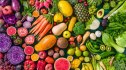
Foods to skip to protect your eye health

While eating the right foods can help reduce the risk of sight-robbing eye conditions like AMD, cataracts and glaucoma, there are some foods that can hamper our vision over time. According to Dr. Allison, that includes ultra-processed foods, excessive sugar and trans fats, since those can “contribute to increased systemic inflammation and oxidative stress.” It’s best to limit them as much as possible.
Dr. Lee agrees, saying “diets high in simple carbohydrates, processed foods and trans fats are not as healthy. In general, a balanced, whole-food diet is one of the most effective ways to support both eye health and overall health.”
Ready for more? Subscribe to our YouTube channel for video podcasts, health tips and uplifting stories designed for women 40, 50, 60 and beyond.
Conversation
All comments are subject to our Community Guidelines. Woman's World does not endorse the opinions and views shared by our readers in our comment sections. Our comments section is a place where readers can engage in healthy, productive, lively, and respectful discussions. Offensive language, hate speech, personal attacks, and/or defamatory statements are not permitted. Advertising or spam is also prohibited.