K-Beauty Is Everywhere Now: How Korean Skincare Became a Mainstream U.S. Beauty Staple
Korean skincare has gone from niche import to mainstream beauty staple, with sales soaring and products like essences, sheet masks and pimple patches landing on shelves across the U.S.

Korean beauty products are no longer a niche import tucked behind the counter at specialty shops. U.S. K-beauty sales reached $2.8 billion in early 2026, a roughly 48% jump from a year earlier, according to NielsenIQ. That is faster than the nearly 45% growth rate seen in the prior-year period, an unusual acceleration that has pushed sheet masks, essences and pimple patches onto shelves at mainstream American retailers.
The story of how Korean beauty routines and ingredients moved from Seoul to suburban drugstores has been chronicled by outlets including CNBC and the BBC, and it centers on a real shift in what U.S. shoppers want their skin care to do.
How K-beauty went mainstream in the U.S.
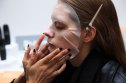
The pandemic changed the trajectory. With people stuck at home and scrolling, elaborate multi-step Korean routines suddenly had an audience willing to try them.
“People were home. They had time to kind of learn about a 10-step skin care routine. They learned about what specific ingredients did, how to layer products together. We saw the rise of this ‘glass skin’ look, and this real emphasis on healthy and glowing skin that looks great every day versus the need to kind of cover it up with cosmetics,” Anna Mayo, a NielsenIQ beauty thought leader, said on CNBC.
The numbers back up the cultural shift. The NielsenIQ figure of $2.8 billion in U.S. sales for early 2026 represents growth outpacing last year’s already-hot pace, which Mayo described as an unusual acceleration.
Why K-beauty matters to shoppers now
For many buyers, the appeal is less about branding and more about what is actually in the bottle. Ingredients, sourcing and function have become the vocabulary of the aisle.
“We’re not just buying from the big brands now. We’re actually talking about ingredients, where it’s sourced, what it does,” beauty influencer Mia Chen told the BBC. “A lot of Korean skincare derives from natural ingredients, and we all want that on our skin without side effects.”
Suranjana Tewari, writing for the BBC, notes that at the heart of K-beauty’s rise is a relentless pace of innovation, with new formulations appearing every few months and often designed to spark the next online obsession. Ten-step routines, overnight water sleeping masks and headline-grabbing ingredients such as salmon sperm were once considered niche or unappealing. Today, many are staples in bathroom cabinets around the world. Products launched in Seoul now surface on TikTok and Instagram feeds in the U.S., U.K., India and Australia almost instantly.
Popular K-beauty products to know
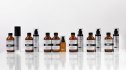
If you are new to the category, the product names can read like a foreign language. Here is a starter map of what is filling those newly expanded shelves.
- Cleansing oils and cleansing balms
- Water-based cleansers
- Toners
- Essences
- Serums
- Ampoules
- Toner pads
- Sheet masks
- Wash-off masks
- Overnight and sleeping masks
- Eye patches
- Pimple patches

Many routines pair several of these in sequence, which is where the “10-step” reputation comes from. Shoppers chasing the “glass skin” finish Mayo described tend to layer lighter, water-based formulas under richer creams, with masks and patches used as needed.
What K-beauty’s rise means for U.S. beauty aisles
The mainstreaming has practical consequences at the store level. Products that once required a trip to a specialty retailer or an international order are now sold alongside familiar American brands, and retailers are giving Korean labels more prominent placement as sales climb.
For U.S. shoppers, that means more choice, more ingredient transparency and more ways to test the routines going viral online without leaving town. Whether the 48% growth pace holds is the next question, but for now K-beauty has moved from trend to fixture.
Conversation
All comments are subject to our Community Guidelines. Woman's World does not endorse the opinions and views shared by our readers in our comment sections. Our comments section is a place where readers can engage in healthy, productive, lively, and respectful discussions. Offensive language, hate speech, personal attacks, and/or defamatory statements are not permitted. Advertising or spam is also prohibited.