Sarah J. Maas Reveals How ‘Buffy,’ ‘Star Wars’ and ‘Lord of the Rings’ Inspired Her Books
The bestselling fantasy author shares the childhood obsessions that helped shape her storytelling

Key Takeaways
- Sarah J. Maas says Buffy Summers directly influenced her 'Throne of Glass' heroine.
- 'Star Wars' made Sarah J. Maas long to see women taking center stage in epic adventures.
- A surprising piece of Disney's 'Cinderella' score helped spark 'Throne of Glass.'
Long before Sarah J. Maas became one of the biggest names in fantasy, she was a fan of the genre and a serious one at that. As a teenager, she founded a Lord of the Rings club at her high school, raced home to watch Sailor Moon and wrote crossover fan fiction. She loved Star Wars but wasn’t content to imagine herself on the sidelines of the adventure—she wanted to fight Darth Vader herself. And when Buffy the Vampire Slayer came along, Maas discovered a heroine who helped change her perception of what female characters could be.
Those influences would eventually find their way into Maas’ own fantasy worlds. A piece of music from Disney’s Cinderella provided the unlikely spark for what became Throne of Glass, Buffy Summers helped shape Celaena Sardothien, fairy tales and folklore provided inspiration for everything from A Court of Thorns and Roses to the witches of Throne of Glass and several beloved fantasy novels helped convince Maas that she wanted to become a fantasy writer herself.
What follows are some of the books, movies and TV shows that helped inspire the author—and, in some cases, changed the direction of her life.
‘The Lord of the Rings’
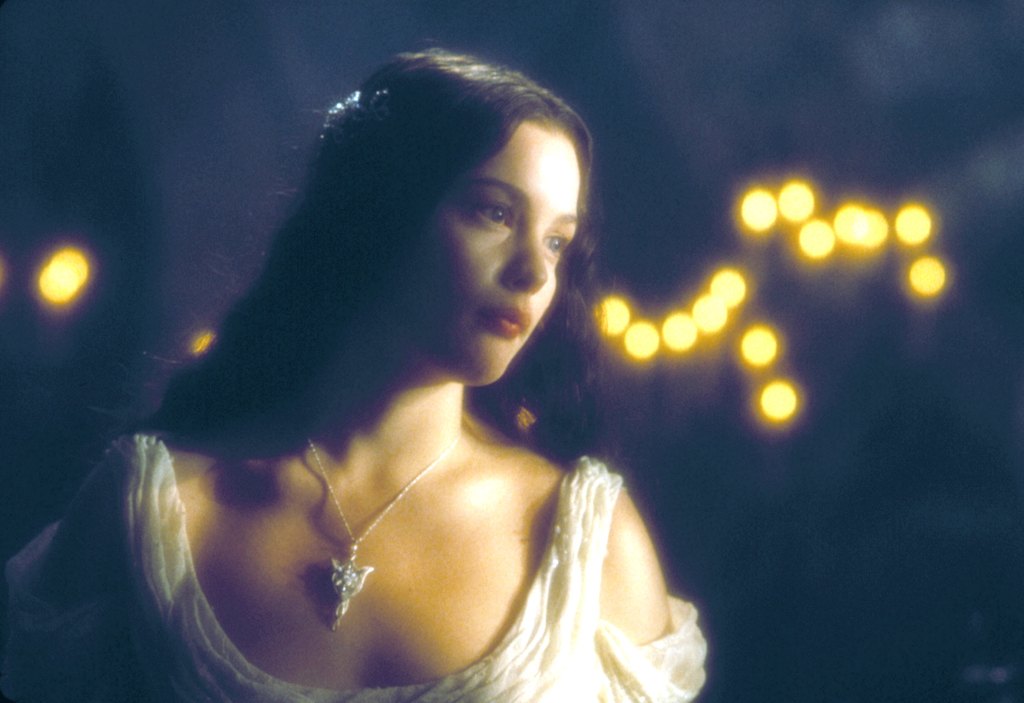
Much more than just a casual Tolkien fan growing up, Maas turned her passion into action. “I was the founder and president of the Lord of the Rings Club in high school, that’s why I didn’t go on a single date,” she laughed. “There were three of us in the club.”
Legolas was her favorite character, but it was a change Peter Jackson made to Tolkien’s story that had an enormous impact on the teenager. “When Arwen went up against the Nazgul, I lost my mind, ’cause that’s not in the books,” she recalled. “There was a lack of female presence in the books, but in the movies they were able to add some of it. When I saw that scene, I was 14 years old and was so overwhelmed because these were all the daydreams I had as a girl. I wanted to be in these epic situations.”
Years later, her admiration for Jackson’s trilogy hasn’t faded. Asked about her favorite book-to-screen adaptation, Maas chose The Lord of the Rings, saying, “I’m still in awe of how Peter Jackson managed to tackle the vastness of Tolkien’s world and plots, all while creating such a faithful, beautiful adaptation.”
‘Star Wars’
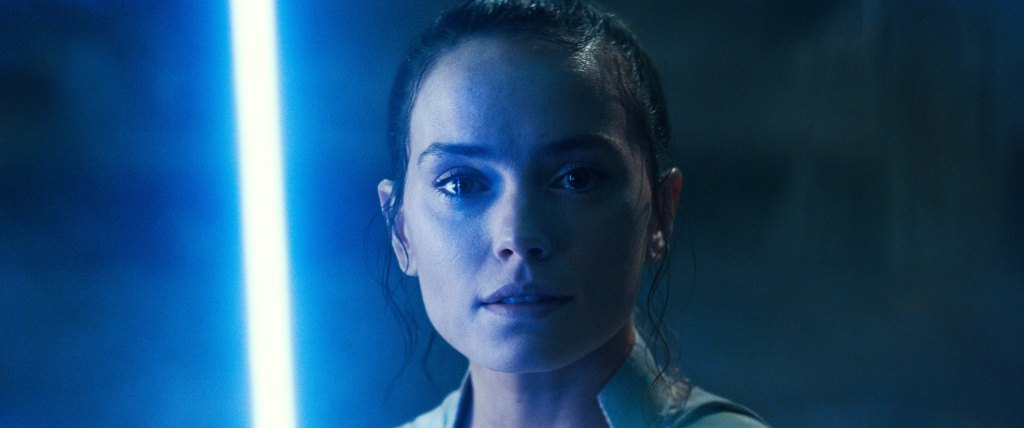
Star Wars provided Maas with another early example of a woman who could be part of the adventure. “Watching Star Wars, I loved Princess Leia, but I daydreamed about being a Jedi,” she explained. “I wanted to battle Vader, I wanted to be Han Solo. That’s why when I saw the new Star Wars, Rey was everything that I dreamed about as a kid. That moment when she picked up that lightsaber, I burst into tears. Growing up, there was a distinct lack of that.”
‘Buffy the Vampire Slayer’
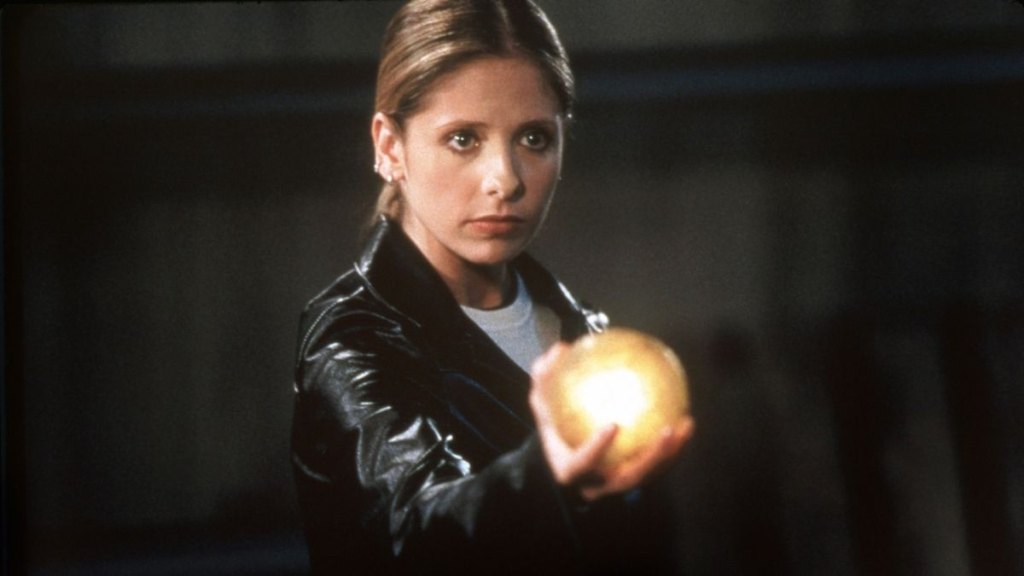
If there’s one pop-culture heroine whose influence can be seen particularly clearly in her work, it’s Buffy Summers. “Buffy from Buffy the Vampire Slayer was probably my favorite and one of the most life-changing heroines,” Maas said. “I felt a lot like Buffy in high school.”
What appealed to the author wasn’t simply Buffy’s ability to fight vampires, but the contradictions in her personality. Buffy could save the world while also caring about clothes, boys and the other things that interested an ordinary teenage girl.
“Buffy couldn’t be put into any kind of box, in the way that society likes to make us squeeze into these boxes,” Maas explained. “She wasn’t just a girly girl, she wasn’t a tomboy. She was the Slayer who was destined to save the world and fight these horrible creatures, but she was also a girly girl who loved clothes and what society deemed to be very feminine things.”
For Maas, who says Buffy arrived “at a very crucial time in me figuring out my identity,” that lesson would eventually influence the heroine at the center of Throne of Glass.
“When I got the idea for my Throne of Glass series, Celaena was very much in the vein of Buffy, where she’s this young assassin who loves clothes and dancing and ‘feminine’ things, but she also loves to beat the crap out of people and murder them,” Maas said. “I had no interest in writing heroines who had to be squeezed into these very narrow definitions.”
And Buffy wasn’t the show’s only character who made an impression. She points to Willow as an example of another kind of strength—a painfully shy “wallflower” whose intelligence and journey ultimately make her one of Sunnydale’s most powerful inhabitants. That variety helped influence Maas’ approach to the women inhabiting her own books.
‘Sailor Moon’ and ‘Harry Potter’

Another heroine who helped pave the way for Celaena was Usagi Tsukino of Sailor Moon. Much like Buffy, she appealed to Maas precisely because she wasn’t presented as an idealized, one-dimensional heroine.
“Sailor Moon was a girly girl who sucked in school, but the fate of the world rested on her shoulders,” she noted, explaining that Sailor Moon and Buffy “played a big role in paving the way for Celaena. “I wanted to write a heroine who felt like a real person.”
But Sailor Moon also played another important role in Maas’ development. “Oh my God, I started writing fan fiction and that’s how I learned to write,” she revealed. “I wrote Sailor Moon/Harry Potter crossover fanfic and so I am a big supporter of fanfiction. Especially for young writers to find their voice and learn about writing.”
There’s a wonderful bit of symmetry in what happened next. The teenager who learned her craft by playing with characters and worlds created by other people eventually became an author whose characters inspire enormous amounts of fan fiction and fan art themselves.
“I find it weirdly full-circle when people write fanfic about my stories,” explained Maas. “And fanart, fanart keeps me going. Whenever I come across a piece of fanart, it really inspires me.”
Harry Potter mattered to Maas in a more personal way, too. “I would read Harry Potter and kind of cry to myself cause I was, like, ‘Where’s my Ron and Hermione?’”After eventually finding the close friendships she’d longed for, she said those relationships “really have left their mark on the books.”
Disney’s ‘Cinderella’
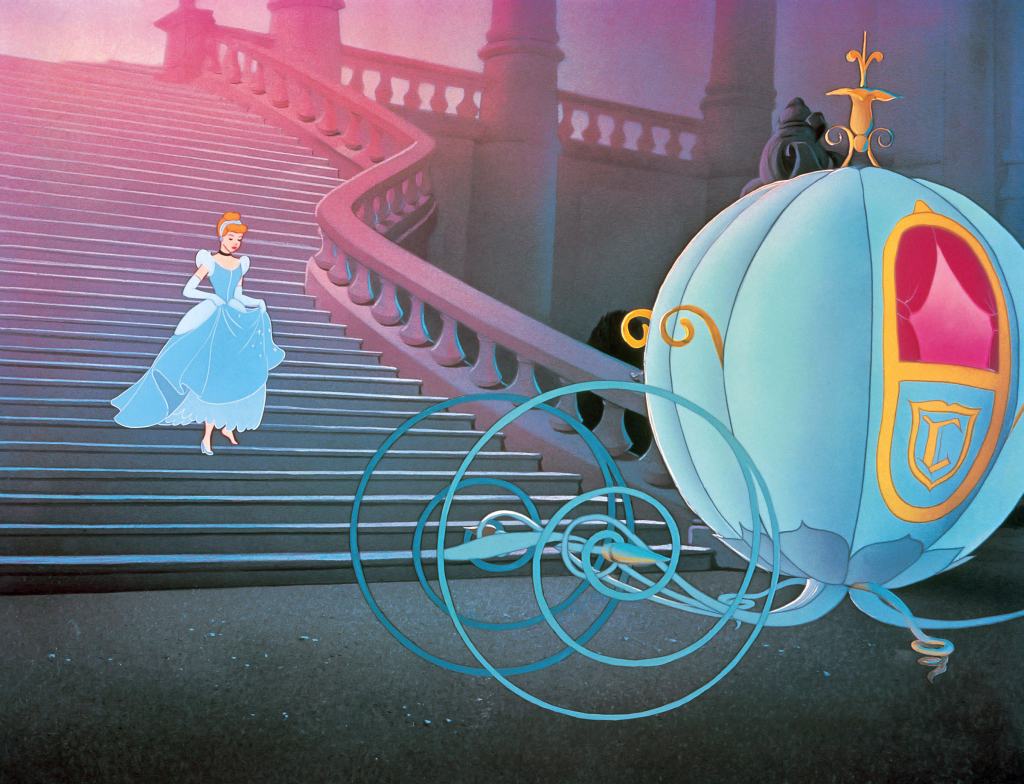
Perhaps the most unexpected influence on Throne of Glass is a certain aspect of Disney’s Cinderella: the music. “Music literally inspired this entire series for me,” she has said. “Music still inspires every scene, every character, every moment. Especially movie scores, classical music. I have to have music on when writing or else the silence swallows me whole.”
That connection goes all the way back to the genesis of Throne of Glass. “I thought the music that plays when Cinderella flees the ball (and the whole scene, to be honest) was really, really dark and intense,” Maas recalled. Her imagination immediately began rewriting the scene: “Well, what if she had done something really bad?”
Then came the question that changed everything: “What if she was an assassin who tried to kill the Prince?”
“And so Throne of Glass was born,” Maas proclaimed. Over the decade she spent developing the story, it moved far beyond its inspiration and became its own fantasy world, “though Cinderella was the original spark!”
Fairy Tales, ‘Beauty and the Beast’ and Baba Yaga
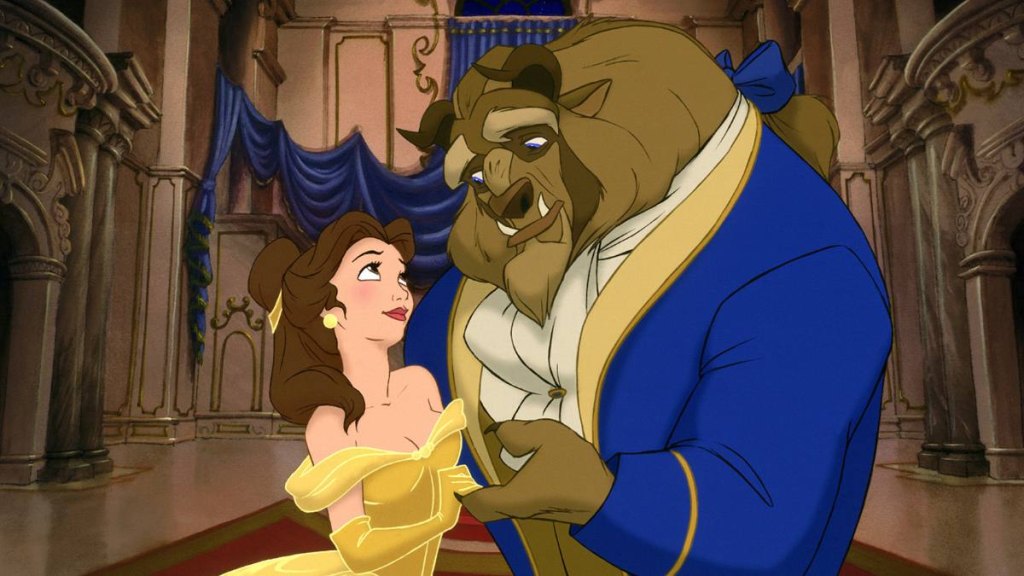
Cinderella was hardly Maas’ only encounter with fairy tales as they’ve been part of her imaginative life since childhood. “I’ve always loved fairy-tales and folklore from around the world,” she said.
Two particular favorites are East of the Sun, West of the Moon and Beauty and the Beast. But Maas also singles out the Russian fairy tale Vasilisa the Beautiful, largely because it features a character who fascinated her: Baba Yaga. The supernatural figure is, Maas says, her “all-time favorite character from folklore. She’s terrifying and mysterious and cunning and still fascinates me now,” Maas explained.
And once again, something Maas loved as a fan eventually became part of her own storytelling. She says Baba Yaga “inspired the race of witches in the Throne of Glass series.”
But for all the movies, television, music and folklore that fired Maas’ imagination, there were also books that made her realize she wanted to create fantasy worlds of her own. Two were particularly important: Garth Nix’s Sabriel and Robin McKinley’s The Hero and the Crown.

“Those are two books that I read when I was younger that really kindled my love for reading fantasy and my desire to write it,” Maas explained. “Both of them are set in wonderful fantasy worlds and feature strong, clever heroines.”

There’s also a considerably less imposing children’s book on her list: Robert Munsch’s The Paper Bag Princess, the story of a princess who rescues a prince rather than waiting to be rescued herself. That one, Maas said, “pretty much shaped who I am as a human being from the get-go. I made my parents read it to me a bajillion times.”
Looking across all these influences, a pattern emerges. Whether Maas was watching Arwen face the Nazgûl, wishing she could fight Darth Vader, identifying with Buffy and Sailor Moon, rewriting Cinderella in her imagination or reading about clever heroines in fantasy novels, she kept gravitating toward stories in which women weren’t confined to one particular role.
Eventually, she stopped merely wishing she could enter those worlds and began creating her own. And millions of readers are now doing exactly what she once did: losing themselves in someone else’s fantasy world—and imagining what they themselves might create.
Conversation
All comments are subject to our Community Guidelines. Woman's World does not endorse the opinions and views shared by our readers in our comment sections. Our comments section is a place where readers can engage in healthy, productive, lively, and respectful discussions. Offensive language, hate speech, personal attacks, and/or defamatory statements are not permitted. Advertising or spam is also prohibited.