‘World War II With Tom Hanks’: Episodes 1, 2 and 3 Recap, History Deep Dive and Historical Fiction Books to Read Along
Episodes 4 and 5 are a week away—here are the best WWII books to read while you wait

Key Takeaways
- The first 3 episodes of ‘World War II With Tom Hanks’ cover Poland, the Blitz and Barbarossa.
- Each book on this list pairs perfectly with one of the documentary's first three episodes.
- Episodes 4 and 5 of Tom Hanks' WWII documentary air on The History Channel on June 1.
The first three episodes of Tom Hanks’ new documentary, World War II with Tom Hanks, aired on The History Channel yesterday and viewers are already demanding more. The next two episodes won’t air for another week, leaving viewers wanting more. Enter books. There are thousands of amazing WWII historical fiction books out there, so we have rounded up five that pair perfectly with Hanks’ new documentary. Read on for more.
What to know about Tom Hanks’ new WWII documentary
World War II with Tom Hanks on The History Channel showcases experts and documents that highlight never-before-seen WWII information. The first episode follows Germany’s invasion of Poland. The second episode follows the Nazis’ attempt to take over Western Europe and the devastating “Blitz” bombing campaign. The third episode follows Adolf Hitler’s attempted invasion of Russia, which was called Operation Barbarossa.
“The question is, have we learned the lessons of World War II enough to have them permeate our decisions and our moral choices today? I think it’s, you know, 50-50?” Hanks told The Hollywood Reporter earlier this month. “We also now are dealing with a rise of revisionist history, with people making money off of saying there was no Holocaust in World War II. It’s all a sham. How does that happen? Well, the reason that exists is because we have freedom of the press, and we have the freedom of assembly, and I have confidence that that works to the good more often than it works for the malevolent.”
“I would say that two things stand out. One was just how powerful the Japanese navy was,” he continued. “It was huge, and their ability to take over the vast Pacific in a relative wink of an eye caused a lot of the fears for the American mainland. After Pearl Harbor, they just assumed that Seattle and San Francisco and San Diego were going to be invaded and we were going to lose. The other aspect was the Holocaust. There was a ton of footage here that I had never seen, or that I’ve now seen in its totality, as opposed to a judicious edit before you really see what happened.”

Books to read after watching episodes 1-3 of Tom Hank’s new WWII documentary
After watching the first three episodes, we recommend reading the following books:
Episode 1: ‘The Beginning’
This 42-minute episode is about Germany invading Poland in 1939—an event that had incredible fallout and a period that is the subject of many historical fiction novels, including:
‘The Warsaw Sisters’ by Amanda Barratt
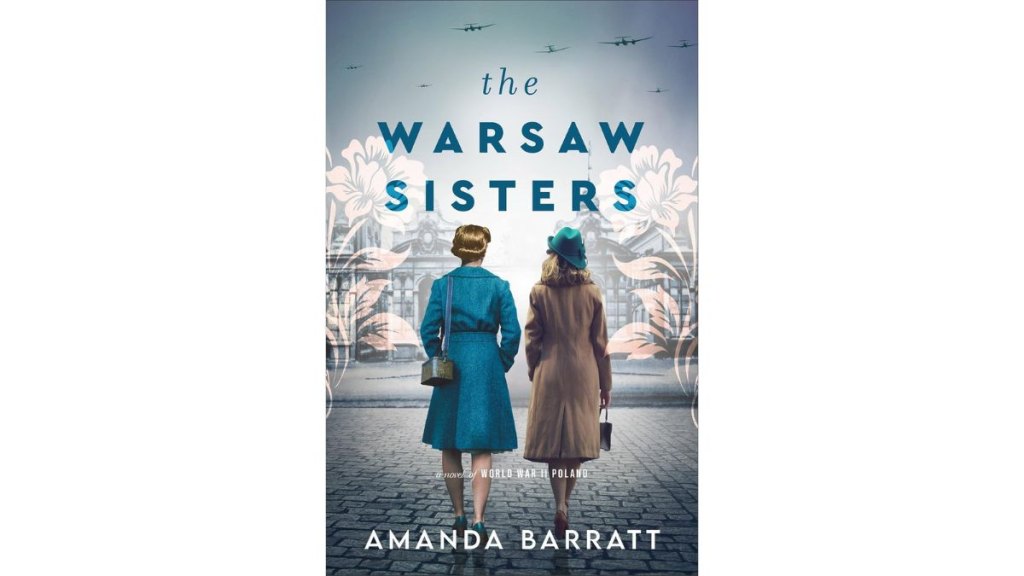
This Christy Award-winning novel follows twins Antonina and Helena Dąbrowska after their father is sent off to defend Poland from the German invasion. The next day a series of bombs destroys Warsaw, and Antonina and Helena are thrust into a life they never thought possible. Antonina ends up joining other women who will stop at nothing to shelter Jewish children, and Helena joins Poland’s secret army.
“With her signature attention to detail and commitment to historical integrity, Amanda Barratt gives us a story not to be forgotten,” raves one reader on Goodreads. “When two sisters choose their own paths of resistance under German occupation, both are irrevocably changed. The Warsaw Sisters is a wide-eyed, unflinching look at the heartbreaking plight of a people grasping courage even when they can’t find hope.
‘We Were the Lucky Ones’ by Georgia Hunter
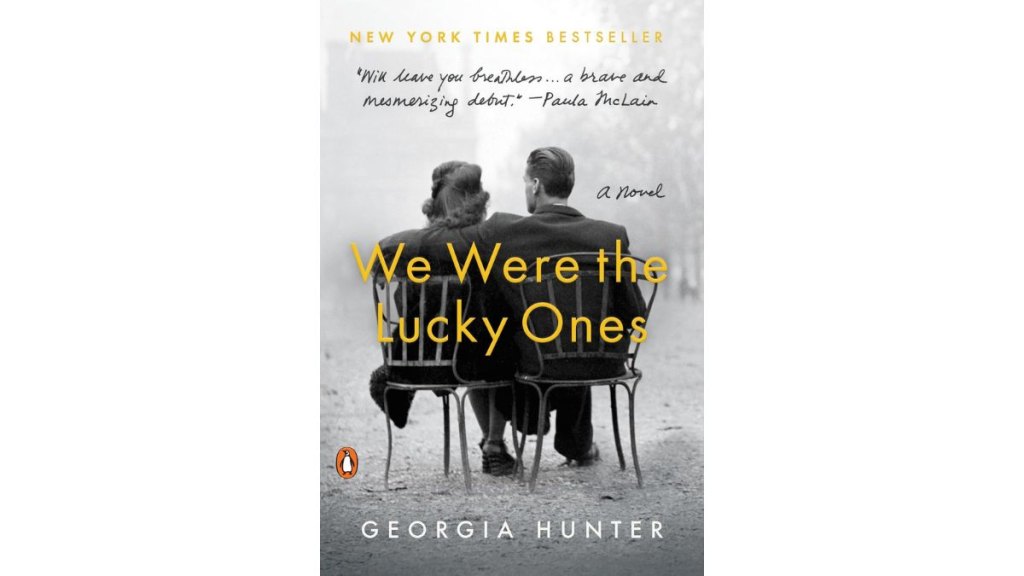
This New York Times bestselling novel, set in 1939 Poland, follows the Kurc family. When the horrors at their door force them to flee, the siblings scatter, doing their best to survive: working in factories in the ghetto, hiding in plain sight, leaving the country and going into exile. Can their love for one another keep them strong?
Says one reader: “We Were the Lucky Ones is a powerful and deeply moving read. The story beautifully weaves together the struggles and resilience of a family during World War II, capturing both heartbreak and hope with vivid, emotional detail. The characters feel real and richly developed, and the historical context is portrayed with sensitivity and authenticity. I was completely absorbed from start to finish, and it left a lasting impression about courage, survival, and the bonds of family.”

Episode 2: ‘Blitz’
During the Blitz (from 1940 to 1941), Nazi Germany and Italy launched relentless night bombs on London and other British cities, forcing citizens to hide in shelters as their homes and everything they knew were destroyed. Here, 3 fictional accounts of this terrifying season:
‘The Last Bookshop in London’ by Madeline Martin
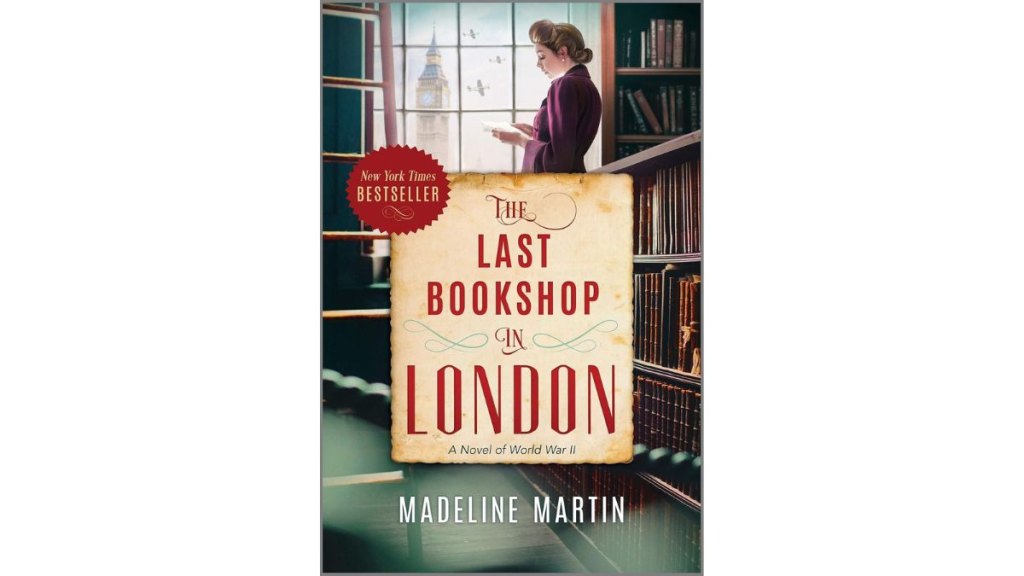
If you love books about books, you’ll enjoy The Last Bookshop in London by Madeline Martin. As the Blitz rages on, Grace Bennett finds solace in her new job at Primrose Hill, an old bookshop in the middle of London. As children are evacuated from London to the countryside, Grace stays in London, where she organizes the book shop and falls in love with reading, while turning the shop into a bright spot for her war-torn community.
“A fantastic read that pulls you into the story right from the start,” raves one reader. “It captures the breadth of feeling of London during the war and how ordinary folks showed courage and compassion for each other. It’s a brilliant book!”
‘The Lost English Girl’ by Julia Kelly
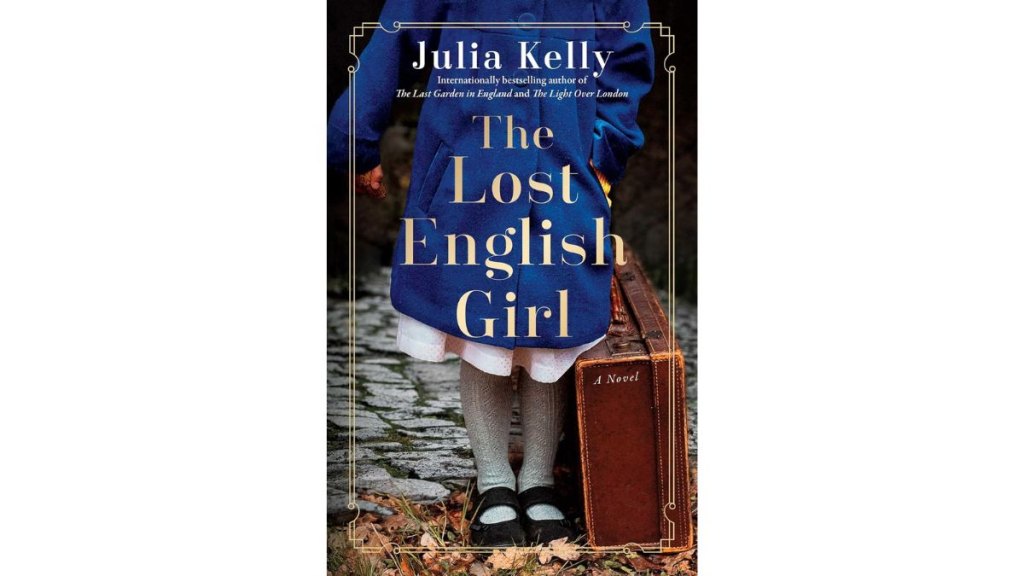
Few choices are more agonizing than sending your child away to keep her safe—and The Lost English Girl by Julia Kelly captures that fear. As war threatens England, single mother Viv Byrne sends her daughter, Maggie, to the countryside; years later, with help from her ex-fiancé Joshua, Viv uncovers what really happened—and the truth is more devastating than she ever imagined.
Says one reader: “Julia Kelly has brought the effects of World War Two in England to life in The Lost English Girl. I knew the story would not be a happy story. After all, the atrocities of the war are taught in our schools. The author’s telling of some of those atrocities inflicted on the people of England gave me more insight than years of history classes. Julia Kelly had me bawling uncontrollably. I had to step away from the book, but the tears still flowed.”
Episode 3: ‘Barbarossa’
During Operation Barbarossa in June 1941, Nazi Germany launched a massive invasion of the Soviet Union, expecting a quick win. But the mission ultimately failed because Hitler had severely underestimated the Soviet Union’s strength and manpower. Here, three historical fiction stories about the event:
‘City of Thieves’ by David Benioff
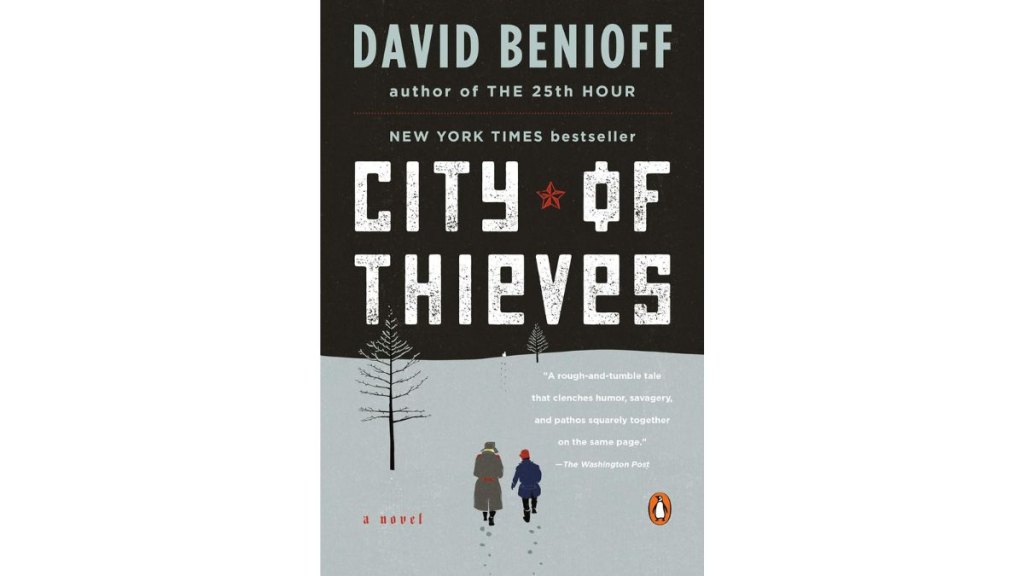

From the co-creator of the hit HBO series Game of Thrones comes a pageturning tale centered around friendship. During the Nazis’ siege of Leningrad, a city in Russia, Lev Benkov is arrested and thrown into jail. There, he meets a deserter named Kolya, and the two begin the impossible task of trying to secure a dozen eggs for a powerful Soviet daughter’s wedding cake. If they succeed they are given freedom. If they fail they are to be executed.
“City of Thieves by David Benioff is one of those rare books that manages to be both harrowing and heartwarming at the same time,” says one reader. “What truly makes the book stand out is its balance: it’s dark without being hopeless, humorous without undermining the gravity of its setting, and emotional without ever becoming sentimental. The characters feel real—flawed, brave, scared, and occasionally ridiculous in the best possible way. If you’re looking for a novel that’s fast-paced, character-driven, and rich with atmosphere, this is an easy recommendation. It’s the kind of book you finish quickly but keep thinking about long after.”
Ready for more? Subscribe to our YouTube channel for video podcasts, health tips and uplifting stories designed for women 40, 50, 60 and beyond.
Conversation
All comments are subject to our Community Guidelines. Woman's World does not endorse the opinions and views shared by our readers in our comment sections. Our comments section is a place where readers can engage in healthy, productive, lively, and respectful discussions. Offensive language, hate speech, personal attacks, and/or defamatory statements are not permitted. Advertising or spam is also prohibited.