How Jack Benny ‘Helped Invent the Sitcom’: His Daughter Joan Shared Sweet Memories Of Her Forever-39 Dad
Experts and his daughter Joan Benny reveal the truth behind his 'skinflint' persona and comic genius
Key Takeaways
- Comedy icon Jack Benny reshaped television history by pioneering the modern sitcom.
- His daughter, Joan Benny, revealed that his cheap on-screen persona was a total act.
- The show broke barriers by treating Eddie Anderson's character 'Rochester' as an equal.
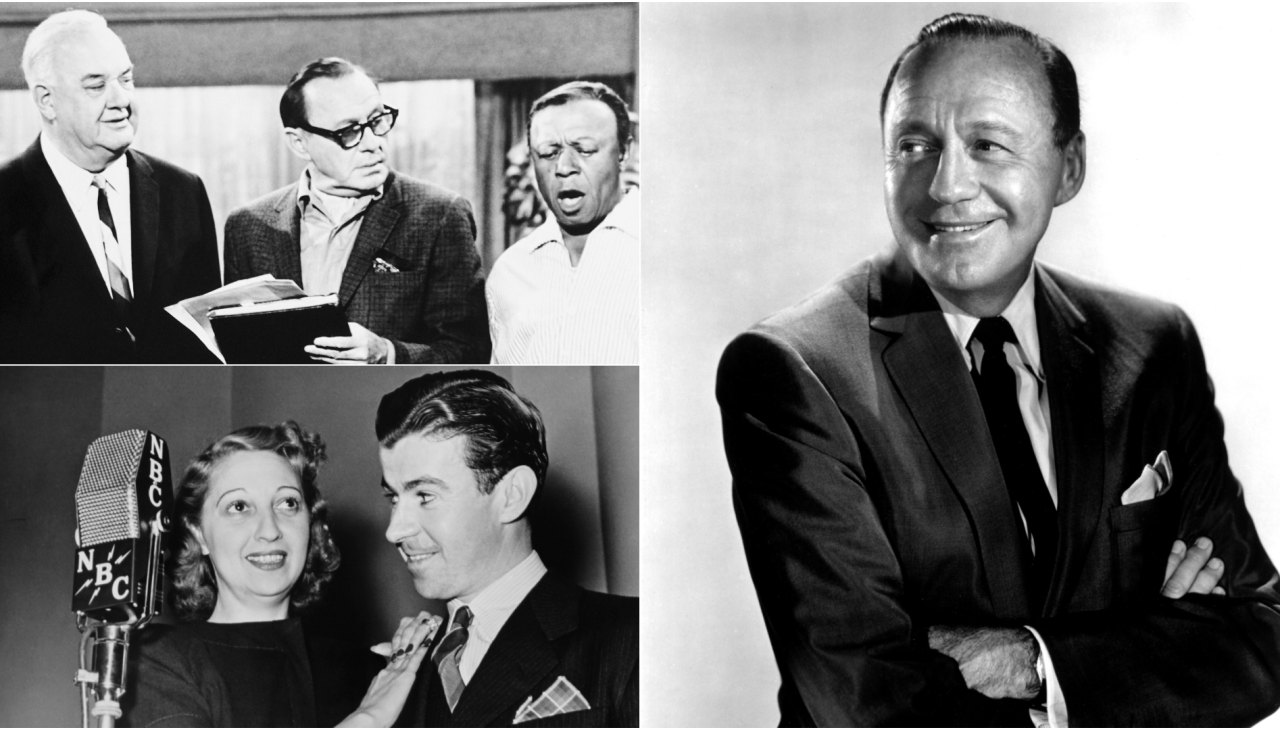
When people remember Jack Benny today, they usually think of the comic persona that made him one of the biggest stars of American entertainment: the eternally 39-year-old skinflint whose violin playing, slow burns and perfectly timed pauses generated laughs from listeners and viewers for decades on radio and television. At the height of his popularity, he successfully made the leap from vaudeville to radio, movies and television at a time when many of his contemporaries struggled to survive the transition to those media. Yet Benny’s greatest contribution may have had less to do with the character he played than with the way he and his writers quietly reshaped comedy itself. To understand how he pulled off this quiet revolution, here is the story of how Jack Benny changed entertainment forever—told in the words of his daughter and the historians who knew his legacy best.
GEOFFREY MARK (pop culture historian): “It is true to say that Jack Benny helped invent the sitcom, but it took a long time. Originally, there were no sitcoms on radio. There were mostly comedy variety shows and music variety shows, meaning the emphasis was on one or the other, but they all had elements of both in them.”
What followed wasn’t the invention of the sitcom so much as the gradual creation of its building blocks. Long before television audiences embraced ensemble casts, recurring character relationships and stories driven by personality rather than punchlines, The Jack Benny Program was experimenting with those very ideas.
As author Kathy Fuller-Seely notes in her book Jack Benny and the Golden Age of American Radio Comedy, “Benny and [head writer] Harry Conn experimented week after week, gradually expanding the narrative world of the show, creating continuing characters and moving away from monologues toward comic situations built around relationships. The result was a forerunner of the situation comedy.”
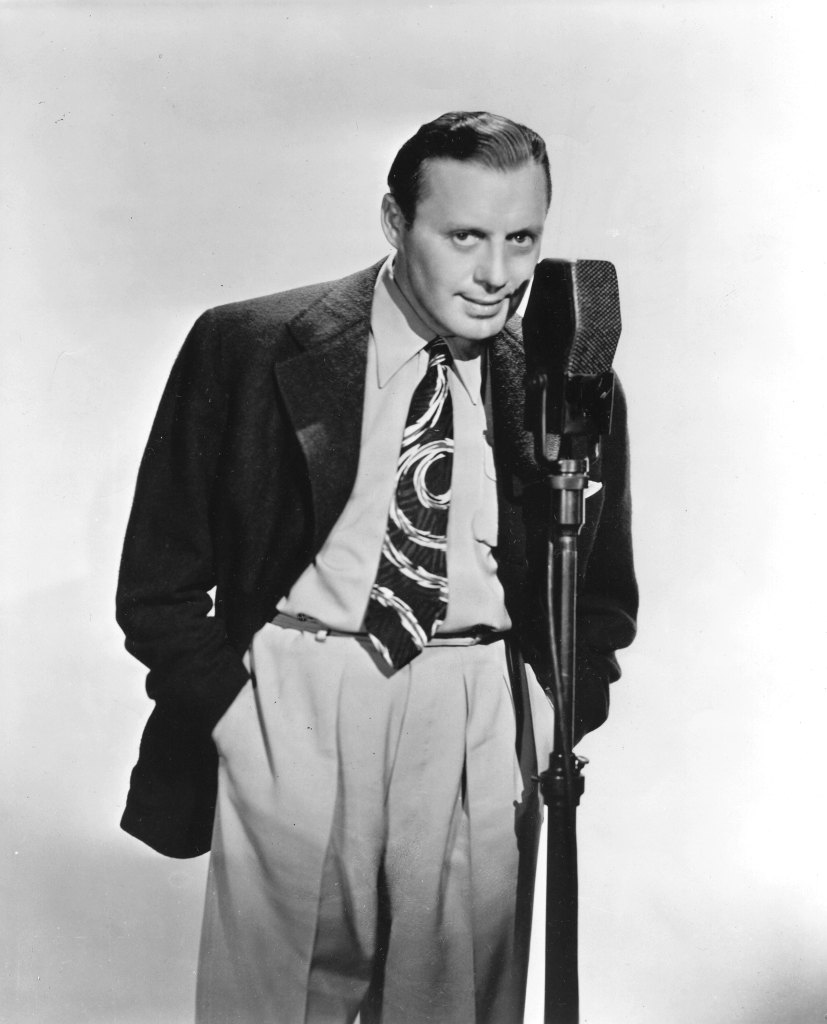
JOAN BENNY (daughter): “When I think about him, I think about radio. I love the radio show and I actually liked it better than the television show. The radio show was so funny—I listened to it not long ago when I was asked to do an interview about him. I hadn’t heard them since I was a child, and I was laughing my head off.”
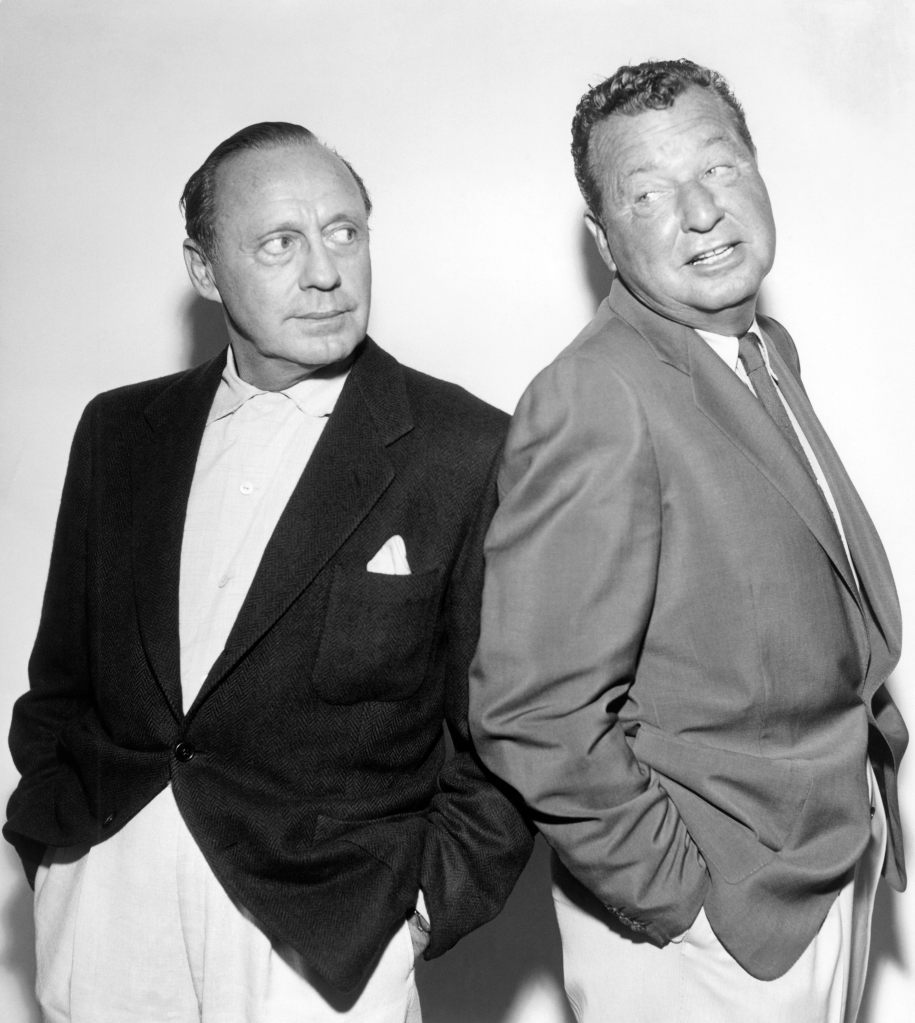
GEOFFREY MARK: “What Jack and his writers did was give each of his regulars, using their own names for the most part, fictional backstories from which they could mine comedy gold. None of the characters—Rochester, Mary Livingstone, Phil Harris—were really playing themselves. The jokes about Phil Harris and the band being drunk and irresponsible had some truth to them, but they were greatly exaggerated. Eddie Anderson wasn’t a butler in real life—he had his own mansion with his own butler. Jack paid him very, very well. Eddie Anderson became wealthy from being with Jack Benny. Dennis Day wasn’t the innocent boy he played on the show, either. Verna Felton wasn’t really his mother. What Jack and his writers created was a hybrid of a variety show and a sitcom. They did it that way so audiences never knew which version of the show they were going to get. Some weeks it was an out-and-out variety show with character comedy. Other weeks it was a pure sitcom with a plot.”
That evolution is precisely what fascinates Kathy Fuller-Seeley. Rather than simply standing before a microphone delivering one joke after another, she believes Benny slowly transformed his radio program into something audiences had rarely experienced before.
KATHY FULLER-SEELEY: “It depends on whether you take a strict constructionist approach to what a sitcom is. If you think it has to be the same group of characters in the same place every week, then Jack’s show was more like a workplace sitcom. But what he did in 1932—and this is what wins it for me—was that instead of just telling a series of jokes the way one might in a vaudeville performance, he quickly turned the show into a workplace setting. He was in conversation with his bandleader, his singer and his announcer. He used them as continuing characters to build conversations, so he wasn’t just standing there telling joke after joke after joke. The humor was coming out of their relationships.”
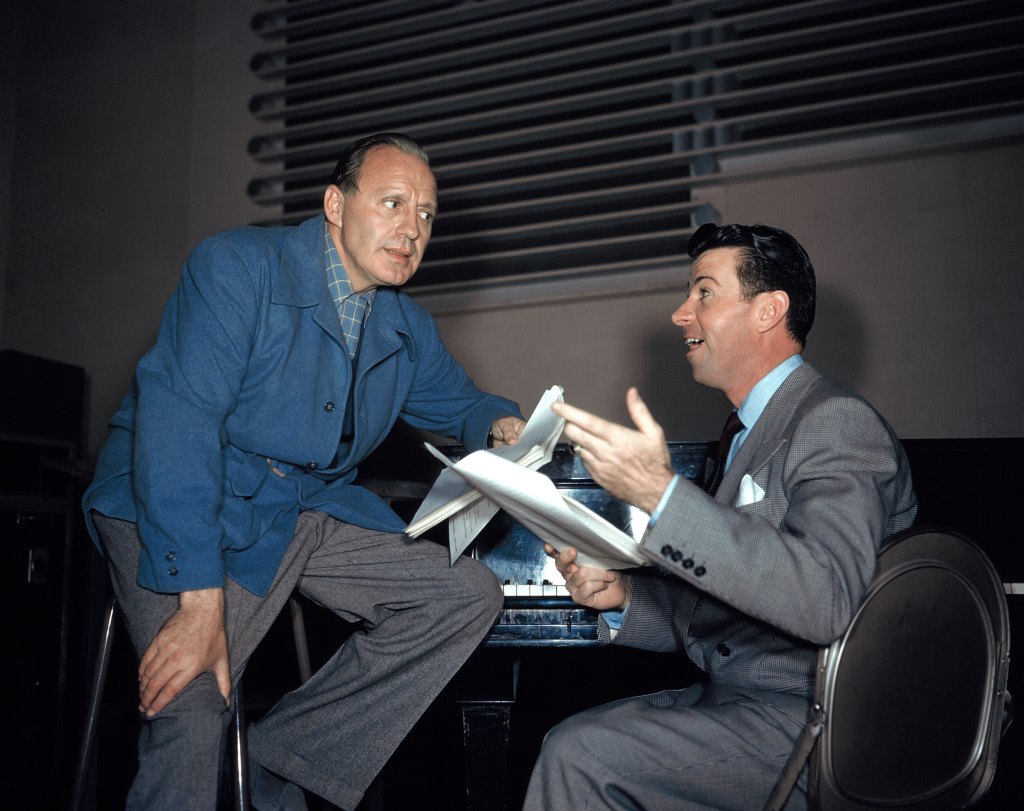
Jack Benny himself admitted that doing a radio show was an eye-opener for someone who had come into it from the world of vaudeville. As he noted on the first radio broadcast:
JACK BENNY: “Ladies and gentlemen, this is Jack benny talking and making my first appearance on the air professionally. By that I mean, I am finally getting paid, which will be a great relief to my creditors. I really don’t know why I am here. I’m supposed to be a sort of master of ceremonies and tell you all about the things that will happen, which would happen anyway… So ladies and gentlemen, a master of ceremonies is really a fellow who is unemployed and gets paid for it.”
There was also a recognition on his part that things would definitely need to change and quickly if The Jack Benny Program was going to survive and indeed thrive.
JACK BENNY: “In vaudeville you had one show and that was it. You changed it whenever you felt like it. And in this, when you realized that every week you needed a new show, this got a little bit frightening. I didn’t have any idea how important it was to have good material and how hard it was to get. The first show was a cinch—I used about half of all the gags I knew. The second show consumed all the rest, and I faced the third absolutely dry.”
The solution gradually became apparent.
Making Jack the punchline
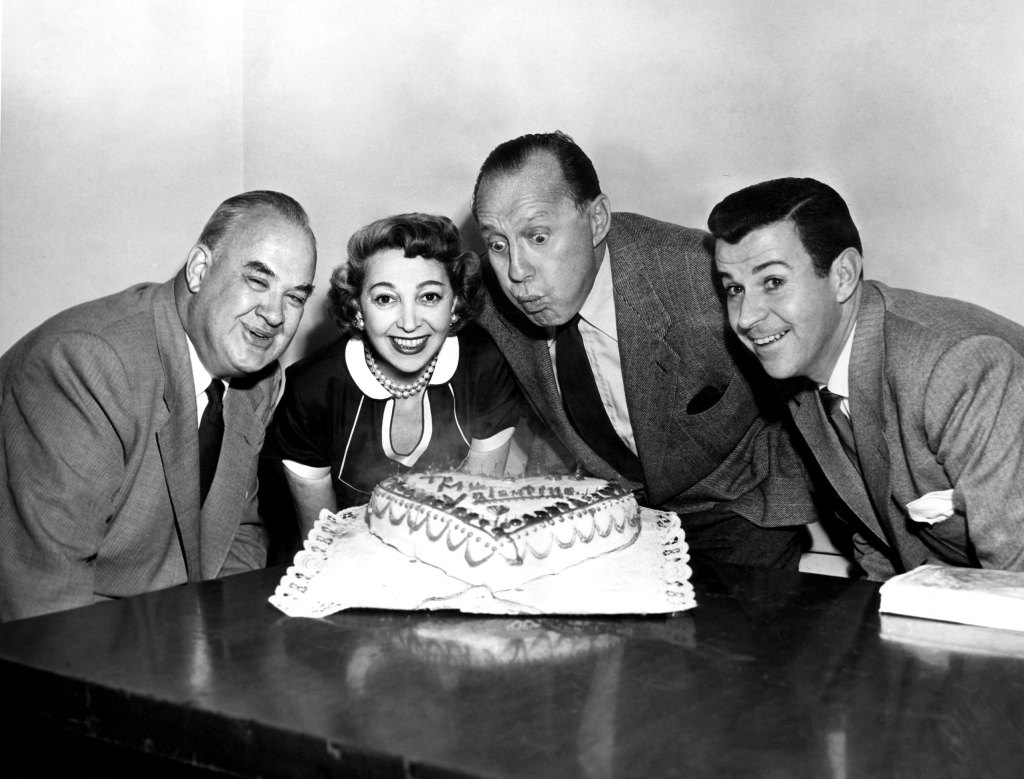
The transformation of The Jack Benny Program didn’t happen simply because Benny surrounded himself with talented performers, but really because he and his writers gradually turned those performers into fully realized comic characters—and then gave them permission to make fun of the star. Rather than positioning himself as the clever comedian who always got the last laugh, he became the target. His vanity, stinginess, vanity about his age, questionable violin playing and endless insecurities became recurring themes, while the others were encouraged to puncture his ego at every opportunity.
KATHY FULLER-SEELEY: “What happens over the first three or four years is fascinating. He starts out kind of like a talk-show host, a mild, slightly snarky New York guy—they called him a Broadway Romeo. Over the coming years he discovered that it worked better when everyone else made jokes about him. His faults and foibles became the comedy. He went from being a fairly normal character to an increasingly comic character with everybody else punching up at him because he was their boss. That was really different, because comedians like Eddie Cantor and Bob Hope generally punched down at their supporting players. On The Jack Benny Program, everybody got to make fun of everybody else.”
JOAN BENNY: “He said in an interview that he had all the foibles and so many things that normal people have, and they identified with him. The on-screen persona of the miser, the somewhat pompous, somewhat put-upon person—all the things that he was on that show—he said was a reflection of the population in general. People identified with that and they also knew, in spite of his radio and TV character, that he was a nice man. He came across as a really nice person.”
GEOFFREY MARK: “Jack also believed nobody could carry a radio show by themselves for 39 weeks a year. His feeling was, ‘Let’s surround me with wonderful actors doing great character comedy because if the audience loves their work, it’s still The Jack Benny Program. I’ll get the credit for it.’ That’s what Jack invented. Jack invented the idea of doing an entire episode around Rochester or making an entire episode out of changing the bandleader. Instead of simply announcing a new character, he built a story around it. Some weeks the entire half hour revolved around the people who lived in Jack Benny’s world, and other weeks it was a straight variety show. Other weeks it was a variety show with a 15-minute sitcom inside it.”
Those ideas may seem commonplace today, but in the 1930s they represented a dramatic shift. Rather than existing solely to support the star, Benny’s cast became indispensable to the show itself, with each performer bringing a distinct comic identity that audiences came to know almost as well as Jack’s.”
They were more than supporting players
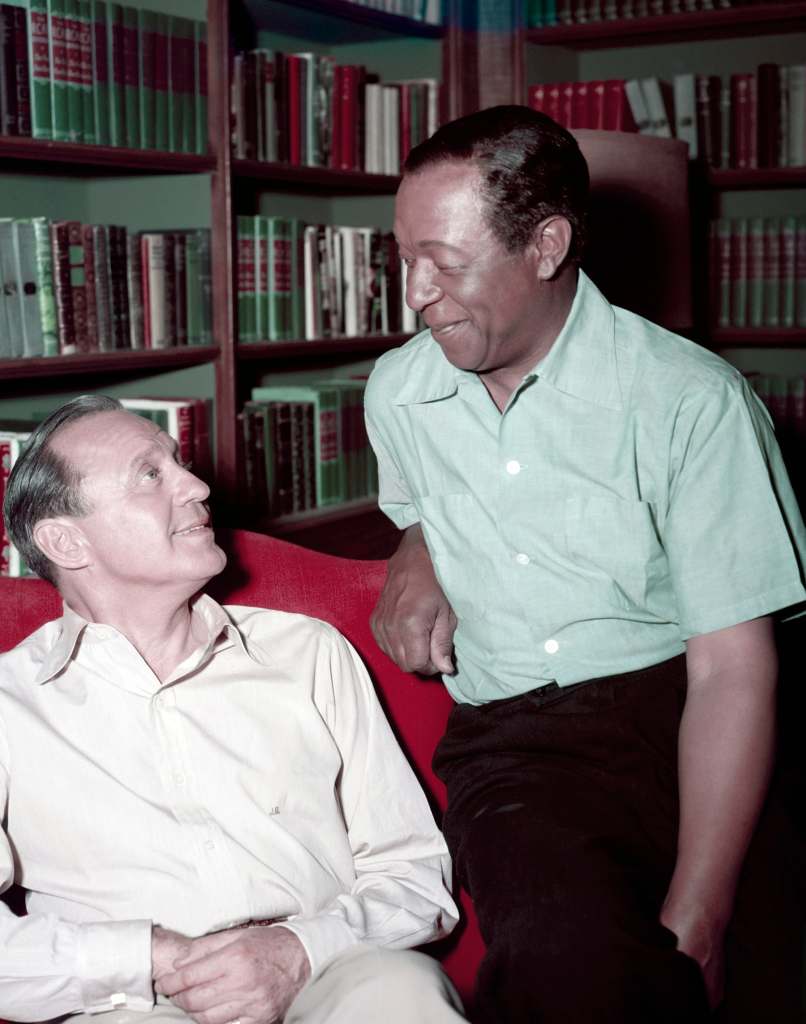
If The Jack Benny Program had simply assembled a colorful supporting cast, it might still have been remembered as an entertaining variety show. What made the series different was that Benny and his writers continually expanded those characters beyond their original comic functions with distinct personalities.
Perhaps no character better illustrates that evolution than Rochester, Benny’s valet, played by Eddie “Rochester” Anderson. Although the role emerged during an era when racial stereotypes remained commonplace in American entertainment, Benny’s writers gradually gave Rochester something unusual for the time: intelligence, confidence and the ability to challenge his employer.
KATHY FULLER-SEELEY: “Rochester is truly amazing because almost no other Black characters on radio—or even in films—were given that kind of humane treatment. The writers allowed him to become a fully rounded character. Yes, in the late 1930s there were still regrettable stereotypes, but Rochester could be intimate with Jack; he could tell him the truth and talk truth to power all the time. The writers made him that way from the very beginning, and then Eddie Anderson’s performance—his wonderful laugh, his ‘Come now’ and ‘Oh, boss’—lifted Rochester far above stereotype.”
JOAN BENNY: “If you remember, my dad’s relationship with Rochester was one where Rochester always got the best of him. That dynamic was fine.”
GEOFFREY MARK: “People think radio blossomed fully formed into what they remember, or that it was just television without pictures. It wasn’t. Radio was full of music, news and sports. Comedy took a long time to figure out. There were people who believed you shouldn’t even have an audience for radio because listeners at home would become confused. Jack Benny and Burns and Allen said, ‘Don’t be ridiculous. It’s just like vaudeville or Broadway. People are used to hearing audiences laugh.’ Jack was an early proponent of having a live audience.”
That collaborative spirit paid dividends beyond Benny’s own program. As the supporting players became stars in their own right, audiences embraced them as individuals rather than simply members of Jack’s cast.
KATHY FULLER-SEELEY: “The incredible popularity of The Jack Benny Program made the supporting players extremely attractive to other sponsors. That’s how Dennis Day got his own show, and Phil Harris and Alice Faye got theirs. They even tried to develop a series for Eddie Anderson, but unfortunately the industry wasn’t ready to embrace an African American performer as the lead of his own comedy series.”
One of the most unusual aspects of The Jack Benny Program was that its performers weren’t playing entirely fictional characters. Their personalities drew inspiration from their real lives, but, as noted above, were exaggerated and reshaped for comic effect.
KATHY FULLER-SEELEY: “It was different then, and it remained different throughout the show’s run. It wasn’t a made-up family. The performers were using their own names, even if some of them were stage names, and blending real life with fiction. I really love the way the show mixed the real and the fantastical. Their adventures drew so much from their real lives.”
The line separating Jack Benny the performer from Jack Benny the character became increasingly blurred. Listeners heard references to Benny’s films, his sponsor, his radio network and even his public reputation, all woven seamlessly into fictional stories. The result was a comic universe that felt grounded in reality even as it became increasingly absurd. That approach extended beyond radio itself.
KATHY FULLER-SEELEY: “When Jack was making movies in Hollywood, he gave those films more free publicity than any other radio comedian. George Gallup actually came to Hollywood and told the studios they should have more stars like Jack Benny, because he was constantly making jokes about being on the Paramount lot and making his latest picture. Gallup said it amounted to millions of dollars in free publicity. Man About Town was the first film in which Jack played a character named Jack Benny, and it even brought Phil Harris and Rochester into the movie. For years Paramount had struggled to translate Jack’s radio success to the screen, but this film finally captured the spirit of the radio show. It sounded like the radio show, and audiences responded. It ended up becoming one of the top 20 box-office hits of 1939.”
Creating the sitcom playbook
Trying to identify the “first” sitcom can become a surprisingly complicated exercise. Depending on how the term is defined, historians can point to a number of early radio programs that incorporated elements audiences would later associate with situation comedy. Geoffrey Mark doesn’t dismiss those shows, believing the more important question isn’t who arrived first, but who assembled the pieces that eventually became the sitcom.
GEOFFREY MARK: “There were other shows people think of as sitcoms, like The Goldbergs, but The Goldbergs started as a soap opera. Amos ‘n’ Andy really began as a sketch that eventually grew into a sitcom. George Burns said it really well: ‘We were all in the Top 10. It was easy. There were only 11 shows.'”
What set Benny apart, Mark argues, wasn’t simply that he experimented with new ideas, but that he never stopped experimenting. The program continually shifted between formats, allowing its writers to discover what worked while giving audiences something they couldn’t find anywhere else on radio.
GEOFFREY MARK: “His television show worked the same way. Sometimes it came from Television City. Sometimes it was filmed. Sometimes it was performed before a live audience. You never knew what you were going to get from week to week because Jack never wanted his audience to get bored. He felt that as long as he kept juggling the balls and giving viewers something different every week, they’d keep coming back—and they did. He lasted on radio and television from 1932 to 1964, then continued with specials after that. That’s an awfully long time.”
“If you watch reruns of The Jack Benny Program, you’ll see pure sitcom one week, variety another week and sometimes a combination of both. The chutzpah of doing an entire episode built around a Beverly Hills tour bus passing the homes of all the members of Jack Benny’s radio family, with everyone talking about Jack—and then, at the very end, the bus reaches Jack’s house and all Jack says is, ‘This is where I get off.’ That’s all he says in the entire half hour. But the whole show is about him. That is genius sitcom work. And the writers stayed with Jack for years. They weren’t born knowing exactly what the show would become. They experimented until they found the formula that worked. That’s why The Jack Benny Program wasn’t fully formed from the beginning the way later sitcoms were.”
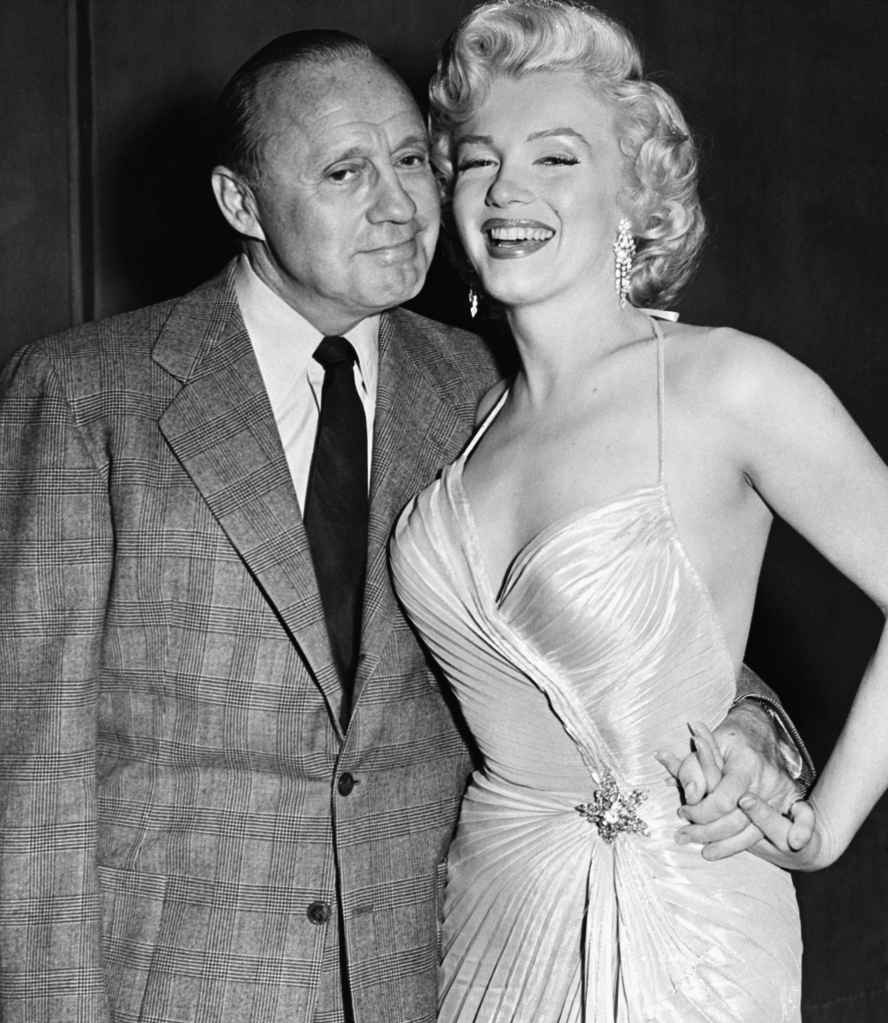
KATHY FULLER-SEELEY: “Jack and his writers were always experimenting. They’d do movie parodies, fantasy stories, musical showcases or bring on major guest stars. On television he could get Humphrey Bogart or Marilyn Monroe because people knew Jack would make them look good instead of making them the butt of the joke. It’s delightful to watch because Jack and his writers constantly borrowed ideas from the radio show and figured out how to make them visual for television. They’d also take things they’d experimented with on live television in the 1950s and rework them once the show moved to film. They kept recycling good ideas while still finding new ways to surprise the audience.”
JOAN BENNY: “He was very lucky because that character that he created made the transition very easily from radio to television, unlike other radio shows that couldn’t.”
KATHY FULLER SEELY: “The show became the most sitcom-like during its final two seasons because CBS pressured Jack into producing 35 episodes a year. Throughout most of the 1950s he’d only made a dozen or so shows each season, which gave him time to keep them fresh. Once he had to produce almost three times as many episodes every year, the series naturally became more domestic and more traditional in its storytelling.”
Legacy of ‘The Jack Benny Program’
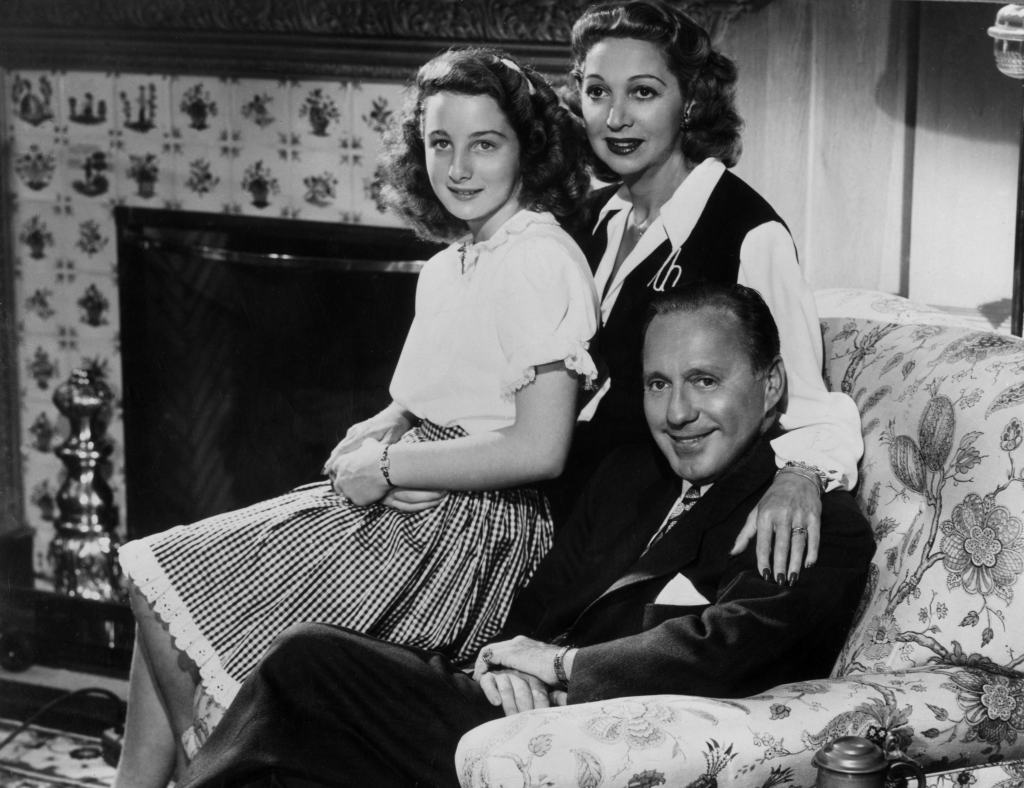

It’s impossible to credit any one performer or program with inventing the sitcom. Comedy evolved gradually, shaped by dozens of writers, actors and producers working in radio before making the transition to television.
GEOFFREY MARK: “It isn’t that Jack Benny created the first sitcom. He created the elements that make sitcoms work. His show wasn’t purely a sitcom, but he developed the individual pieces that eventually became the blueprint for successful situation comedy. He once said the reason people tune into sitcoms is because they get to know the characters and each character has shtick attached. You don’t use all of the shtick every week. You decide which character to spotlight and which aspect of that character you’re going to use. That’s why people tune in.”
JOAN BENNY: “As far as I know, he stayed with it for so many years between radio and television because that’s what he had a need to do. A lot of people get burned out doing something for so many years, but it seems like he was very happy to do it. And do it well.”
Conversation
All comments are subject to our Community Guidelines. Woman's World does not endorse the opinions and views shared by our readers in our comment sections. Our comments section is a place where readers can engage in healthy, productive, lively, and respectful discussions. Offensive language, hate speech, personal attacks, and/or defamatory statements are not permitted. Advertising or spam is also prohibited.