13 Rare Photos of ‘The Monkees’—With Behind-the-Scenes Stories From Someone Who Knew Them Best (EXCL)
Tiger Beat's Ann Moses opens up about her real-life memories of The Monkees and shares rare photos

When Ann Moses started her tenure at Tiger Beat in January of 1966, she had no idea she was about to be swept into the kind of pop culture whirlwind most journalists only dream of. She was still in junior college when the job began, and a few months later, she was suddenly standing on the sand in Del Mar, Calif., watching four guys in matching double-breasted jackets emerge from helicopters to promote a television show no one had seen yet. That show, of course, was The Monkees.
“The train ride was a promotional thing put together by a local radio station,” Ann shares with Woman’s World. “This was the Sunday before the show premiered. The mayor even renamed Del Mar to ‘Clarksville’ for the day.”
She was on that train, one of only a handful of press, and watched the band perform to a crowd that couldn’t have been more than 50 people, but something clicked immediately. “They walked over to this little stage set up on the beach and played a few songs,” she says. “The crowd went crazy. And I remember thinking, ‘This is going to be huge.’”
Ann, author of the book Meow! My Groovy Life with Tiger Beat’s Teen Idols (autographed copies available at her site) had already seen her share of performers: the Rolling Stones, the Hollies, James Brown and Tina Turner. But The Monkees weren’t British and they weren’t soul. In fact, they were something else entirely. “Each one of them was so unique,” she notes. “They were kooky and fresh. The producers were really brilliant in how they cast them. It felt like something we hadn’t seen on TV before.”

At the time, television was still largely built around standard domestic comedies like Bewitched, My Three Sonsor Green Acres. But with The Monkees, here was a series about four young guys sharing a house and trying to make it in the music business. Add to that their slapstick antics, British Invasion-inspired music and zany fourth-wall-breaking humor, and it was unlike anything on American screens.
What Tiger Beat quickly realized was that The Monkees weren’t just going to be another flash-in-the-pan act. “Our publisher saw a preview screening of the pilot and immediately locked up a few things,” she explains. “We launched Tiger Beat Presents The Monkees, Monkees Spectacular and a regular column called ‘The Monkees Write to You.’ Every month, there was a letter from each of them to the readers. They were based on nuggets from interviews I did.”

Ann was granted almost unlimited access. “All I had to do was call Marilyn Schlossberg, who was the unit assistant, and tell her which day I wanted to come out. That was it. Sometimes I brought other people to the set, like Jimmy Page, who was with the Yardbirds at the time. He wanted to meet The Monkees and they were so excited. I think they got a real kick out of it.”
She became such a regular presence that hanging out on the Monkees set became second nature. “It wasn’t like I’d walk in and immediately say, ‘Okay, Davy, time for an interview.’ I’d just hang out between shots. Sometimes we were all sitting around—me, the guys, crew members, visiting musicians—and I’d just observe.”
Davy Jones
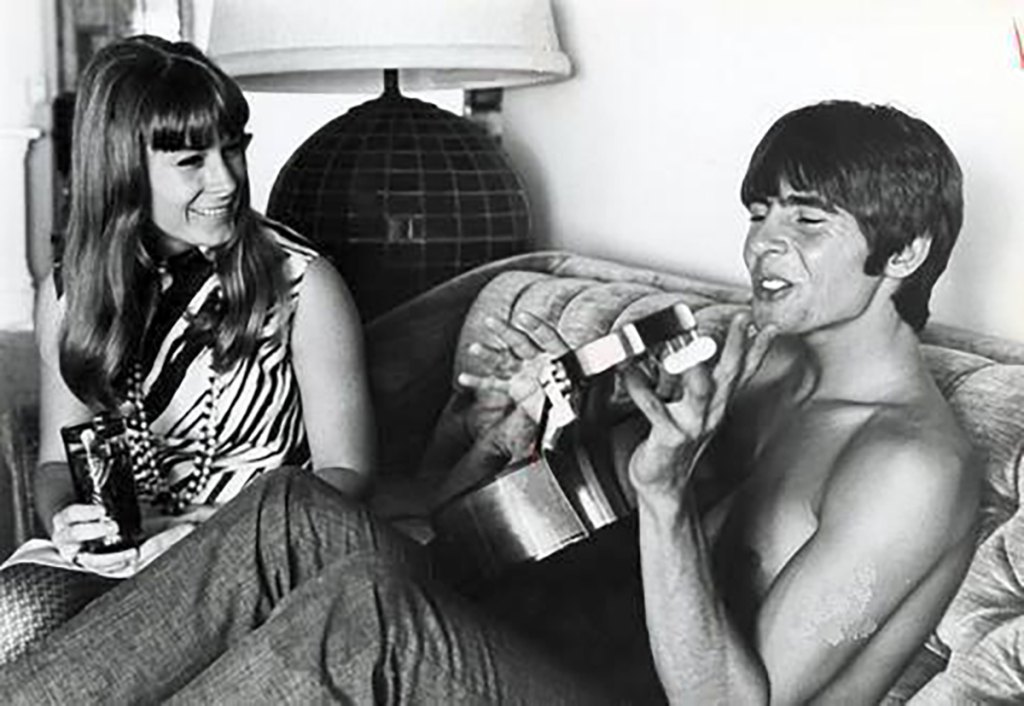
Of course, each Monkee had his own personality and his own way of dealing with the press—and with fame. Davy Jones was the polished showman, the Broadway veteran who knew how to handle himself in front of a camera or reporter. “He was always joking around,” Ann says, “but very cooperative. If we wanted to do a photo shoot at his house, he was all for it. We did features like ‘At Home with Davy,’ and he made it easy.
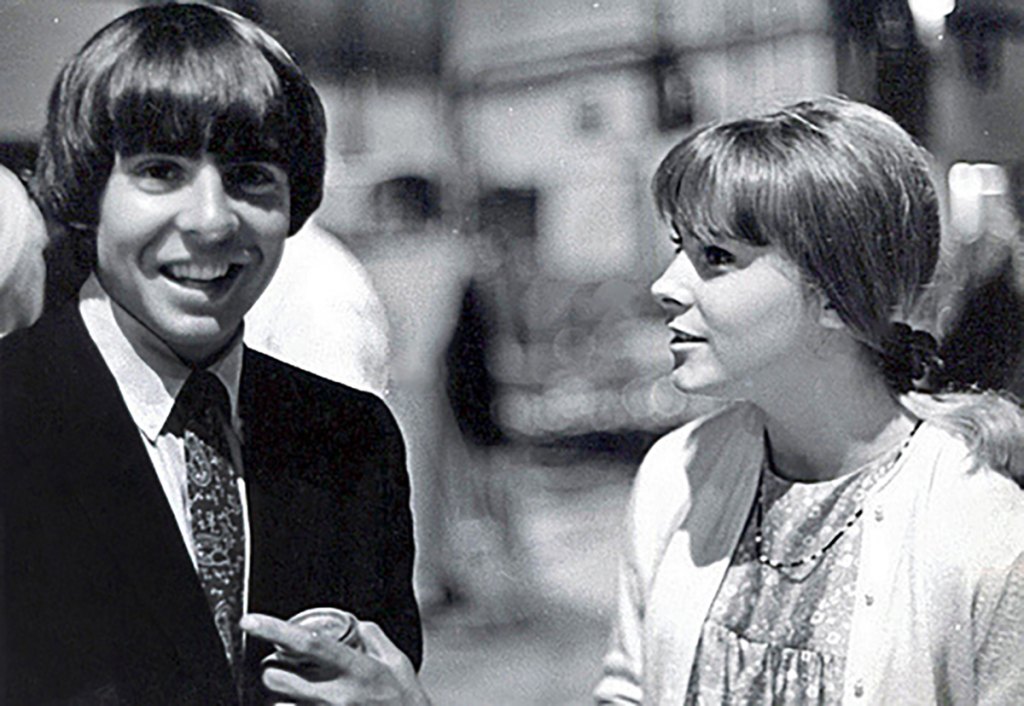
“Davy was very much the ambassador of The Monkees,” she continues. “That first day he came over and said, ‘Welcome, let me show you around,’ and he was just as excited as I was, because this was all brand new to him as well. He just made me feel at ease and just had a way of being a normal, joking British guy, just as sweet as can be. And that really helped, because at first I had butterflies in my stomach, but anyone would. Then, as I kept going out to the Monkees set at least a couple of times a week, it became more casual and comfortable.”
Micky Dolenz

Micky Dolenz, she says, was the class clown—always agreeable, always engaging, but clearly someone with a lot of energy to burn. “He was often distracted,” she explains. “He’d say, ‘Can we just get through this?’ but never in a mean way. He liked talking to everyone—the cameramen, the guests. He enjoyed being the center of attention, but it wasn’t ego. It was just who he was.”
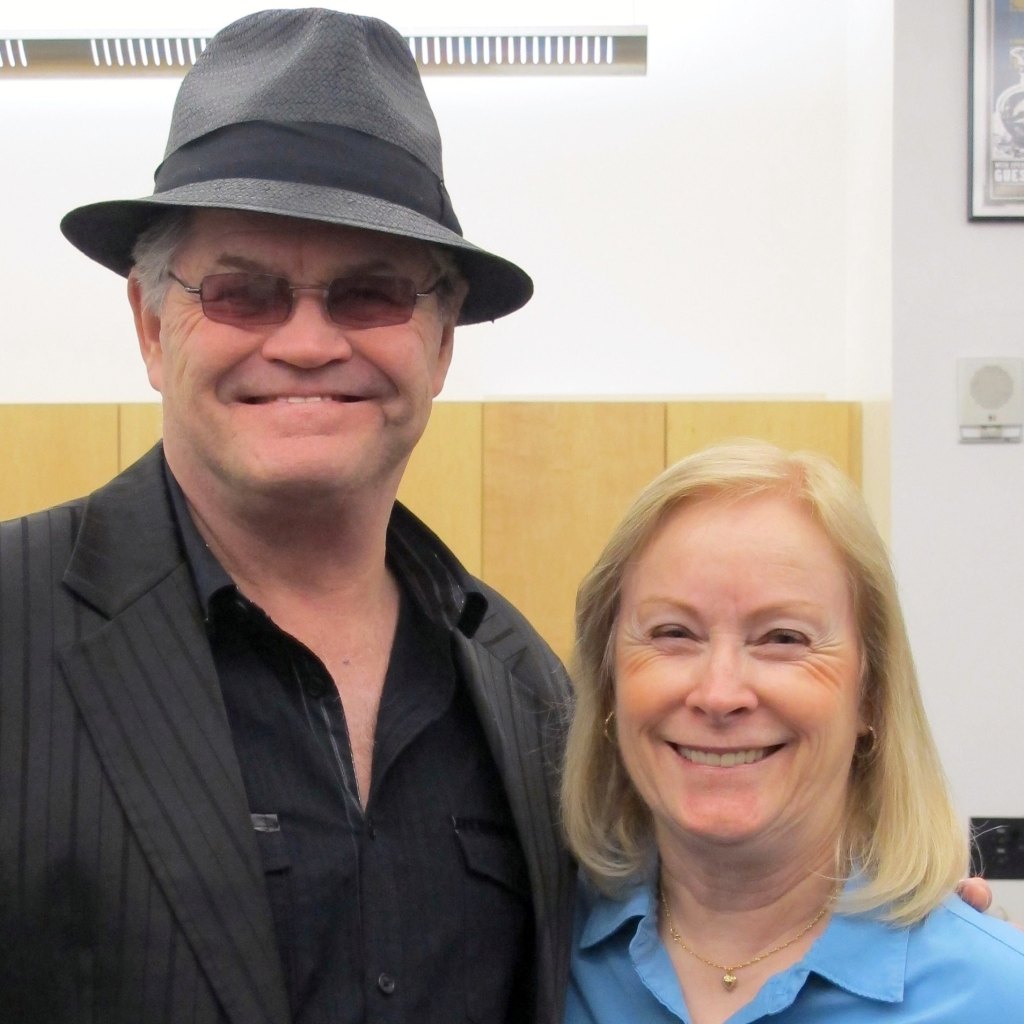
Elaborates Ann, “He was always the performer, whether he is on stage, in front of a camera or not. If three or four of us would be sitting around having a conversation and Micky would join, it suddenly became about Micky. It was just the way he was. There was no rudeness, nothing like that. That was how Micky’s personality was different than Peter and Davy.”
Peter Tork
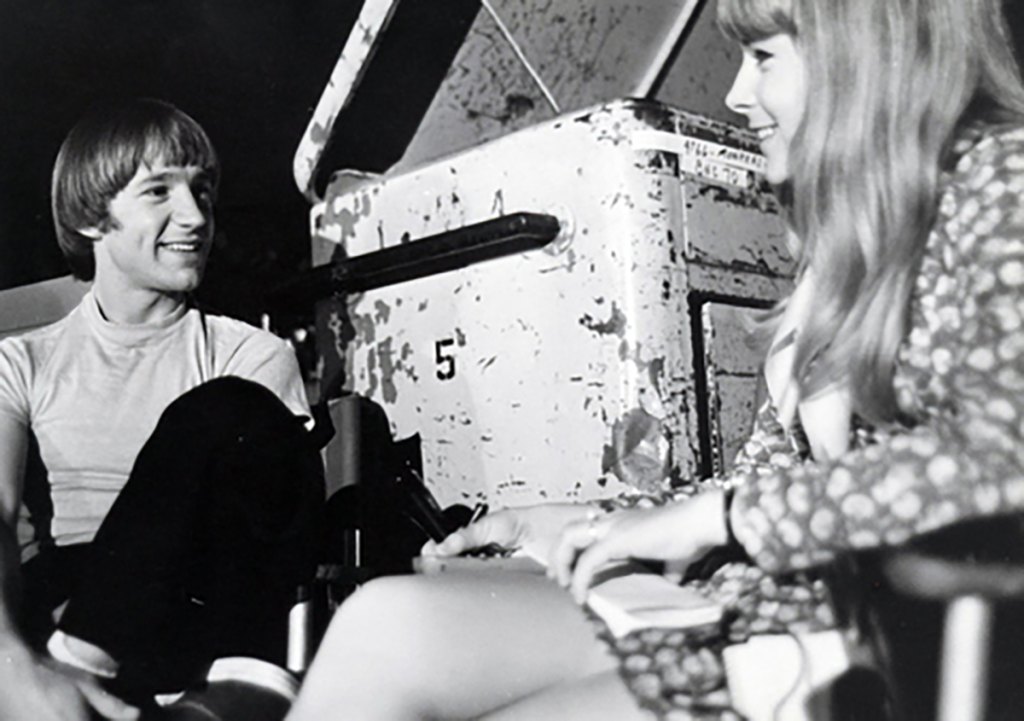
Peter Tork, meanwhile, was the one who took it all to heart. “If I asked Peter for an interview, he always said yes—and he was so thoughtful. He really leaned in and wanted to answer everything honestly. He understood our audience and respected them. He was reading The Book of Tao—and yes, I misspelled it once and he corrected me. That was Peter. He cared.
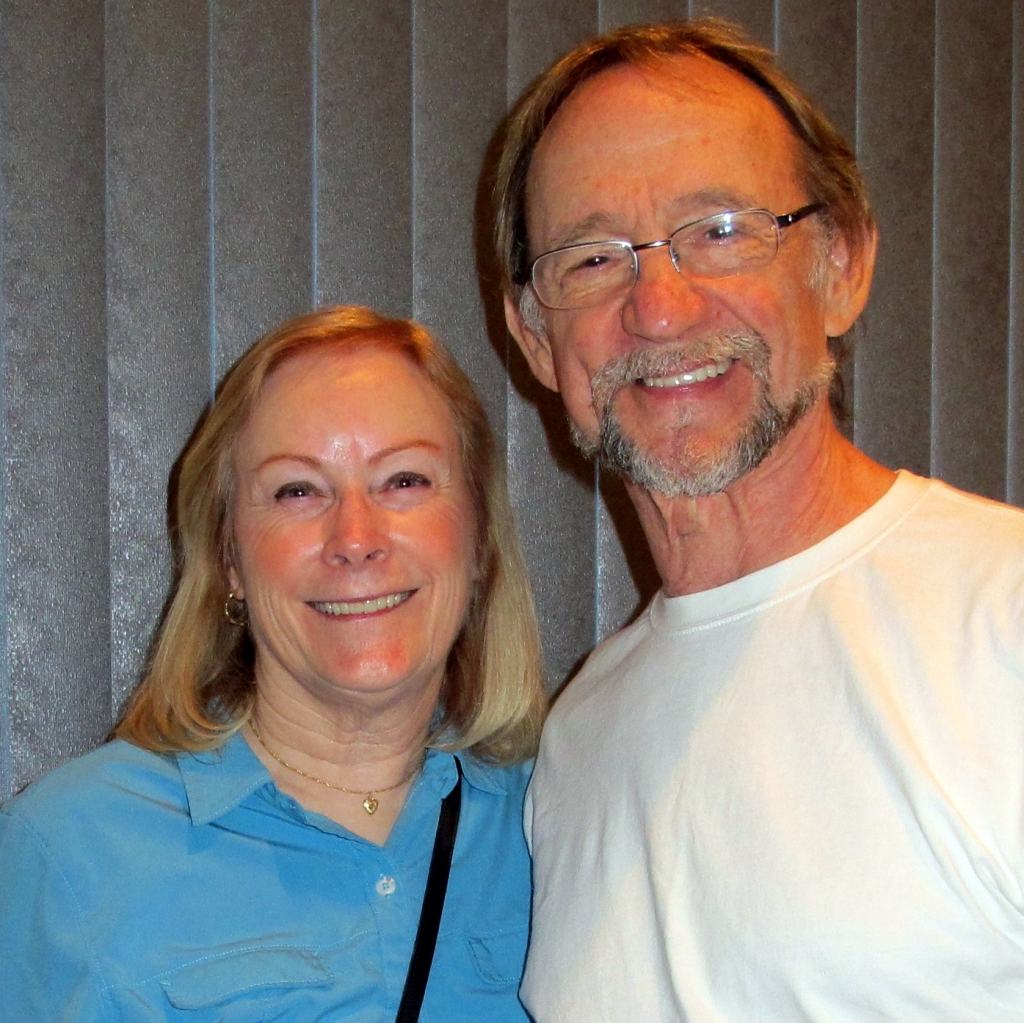
“He was also the same guy he was before he became a Monkee,” Ann adds. “He loved reading, he loved studying religions and points of view, and he was kind of like a hippie, but a very intellectual hippie. He didn’t treat me like, ‘Oh, it’s the teenybopper magazine editor,’ but instead, he was just very happy to answer my questions honestly and not be flippant. He just took it all seriously and that, to me, was just a sign of respect.”
Mike Nesmith
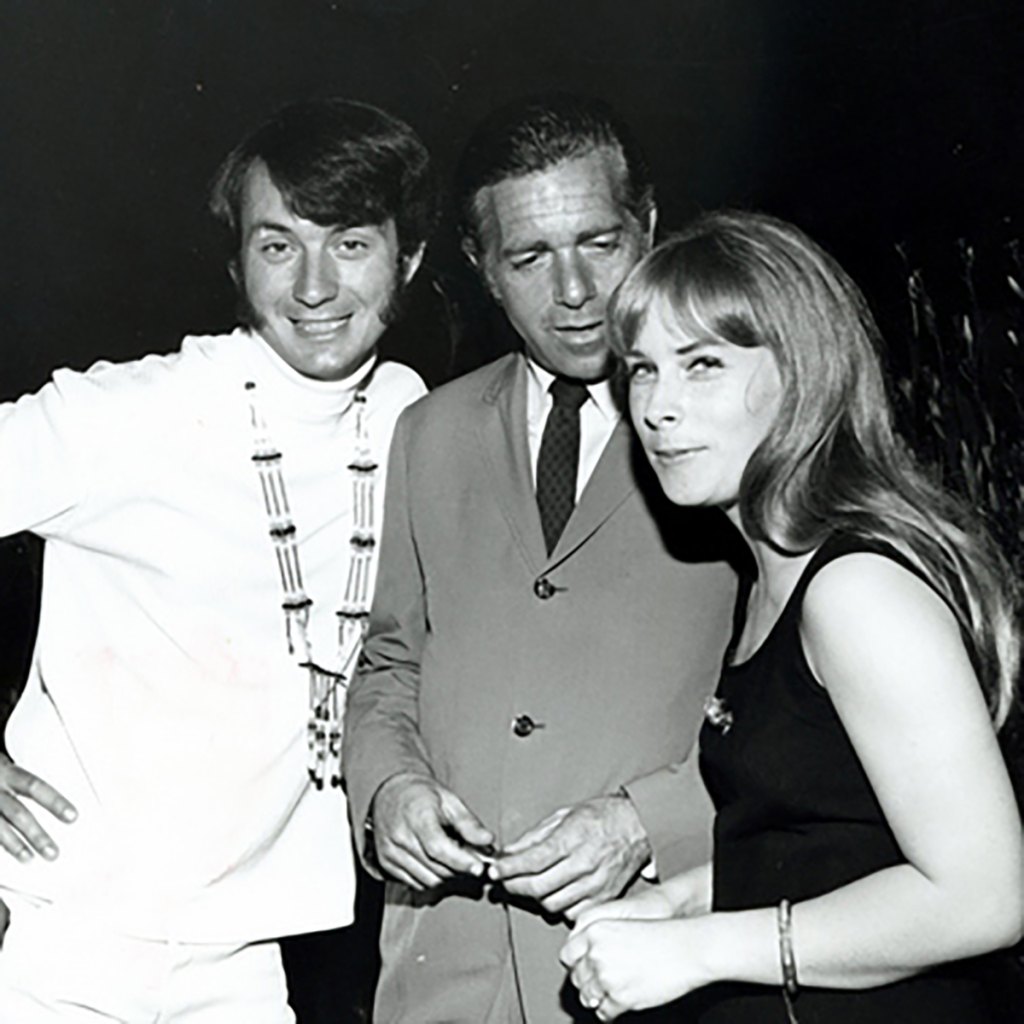
“With Mike,” Ann says, “you never knew what you were going to get. Sometimes he’d be great, other times a little standoffish. He once said to me, ‘I’ve got a wife and kid—I don’t care about all this teenybopper stuff.’ He was already a songwriter when the show started, and he really wanted to be taken seriously.”
Over time, that tension began to show. While the others were soaking in the adulation, Mike was pulling back. “His relationship with The Monkees was complicated. I think he felt limited by it creatively. He eventually came to appreciate what it gave him—a platform, a way to be imaginative—but in those early days, it frustrated him.”

Eventually, Mike had a way of solving his issues with publicity: he suggested that Ann talk to his wife, instead. “So,” she laughs, “what began with his solution of getting me out of his hair, became regular lunches with Phyllis Nesmith. I think she was a year or two older than I was, but she was just this lovely woman. And we would meet for lunch and, of course, I recorded our interviews. We talked about so many things, like what it’s like to live with Mike, what their son, Christian, got for Christmas… we talked about everything. Nothing was out of bounds and we would just have the best time together. I probably got 10 times more material than I would have trying to pull it through Mike’s teeth. So it really worked out great.”

Which is not to say that Ann didn’t get interviews with Mike. While bristly, he never outright refused. “I don’t know if the producers told them they had to do these interviews, or if Mike just knew it was part of the package, but I always got what I needed.”
Eventually, something shifted. One afternoon while they were filming Head, their trippy, genre-defying 1968 film, Mike surprised her by asking her to lunch.
“That had never happened before,” says Ann, “but I said sure. We got into his Jeep and went to a local place. I think he had three scotches, and then he told me, ‘I’m going to explain why I gave you such a hard time for the past two years.’ Basically, he said he wanted me to write more serious stories—he was trying to push me.”

Ann pauses for a beat before adding, “Of course, I was a serious journalist. I was writing for my audience. At Tiger Beat, we had a responsibility. We weren’t just talking to teenagers—we were talking to eight- and nine-year-old girls. Everything we wrote was clean, upbeat and safe. The raciest thing we ever published was probably, ‘What’s it like to kiss a Monkee?’”
Mike’s challenge may have been well-intended, but it missed the point. Ann was writing thoughtful stories—just within the framework of a publication that had to stay mom-approved. “We were the social media of the late ’60s,” she says. “This was where fans went for information. I still get people telling me they saved their babysitting money to buy Tiger Beat.”
The Monkees bond: ‘They were constantly looking at each other like, Can you believe This?’
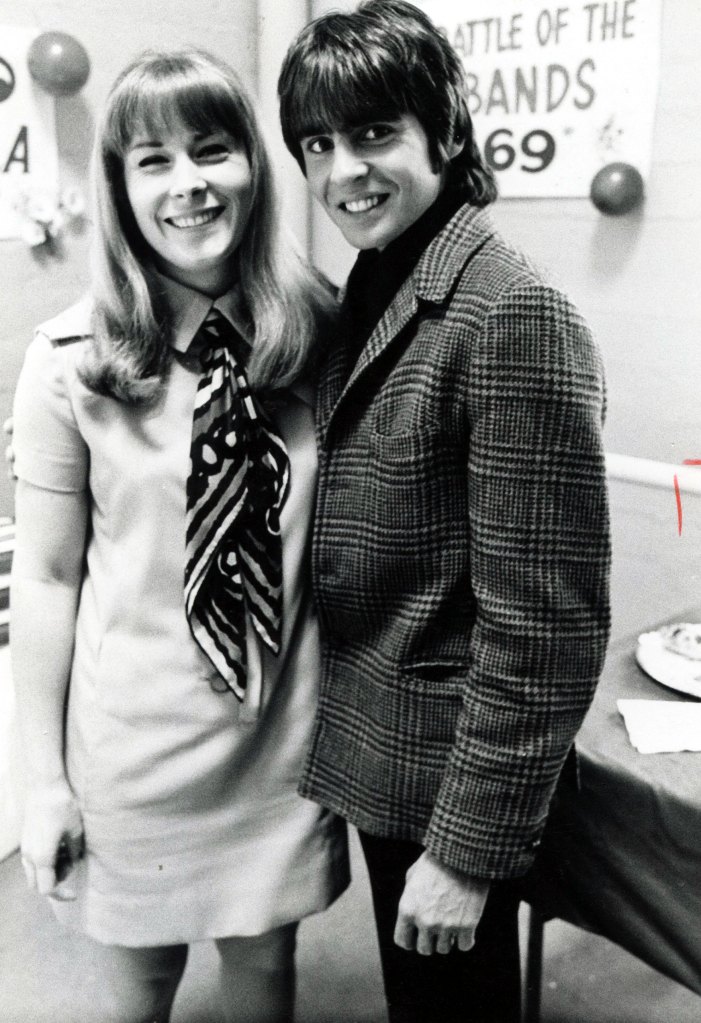
She also remembers the camaraderie that existed among the band—especially early on. “They were tight. They were going through this whirlwind together and I think they were constantly looking at each other like, ‘Can you believe this?’ It reminded me of what I imagine The Beatles felt like in the beginning.”
Despite what’s been written in later years, Ann says her time on set was never anything but wholesome. “I’ve read books saying they had a pot-smoking room—a vault where they’d sneak off and close the door. I had no idea that existed. If they were discreet because I was around, then it worked. I didn’t find out about that until 50 years later.”
She remembers Mike smoking cigarettes in his dressing room, even taping empty packs to the wall in a kind of nicotine mosaic. “Back then, it didn’t bother me. Now I can’t be around smoke at all. But it was just part of the atmosphere.”
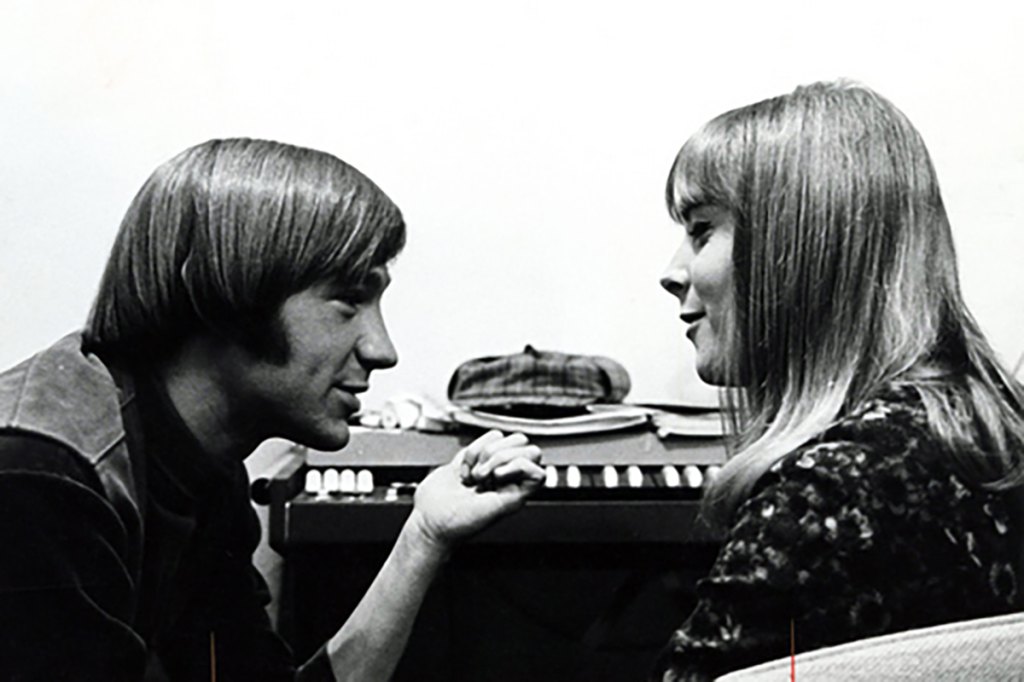
And for all the personality quirks, there was never a time Ann didn’t feel welcome. Even when the guys were tired or distracted, they’d always come back to finish an interview. “I never had a bad experience. The set was always casual and fun. I got to know a lot of the crew—Jim Brawley directed most of the episodes, and he was terrific.”
Over the years, Ann’s role at Tiger Beat evolved, but The Monkees remained front and center. “There were just so many stories to tell,” she says. “They were photogenic, charismatic and constantly doing something worth writing about—onstage, offstage, behind the scenes.”
She remembers going to Davy’s house, visiting Peter on off-days, fielding random phone number requests from Micky and even being propositioned by Mike during a joking moment (which she didn’t take seriously and definitely didn’t indulge).


“They knew I wasn’t going to write trash about them,” she says. “We weren’t The National Enquirer. We weren’t about to publish ‘Davy’s Shacking Up With His Girlfriend!’ That wasn’t what we did.”
Instead, Ann gave them something different: a safe, trusted space to be themselves. And in return, they gave her stories, access and a front-row seat to one of the wildest, most unique pop phenomena of the 1960s.
“I never expected that Tiger Beat’s main focus would be The Monkees for three full years,” she says. “But it worked out that way. And I’m really proud of what we did. It wasn’t fluff. It meant something to the readers.”
Even now, more than 50 years later, the comments still roll in. “People tell me those magazines meant everything to them,” Ann says. “It was their connection to a world they couldn’t otherwise reach. And I got to be the one who helped open that window.”
Conversation
All comments are subject to our Community Guidelines. Woman's World does not endorse the opinions and views shared by our readers in our comment sections. Our comments section is a place where readers can engage in healthy, productive, lively, and respectful discussions. Offensive language, hate speech, personal attacks, and/or defamatory statements are not permitted. Advertising or spam is also prohibited.