Humphrey Bogart’s Son Reveals the Untold Story of His Father’s Legacy in New Documentary (EXCLUSIVE)
Stephen Humphrey Bogart shares what surprised him in the new doc and why his father is still so iconic

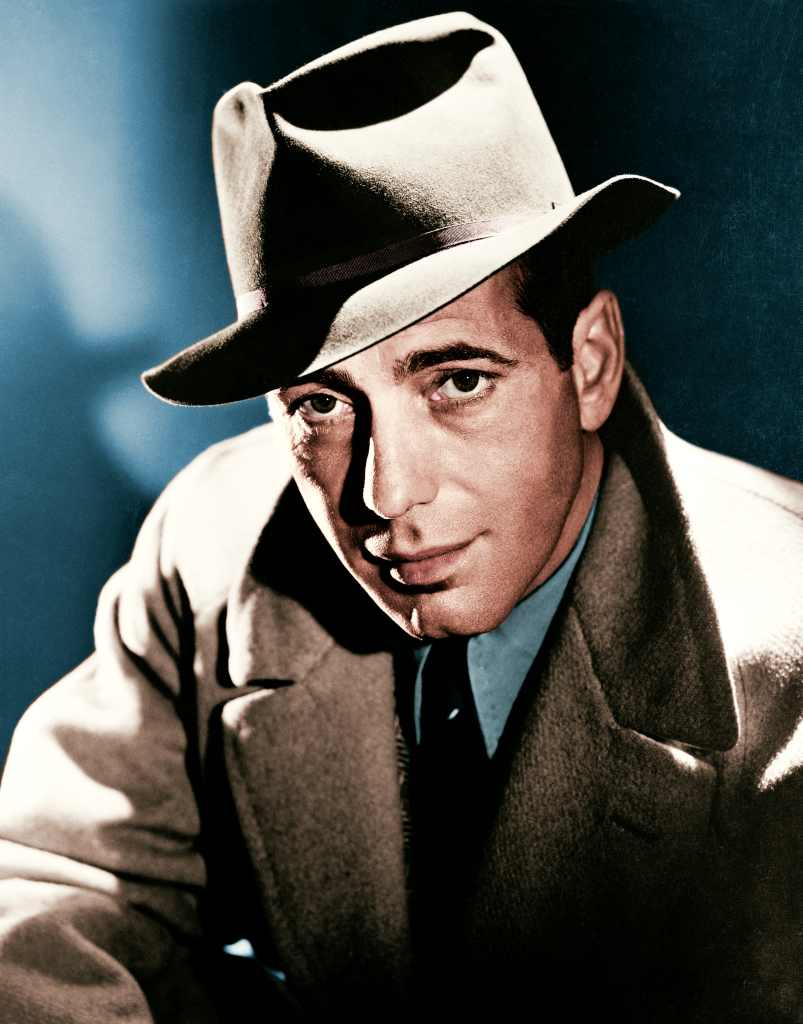
Humphrey Bogart is instantly recognizable for his gritty yet charismatic screen presence, and his roles in classic films like Casablanca, To Have and Have Not and The African Queen have made him a beloved Hollywood figure for over 70 years. While his tough, trench coat-clad characters are cinematic staples, the man himself has always been something of an enigma. Bogart may have become part of a high-profile power couple when he married his glamorous costar, Lauren Bacall, but he maintained a sense of mystery, and sadly passed away in 1957, at 57 years old.
Bogart has long been a subject of fascination, but there’s never been an authorized documentary film about him until now. Bogart: Life Comes in Flashes, now playing in select theaters and available to buy or rent on demand on December 10, looks at Bogart through the lens of the women closest to him. By doing a deep dive into his relationship with his mother and his four wives and using previously unseen archival materials, the film reveals new facets of the singular star.
Bogart and Bacall’s son, Stephen Humphrey Bogart, now 75, who executive produced the captivating documentary in addition to providing commentary, spoke to Woman’s World about his involvement with the film and the enduring mythology around his father.
Woman’s World: How did this documentary come together?
Stephen Humphrey Bogart: We got contacted by Kathryn [Ferguson, the director] who went to Universal and suggested this project, and I said that if it was going to be the same old, same old thing that they do with actors that made a lot of movies—just showing movie, movie, movie, movie—I wasn’t going to do it, because that’s been done.
But when she came with this unique respect and a unique perspective on the documentary, I said, “Well, that’s fantastic.” I didn’t know how it was going to come out, because I didn’t know the answer to the arc of his career taken from this perspective, but I was definitely all in for it because it was different, and it had to be different, otherwise there was no point in doing it.

WW: What did your role as executive producer entail?
SHB: From my perspective, I was there when there were questions to be asked—identifying people, finding certain pieces of video, asking about the veracity of certain things. It’s different from being an executive producer of a [non-documentary] movie, because they don’t really do anything except throw in money. I did the voiceovers, and I’m here doing these interviews and promoting the film. I didn’t have any say on the day-to-day making of the film, because I’m not nearly as good as Kathryn, so how am I going to tell her what to do? And I’m glad I didn’t, because it turned out fantastic.

WW: Were there things in the documentary that surprised you?
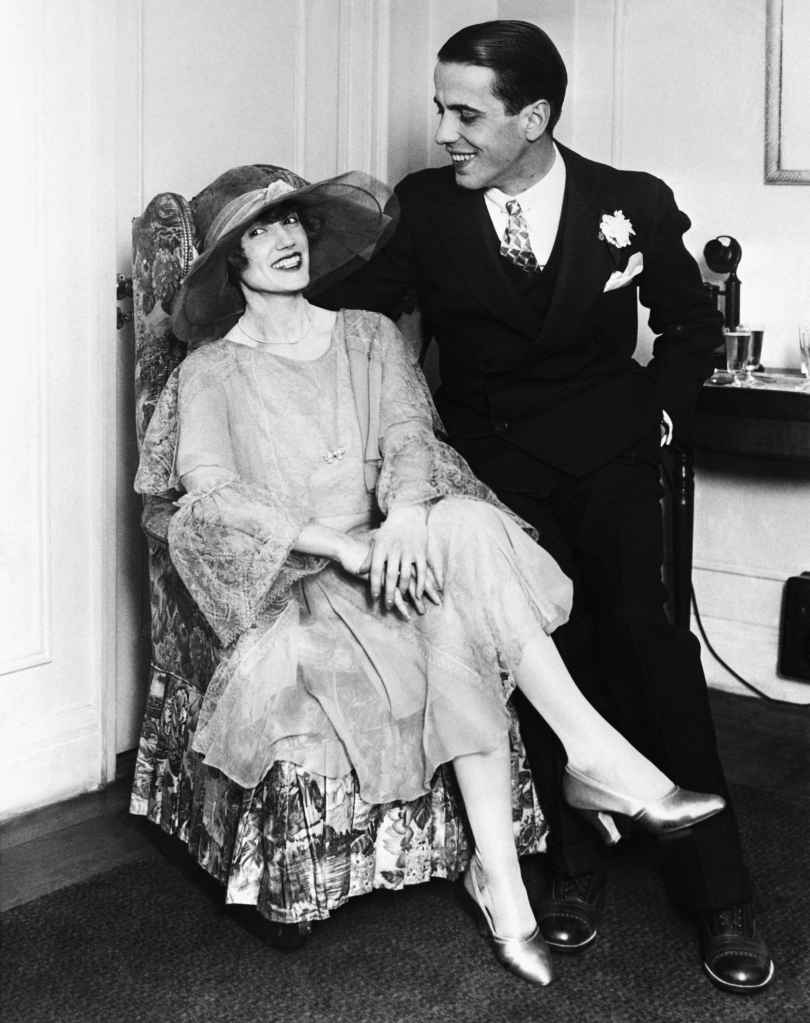
SHB: The whole way it was presented, I’d never thought of any of that stuff before. I knew about the women, I knew about Helen [Menken, Bogart’s first wife] and Mary [Philips, Bogart’s second wife] and Maud [Humphrey, the actor’s mother] and my mother, but I’d never thought about it from that perspective, so the whole movie was just totally surprising to me.
I knew that Maud was a tough old bird, but I didn’t know that she basically kicked him out of the house and said he had to do things on his own. I knew he went into the Navy, but I didn’t know the reason he went was just because he got kicked out of boarding school. And how he met Helen, and the fact that Mary came out to California and he wanted her to stay and have kids and she wanted to go back to the theater, and the influence that Mayo [Methot, Bogart’s third wife] had on his career. It was very interesting and different for me.
WW: What do you hope audiences take away from the documentary?
SHB: I think it’s different from any documentary that people have seen about any star. It’s not the cookie-cutter. It’s something that’s got depth, and it’s interesting and spectacularly well done. I don’t know that people need to know more about my father unless they’re huge fans, but I think seeing the effect of women in his life might get people thinking about the women in their own lives.

WW: Do you feel like there are misconceptions about your father?
SHB: He never finished high school, but he was a really smart guy and he was well-read and he made a living playing chess. I think that people look at him with this aura as an actor, but he’s one of those actors where other than with my mother, his personal life has really not been scrutinized. He kept out of the limelight when he was alive. People delve into certain aspects of his life, but he seemed to be separated from that, because of how he lived. He didn’t go to parties, he had his own parties. He was kind of a loner.

WW: Having lost your father at such a young age, was watching the documentary an emotional experience for you?
SHB: I’ve been dealing with being his son and growing up with this for 75 years now, so the emotions are gone. You learn to bury your emotions when your father dies that young, and I’ve seen the movies and heard people talk about him—the whole thing. So it wasn’t an emotional thing for me. I was looking at it from a film perspective: Is it good? Does it tell a different story? And it sure did.

WW: What was your experience of growing up with famous parents like?
SHB: It wasn’t fun. I tried to get away from it for many, many years. When I left school, I just wanted to not be the son of Humphrey Bogart. I was looking to find out who I was, so if you met me, you would know me as Steve. You would not get my last name, because if you get the last name all of a sudden it’s “Oh, are you him? Oh, really? Well, I love your father.” It just got boring.
I wanted to be accepted for who I was, and I ended up in a small town in Connecticut. If you’ve ever lived in a small town, you know that people in small towns or Middle America don’t care who you are or who your parents were. If you’re a jerk, you’re going to be a jerk. And if you’re a good person, you’re a good guy. I wanted to live a life where people would know me for me, and I wouldn’t have that other burden, so I could be sure of, “Oh, this is why you’re my friend. Because you actually like me,” as opposed to just because of him. I still get that sometimes and I hate it.

WW: When did you first become aware of just how famous your parents were?

SHB: I became aware at the funeral with all the people. Before then, as a kid I played with Liza Minnelli, but she was just Liza. I played with Steve Khan, who was the son of Sammy Cahn who wrote “Three Coins in the Fountain” and did a lot of Sinatra stuff. I took piano lessons with Frankie Sinatra Jr. and Tina Sinatra. They were all just people that I knew. But once the funeral happened and all the press was there, that was a big wake-up call for me.
WW: Do you have a favorite film starring your father?
SHB: I think In a Lonely Place is underrated. My favorite has always been The Treasure of the Sierra Madre. I liked High Sierra, The Desperate Hours—all the action stuff.
WW: Why do you think Bogart has such staying power?
SHB: Boy, I wish I knew, because if I did, I could bottle it. He died young, he was a great actor, he made great movies. He was own man, he was an activist, he was kind of a brooding loner, but as far as what has kept his legacy going, even now, all these years after his death, I really have no idea. It’s like a flash in the pan.
There are other people—Cary Grant, Clark Gable, James Cagney—you can go down the list, and somehow, even though they’re great actors, they made great movies, there’s just something about my father and mother and them getting together and the whole Bogie and Bacall aura that took hold, and somehow, someway, here we are, 67 years after his death, still talking about him. To me, it’s unexplainable.
Conversation
All comments are subject to our Community Guidelines. Woman's World does not endorse the opinions and views shared by our readers in our comment sections. Our comments section is a place where readers can engage in healthy, productive, lively, and respectful discussions. Offensive language, hate speech, personal attacks, and/or defamatory statements are not permitted. Advertising or spam is also prohibited.