The Beatles 1964 Timeline: A Year in the Life of the Fab Four Revealed in Words and Dozens of Photos
From 'The Ed Sullivan Show' through the making of 'A Hard Day's Night' and their first American tour

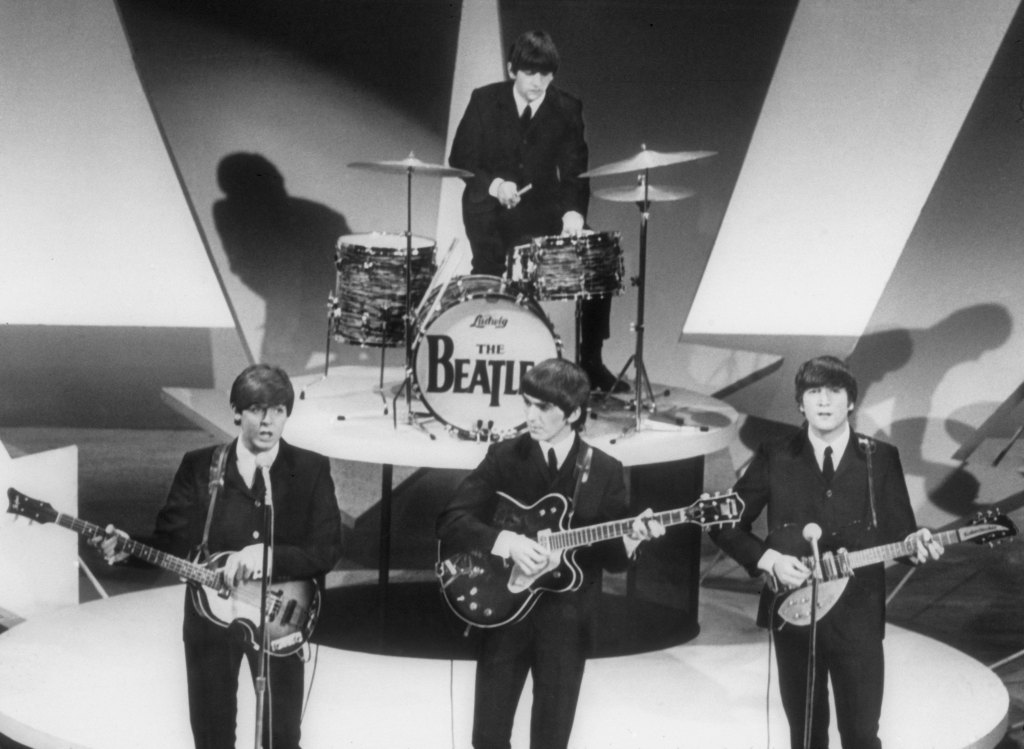
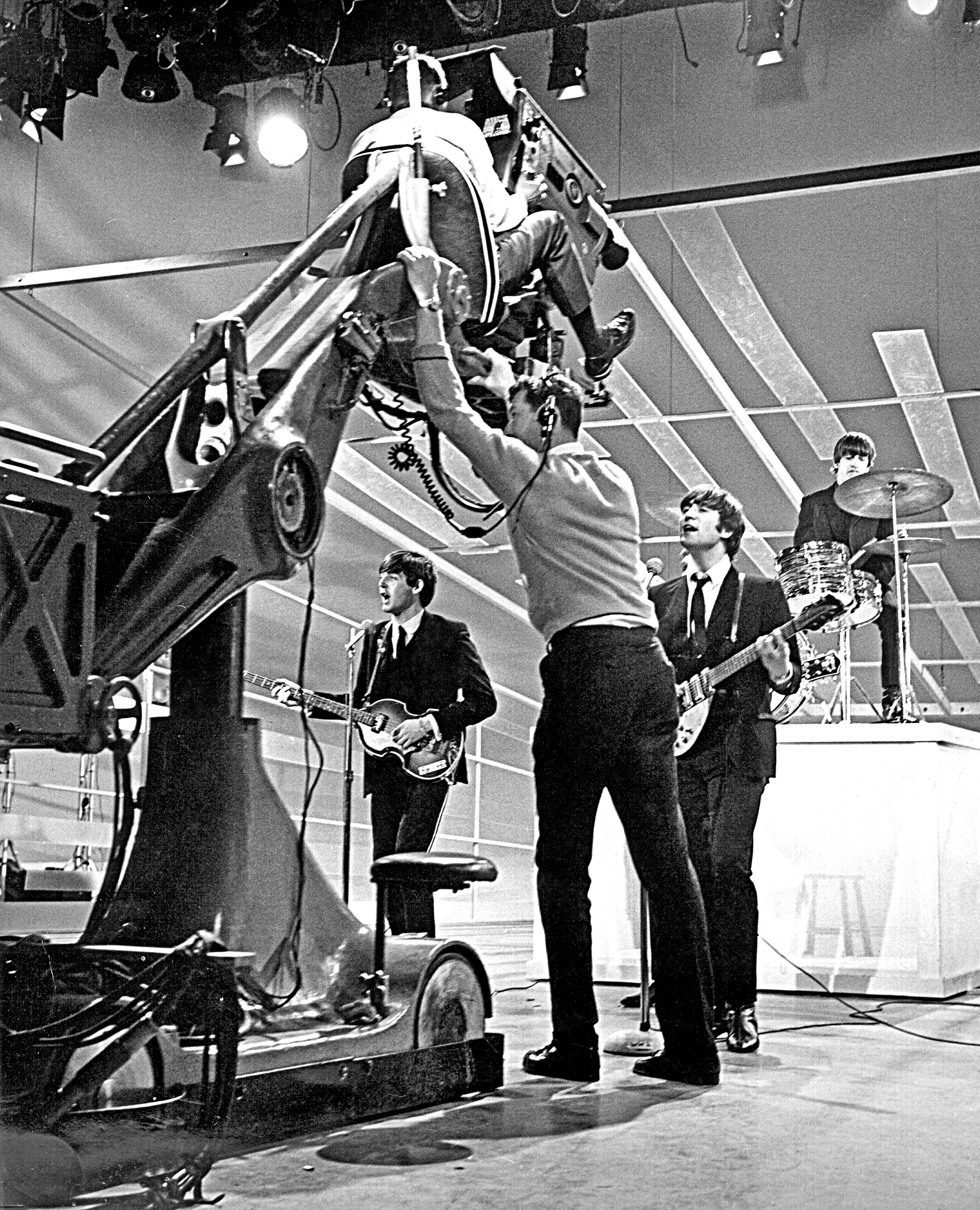
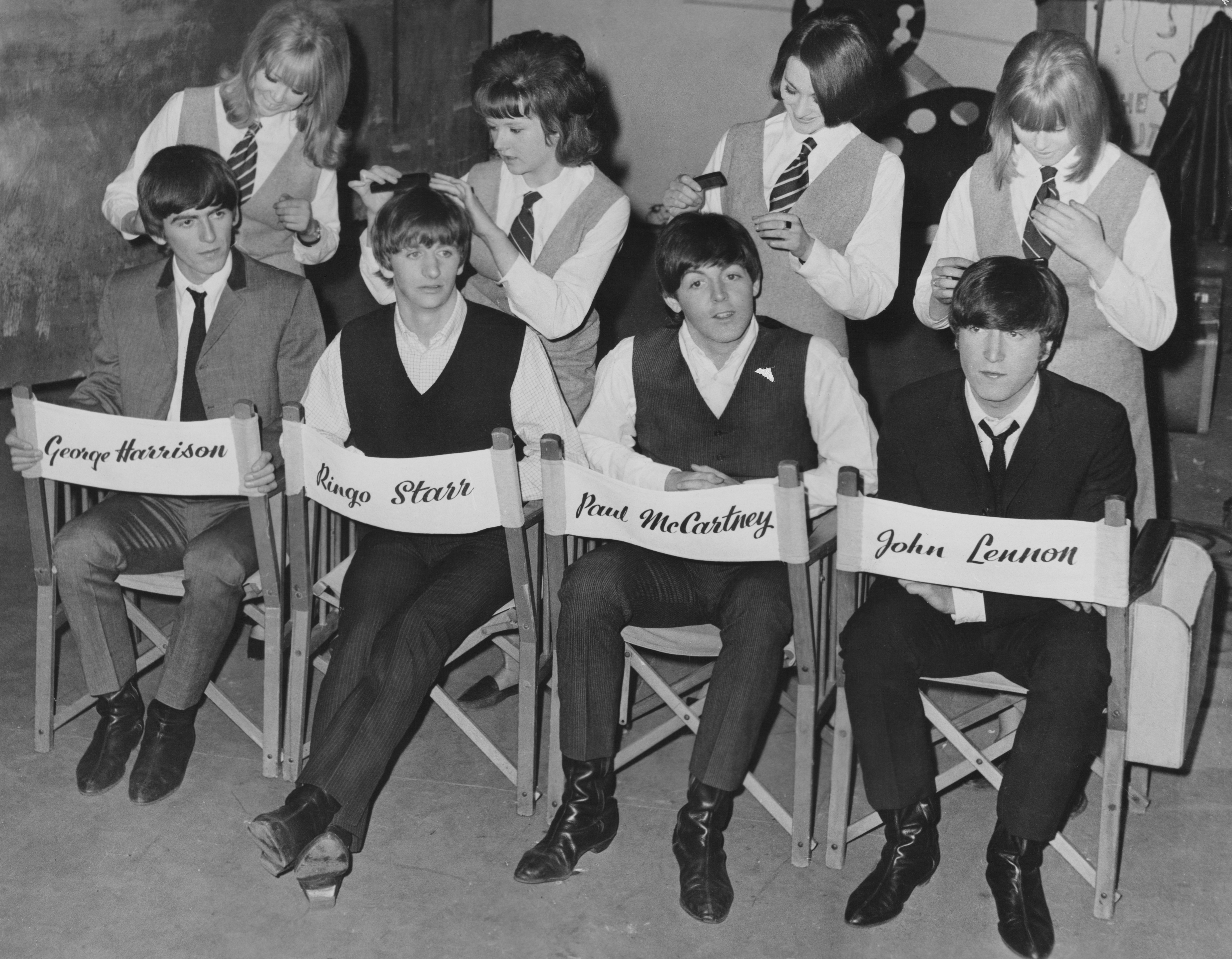
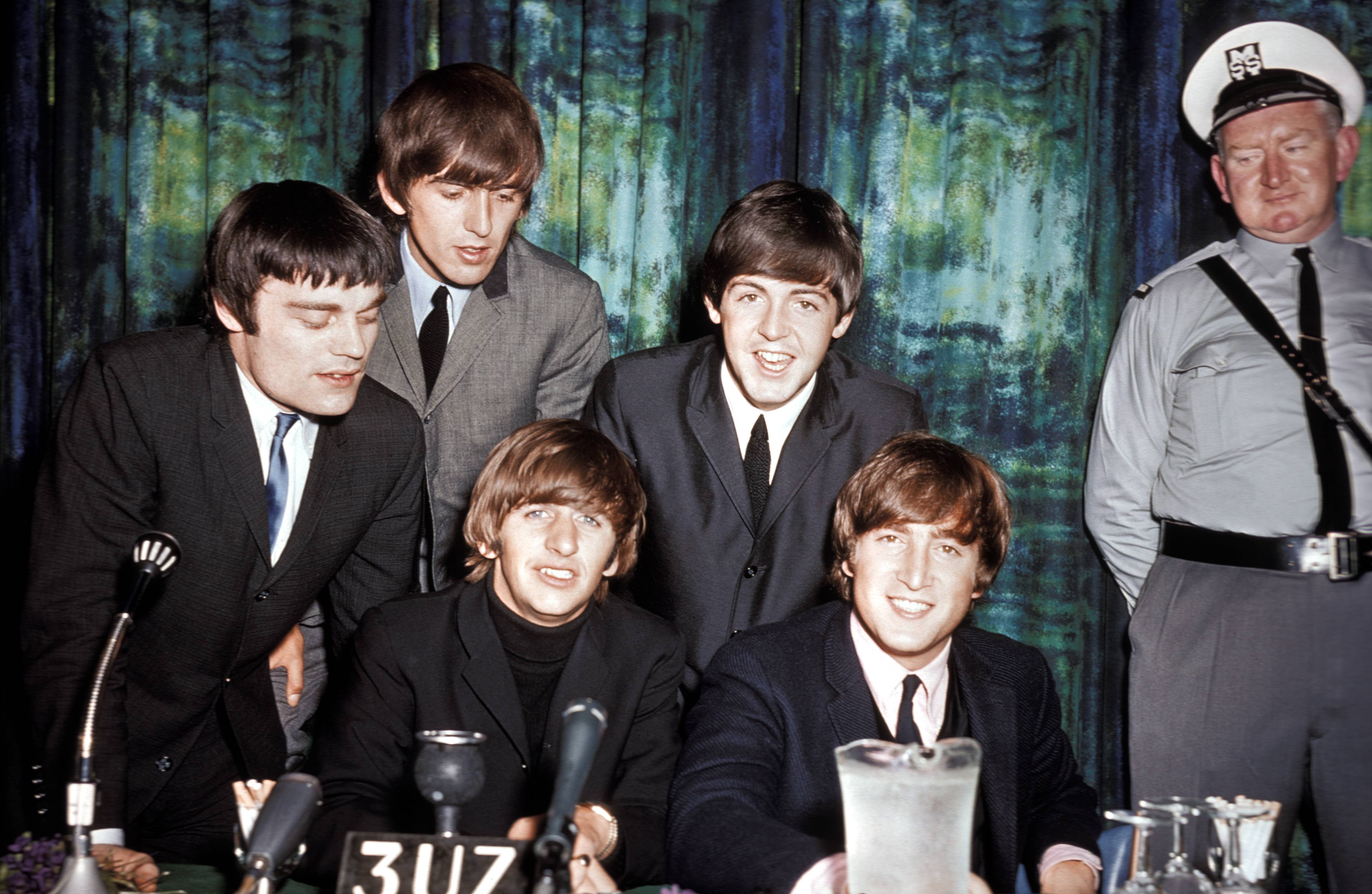
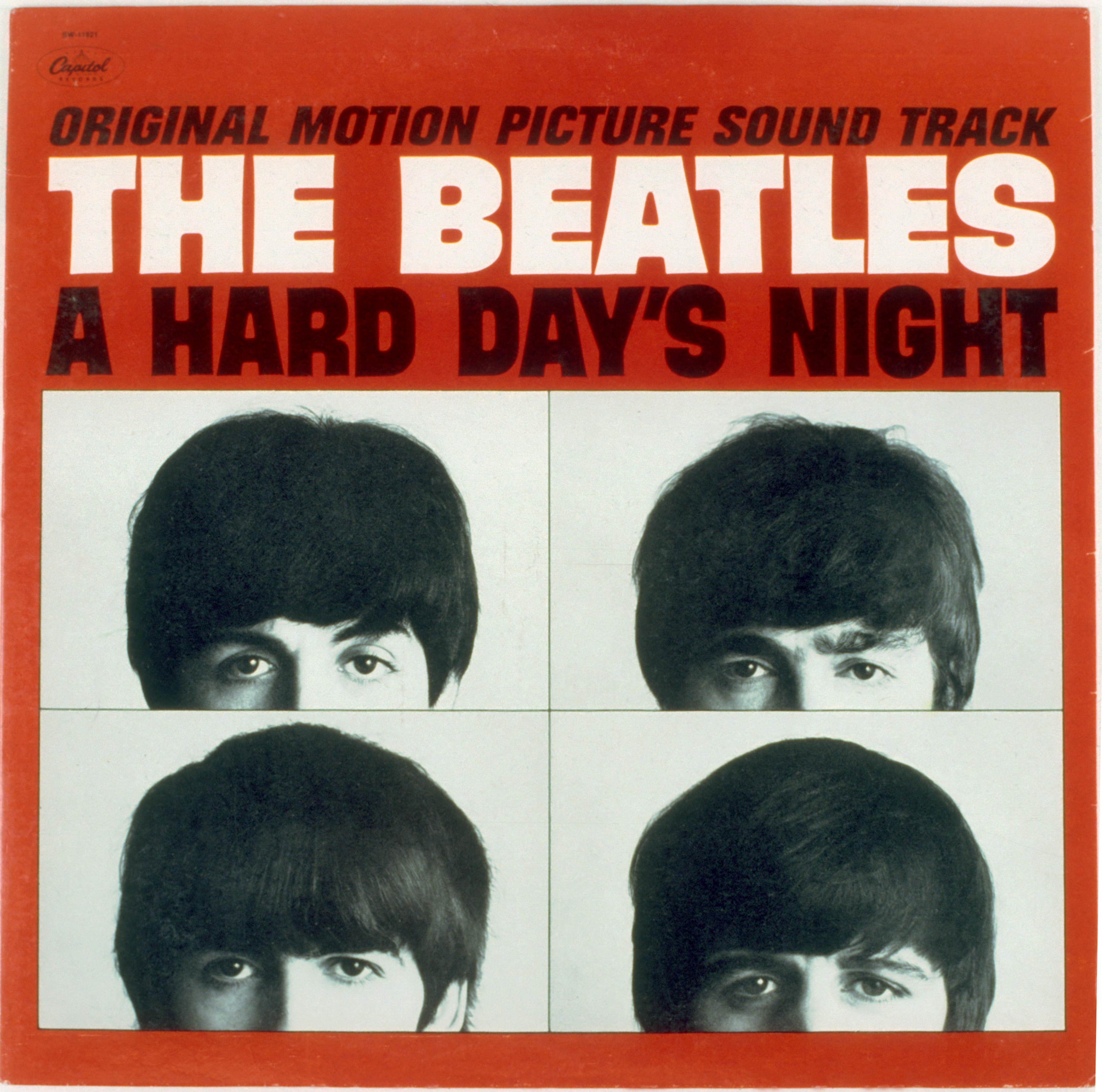
The impact of The Beatles on the world in general and the United States in particular in 1964 really can’t be measured. “Beatlemania” is a nice way to sum it all up in a single word, yet it simply can’t capture everything that went on in those 12 months, ranging from the insanity of their appearance on The Ed Sullivan Show through the making and release of their film, A Hard Day’s Night, and their first tour of America and Canada.
While Disney+ will be debuting the Martin Scorsese-produced documentary Beatles ’64 on November 29, we look at that year in two distinct ways: a behind-the-scenes “tour diary” that chronicles all of the major events during their time on the road in 1964, followed by a breakdown of everything else that went on in between concert performances.
1964 TOUR DIARY
February 1964
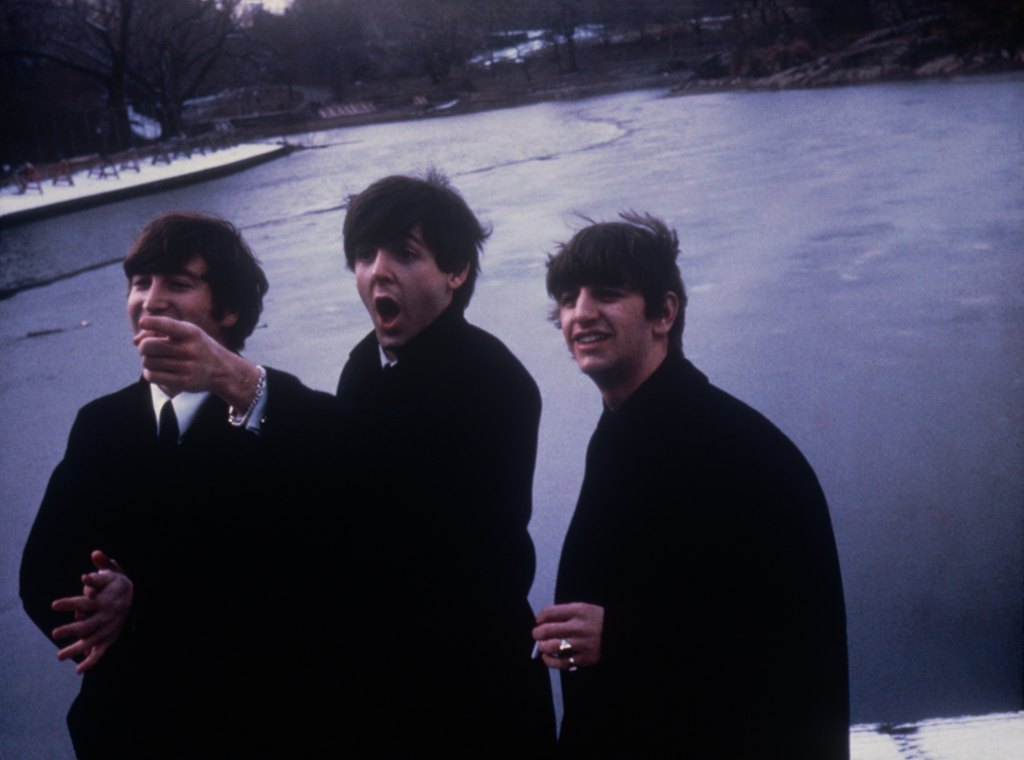
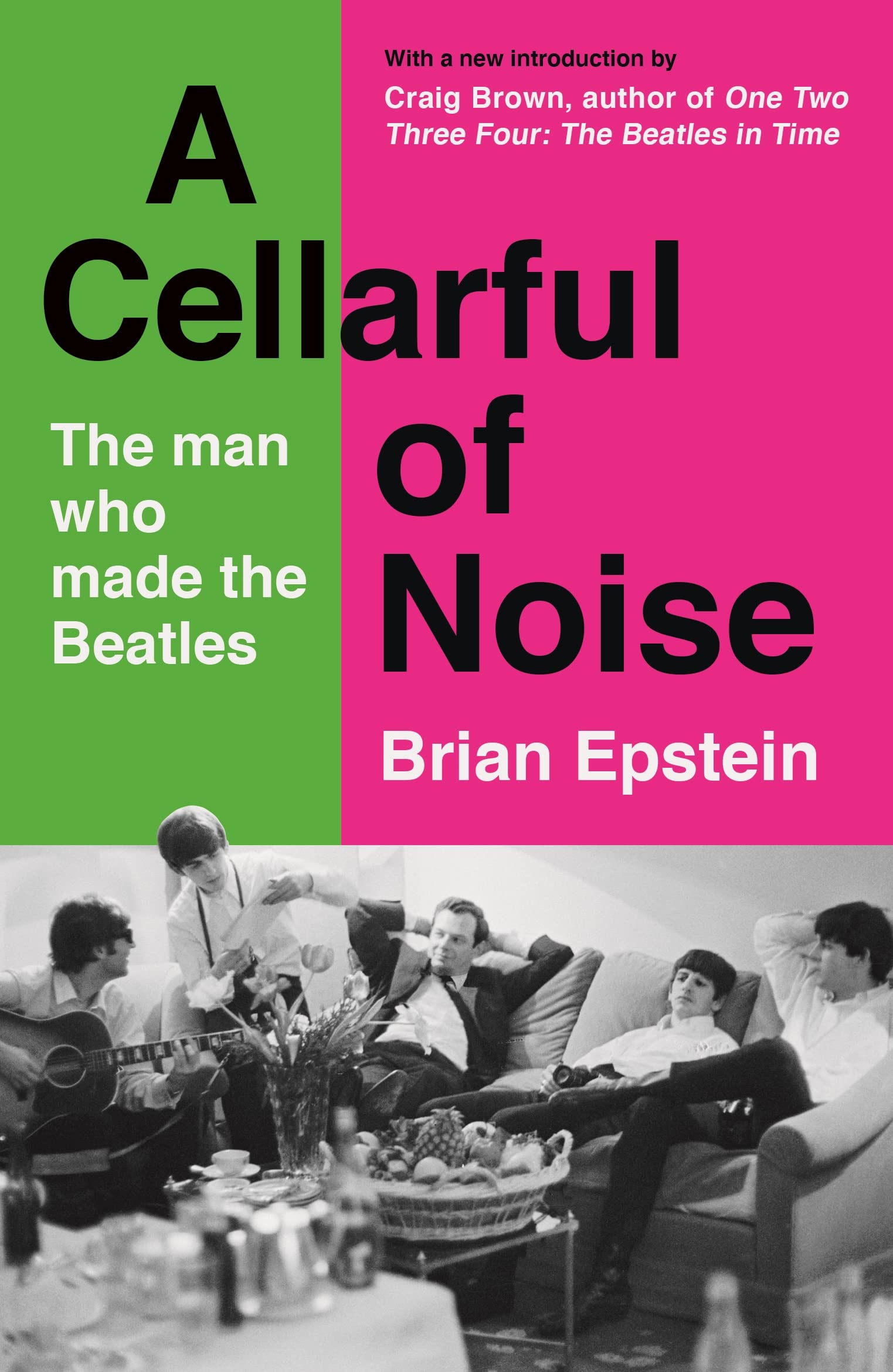
February 11: The Beatles travel from New York via train to perform at the Washington Coliseum. The original plan was for them to fly, but a snowstorm changed the mode of transport. WINS reporter Murray The K, who broadcast his radio show from The Beatles’ hotel suite at the Plaza Hotel in New York, is the one who alerted the group and manager Brian Epstein to the potential weather problems.

“I told Brian he’d better hire a train,” the late disc jockey told writer Martin A. Grove. “I told him to make arrangements to get a special train to get to Washington, because they weren’t going to be able to fly out of New York…. We went down to Washington and had a lot of fun on the train. We almost got killed when we got off the train. Some 10,000 kids broke through the barriers. I remember being pinned against a locomotive on the outside and feeling the life going out of me, and saying to myself, ‘My God, Murray The K Dies With English Group!’ I wondered what my epitaph would be. George Harrison looked at me and said, ‘Isn’t this fun?’”

The Beatles played an 8:30 PM concert at the Washington Coliseum, their first concert performance in America. Things went well… except for the group being pelted with thousands of jelly beans.
“They don’t have soft jelly babies here [in America],” George said to a New York reporter, relating that in England they mentioned how much they loved jelly babies, which was something American fans picked up. “They have hard jelly beans. To make matters worse, we were on a circular stage, so they hit us from all sides. Imagine waves of rock-hard little bullets raining down on you from the sky.”

Things got decidedly darker after the concert when John Lennon, Paul McCartney, George Harrison and Ringo Starr attended a private ball held at the British embassy where chaos erupted when the young daughters of dignitaries got out of hand in their passion for the group, with one of them actually having the nerve to clip off a bit of Ringo’s hair. Needless to say, things pretty much came to an end there when Ringo stormed off, followed by the others. Reflected John, “Some bloody animal cut off Ringo’s hair. I walked out of that, swearing at all of them. I just left in the middle of it.”
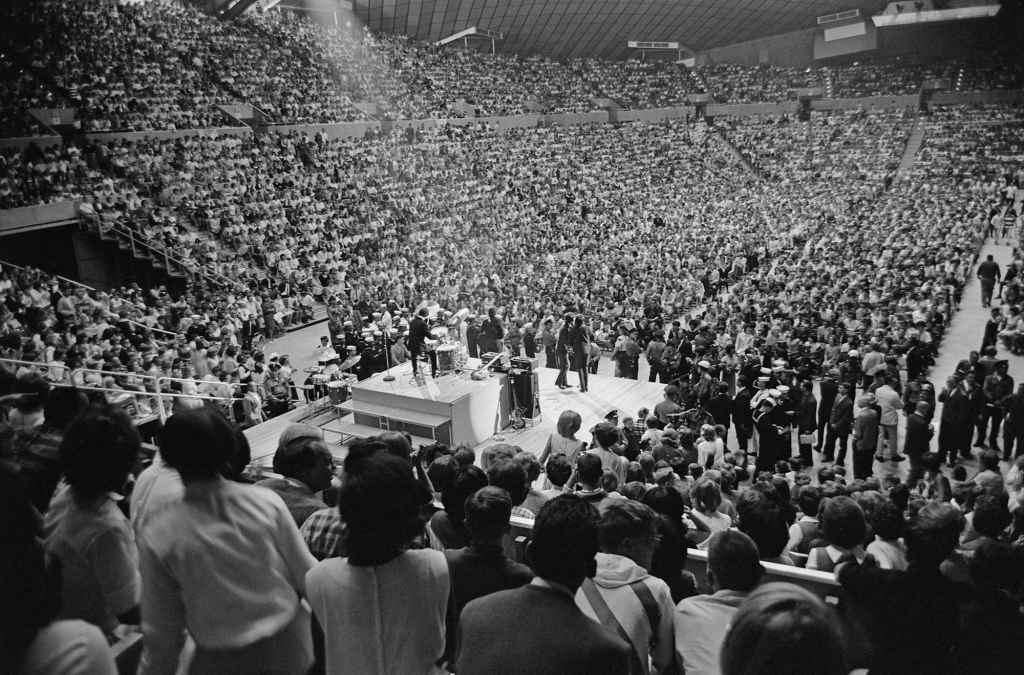
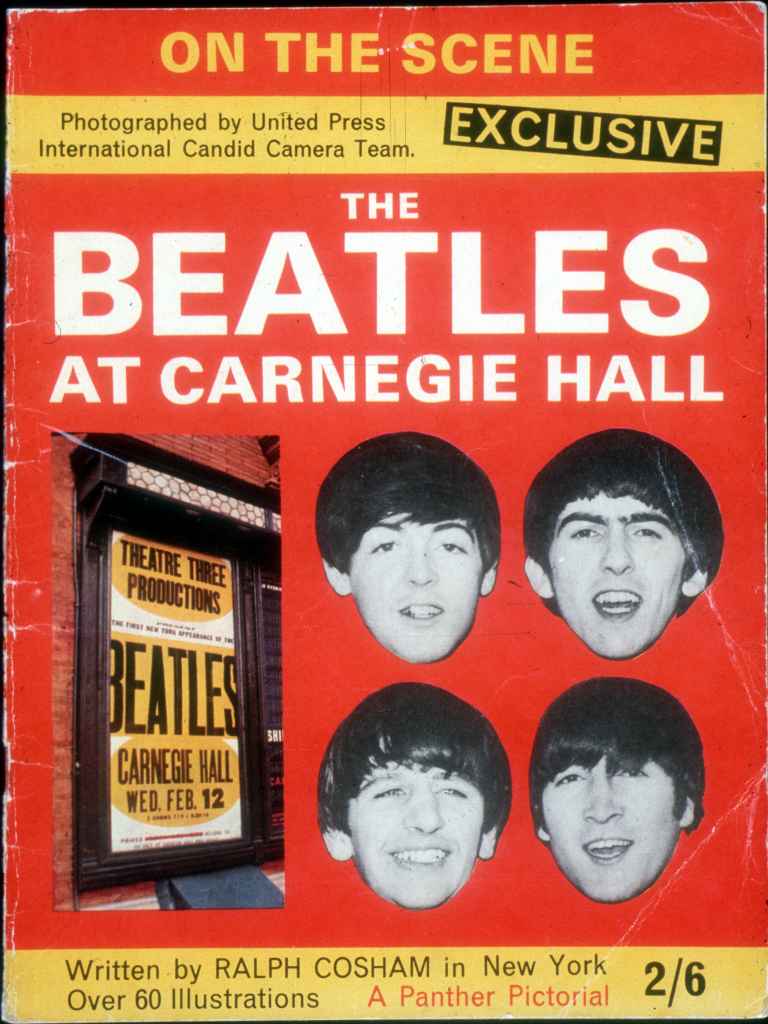
February 12: It was back to Manhattan, where the Fab Four played a pair of 25-minute concerts at that city’s Carnegie Hall — a venue that had no idea what it was getting itself into when they allowed the shows to be booked there.
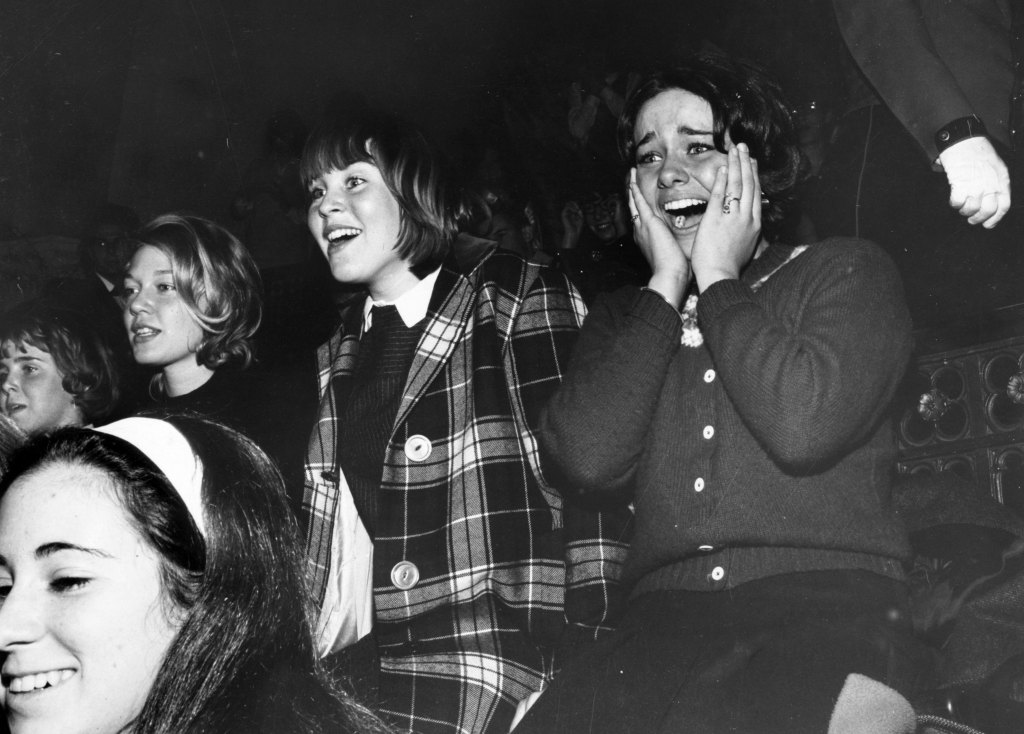
“We had almost 20,000 people behind wooden horses because Carnegie Hall was blockaded from 57th all the way around to 56th,” recalled the late Sid Bernstein, promoter behind the concerts. “The police estimated that there were at least 20,000 people waiting to get a glimpse of them. The kids were not very violent, but very exuberant. There was a lot of tears and a lot of screaming. Carnegie Hall didn’t have to worry about its sacred property or paintings on the wall. They shook a little bit and they asked me never to come back again. You know, by the time 1964 rolled around, The Beatles were a household word in America, and my long-shot guess turned out to be a very important one for me. We sold out in one day. There had never been a one-day sell-out in the history of concerts up to that time.”
For his part, John did not look back at the concerts fondly: “The acoustics were terrible and they had all these people sitting on the stage with us and it was just like Rockefeller’s children backstage and it all got out of hand. It wasn’t a rock show; it was just a sort of circus where we were in cages. We were being pawed and talked at and met and touched, backstage and onstage. We were just like animals.”
February 13-21
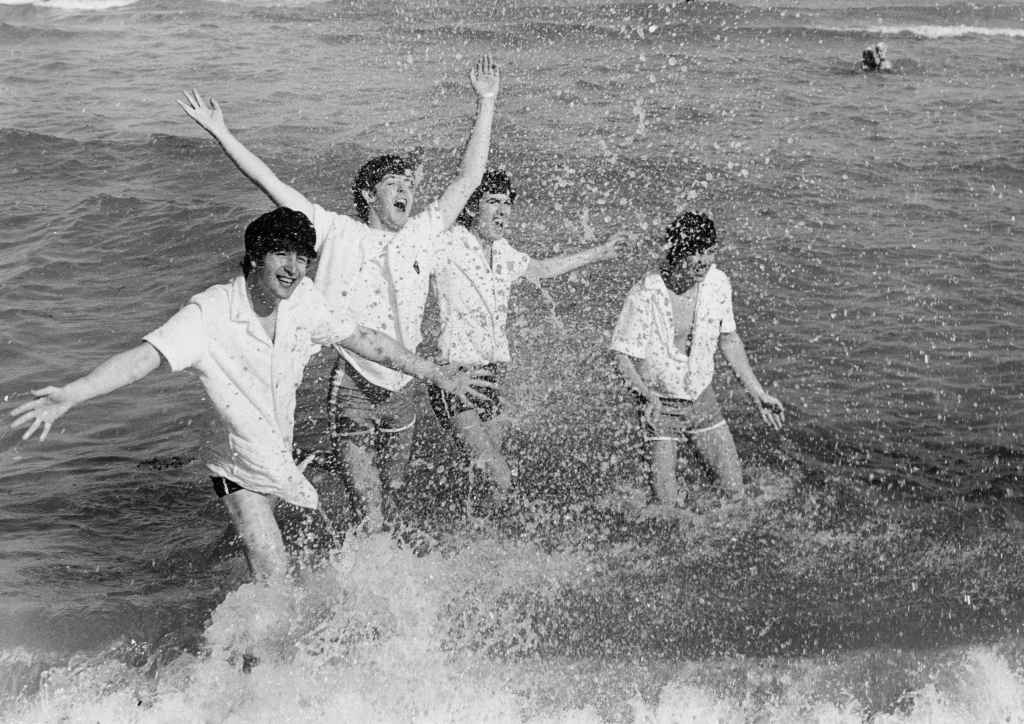
The guys traveled to Miami, Florida for business and pleasure. They performed there on The Ed Sullivan Show, representing the first time a music act had returned (the contract between Sullivan and Brian Epstein was actually for three appearances, the last of which would be pre-recorded) and did a photo shoot with Life magazine. After that, they had some down time, gaining use of a yacht and enjoying some fun in the Miami sun.
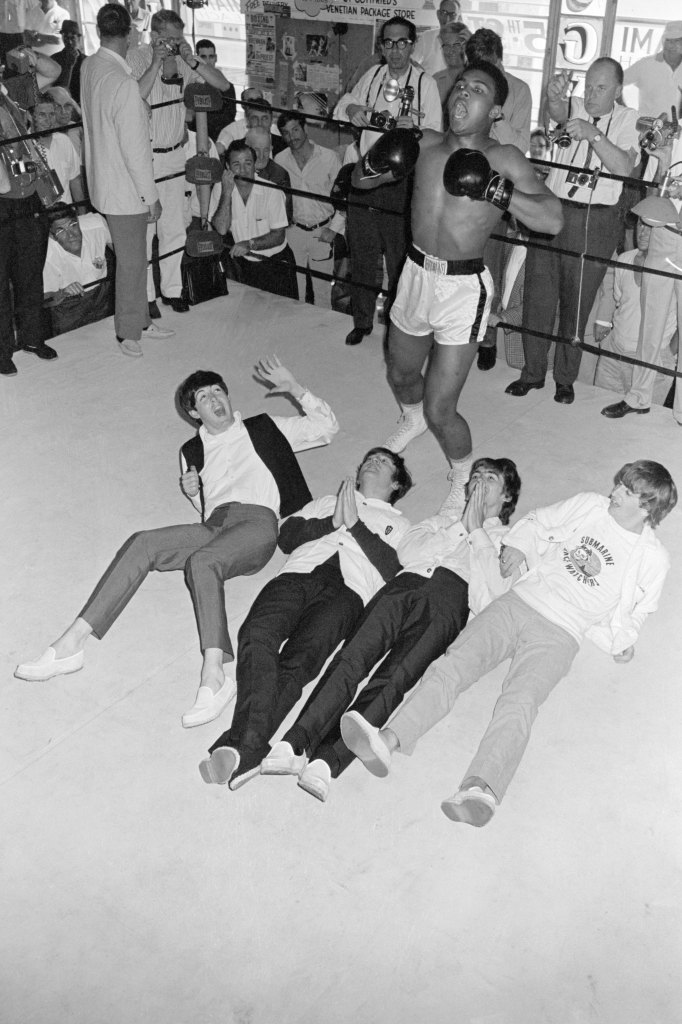
On the 18th, a photo shoot was done with the fab foursome and Cassius Clay, soon to win the boxing championship and announce his new name as Muhammad Ali. Said boxing promoter Harold Conrad, “I arranged for The Beatles to come to the gym to see Cassius Clay, but he didn’t know who they were. When he met them, they were all up in the ring together, talking about how much money they made. So, Cassius pulls out a line he uses all the time; he looked at them and said, ‘You guys ain’t as dumb as you look,’ and John looked him right back in the eye and told him, ‘No, but you are.’”
“Miami was incredible,” Paul enthused. “It was the first time that we had seen police motorbike outriders with guns. I’ve got photographs that I took out of the car windows. It was amazing. It was a big time for us, obviously, and there were all these lovely, gorgeous, tanned girls. We did a photo session by the beach and immediately asked them out.”

Laughed George, “We thought we had America with us after the welcome at Kennedy Airport, but that was nothing to what was waiting for us in Miami. The fans were breaking airport windows to get near us and eight cops on motorbikes took us right through red lights to escape the fans chasing us.”
February 22: The Beatles headed back to England for the next six months.
August 1964
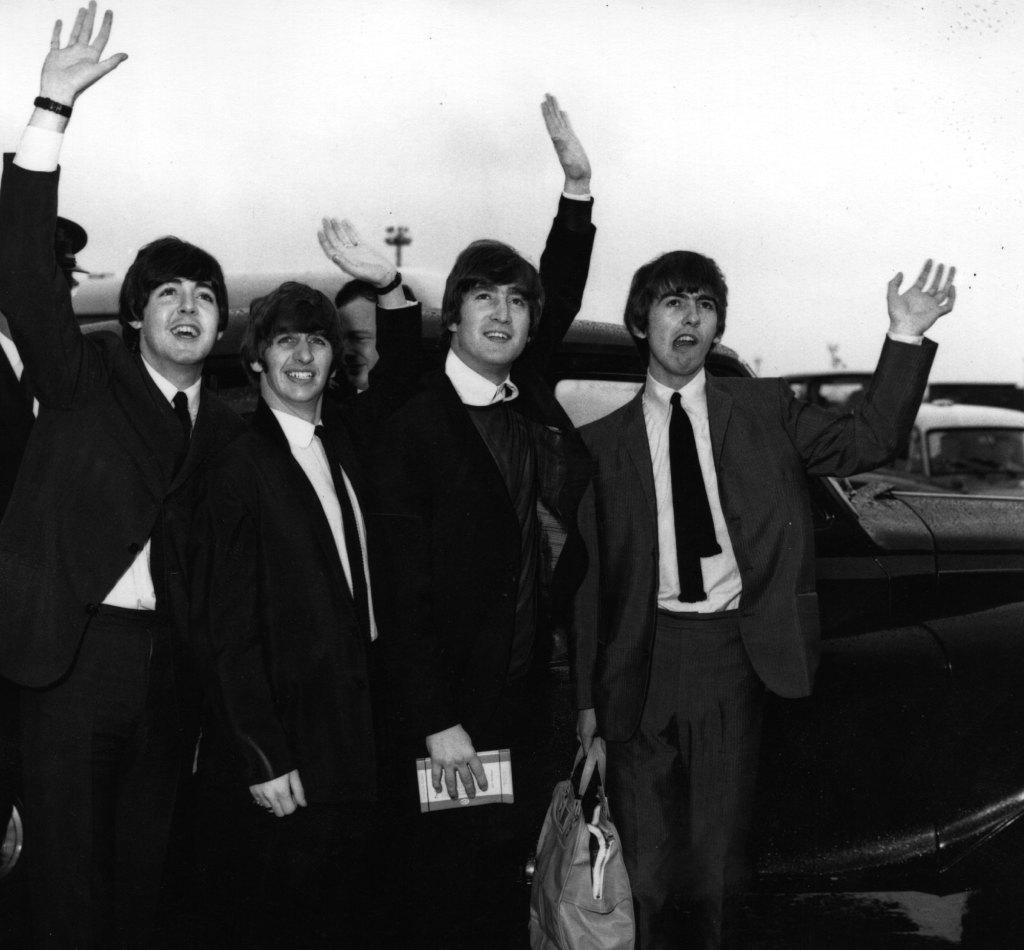
AUGUST 18: The Beatles departed London for America to arrive in San Francisco. Said Paul prior to the flight, “If I said we were not excited about the trip, I would be lying. But I am wondering how we will feel when we get halfway through the tour. Sure, we enjoy tours, seeing new places, new people. But we soon get homesick, I am sure that, after a couple of weeks, we shall be counting the days to the end of the trip. This will be the longest period we have been away from Britain, almost five weeks. We know things are bound to be hectic.”
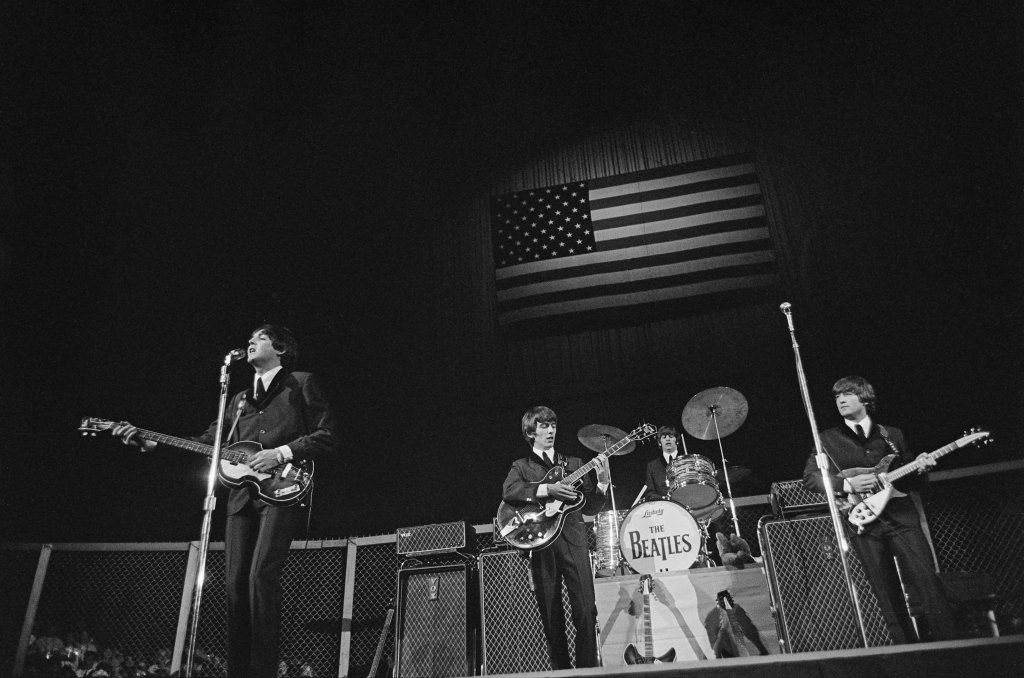
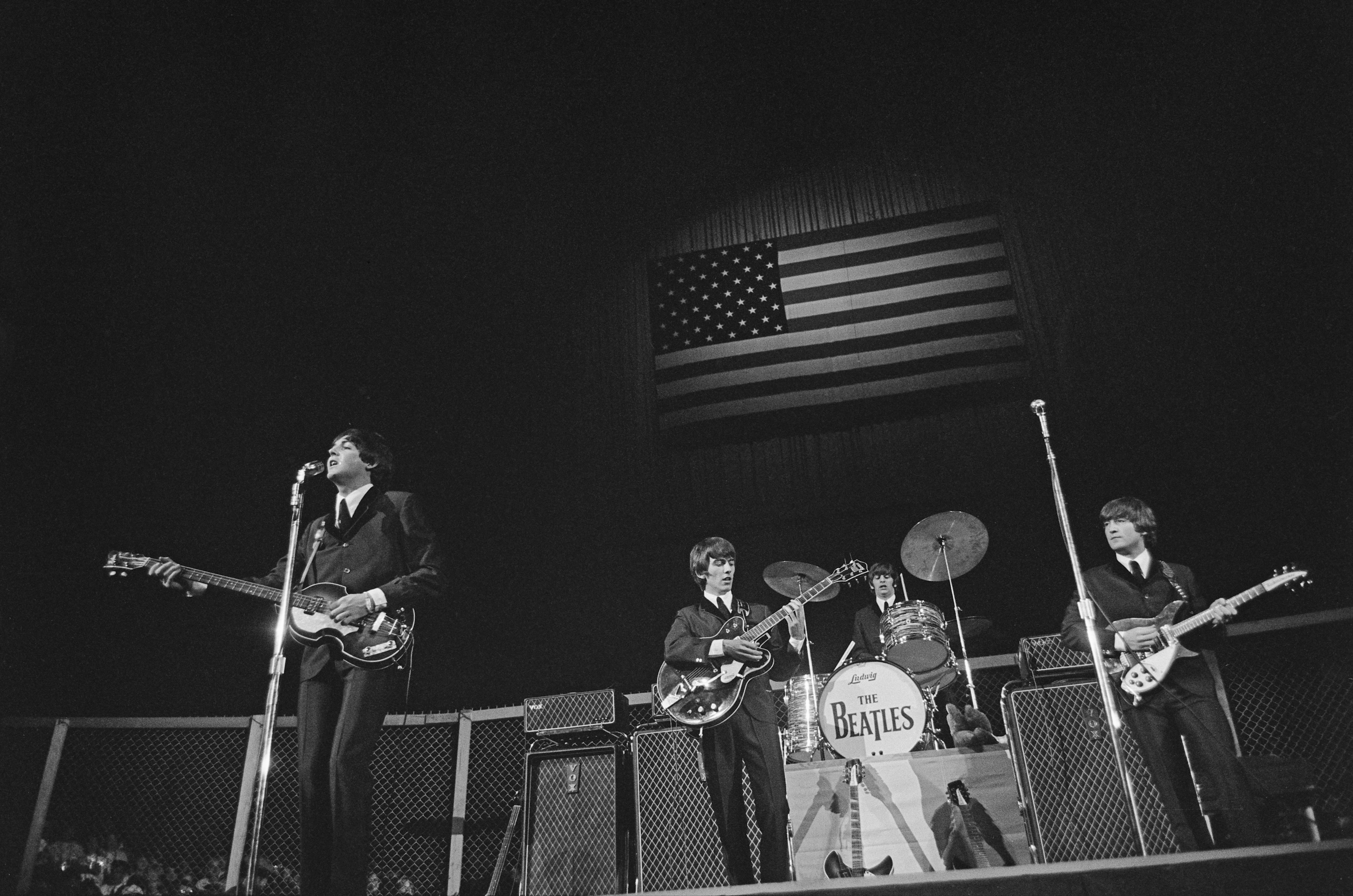
AUGUST 19: The group’s first North American tour kicks off with a concert at San Francisco, California’s Cow Palace.
AUGUST 20: Concert at the Las Vegas, Nevada Convention Hall.
AUGUST 21: Concert at the Coliseum in Seattle, Washington.
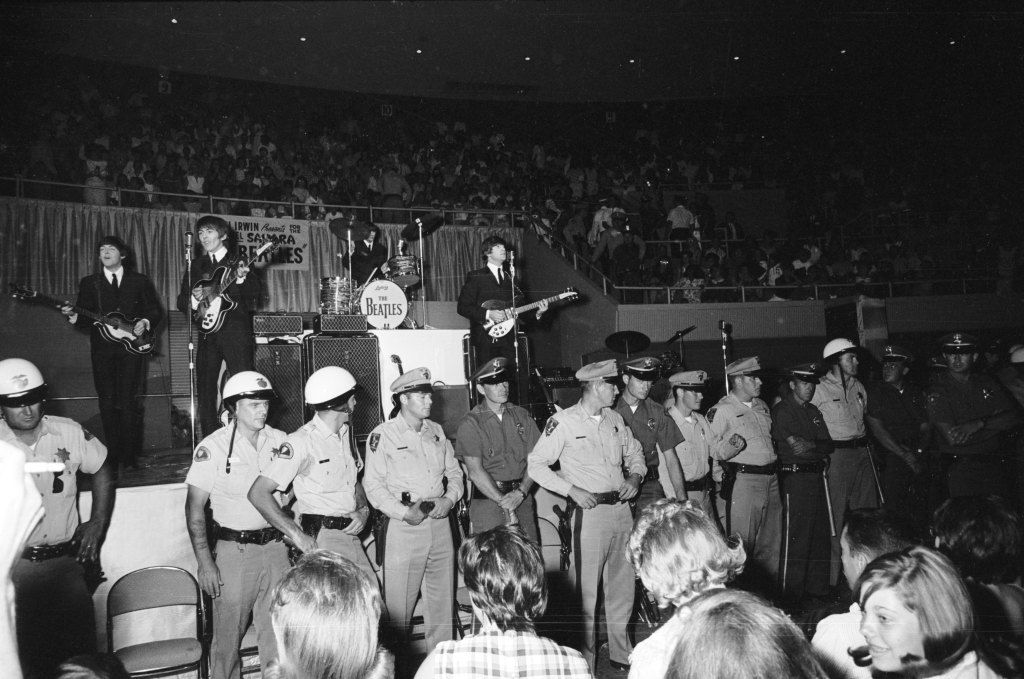
AUGUST 22: The Beatles performed at the Empire Stadium in Vancouver, Canada.
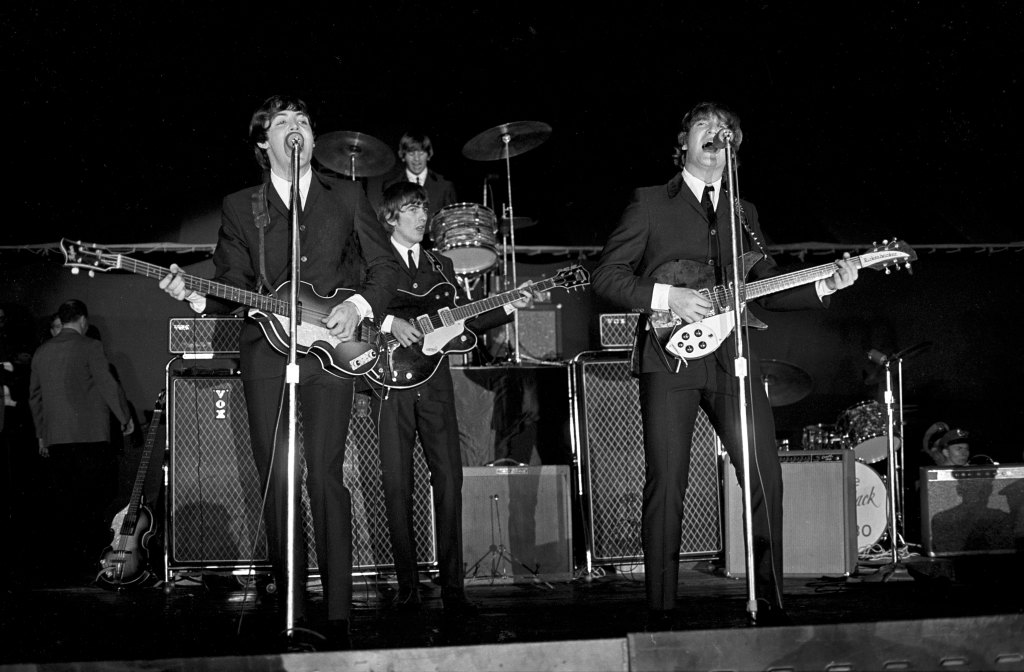
AUGUST 23: At 8 PM the group played a concert at the Hollywood Bowl, which was recorded for a possible album release. Music producer George Martin had flown from Britain to California to arrange for the recording of the concert. “We’re doing it on spec,” Martin explained. “If it comes off well successfully, I think Capitol will make it a souvenir album for the American market only. It will consist of old numbers already familiar in England, so I doubt whether it will get a British release.” That album would finally be issued in May 1977.
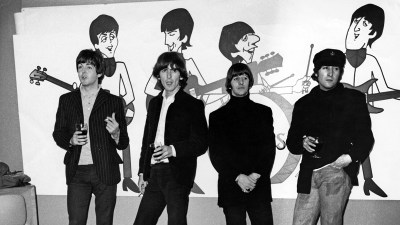
AUGUST 24: The Beatles attend a reception for the Foundation Against Hemophilia at Livingston Garden in Los Angeles, California.
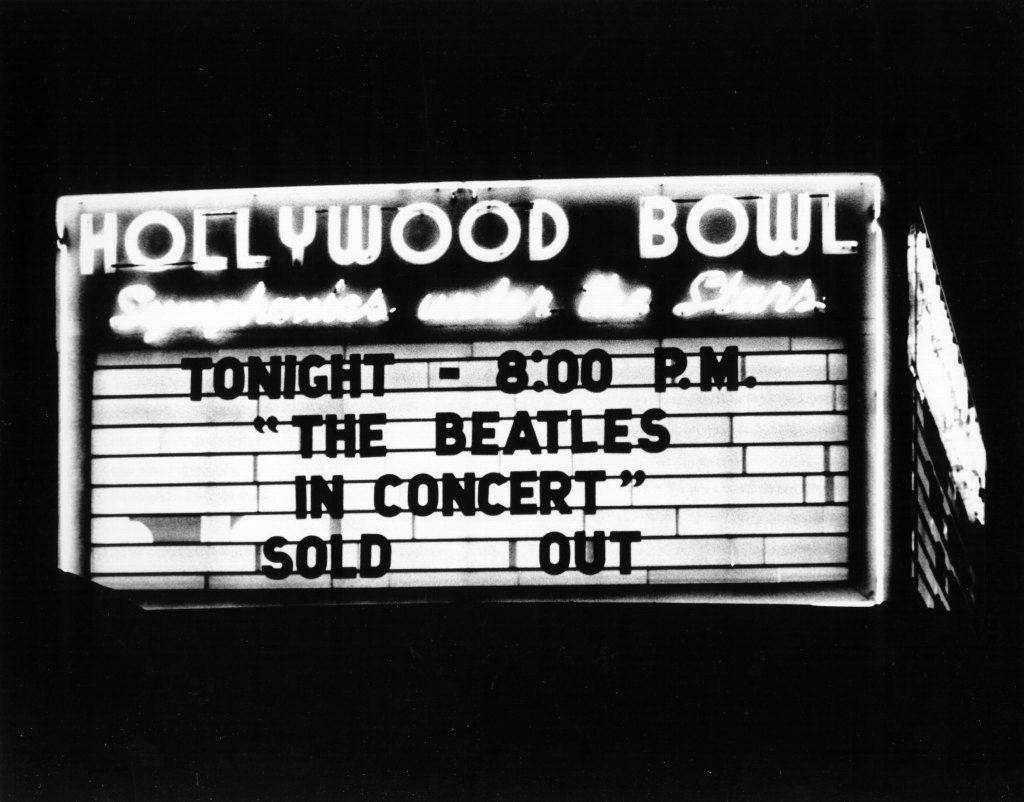
AUGUST 26: During the day, John, George and Ringo met actress Jayne Mansfield at a Hollywood jazz club. Recalled Mansfield, “I had a brilliant idea where we spent the evening at the Whiskey A Go-Go on Sunset Strip. No one would be there but us and a few friends.” That evening, The Beatles gave a concert at Denver’s Red Rock Stadium.
AUGUST 27: Concert at Cincinnati’s The Gardens.
AUGUST 28: The Beatles performed at Forest Hills tennis stadium in New York. That day they also met folk singer Bob Dylan who reportedly turned them on to pot. Of the meeting John said, “We began admiring Bob Dylan during our visit to Paris in January [of 1964] when got a Dylan LP off a DJ who came to interview us. Paul had heard of him before, but until we played that record his name did not mean anything to us. We went potty over the LP Freewheelin’ and tried to get more of his records. During the American tour, somebody said to us, ‘Do you want to meet Dylan?’ and we said, ‘Sure, if he wants to meet us.’ He came up to our hotel room and we did nothing but laugh all night. He kept answering our phone and saying, ‘This is Beatlemania here.’ It was ridiculous. He has got the same sense of humor as we have and our tastes in music, though not the same, cross somewhere. He’s a little fellow. That surprises you at first, because, from his singing, you somehow imagine him as a tall man. He is about Ringo’s height and very thin.”
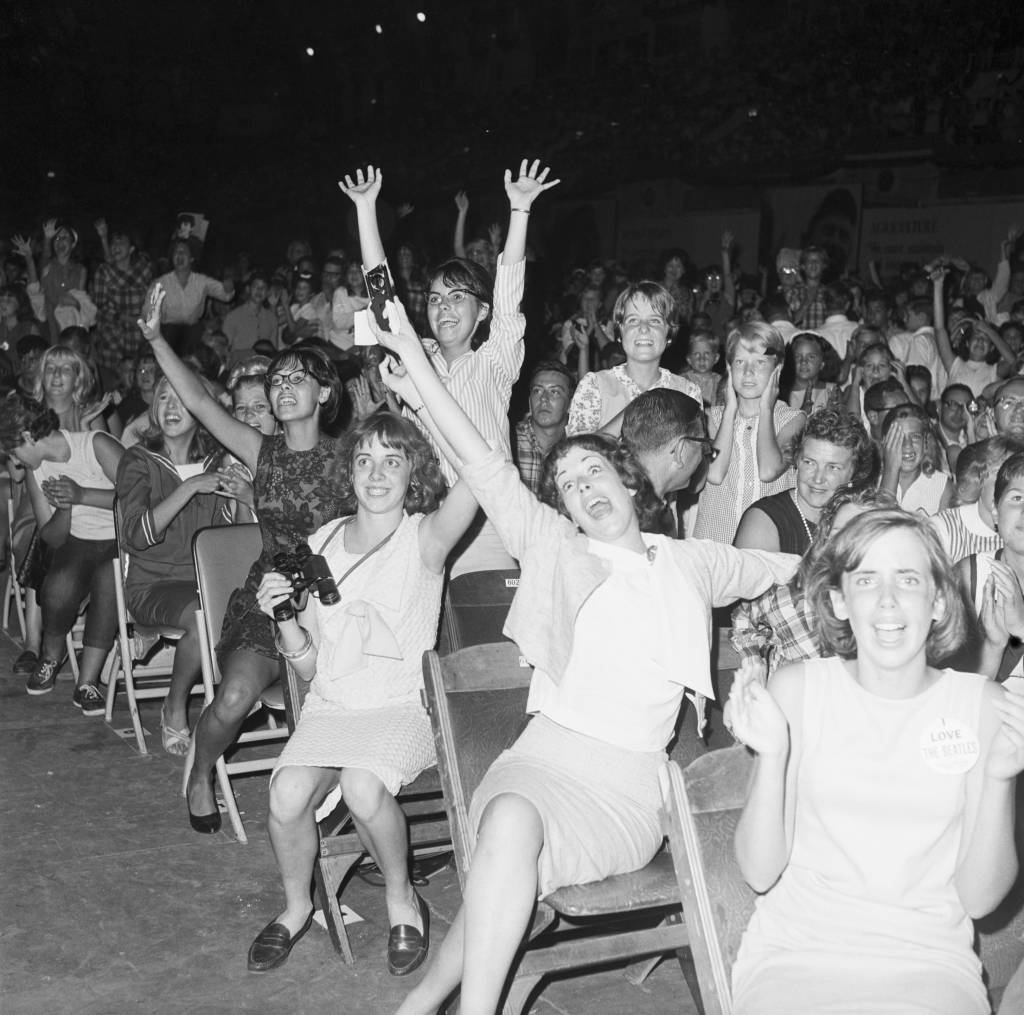
AUGUST 30: The next stop was the Convention Hall in Atlantic City, New Jersey. The Beatles stayed at the LaFayette Hotel, as did BBC News reporter Peter Woods, who filed a report that expressed his frustrations over the fan reaction to the group. “I’ve never seen anything like this,” he noted. “We’ve been surrounded by Beatles fans…You can’t get on the eighth floor of the hotel where it is completely sealed off. The swimming pool was also completely sealed off today to the other guests and this is what it’s like to be staying in a hotel in which The Beatles are.” Later, he shared his complaints with the group.

“Well, you shouldn’t stay in cheap hotels, should ya,” suggested John.
Added George, “We get immune to it. It’s a distant thing. It’s just one of those everyday sounds, man.”
“It’s like if you work in a bell factory,” Paul stated, “you don’t notice bells.”
September 1964
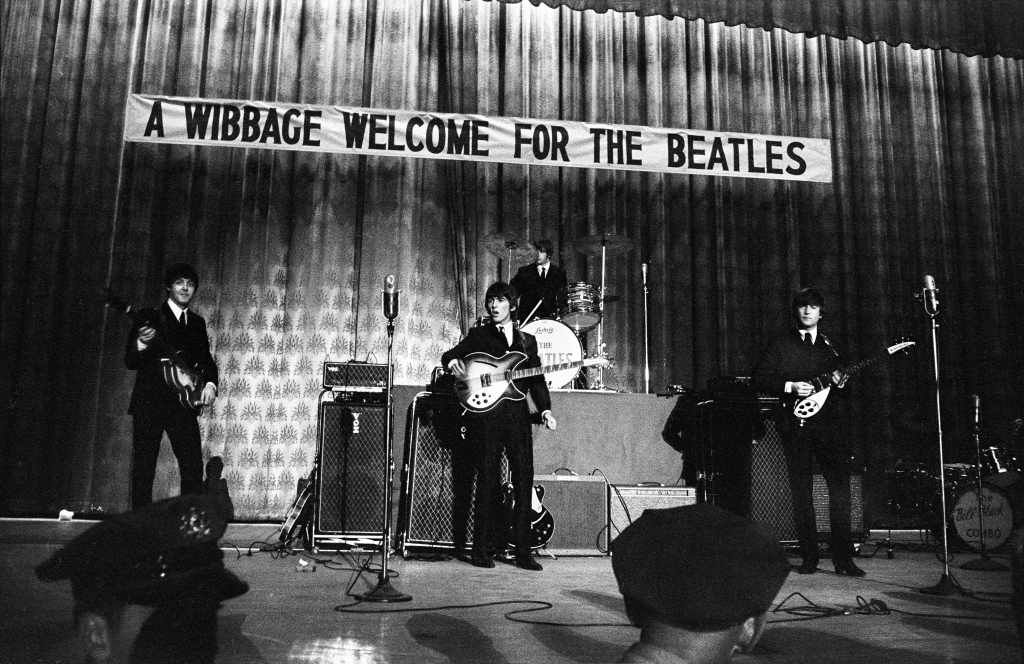
SEPTEMBER 2: The tour brings the Fab Four to Philadelphia’s Convention Hall, where they’re turned off by the fact that, because of race riots a few days earlier, the audience was segregated. Had they known ahead of time, they would have refused to perform.
SEPTEMBER 3: Performance at the Indiana State Fair Coliseum. Prior to the show, The Beatles met Miss Indiana State Fair, were presented with an original cartoon from the Indianapolis News and participated in one of many press conferences around the country.
SEPTEMBER 4: Heading to Milwaukee, the group performed at the Milwaukee Auditorium. Paul expressed that the group felt like it was being overly protected by authorities. “In Milwaukee,” he said, “the police are protecting us to a ridiculous extent. I think they’re a bit off, I really do. it’s a great big drag. If we are not allowed to see our fans, it puts us right on the spot. We feel like heels.”
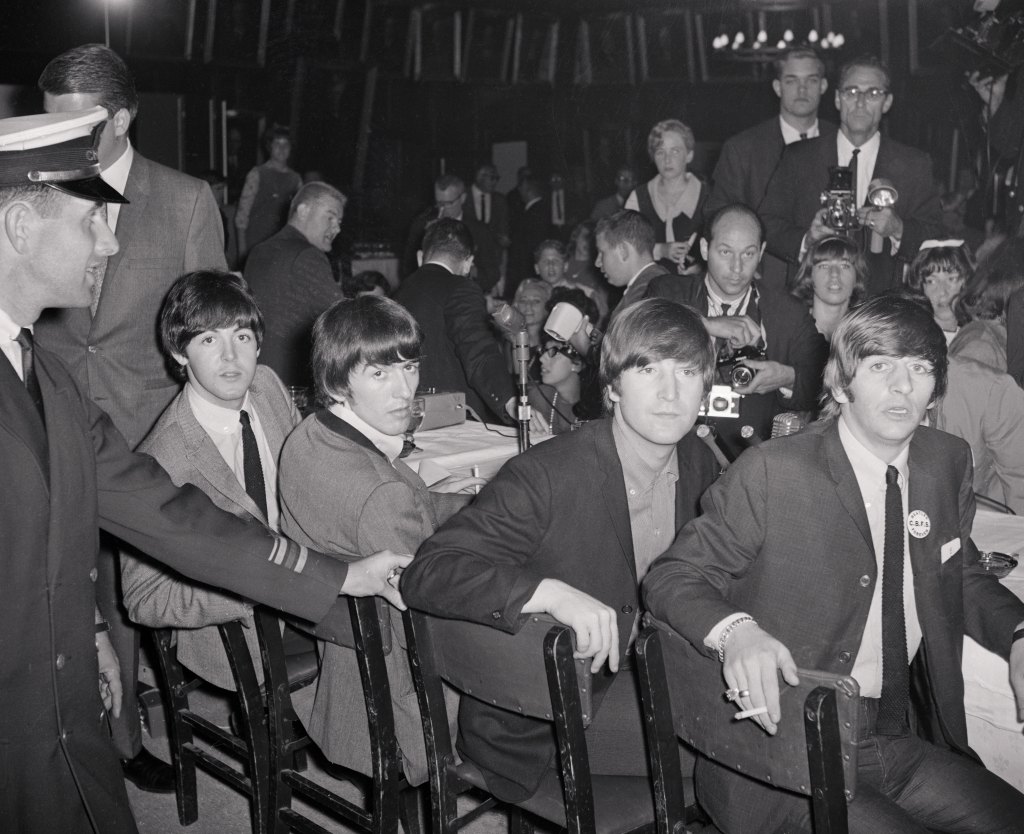
SEPTEMBER 5: Concert at Chicago’s Amphitheater. Of the fans there, roadie Mal Evans observed, “The fans were very inventive. We were in Chicago and we were coming out of the hotel, ready for the show, and suddenly I spied a girl in the crowd and she was about to slam a handcuff on Paul’s wrist. What she had done was attach one end of the handcuff on her wrist and she was going to attach the other end onto Paul’s wrist. It was a great idea, but she just didn’t make it.”
SEPTEMBER 6: Concert at Detroit’s Olympia Stadium.

SEPTEMBER 7: Concert at Toronto’s Maple Leaf Gardens. There was also a press conference in which John and Paul served warning that if their upcoming concert in Jacksonville, Florida was segregated — and most were there — they would refuse to perform, despite a payday of about 20,000 pounds.
“We’ve all talked about this,” offered Paul, “and we all agree that we would refuse to play. We’re going to watch things closely. We know they sometimes try the trick of saying that the crowd isn’t segregated, but all they do is put a few Negroes in one corner of the stadium. We all feel strongly about civil rights and the segregation issue.”

Added John, “We never play to segregated audiences and we’re not going to start now. I’d rather lose our appearance money. We understand that in Florida they only allow for negroes to sit in the balconies at performances, but we will not appear unless negroes are allowed to sit anywhere they like.”
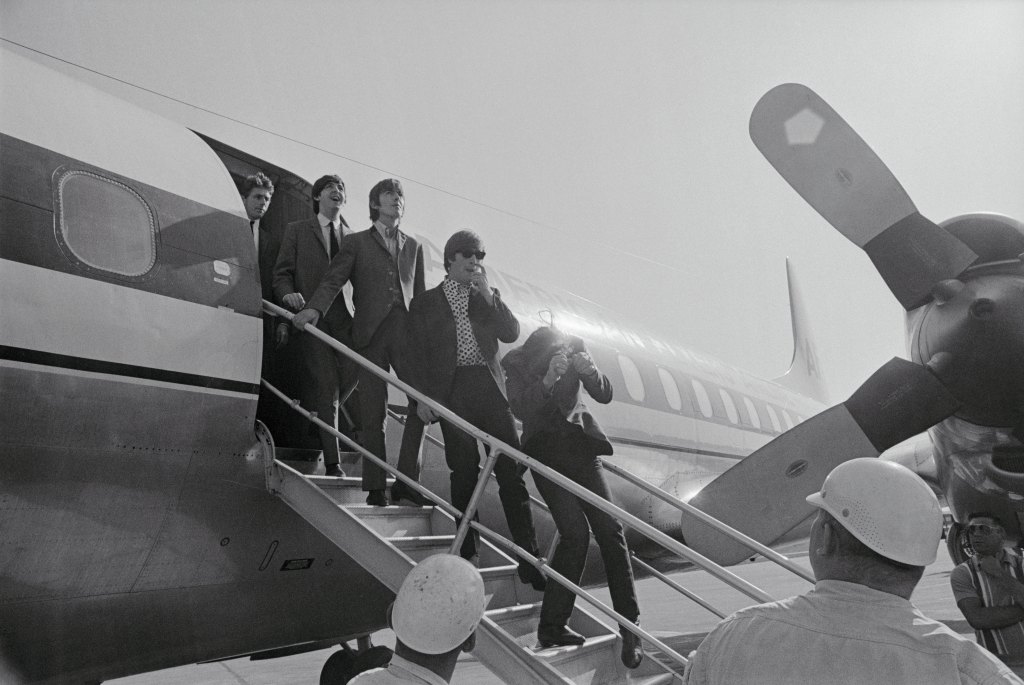
SEPTEMBER 8: Two shows at The Forum in Montreal, Quebec, Canada.
SEPTEMBER 11: Concert at the Gator Bowl in Jacksonville, Florida — the audience is not segregated.
SEPTEMBER 12: The Beatles perform at the Boston Garden in Boston, Massachusetts.
SEPTEMBER 13: A pair of concerts at Baltimore, Maryland’s Civic Center.
SEPTEMBER 14: Concert at the Civic Arena in Pittsburgh.
SEPTEMBER 15: The Beatles were held back 15 minutes until the crowd calmed down at the concert held at Cleveland’s Public Auditorium.
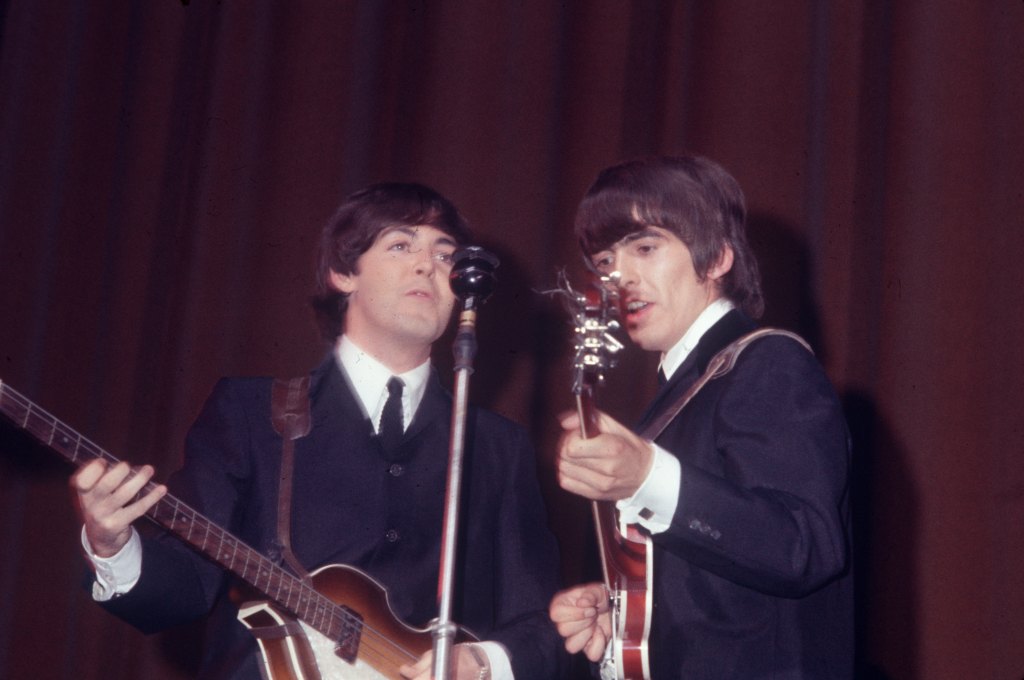
SEPTEMBER 16: Concert at New Orleans’ City Park Stadium.
SEPTEMBER 17: Concert at the Municipal Stadium in Kansas City. After the show, the fans went wild and broke through all of the barricades, creating a massive challenge for the police attempting to keep The Beatles safe.
SEPTEMBER 18: Concert at Dallas’ Memorial Coliseum.

SEPTEMBER 20: The Beatles perform a charity show at the Paramount Theatre in New York. Their pre-recorded performance is aired on The Ed Sullivan Show.
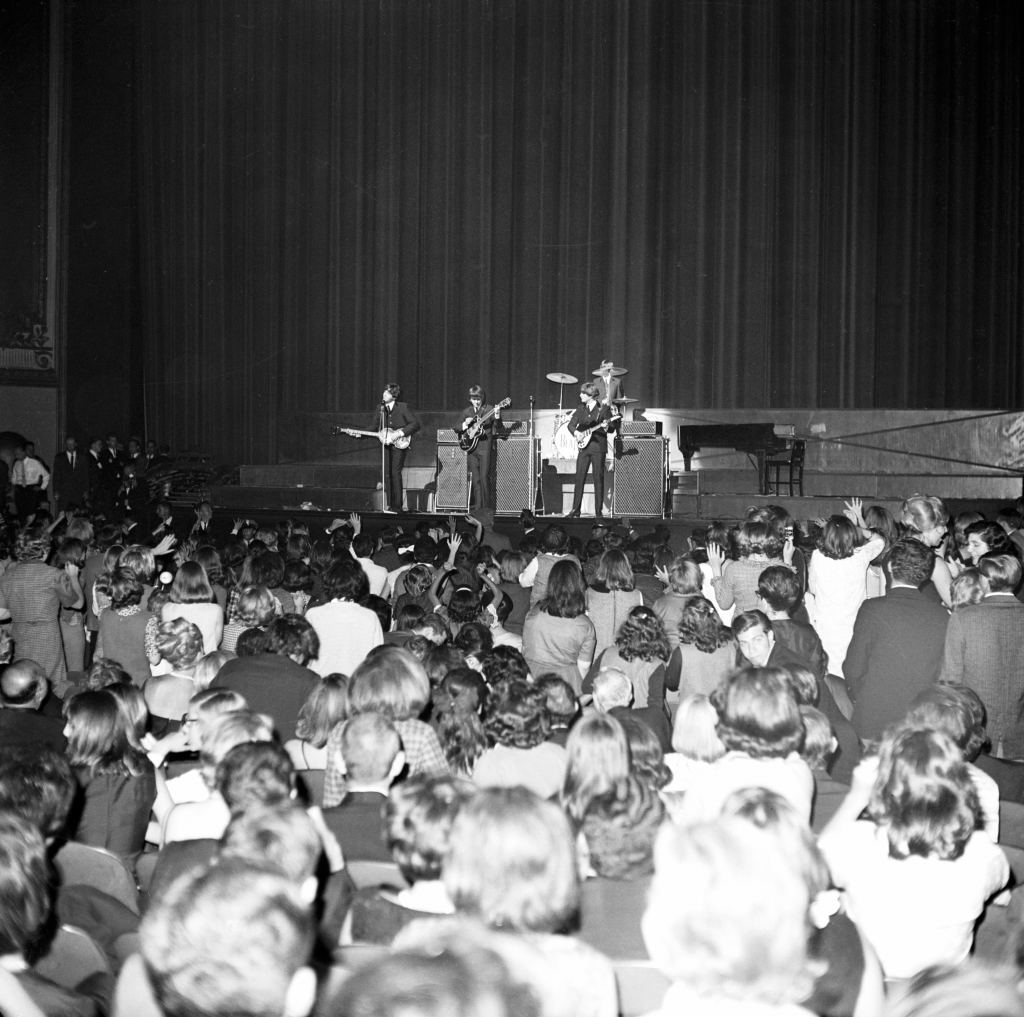
SEPTEMBER 21: The tour officially over, The Beatles and Brian Epstein flew back to England, where they participated in a press conference upon their arrival. Speaking candidly, John said, “In America, it was spoiled for me because of the crap there. You know, meeting people we don’t want to meet. It spoils things for me because I suppose I’m a bit intolerant. But, is it any wonder I get fed up? When they kept sending in autograph books, we signed them only to find they belonged to officials, promoters, police and the rest of that lot. The real fans, they’d wait for hours, days, and, well, they were treated like half-wits because they wanted our autographs. But, the cops made sure they got theirs. I bet every policeman’s daughter in America has got our autograph. Half of them aren’t our fans, I bet, but what can you do? It’s bloody unfair on the kids who really want them.”
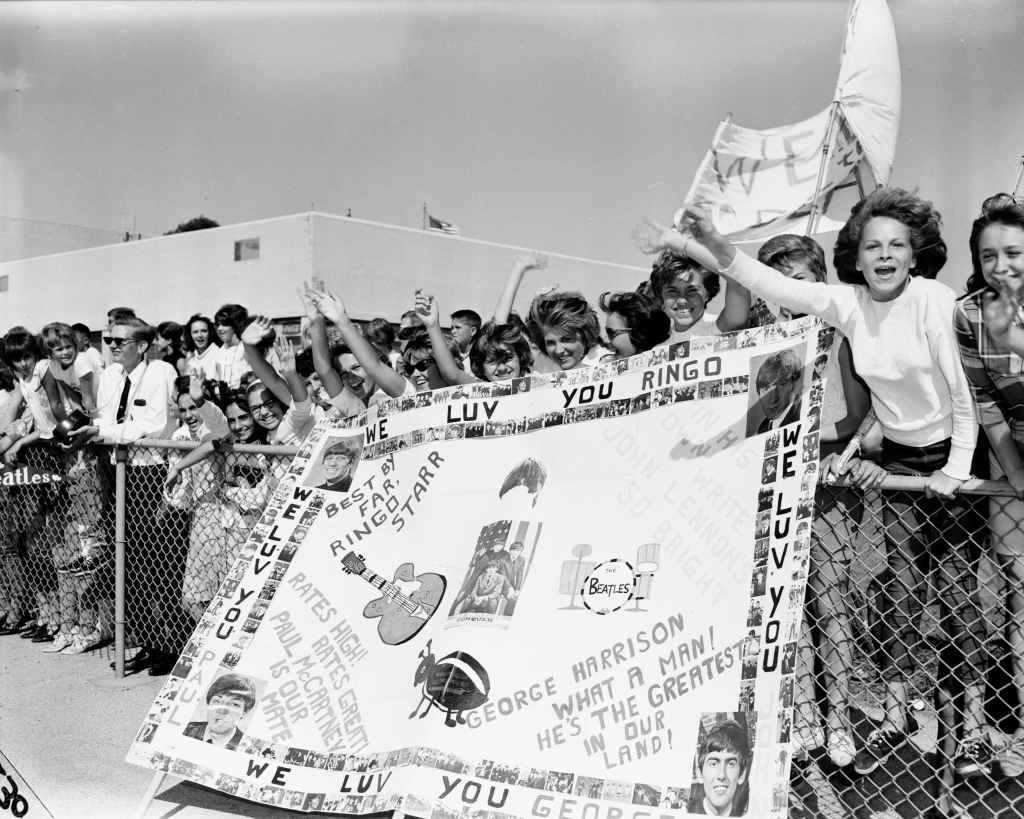
George pointed out, “I’m a bit fed up of touring. Not so much in England, but particularly in America, for instance. I feel sure we won’t do another tour of the States for as long as five weeks again. It’s so exhausting and not really satisfying for us like that.”
He was right. The 1965 North American tour would only last about two weeks, but things would be bigger than ever.
Other events in 1964
-
January 1st to the 15th
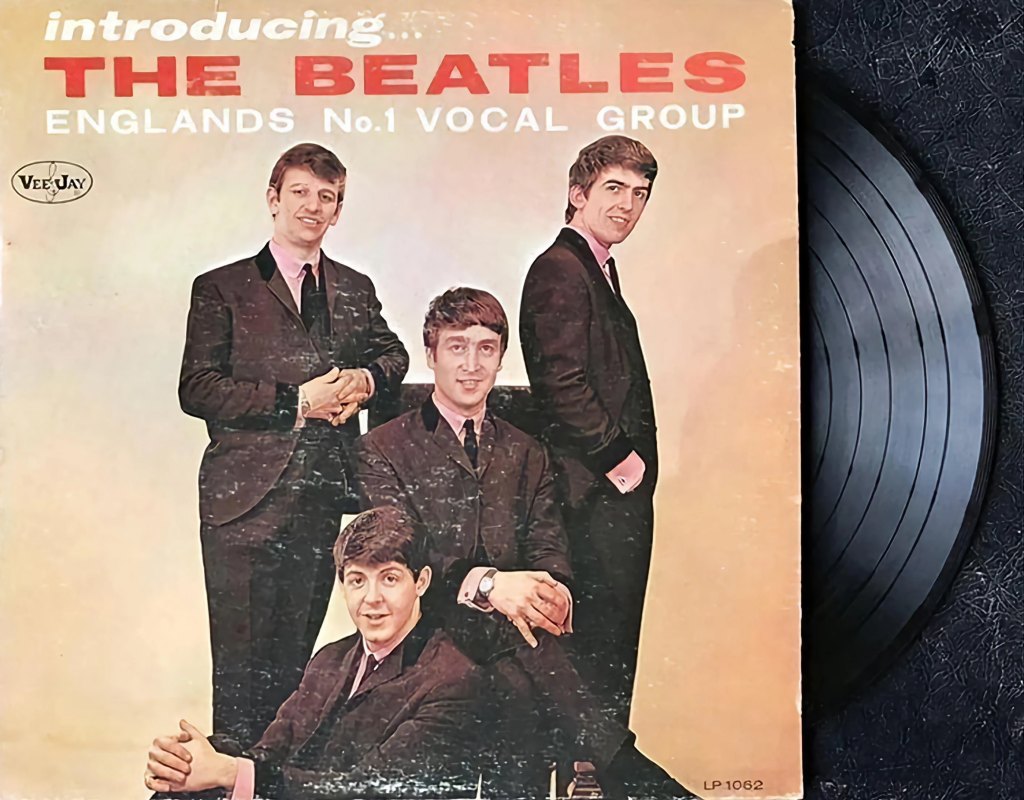
-
January 15
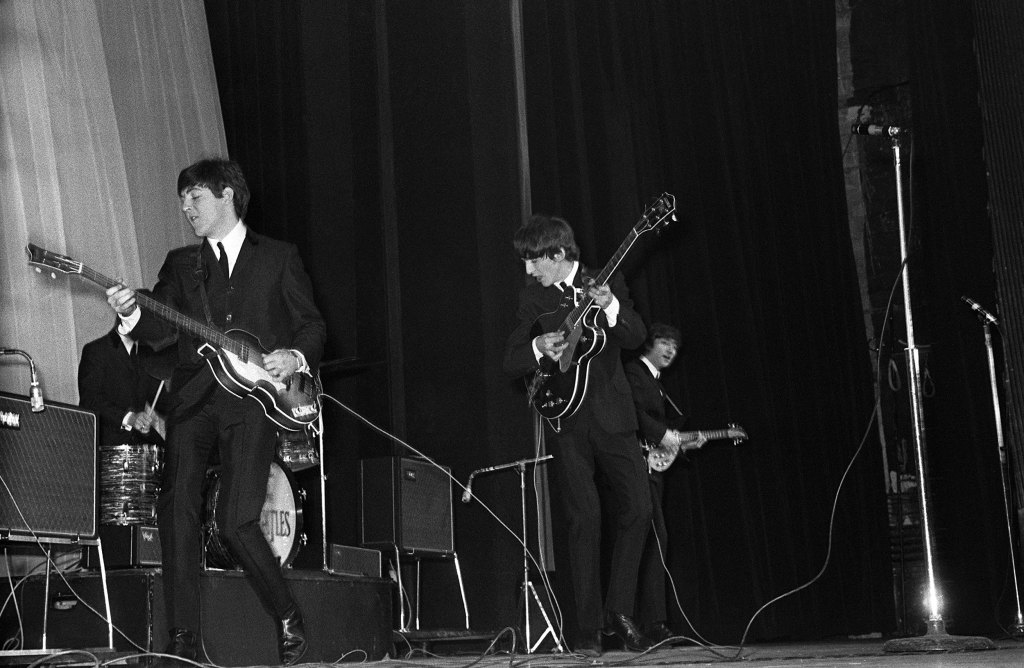
-
January 18

-
January 20
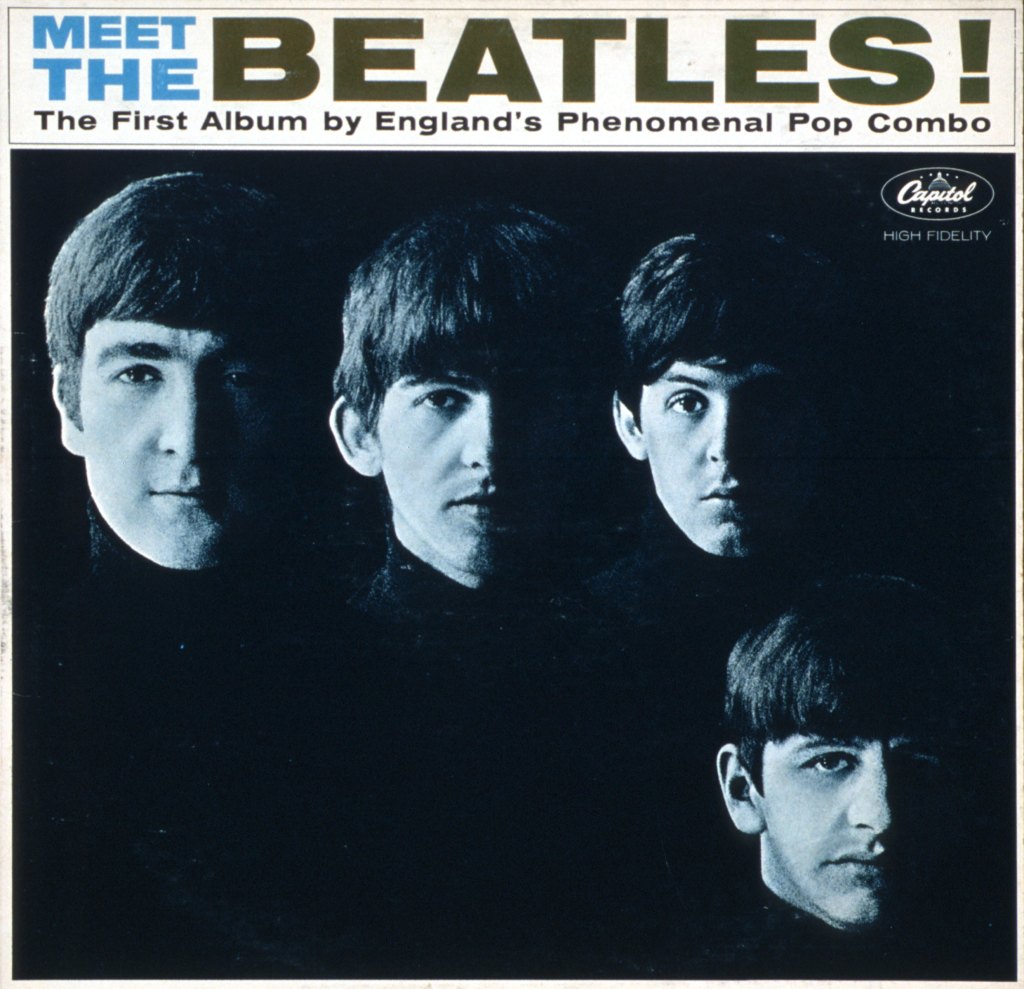
-
January 27
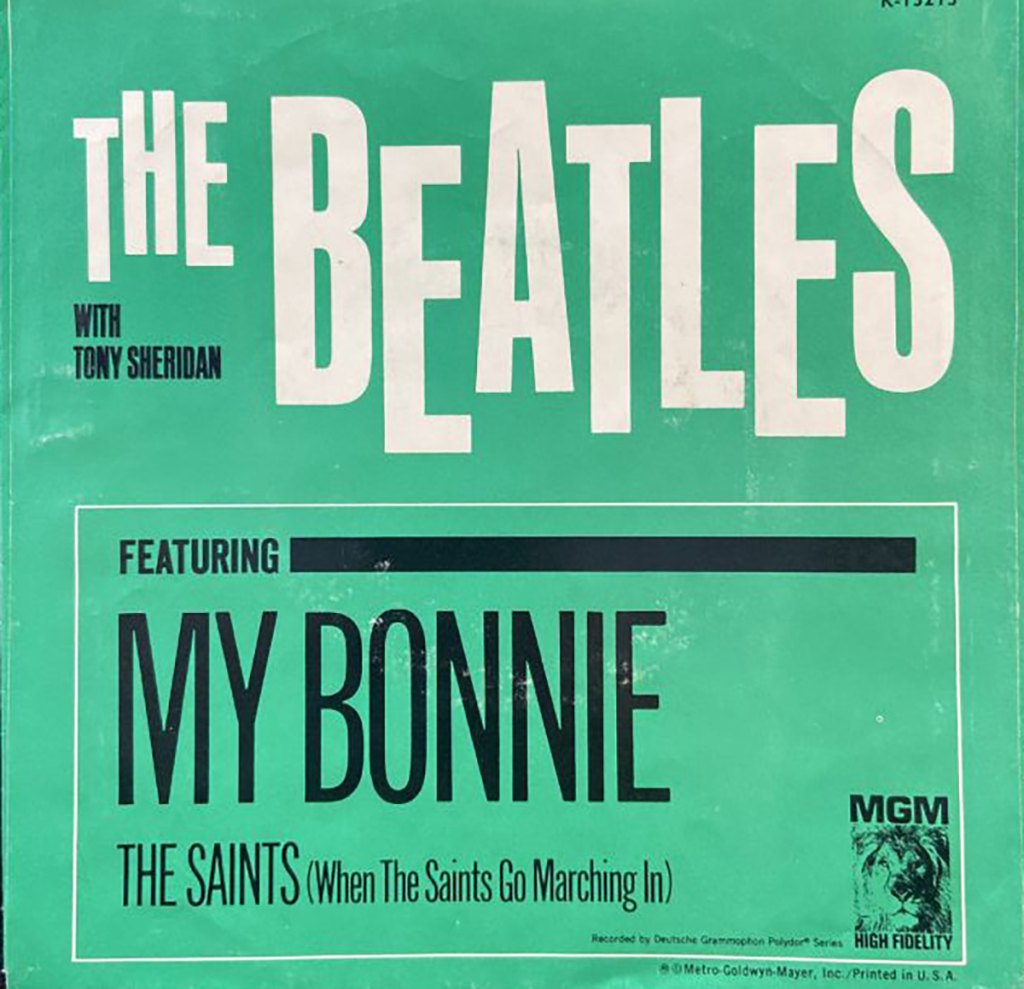
-
February 7
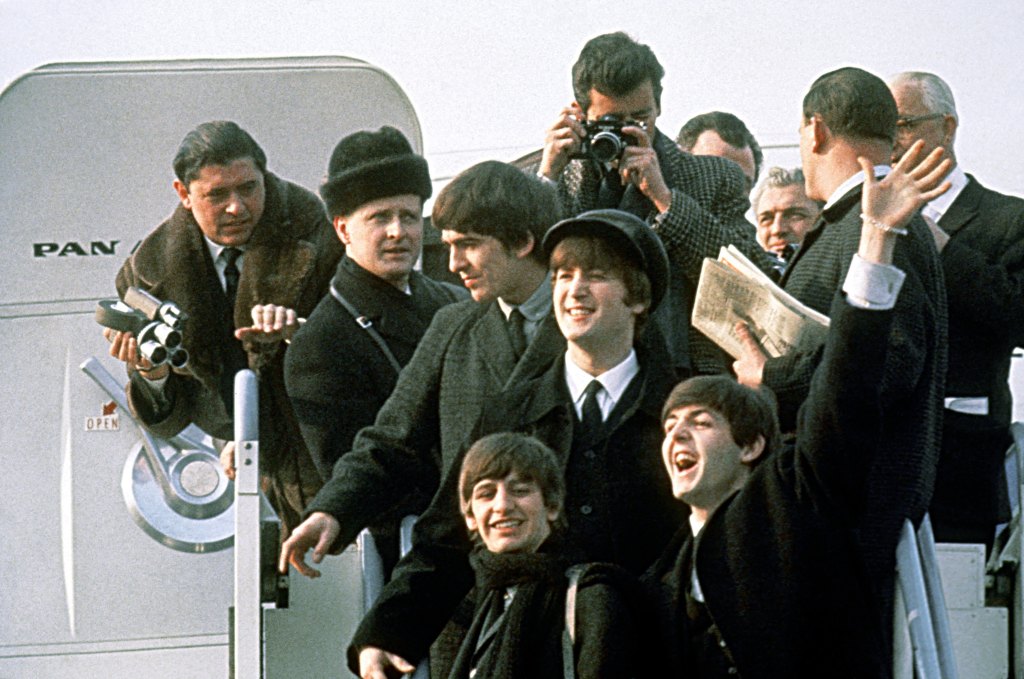
-
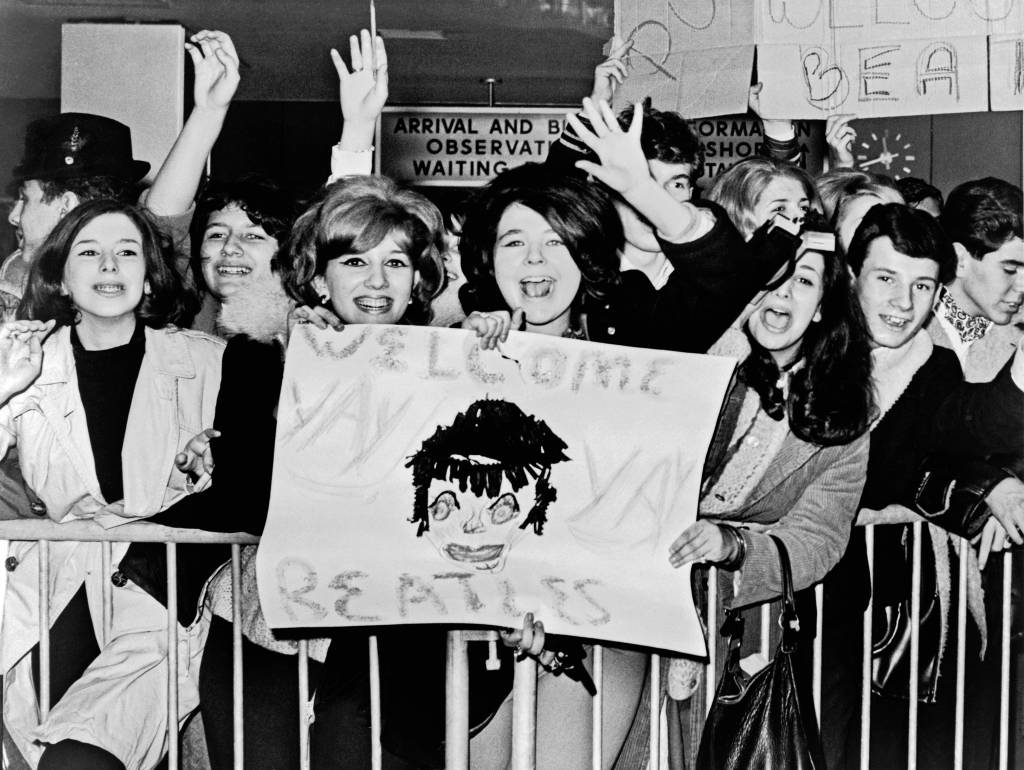
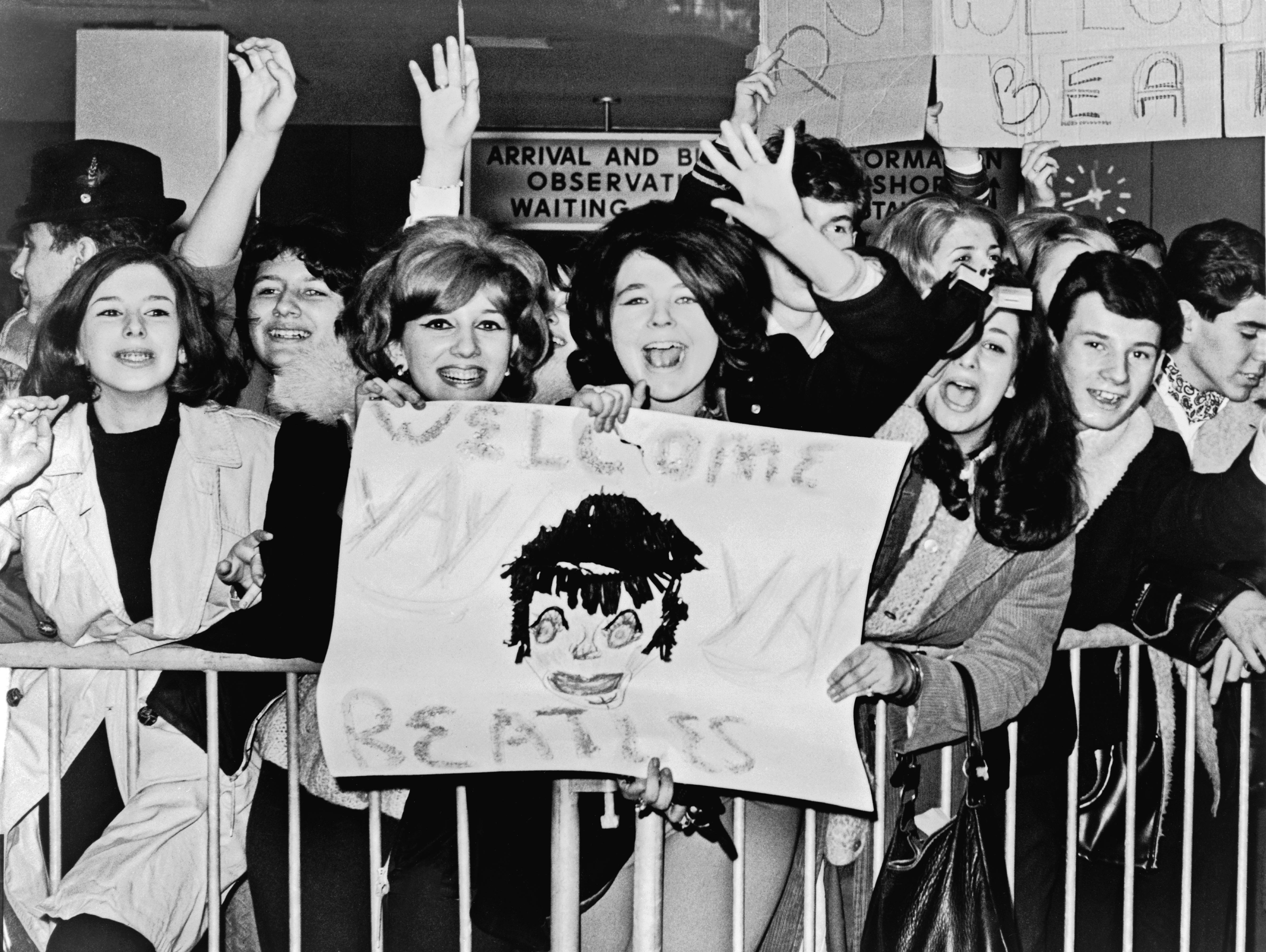
Airport Beatlemania
-
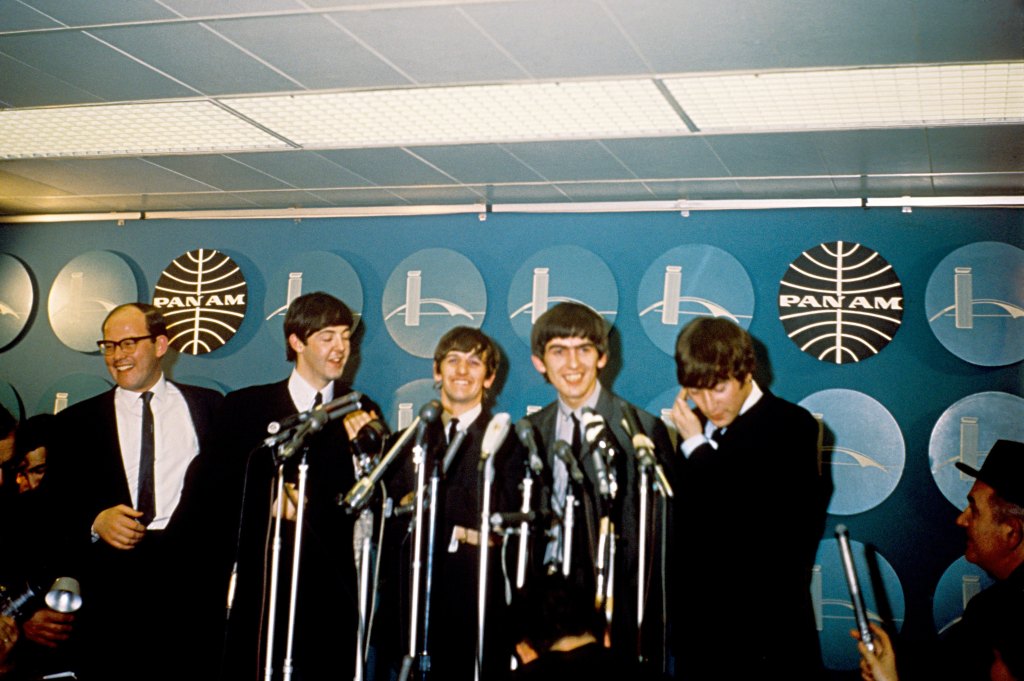
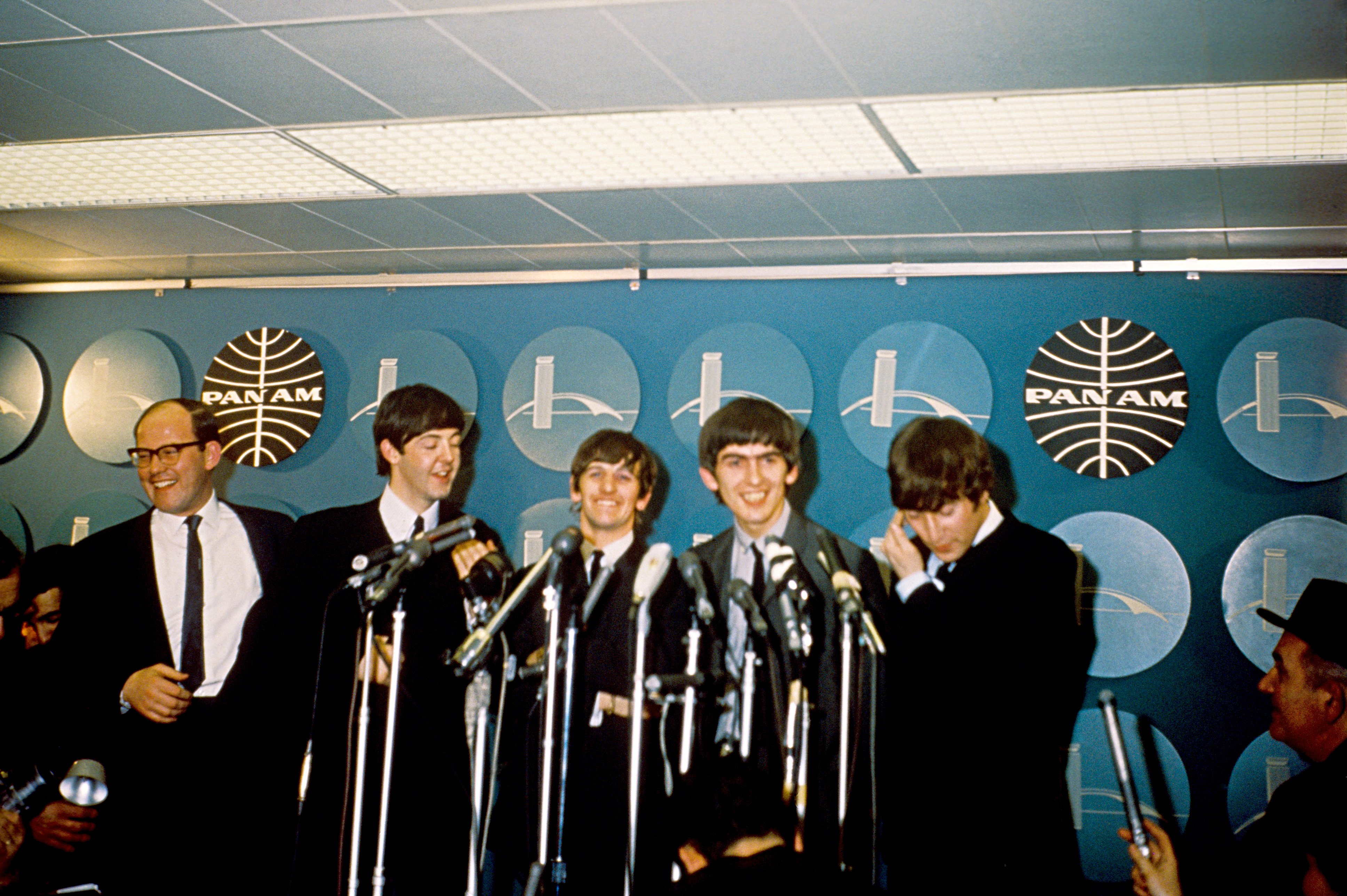
The Press Conference
-
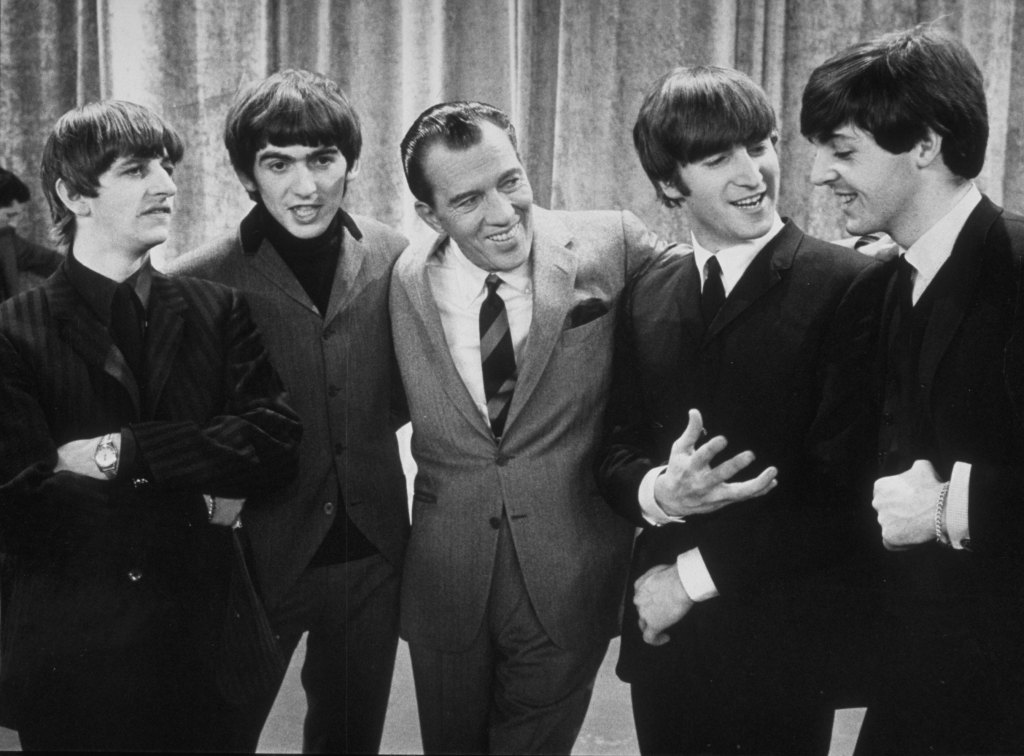
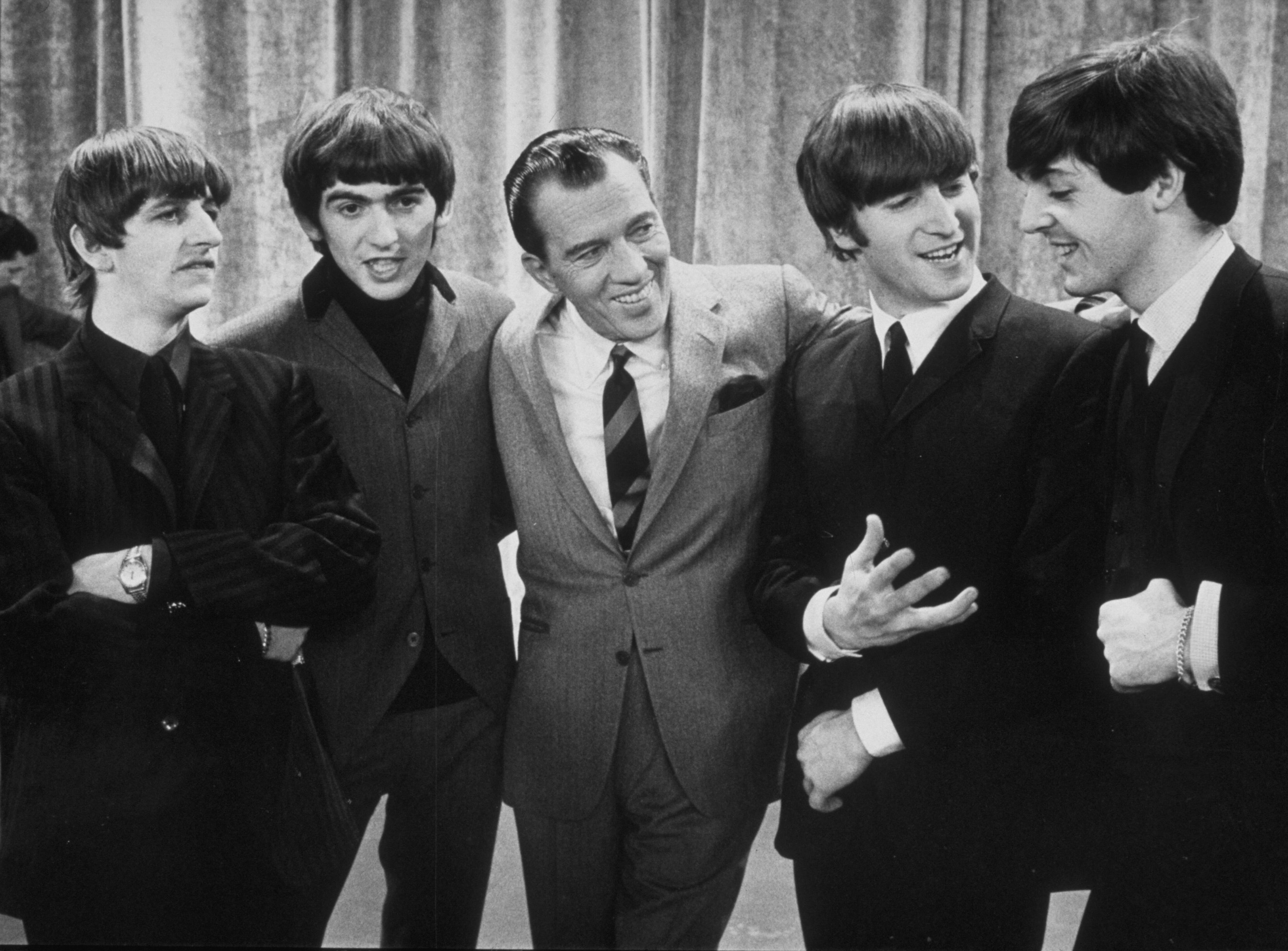
February 9
-
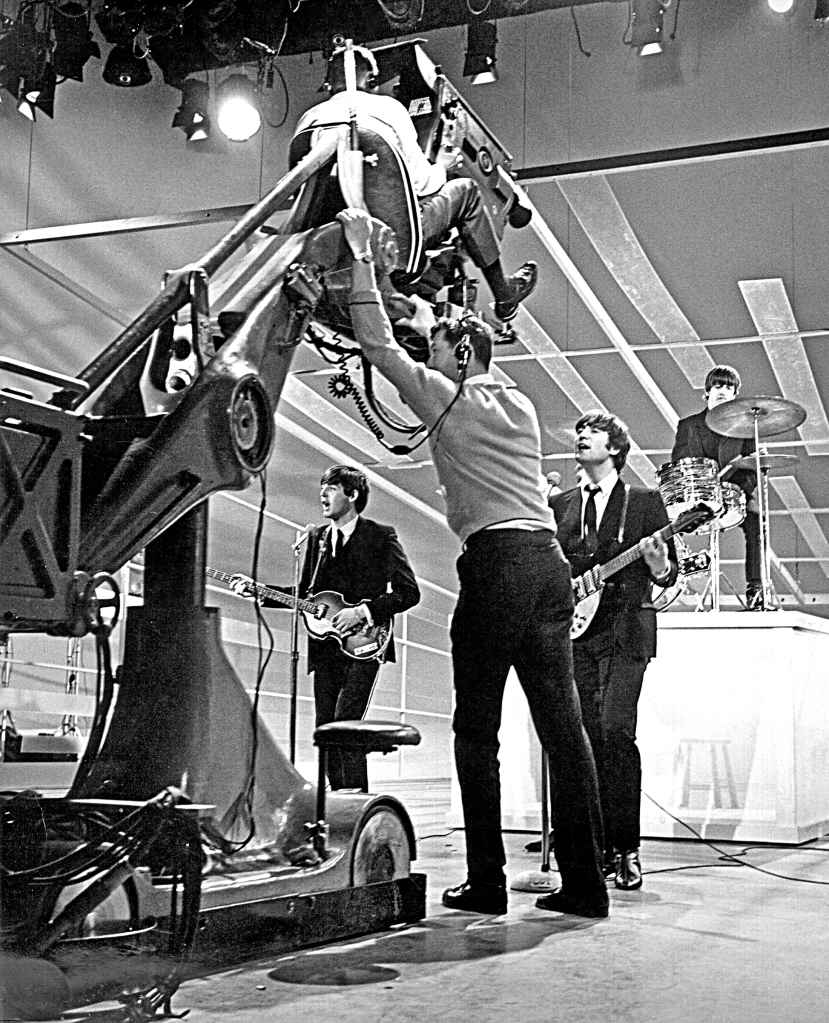
Behind-the-Scenes
-
The Fans Have Their Say!
-
The Performance!
-
March 2

-
March 23
-
April 6
-
June 3
-
June 26
-
August 11

-
August/September
-
October 1
-
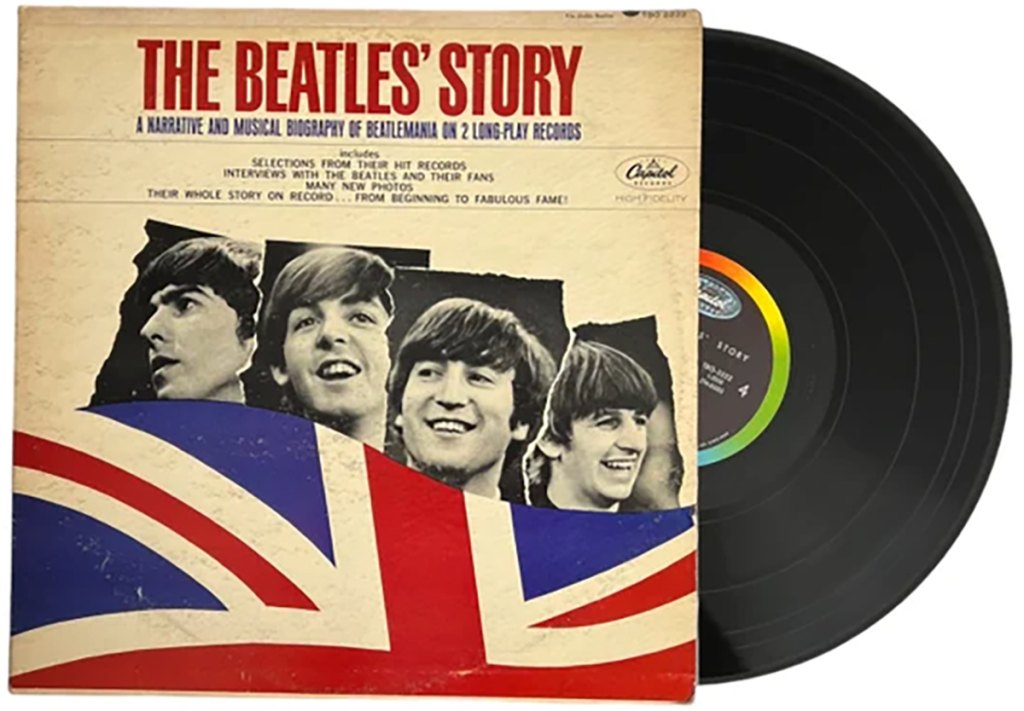
November 23
-
December 15







Conversation
All comments are subject to our Community Guidelines. Woman's World does not endorse the opinions and views shared by our readers in our comment sections. Our comments section is a place where readers can engage in healthy, productive, lively, and respectful discussions. Offensive language, hate speech, personal attacks, and/or defamatory statements are not permitted. Advertising or spam is also prohibited.