The Real Stories Behind Dolly Parton’s Most Beloved Songs: From ‘Jolene’ to ‘Islands in the Stream’
From heartbreak to joy and jealousy, these are the inspirations that fueled Dolly's greatest hits

Key Takeaways
- Dolly shared song secrets in her 2020 book 'Songteller: My Life in Lyrics.'
- 'Coat of Many Colors' teaches about bullying, love and acceptance in schools.
- 'Jolene' and 'I Will Always Love You' were likely written on the same day.
Dolly Parton was a beloved country music legend, an actress, a philanthropist and above all, a songwriter—or as she always called herself a ‘songteller.’ Today, the world mourns as we say goodbye to the true Queen of Country. For more than six decades, the superstar enchanted the world with her majestic voice, her larger-than-life personality and, of course, her music. A spirited storyteller at her core, Dolly turned heartbreak and hard times into songs, making us laugh, cry and dream in equal measure.
Dolly grew up in a tiny cabin at the base of the Great Smoky Mountains before making her way to the sparkling city of Nashville, Tennessee. “As a songwriter, I am influenced by everything around me—by the people around me, by the feelings of people I know and by my own joys and sorrows,” Dolly wrote in her 2020 book Songteller.
“I write a lot from my own heart. But I also just have a big imagination. When I was young, we didn’t go to the movies, so I just created my own stories. It’s kind of embedded in me to make up songs and stories,” she continued.
As we mourn the loss of an extraordinary human in every way, we’re also celebrating the extraordinary songs she gifted the world. Now, we’re looking back at the stories behind some of Dolly’s greatest hits—the inspiration that gave these once-in-a-lifetime songs their meaning. And here at Woman’s World, we’re all just beyond heartbroken by this news. We will always love you, Dolly.
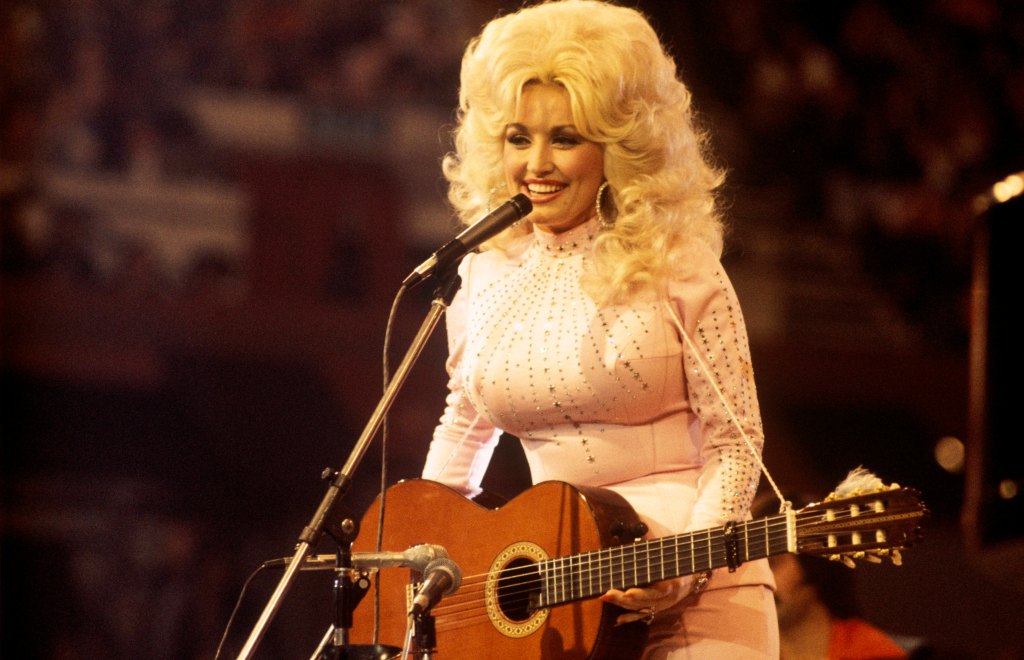
The story behind Dolly Parton’s iconic stage debut
Dolly was born on January 19, 1946, and according to her family, she began writing songs as a toddler and performing for people around age 8. She made her celebrated Grand Ole Opry debut at the age of 13. Introduced by Johnny Cash, Dolly sang George Jones’ ‘You Gotta Be My Baby’ and received three encores.
“As I heard the band play my introduction, I lifted my head and looked up toward the lights. I smiled at the people in the balcony and then let ‘er rip,” she recalled in an official note.
Becoming a member of the Grand Ole Opry was one of Dolly’s very first dreams. “I had always wanted to be a member,” she wrote on Instagram. “Back home and in country music, the epitome of success was to be on the Grand Ole Opry. To become a member was a big deal.”
Then on January 4, 1969, 23-year-old Dolly was officially inducted. “I thought back to how I’d perform on my porch at my Tennessee mountain home, imagining that one day I was going to be on the Grand Ole Opry,” she added. “By becoming an official member, I would forever be associated with the Opry. It was a dream come true. And it still is.”
The stories behind the songs: ‘Coat of Many Colors’ — a lesson in love and acceptance
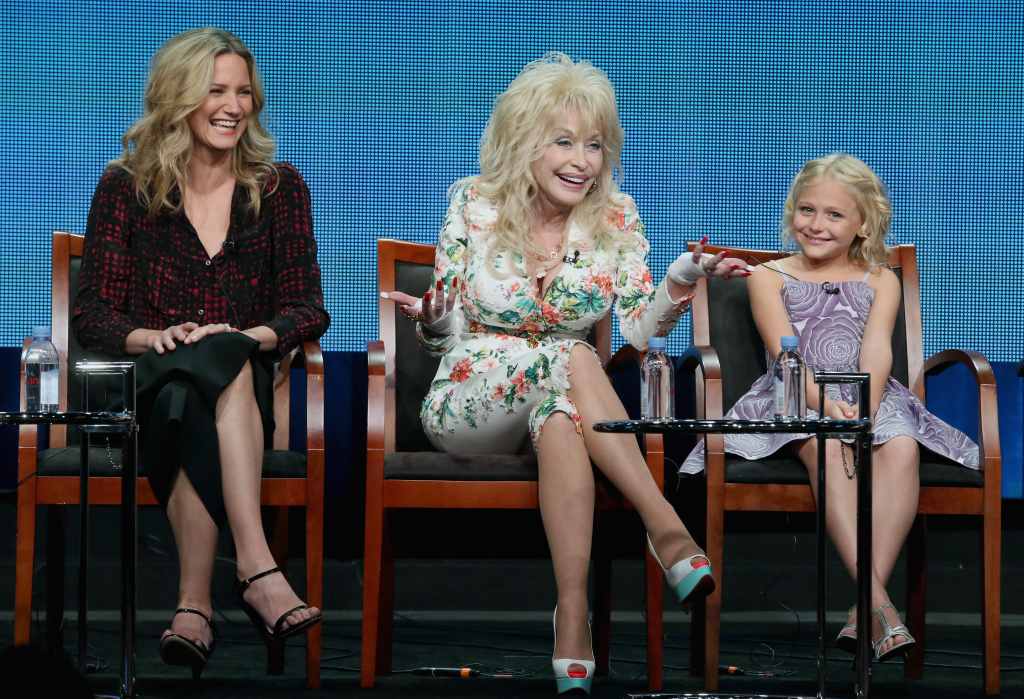
Dolly Parton turned one of her childhood memories into one of her most beloved songs with “Coat of Many Colors.” Released in 1971, the song climbed to No. 4 on the country charts and later lent its name to a Top 10 country album. Its message has remained strong over the decades, inspiring covers by artists including Shania Twain and Alison Krauss. But the story behind the song began long before Dolly became a star, when her family had very little and her mother lovingly stitched together a coat for her—along with a lesson she would never forget.
“My mom made me this little coat,” Dolly wrote in Songteller. “In order to make me proud of that little coat, I know now, she told me the story about Joseph from the Bible and his coat of many colors.” Unfortunately, the kids at Dolly’s school didn’t see that and she was bullied about the coat. This traumatic moment made such an impact on her and the song came about many years later.
“That little song is like a world of things. It teaches about bullying, about love, about acceptance, about good parents,” Dolly continued. “That little story has even been written into a schoolbook to teach children about being different. You have to accept everything and everyone.”

‘I Will Always Love You’—a bittersweet goodbye to Porter Wagoner
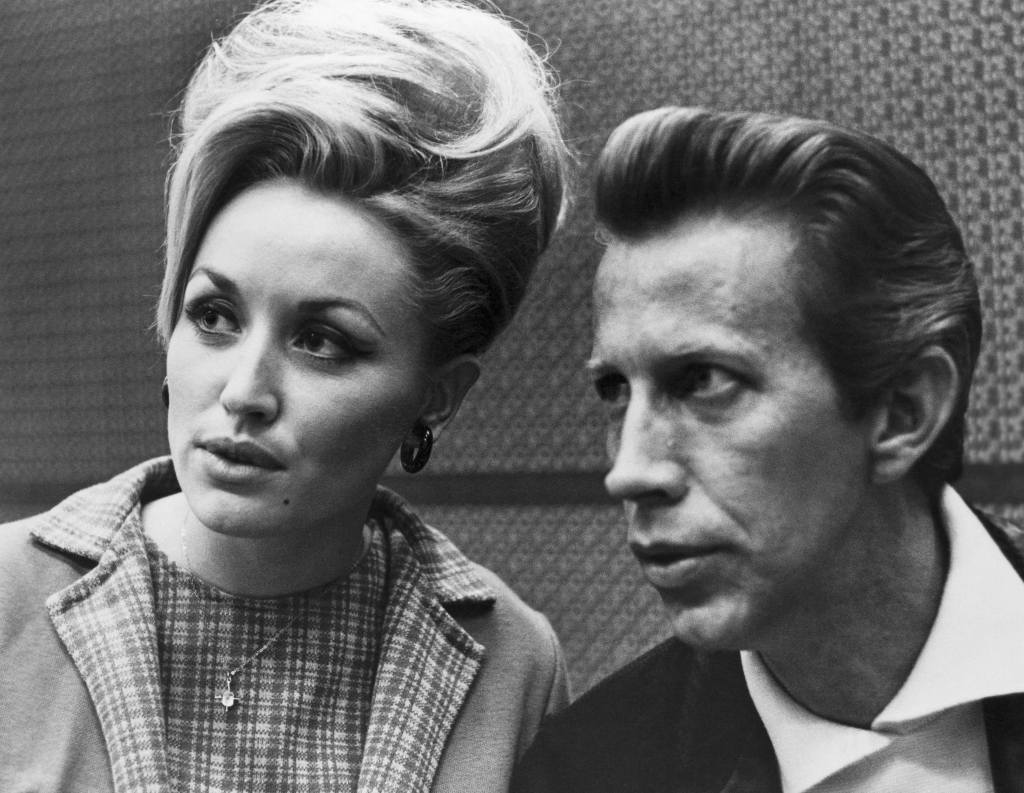
An undisputed favorite among many Dolly fans, ‘I Will Always Love You’ was a No. 1 country hit when it was released in 1974 off the Jolene album. Dolly even recorded it for the soundtrack of her 1982 movie with Burt Reynolds, The Best Little Whore House in Texas. Then, 10 years later it was famously covered by Whitney Houston for The Bodyguard.
But what was Dolly’s inspiration when she first wrote it? Well, it is technically a breakup song, but not a romantic one. She originally wrote this song while trying to free herself from working exclusively with her musical collaborator Porter Wagoner.
Dolly spent seven years performing alongside him on The Porter Wagoner Show, the TV series that helped introduce her to a national audience. But one day, she knew it was time to move on. Instead of arguing or making a phone call, Dolly wrote “I Will Always Love You” as a heartfelt goodbye and thank you for everything they’d shared.
“The song came straight from the bottom of my heart,” Dolly wrote. “When I started to sing the song, he [Porter] started to cry. He knew that I had been crying when I wrote it. He got it. He said, ‘That’s the best song you ever wrote. And you can go, if I can produce that song. I said, ‘it’s a deal!’
“Now that song is going to live forever,” she continued. “I thank Porter for that song.”

‘Jolene’—inspired by a pretty bank teller—yes, really!
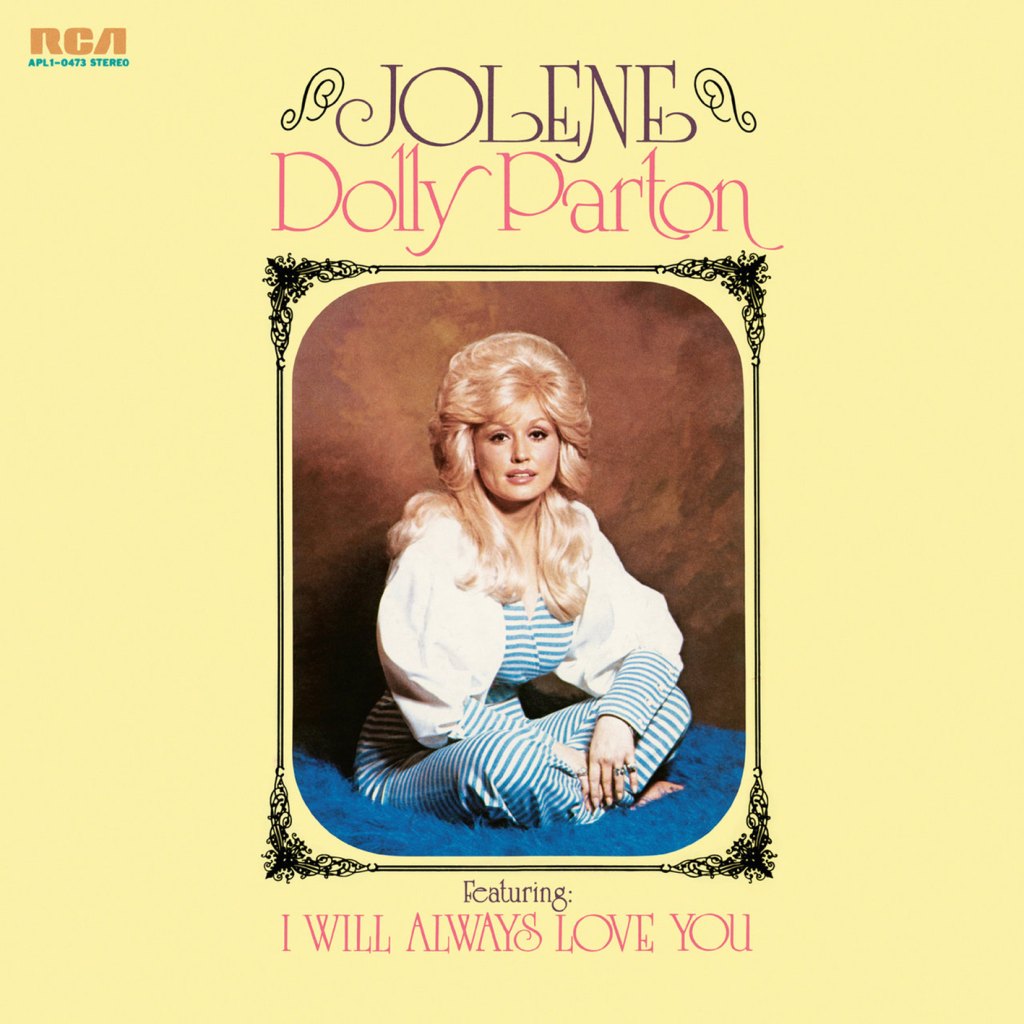
Dolly has hundreds of songs—and “Jolene” is the one most frequently covered by other artists. Released in 1973, the song topped the country charts and later earned Dolly a Grammy in 2017. But its origins can be traced back to her years performing with Porter Wagoner. During that time, a young fan once asked Dolly to sign an autograph “to Jolene.” The name caught her attention—so much so that she held onto it, eventually giving it to the woman at the center of one of country music’s most famous songs.
“Then later, I came up with a story that I knew women could relate to. Of course, then I thought of a story loosely based on Carl flirting with a girl down at the bank, which was true,” Dolly wrote in Songteller. “I went down there, and she was pretty. And he was flirting. And I made the whole thing into my song’s lyrics.”
A jaw-dropping fun fact: Dolly says she may have written ‘Jolene’ and ‘I Will Always Love You’ on the same day. “When we were going through all my old tapes to put my songs on hard drives, we found that ‘I Will Always Love You’ and ‘Jolene’ were on the same cassette tape, back-to-back…it very well could have been on the same day.”
‘Here You Come Again’—Dolly’s first million-selling single
This song—which was released in 1977—was a monumental one for Dolly in a few ways. Firstly, it marked a rare time where she sang a song she didn’t write. And secondly, it was her first single to sell a million copies.
“Here You Come Again” was written by legendary husband and wife songwriting duo Barry Mann and Cynthia Weil before it found its way to Dolly and her team.
“Gary Klein, I think, was producing Dolly Parton, and he heard it, and he loved it. Dolly, who was so gracious and adorable, thanks us every time she sees us for the song,” Weil told Huff Post in 2017. “At the time, she felt it might be a little too slick and might cost her some of her country fans. But she was talked into doing it and now she’s thrilled that she did.”
Though it became one of Dolly’s go-to songs to perform over the years, at first she didn’t want the polished song to alienate her fans. The solution? She added in some steel guitar and turned it all the way up.
‘Do I Ever Cross Your Mind’—one of Dolly’s favorites to sing live
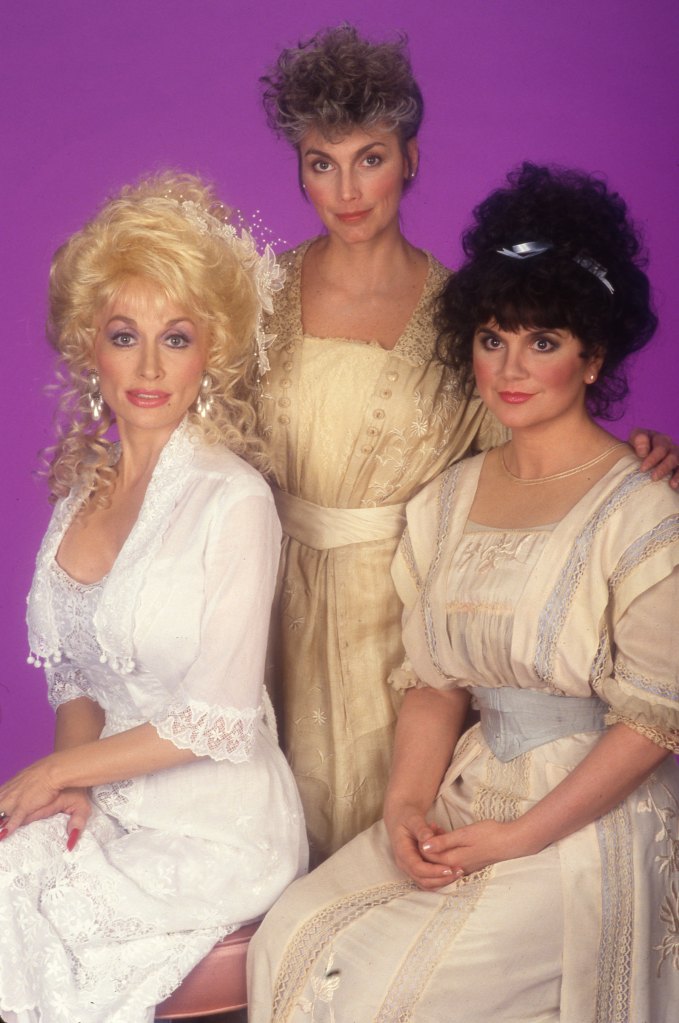
This song was one of Dolly’s most played songs live and remained in her set list for decades. As the flip side of her 1982 version of “I Will Always Love You,” it became a No. 1 hit in 1982. Its most recognized moment was when Dolly, Emmylou Harris and Linda Ronstadt recorded it together for their 1999 album Trio II. Other music stars have also recorded renditions of “Do I Ever Cross Your Mind,” including Randy Travis, Tom Jones and Joan Osbourne.
“[This song] has always been one of those fun songs for me to sing,” she wrote in Songteller. “We do it a capella in my concerts, using our voices like instruments.”
“When I first recorded it, it did not have that little bridge that goes ‘Do you ever wake up lonely in the middle of the night ‘cause you miss me?’ I added that later, and that’s the version that’s on Trio II.
‘9 to 5’—a song Dolly wrote on set while ‘clicking’ her nails
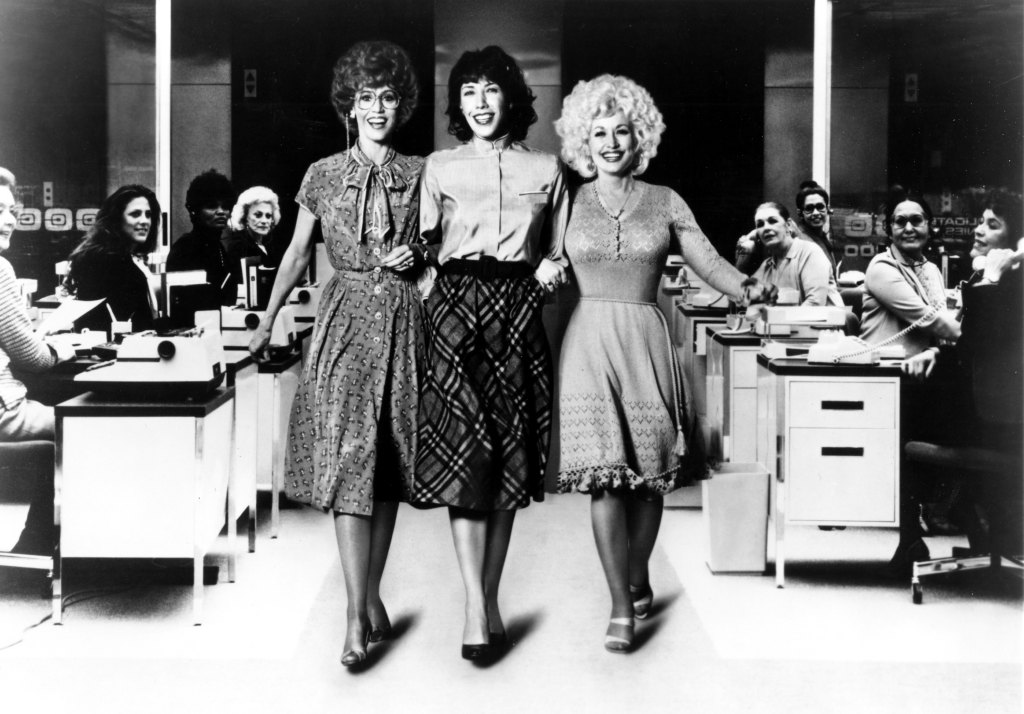
Dolly’s high-energy and infectious ‘9 to 5’ became one of her biggest crossover hits in the 1980s. In fact, the upbeat song brought Dolly’s songwriting into the pop sphere for the first time. It also went No. 1 on country and adult contemporary radio, won two Grammys and earned an Oscar nomination.
Dolly wrote ‘9 to 5’ during the filming of the movie of the same name—her first major film role. The comedy starred Dolly alongside Lily Tomlin and Jane Fonda. Dolly recalled the long wait times on set and how she used that time to write. “I would just take my nails and make them sound like a typewriter,” she wrote. “Off by myself, I would click my nails and use that sound as my music. I wrote ‘9 to 5’ in my head that way. I’d go back to my hotel at night and put down what I had written that day…”
“Over a long period of time, I wrote the song on my nails. I’m famous for that now. Every time I go on TV, I have to ‘play’ my nails like a typewriter.”
‘Islands in the Stream’—serendipity in the studio
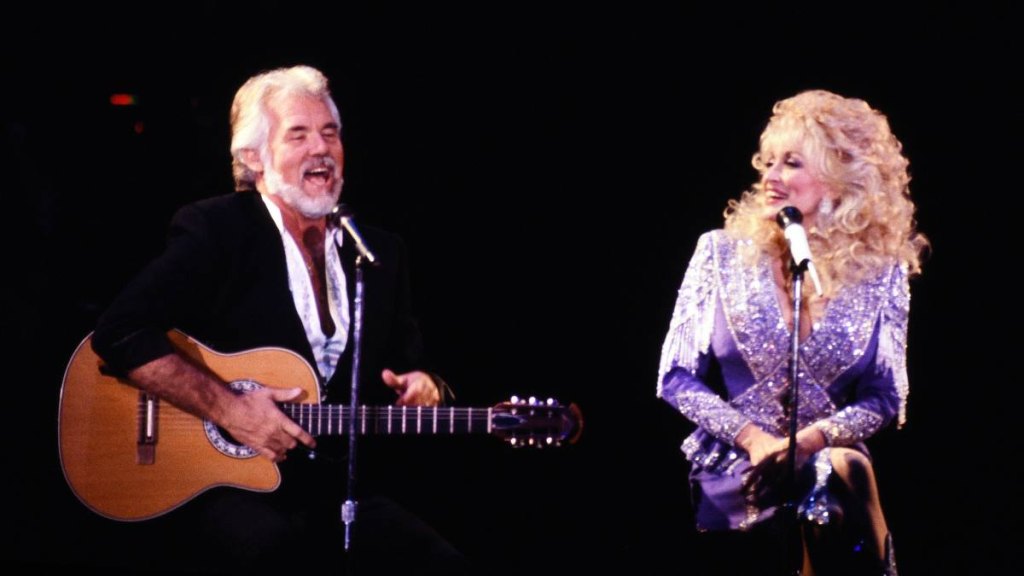
This 1983 song became one of Dolly’s most treasured duets with Kenny Rogers, but it was actually written by the Bee Gees—and originally intended for Marvin Gaye! (An even lesser-known fact: The love song’s title was inspired by a novel of the same name written by Ernest Hemingway.) While Barry Gibb and Kenny worked on ‘Islands in the Stream’ in the studio, Kenny recalled getting stuck creatively.

“We had been singing this song in my studio in L.A. for four days,” he told People magazine. “And I finally said, ‘Barry, I don’t even like this song anymore.’ “And Barry said, ‘We need Dolly Parton.’ So I said, ‘Well, why not, you know?’ And Ken Kragen, my manager, said, ‘I saw her downstairs.’ I said, ‘Well, go get her.’
It turns out fate was in their favor because a few minutes later Dolly walked right into the studio, according to Kenny. “And Dolly, in her inimitable fashion, marched into the room and the song was never the same.” The song reached No. 1 on the Billboard Hot 100, Hot Country Songs, and Adult Contemporary charts and went on to become a certified platinum hit many times over.
We will think of you every step of the way, Dolly. Thank you for your music and your magic from the bottom of our hearts!
Conversation
All comments are subject to our Community Guidelines. Woman's World does not endorse the opinions and views shared by our readers in our comment sections. Our comments section is a place where readers can engage in healthy, productive, lively, and respectful discussions. Offensive language, hate speech, personal attacks, and/or defamatory statements are not permitted. Advertising or spam is also prohibited.