Kitten Season Is Here! Hannah Shaw Shares How You Can Help Save Tiny Lives (EXCLUSIVE)
Kitten season sounds pretty cute, but it's a more complicated time of year than you might realize

As the weather gets warmer, it’s time for barbecues, beach trips and … kittens? That’s right, summer isn’t just when we take some much-needed time to relax outdoors, it’s also a time of year known as kitten season. Kitten season may sound whimsical on the surface, but it’s surprisingly serious business, and no one knows more about it than kitten rescuer, humane educator and bestselling author Hannah Shaw.
Shaw has earned millions of fans on social media, where she’s known as the Kitten Lady and posts countless heartwarming kitten photos as well as sharing resources about how to care for them. Now that we’re at the peak of kitten season, Shaw has teamed up with Hill’s Pet Nutrition (which feeds foster kittens for free through their Food, Shelter & Love program) to share the meaning of the season—and how people can help to make a difference in the lives of the tiniest felines. Woman’s World sat down with Shaw and Hill’s cat expert Dr. Lisa Restine at New York’s Bideawee animal shelter to get the scoop.
What is kitten season?
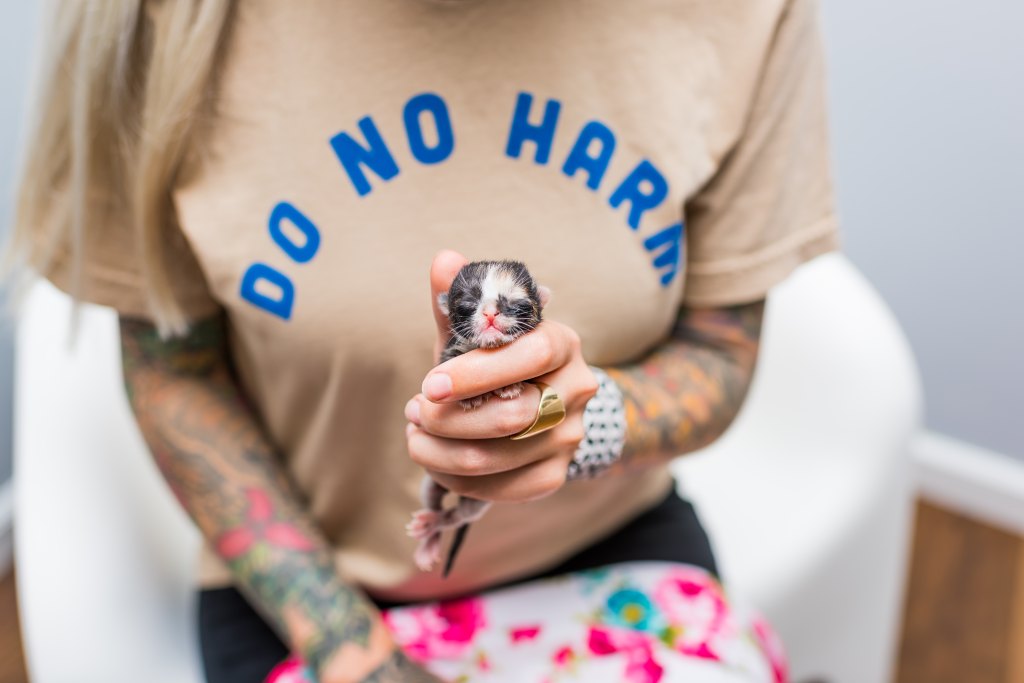
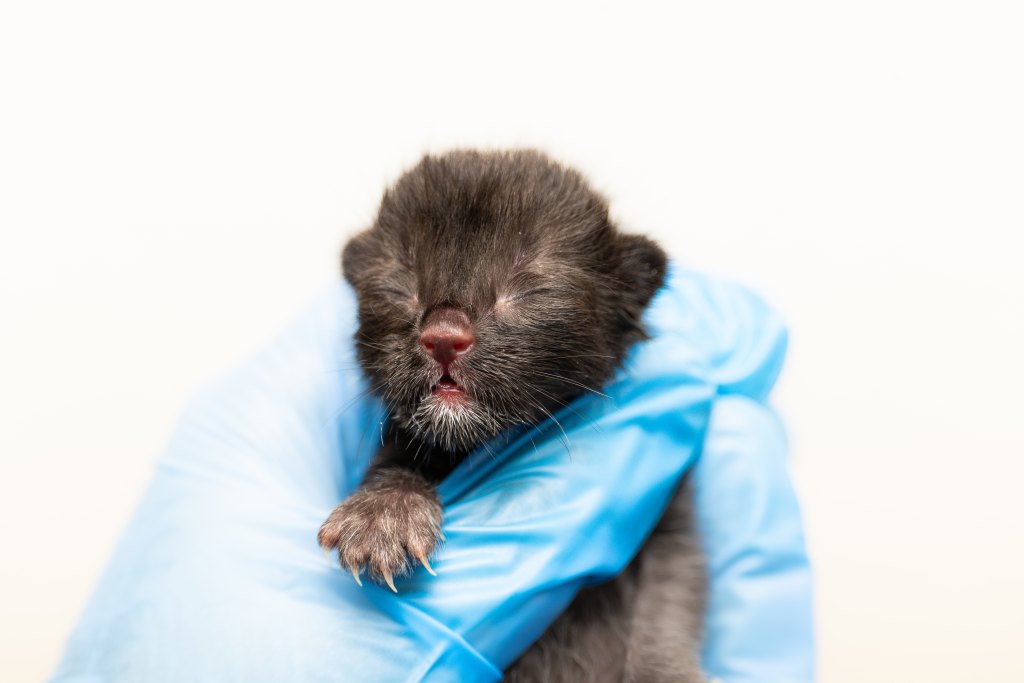
“Kitten season is the time of year where the weather’s warm and cats are giving birth to lots of kittens,” Shaw says. “Unfortunately, during this time shelters become really overwhelmed by the volume of kittens entering their doors. Over 1.5 million kittens enter shelters every year, and over a million of those are too young to be adopted, so those kittens are really dependent on foster parents in order to survive.”

The timing of the season is “like a roller coaster,” she notes. “It’s very flat in the winter, and then from March to April, the amount of kittens starts ticking up. When we get to May, we’re at the very top of kitten mountain. May and June are when we see the most kittens in shelters, and then that slowly descends through November and we get a bit of a break from December to February. The height of kitten season really is right now. If you look at the total number of cats entering shelters, more than half of them are kittens.”
How can you help during kitten season?
“Kitten season sounds very cute, but it’s actually not very cute for the kittens—though it can be if people sign up to foster them!” Shaw says. “There’s a real capacity crisis this time of year and there just aren’t enough resources to be able to care for these kittens. It’s important to understand that kittens under eight weeks old in the US are not adoptable, and the youngest kittens can’t stay on-site in a shelter since they require around-the-clock care that can’t really be done there.” Because of this, “It’s dependent on everyday people in the community to sign up to foster them and take them home for a couple weeks to give them love and a safe place to grow. That’s what ultimately ends up saving their lives.”

“Eight weeks is a moment in a kitten’s life where they become eligible for spay/neuter, and they become able to be adopted,” Shaw says. “After that eight-week mark, they’re three times more likely to survive in a shelter than if they had come into the shelter younger than that, so it really is a matter of a couple of weeks of fostering that can make all the difference for them. It’s something that people can learn how to do in so many different ways. If they foster for a shelter, there will be a foster coordinator who’s able to teach them and mentor them throughout the process,” she adds, noting that she “tries to be everybody’s friend in this process,” through her Kitten Lady offerings.
The Kitten Lady debunks foster myths
“There are a lot of reasons why people think they can’t foster,” Shaw admits. “People will say they don’t have enough space, but it really doesn’t take much space to foster kittens. Most people use a playpen or their bathroom or some kind of smaller space within their home.”
Shaw also acknowledges, “A lot of people are worried that it’s going to be expensive to foster, and it absolutely isn’t. Fostering costs you time and love. It doesn’t cost you money. When you foster for a shelter, they provide all the vet care and some or all of the supplies, depending on the organization.”

“The biggest thing is that you do not need to have any experience to foster,” she says emphatically. “If you have the ability and have ever been curious about it, spring and summer is the time to do it. No matter where you live, if you sign up to foster for your local shelter right now, you’re going to be making a difference.”
Shaw has words of motivation for anyone who may be on the fence: “If it feels intimidating to you, I would say it feels scary because it’s unfamiliar, not because you can’t do it. Anybody can learn to foster. The number-one resource that kittens need is people who are willing to open their homes to them short-term, and you don’t have to do it all the time. It’s something that you can do just during kitten season, if you want to.”

Foster kittens and food
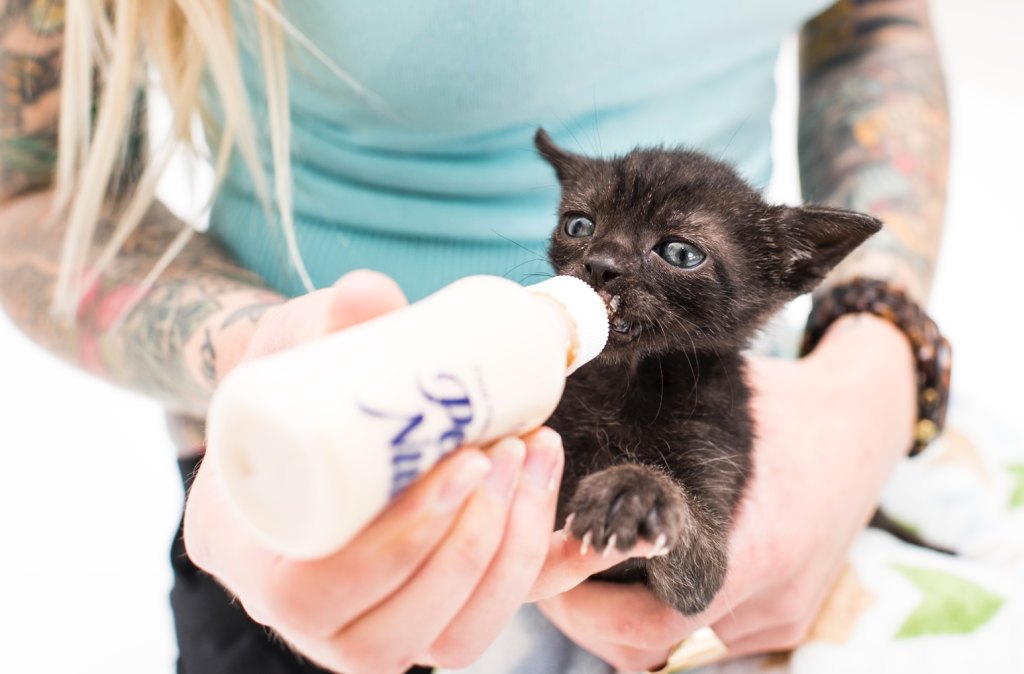
Both Shaw and Hill’s veterinarian Dr. Restine say that nutrition is key for a tiny foster kitten. “These neonatal kittens start to develop their taste preferences as young as three weeks,” says Dr. Restine. “Most of them are still nursing at that time, but it’s up to the people fostering them to help expose them to different varieties of food textures and flavors so that they develop these preferences when they’re young. When they get older, if we want to change their food, we don’t want them to be stuck on one type of food and become picky. A lot of these kittens need antibiotics for whatever reason, and that can mess up their gut microbiome, so getting them good nutrition is key to help replenish that.”

“Little kittens eat a lot—you’d be amazed by how much!” Shaw says. “A kitten’s stomach capacity when they’re first born is very small, so they’ll need to be fed about 12 times a day. They have high caloric requirements and their metabolism is rapid.” It might sound tricky to keep up with this feeding schedule, but she explains, “As a foster parent, you don’t have to worry about waking up every two hours for the rest of your life. Every week, they gain an hour of ability to wait between meals. If you foster a true newborn, you would be feeding them every two to three hours. But as they get a little bit older, a three-week-old eats about every four hours, a five-week-old eats about every six hours. Once they’re weaning age, we can get them to three to four times a day, and once they’re adoption age, it’s more like three times a day, and then that slowly goes down as the kitten builds more fat storage and their organs get more developed.”
The heartwarming benefits of fostering kittens

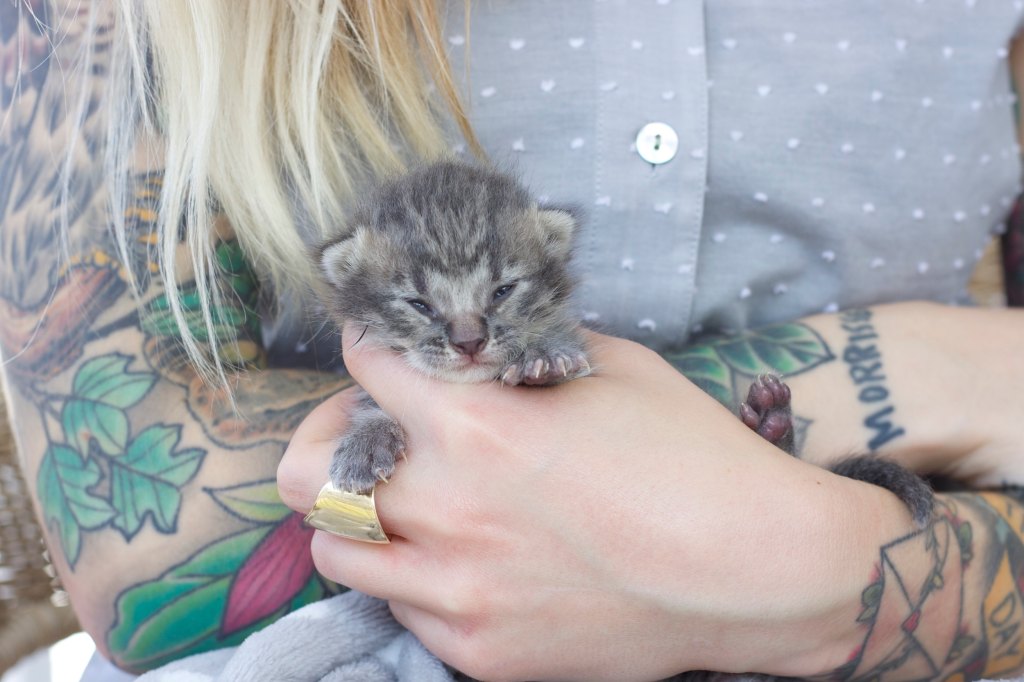
Fostering isn’t just good for vulnerable kittens, it’s also good for your soul. “I’ve been fostering for 16 years, and have fostered over 1,000 kittens,” Shaw says. “It’s been completely transformative for the way that I perceive the world, because I know that when I wake up in the morning I can take my compassion and put it to work and make positive change happen. You get to see how quickly they change and how much they respond to your care.” On top of all that, Shaw says, “Kitten purrs have a proven healing impact.”
While the average person isn’t likely to foster nearly as many kittens as the Kitten Lady herself, every little bit of effort helps during this time of year, and as Shaw puts it, “We live in a world where people are always trying to find their purpose and find things that give life meaning, and I think that very few big issues in the world can be solved through something as joyful as taking care of kittens.”
Conversation
All comments are subject to our Community Guidelines. Woman's World does not endorse the opinions and views shared by our readers in our comment sections. Our comments section is a place where readers can engage in healthy, productive, lively, and respectful discussions. Offensive language, hate speech, personal attacks, and/or defamatory statements are not permitted. Advertising or spam is also prohibited.