Easter Egg Dying Tips You’ll Wish You Knew Sooner (Goodbye, Stained Counters!)
Lora McLaughlin Peterson's genius kitchen hacks make Easter egg dyeing fun—no messy cleanup!

Key Takeaways
- A whisk or tongs keep little hands clean while dipping Easter eggs.
- A cookie sheet and muffin tin work together to contain drips and spills.
- Parchment paper protects counters far better than newspaper or paper towels.
You love the tradition: Little hands reaching for bright colors, the kitchen table covered in cups of dye, the proud display of finished eggs on the counter. What you don’t love? The aftermath. Stained countertops. Tipped cups sending rivers of color across the table. Tiny fingerprints in shades of blue and pink on every surface. The actual dyeing takes about 30 minutes. The cleanup? That can take twice as long.
Lifestyle expert and television host Lora McLaughlin Peterson has a smarter way. Peterson, who shares how to live a fabulous life for less at LORAfied.com, has a handful of low-cost kitchen tricks that keep the mess contained without stealing any of the fun.
Her simplest one starts with something sitting in your utensil drawer.
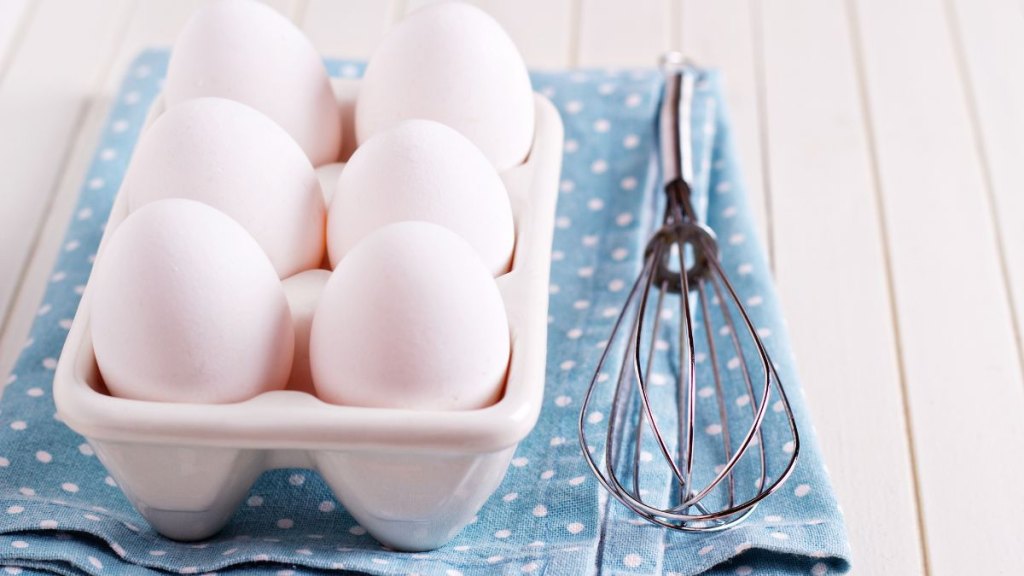
A whisk does double duty as an egg holder
When dyeing hard-boiled eggs with the little ones in your life, skip dropping eggs into cups or bowls of dye with bare fingers. Instead, pop the egg inside a whisk and gently dip in the dip. The wires of the whisk cradle the egg, giving you (or a child) a secure grip while lowering it into the color. No fumbling with fingers in the dye. No egg slipping to the bottom of a cup and splashing liquid over the rim.
No whisk on hand? Tongs work great, too, according to Peterson.

A cookie sheet and muffin tin catch every drip
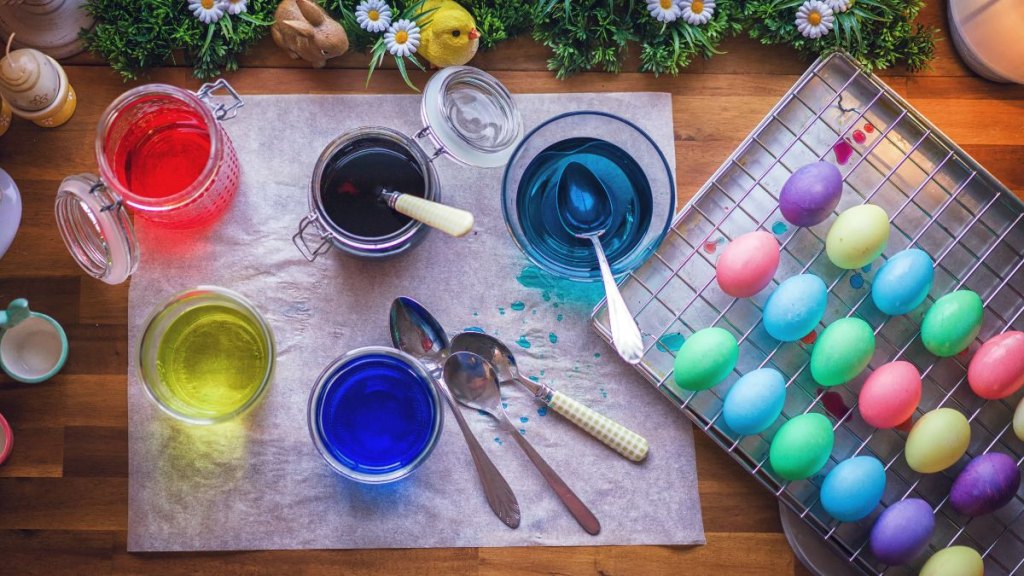
Peterson’s second tip targets the spill zone. Whether you’re using dye kits or natural dyes, place your cups on a large cookie sheet to contain any spillage or drips. The raised edges of a sheet pan catch everything, turning what could be a table-wide disaster into something you can rinse off in seconds.
If you’re using smaller cups, pop them into the wells of a muffin tin for added support. This is a particularly clever move because small cups (the kind that come in most store-bought kits) tend to be lightweight and top-heavy once an egg goes in. A muffin tin locks them in place so they can’t wobble or topple.
Parchment paper beats newspaper every time
Peterson’s third tip addresses the surface beneath all the action: line your counters with parchment paper before dyeing. It’s stronger than newspaper, and dyed eggs won’t stick to it.
That nonstick quality matters more than you might expect. Traditional newspaper gets soggy fast, and wet dye can transfer through it onto the counter below. Wax paper can tear. Paper towels absorb the dye and become a mess themselves. Parchment paper resists all of that.
Once the eggs are done, place freshly dyed eggs on a baking rack to dry. This keeps air circulating around the entire surface of the egg so the color dries evenly, and you avoid those flat spots where wet dye pools against a surface and creates uneven patches.

Why these simple swaps work so well
What ties Peterson’s tips together is a single principle: using kitchen tools you already have in ways you probably haven’t considered. A whisk becomes an egg holder. A cookie sheet becomes a spill guard. A baking rack becomes a drying station. Parchment paper becomes a counter protector. None of these require a trip to the store or a specialty product.
Egg dyeing is supposed to be a casual, festive activity, but the dread of cleanup can make people avoid it altogether or limit it to one rushed session. By setting up these small containment systems before you start, the whole process runs smoother, and the post-dyeing reset takes minutes instead of a scrubbing marathon.
Your five-minute setup before the fun begins
If you want to try Peterson’s method this season, here’s how to prep your station before cracking open the dye:
- Lay parchment paper across your work surface
- Set a large cookie sheet on top of the parchment paper
- Place your dye cups on the cookie sheet (or nestle smaller cups into a muffin tin on the sheet)
- Set a baking rack nearby for drying
- Keep a whisk or tongs at each station for dipping

For more of Peterson’s home, kitchen and life tips, visit LORAfied.com.
Ready for more? Subscribe to our YouTube channel for video podcasts, health tips and uplifting stories designed for women 40, 50, 60 and beyond.
A version of this article originally appeared in the March 30, 2026 print issue of Woman’s World.
Conversation
All comments are subject to our Community Guidelines. Woman's World does not endorse the opinions and views shared by our readers in our comment sections. Our comments section is a place where readers can engage in healthy, productive, lively, and respectful discussions. Offensive language, hate speech, personal attacks, and/or defamatory statements are not permitted. Advertising or spam is also prohibited.