Maximalism Is Having a Moment: What the ‘Eccentric Aunt Aesthetic’ Is and How to Pull It Off at Home
More is more, but only when every piece tells a story. Top designers share the rules of new maximalism.

Minimalism had its moment. Now the pendulum is swinging hard in the other direction.
Searches for “vintage maximalism” jumped 260% on Pinterest’s 2025 Fall Trends report. “Eclectic maximalism” rose 215% and “eclectic apartment” surged 630%.
The numbers from the professional side tell a similar story. According to 1stDibs’ ninth annual Interior Designer Trends Survey, maximalism (39%) and eclecticism (38%) are the two most in-demand styles of 2026.
“Maximalism is having another moment, with an emphasis on special pieces and pops of really, truly personal items,” Stephanie Hunt, founder of The Flairhunter, told Forbes.
As maximalism interior design trends gain momentum, one character has come to define the movement: the eccentric aunt.
Maximalism meets the ‘eccentric aunt’ aesthetic
“The Eccentric Aunt is the family member everyone talked about on the drive home,” interior designer Piper Skillman told Homes & Gardens. “It’s comfort and adventure in the same room.”
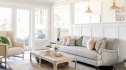
The eccentric aunt aesthetic isn’t maximalism for its own sake. It’s about authenticity. Every object in the room should feel like it earned its place.
“The eccentric aunt aesthetic embraces individuality, layered collections, rich color, books, antiques, textiles, original artwork and unexpected combinations that reveal the personality of the person who lives there,” designer Kelsie Lally told Martha Stewart.
Think of it as maximalist decor with a point of view. An inherited cabinet sits next to a contemporary lamp and a strange flea-market find. None of it matches and all of it belongs. The room looks collected rather than decorated because it was.
“Make the place yours. And also, who cares what other people like?” actress Nicole Byer told The Ethos. “You have to like it, you have to look at it, you have to live in it.”
That philosophy is what separates the eccentric aunt from generic maximalism home decor. It’s not about filling every surface. It’s about filling your home with things that actually mean something to you.
Start small. Display something you collect. Hang personal artwork alongside family photos and unexpected finds. Let hobbies, books, records and travel mementos become part of the décor. Use hand-me-downs and thrifted pieces to create a home that no catalog could replicate.
How to embrace maximalism without the chaos
More personality doesn’t have to mean more clutter. The key is building the look gradually and giving each piece room to breathe.
“If you’re not ready to fully jump into this aesthetic, dip your toe in by mixing up your picture frames, starting a collection of something that brings you joy or covering your sofa in mismatched throw pillows,” designer Morgan Cartier Weston told Good Housekeeping.
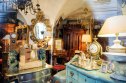

A few principles to keep the look intentional:
- Choose a recurring color. Repeat one or two shades across artwork, textiles and accessories so the room has a visual thread.
- Mix old and new. Pair inherited furniture with a modern light fixture or sculptural accent.
- Vary your pattern scale. Balance a large floral with smaller checks, stripes or geometric prints.
- Give collections boundaries. Dedicate one shelf, cabinet or tabletop to a collection rather than spreading it everywhere.
- Leave breathing room. Keep part of each surface empty so the eye has somewhere to rest.
- Edit regularly. Remove anything that feels disconnected or included only to fill space.
As designer Whitney Anderson told Good Housekeeping, “Rather than a one-size-fits-all approach, this is one-size-fits-YOU.”
A room can hold plenty of color and character without tipping into chaos. The trick is making sure every piece feels chosen. That’s what the eccentric aunt always understood. Her home wasn’t cluttered. It was hers.
Conversation
All comments are subject to our Community Guidelines. Woman's World does not endorse the opinions and views shared by our readers in our comment sections. Our comments section is a place where readers can engage in healthy, productive, lively, and respectful discussions. Offensive language, hate speech, personal attacks, and/or defamatory statements are not permitted. Advertising or spam is also prohibited.