This Terrifying Jury Duty Scam Could Cost You Thousands—Here’s How to Stay Safe
These convincing scammers use personal details to frighten victims. Learn how to protect yourself

Picture this: You answer a call from someone who says they’re a police officer—and you’re in trouble for missing jury duty. The only way to resolve the situation? Pay a fine immediately or end up in jail. The good news: This terrifying call is nothing more than a scam, but it can catch even the most savvy people off guard. Thankfully, being prepared can ensure you don’t become a victim of this particular jury duty scam or other law-enforcement impersonation scams like it. Keep reading for everything you need to know about staying safe.
What is the jury duty scam?
We all know spam calls are annoying—but this particular scam? It’s absolutely terrifying. Fraudsters are posing as law enforcement and calling unsuspecting people to alert them that they are in legal trouble. The most common claims: You missed jury duty, you’re linked to a serious crime or you failed to appear in court.
For all of these situations, the scammer will need you to pay a hefty fine, or there will be a warrant for your arrest. In a panic, you comply and pay the fee—which goes right into the pockets of the criminals. And here’s the heartbreaking part: By the time you realize what’s happened, your hard-earned money is already gone.

How police-impersonation scams work
Here’s how these criminals operate: You answer your phone, and the caller immediately identifies themselves as an officer from your local police or sheriff’s department. Once they have your attention, they will make it clear why you are being contacted.
This might be that you did not respond to a jury duty summons, you need to provide proof you were not caught up in a drug trafficking case or something else entirely.
The next step? Letting you know that you must now pay a fine for failing to appear in court or risk arrest. This fee could be thousands of dollars, with one person saying theirs was a whopping $15,000.
Most of the bad actors will demand payment right away on the phone, often threatening you with arrest if you don’t send the money via the requested method.
In other variations, you will be told to go directly to your local sheriff’s office to pay—but in a rather suspicious manner.
“As I approached close to the sheriff’s office they told me I had to use a kiosk inside the sheriff’s office, but that needed to be paid by a prepaid card—he [legitimately] told me to go to a Walmart. BIG red flag!” one Reddit user shared last year. “Their reasoning was because funds via debit/credit can be disputed to [the] bank immediately after (I’m eye-rolling now) and that cash is not accepted either.”
Other scammers will direct victims to use payment kiosks at stores like Walmart and Kroger. These machines convert your cash into digital currency that’s nearly impossible to trace or recover.
Why this scam is so concerning and dangerous
In order for scammers to steal finances, they use pressure tactics. This means making potential victims feel guilty (particularly in romance scams) or scaring them into complying.
In fact, many people have reported their experiences to be so realistic that they had a hard time determining it was a scam—even when assured by confirmed law-enforcement officers that was the case.
The reason? Many of these fraudsters had sensitive information they used to essentially blackmail people, such as Social Security numbers, addresses, dates of actual jury summons and other identifiable details.
One person shared a chilling detail that almost convinced them the call was real: “I thought it was a scam until they gave me my neighbor’s name, whom I had recently filed an elder abuse file on!” someone revealed.
Adding to the believability: These criminals are reportedly very articulate, use legal jargon, put you on hold repeatedly and ask for legal documents. All of these steps are taken to make potential victims less likely to brush it off as a scam.

Your action plan if scammers target you
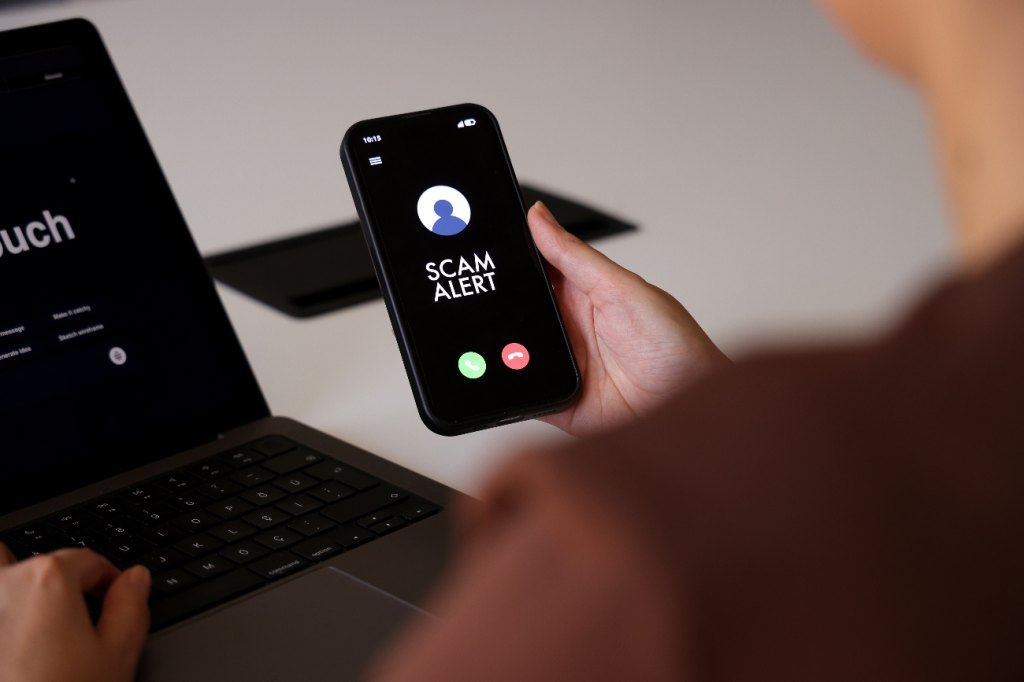
If you should you find yourself on the receiving end of one of these law-enforcement impersonation calls, your best line of defense is to immediately hang up.
“Do NOT entertain these callers and NEVER provide any of your financial information via telephone,” advised Ohio’s Sidney Police Department in a Facebook post.
The fraudster may threaten you with legal action if you hang up in the middle of the conversation, but know that they are just trying to scare you into giving them what they want.
If you did give away money or sensitive information, you’ll want to file a report for fraud with your local police department. Additionally, contact your bank and other financial institutions (like credit card companies) to freeze your accounts. You may also want to change the password for any accounts that you believe the scammer could now have access to.
Simple steps to stay safe and in control
Now for the empowering part: Though there are frequent reports of these jury duty and warrant scams, staying alert can help you avoid becoming a victim!
The most important thing to know? “Law enforcement does not ask for money via telephone and you will not be informed of a warrant for missing jury duty via telephone (and then asked for immediate payment in lieu of penalties),” shared the Sidney Police Department.
Even if the caller provides detailed personal information about you, don’t be fooled–it does not mean they are legitimate police officers. (Data breaches make it easier than ever for bad actors to acquire these sensitive details.) When in doubt about possible legal concerns, contact your local law enforcement directly using official channels. Real officers will be happy to verify whether there’s an actual issue.

Above all, trust your instincts. If something feels off, it probably is—and you have every right to protect yourself.
Conversation
All comments are subject to our Community Guidelines. Woman's World does not endorse the opinions and views shared by our readers in our comment sections. Our comments section is a place where readers can engage in healthy, productive, lively, and respectful discussions. Offensive language, hate speech, personal attacks, and/or defamatory statements are not permitted. Advertising or spam is also prohibited.