New Proposal Could Save Retirees Thousands on Social Security Taxes—See the Details
Congress may stop taxes on Social Security lump-sum payments—find out how the new bill could impact you!

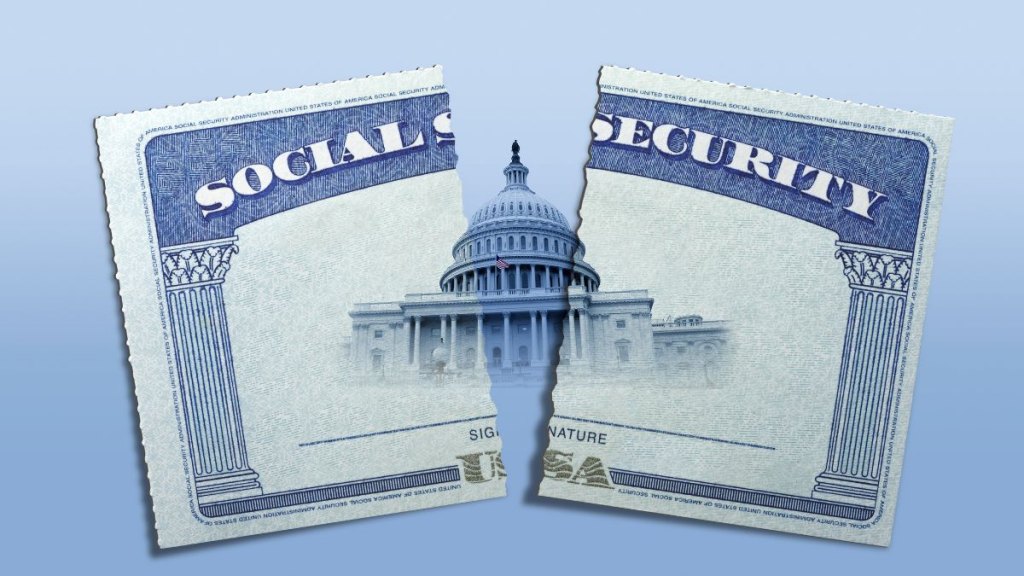
Taxes on Social Security continue to remain a hot topic of conversation in the United States. To help fight that, Congress is working on the No Tax on Restored Benefits Act, which would eliminate taxes on seniors’ lump-sum payments. To learn more about this piece of legislation, including when it could potentially become a law, keep scrolling.

What to know about the No Tax on Restored Benefits Act
In 2025, the Social Security Fairness Act was signed into law. It repealed the Windfall Elimination Provision (WEP) and Government Pension Offset (GPO), both of which reduced Social Security benefits for public sector workers in non-covered positions, including teachers, police officers and firefighters. Once the Social Security Fairness Act took effect, Americans who had their payments reduced reclaimed those funds. However, those lump-sum payments were taxed, creating an unexpected financial burden for many retirees.
Fast forward to February 2026, when Texas Representative Lance Gooden and Maine Representative Chellie Pingree introduced the No Tax on Restored Benefits Act to the House, explaining that if the bill passed, seniors who received a lump-sum Social Security payment in 2025 would no longer be subject to paying taxes on the funds.
“First, the federal government shortchanged public servants by withholding the Social Security benefits. Now, Washington is trying to tax those benefits,” Gooden told Fox Business earlier this week. “It’s a slap in the face to teachers, firefighters, law-enforcement officers and more who devoted their careers to serving our communities. The No Tax on Restored Benefits Act finally ends the mistreatment of our public-sector retirees.”
Pingree added to that, saying in a statement, “For hundreds of thousands of Americans, the bipartisan Social Security Fairness Act was truly transformative, ensuring they received the benefits they deserved. But it was never intended to saddle widows, low-income seniors and dedicated public servants with an unexpected tax bill.”
“The No Tax on Restored Benefits Act addresses this problem in a fair, commonsense way by protecting people who were previously below the taxation threshold from being unfairly punished because of a one-time, retroactive increase in their earned benefits,” Pingree continued.
What the No Tax on Restored Benefits Act means for Americans
Finance expert Michael Ryan, founder of MichaelRyanMoney.com, told Newsweek, “This bill is damage control for a tax surprise Congress created when they retroactively restored benefits without telling people to withhold taxes upfront.”
“The $6,000 OBBBA [One Big Beautiful Bill Act] deduction already covers most affected seniors,” he continued. “If this new bill passes, it’s an extra cushion. If it doesn’t, the existing deduction still helps, but some high-income public retirees will owe taxes on their lump sums.”
When will the No Tax on Restored Benefits Act take effect?
Currently the No Tax on Restored Benefits Act is with the House of Representatives. If it passes there, it will go to the Senate. If they approve it, it will be sent to President Donald Trump’s desk, where he will either sign it into law or veto it altogether.

As of publication, there is no timeline for when those things could happen.
“Our public-sector retirees worked their whole lives to serve and improve our communities. The No Tax on Restored Benefits Act guarantees that they keep every dollar of the benefits they have rightfully earned,” Gooden said in a statement.
Conversation
All comments are subject to our Community Guidelines. Woman's World does not endorse the opinions and views shared by our readers in our comment sections. Our comments section is a place where readers can engage in healthy, productive, lively, and respectful discussions. Offensive language, hate speech, personal attacks, and/or defamatory statements are not permitted. Advertising or spam is also prohibited.