How One Arizona Mom Turned Adopting 3 Native Children Into a Lifeline for Families Everywhere
After adopting three foster children, Elisia created a nonprofit preserving Native traditions

Key Takeaways
- Elisia Manuel realized there was a lack of resources for Native American foster children.
- She launched Three Precious Miracles to provide free clothing and supplies to families.
- She connects foster families with Indigenous culture through food, clothing, and events.
When Elisia opened her home and heart to a newborn in need, she also opened the door to a life-changing mission — helping Native American foster and adopted children stay connected to their cultural heritage and traditions! Here, she shares her story with Woman’s World.
“I thank God that I can help the next generation to know their wonderful background,” says Elisia with her family.
“He’s beautiful,” Elisia Manuel whispered as the social worker carried in the tiny, five-day-old baby.
“This is your new foster mom,” the woman told the baby boy, placing him in Elisia’s arms. “I also have a car seat,” she told Elisia. “But it’s the only one we have, so we’ll need it back.”
“I understand,” Elisia replied, knowing firsthand that on the Arizona reservation, money for supplies was tight.
Elisia, who is half Mexican and half Apache, is a reservation volunteer helping Indigenous children. She and her husband, Tecumseh, couldn’t have children of their own, so when the opportunity to foster displaced Native American kids arose, they didn’t hesitate.

“The baby’s big sister, Precious, is also in the system,” the social worker told Elisia and Tecumseh a few months later.
Soon, the couple decided to welcome the little girl into their home as well. And not long after, they learned about another newborn baby boy. They felt so fulfilled by their first two foster children that they decided to open their hearts a third time.
This time, they made it official. They adopted all three kids, naming the first newborn baby Tecumseh, after his new dad, and the second Micah.

Forever family
Caring for her new family opened Elisia’s eyes to the lack of resources available to Indigenous children and families.
“Maybe we can help more,” she told her husband, and in spring 2013, she began reaching out to everyone she knew. “If you have any kids’ or baby clothes to donate, I’m hoping to open a free clothes bank to help foster kids and their parents.”
It wasn’t long before Elisia’s garage overflowed with baby, toddler and kids’ clothing and supplies. She held weekly shopping sessions for community members in need, where everything was free.
During one event, a foster mom shyly approached Elisia.
“My husband and I aren’t Native American, but we want to help our little boy stay connected to his culture,” she began. “We just don’t know where to start.”
A hopeful new mission
Elisia visited the family’s home, bringing a gourd rattle, traditional foods and stories about the boy’s tribal heritage.
Word spread, and other foster and adoptive parents reached out. Elisia began organizing cultural events and demonstrations, where she introduced the kids and their parents to traditional foods, like frybread and stews.
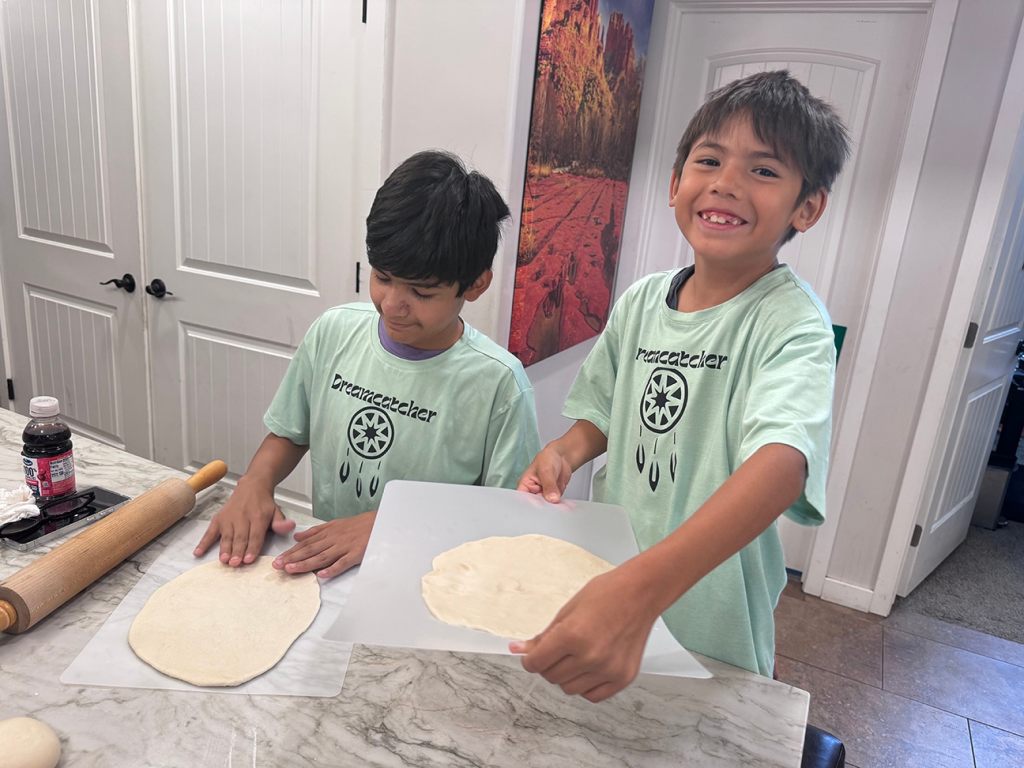
Her sister Chrissy, an excellent seamstress, demonstrated how to stitch ribbon skirts and other traditional regalia. Elisia held powwows and hosted workshops for parents and schoolchildren.
Elisia soon decided to make her new mission a nonprofit, Three Precious Miracles — taking the name from the first initials of her three children. And over the past dozen years, she’s spread cultural pride and awareness to many thousands of Indigenous children and their parents — like Michele Wight and her Navaho sons, Jacob and Jason.

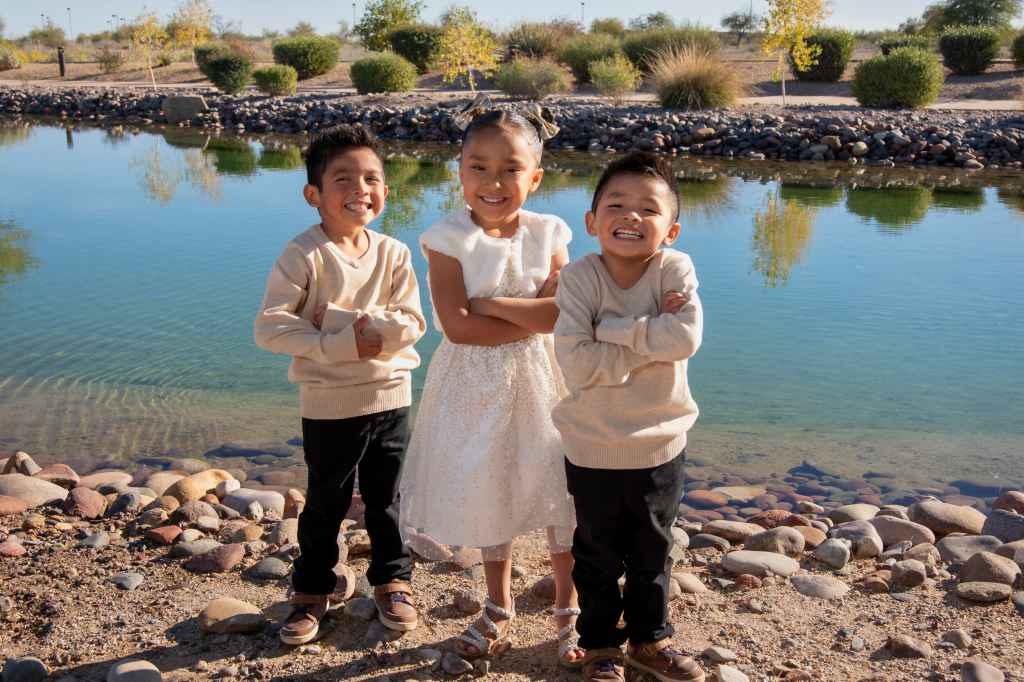
“The first time I mentioned their Navaho heritage my boys asked, ‘What’s that?’” Michele recalls.

Now, they are fascinated.
“With Elisia, I’ve always had someone to call for advice and to connect me with other foster families,” Michele says.
Elisia is just as grateful.
“I thank God that He put me in a place where I can help share with others and help the next generation to know and honor their wonderful heritage.”
Conversation
All comments are subject to our Community Guidelines. Woman's World does not endorse the opinions and views shared by our readers in our comment sections. Our comments section is a place where readers can engage in healthy, productive, lively, and respectful discussions. Offensive language, hate speech, personal attacks, and/or defamatory statements are not permitted. Advertising or spam is also prohibited.