‘I Dig Up My Whole Lawn!’: How One Woman Turned 1 Acre Into 20,000 Lbs of Food for Hungry Families
After seeing processed surplus food break hearts, Jean-Marie Buxton grew a 10-ton miracle that turned into the Farmette Project

Key Takeaways
- Jean-Marie Buxton turned her one-acre lawn into a thriving community farm.
- The Farmette Project has delivered over 10 tons of fresh food to those in need.
- Local farmers and backyard gardeners now donate their excess crops.
Most people would have seen a one-acre yard. Jean-Marie Buxton saw a new purpose. After years of serving others, she decided to transform her lawn into a small farm to grow fresh fruits and vegetables for hungry people in need — and it started a ripple effect of giving. Here, she shares her story with Woman’s World.
When Jean-Marie and Cory Buxton moved into their Corvallis, Oregon, A-frame home with an old farm barn out back, Cory gazed out at the acre of grass and said, “I’m going to need a good lawn mower.”
But Jean-Marie just smiled. “I have a better idea. I’m going to dig it all up,” she said with a gleam in her eye.

Jean-Marie spent most of her life working to help people. She recruited for AmeriCorps, then worked several years with Child Protective Services. In South Dakota, she volunteered on a Lakota reservation, helping distribute food to families in need.
But the work also broke her heart.
Most of the food the reservation was given was USDA surplus — blocks of cheese so overly processed they didn’t require refrigeration, expired powdered milk and canned meat that looked — and smelled — like old dog food.
Discouraged and burned out, Jean-Marie left the reservation and began making and selling handmade soaps to help put her sons, Jonah and Remy, through college.
Looking out over her new home inspired an old passion.
“It’s time to get back to helping others,” she told Cory, and she knew exactly where to start.
Growing a mission
Jean-Marie reached out to Oregon tribal reservations and asked, “If I bring fresh produce, will it get used?”
“Definitely!” came the responses, and that was all she needed to know.
Jean-Marie’s home was only a mile from the Marys River, so her land had been enriched by centuries of flooding.
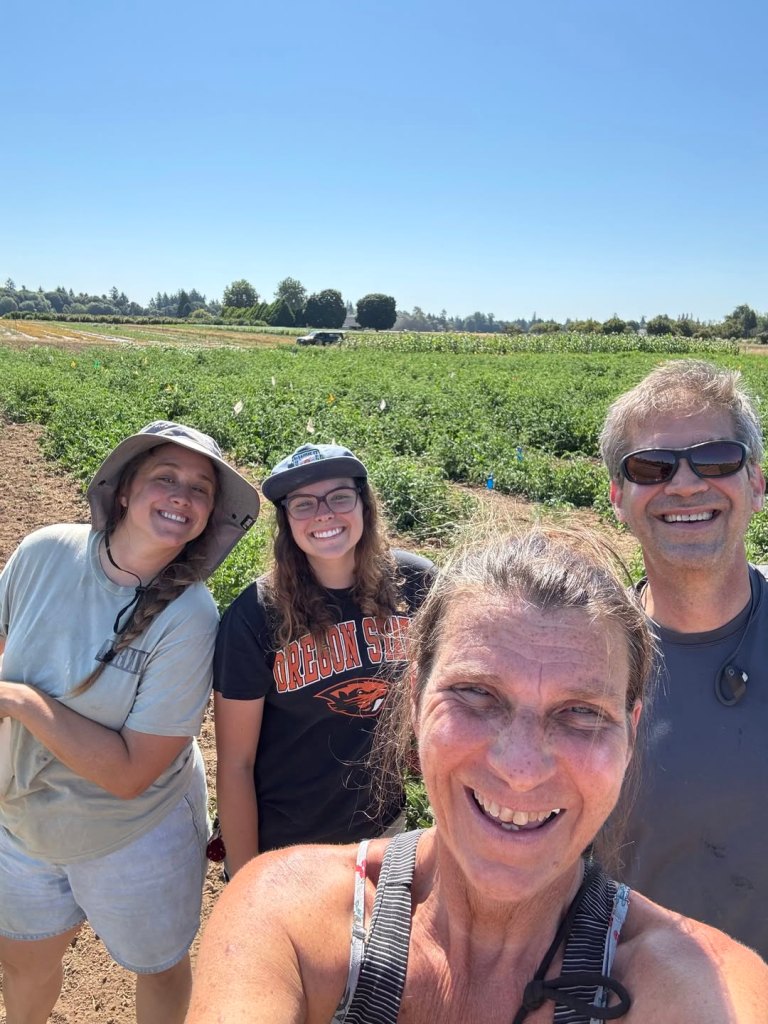
“This soil wants to grow vegetables,” she told her sons and their friend and together, they spent three months digging up the lawn, spreading compost and loosening the soil with broadforks.
Half of the former lawn became a tomato field. Jean-Marie turned the other half into an orchard, planting plum, pear and apple trees.
She decided to name her mission the Farmette Project (@TheFarmetteProject on Instagram), and in their first year, they produced 1,700 pounds of tomatoes — more than enough for the reservations and several local food banks.
But Jean-Marie’s plans changed the following year.
“We don’t need to plant tomatoes next year,” she announced at the end of the season, because an Oregon State University professor studying tomatoes told her she could pick all she wanted from the outside rows of his university plot.
An abundance for all
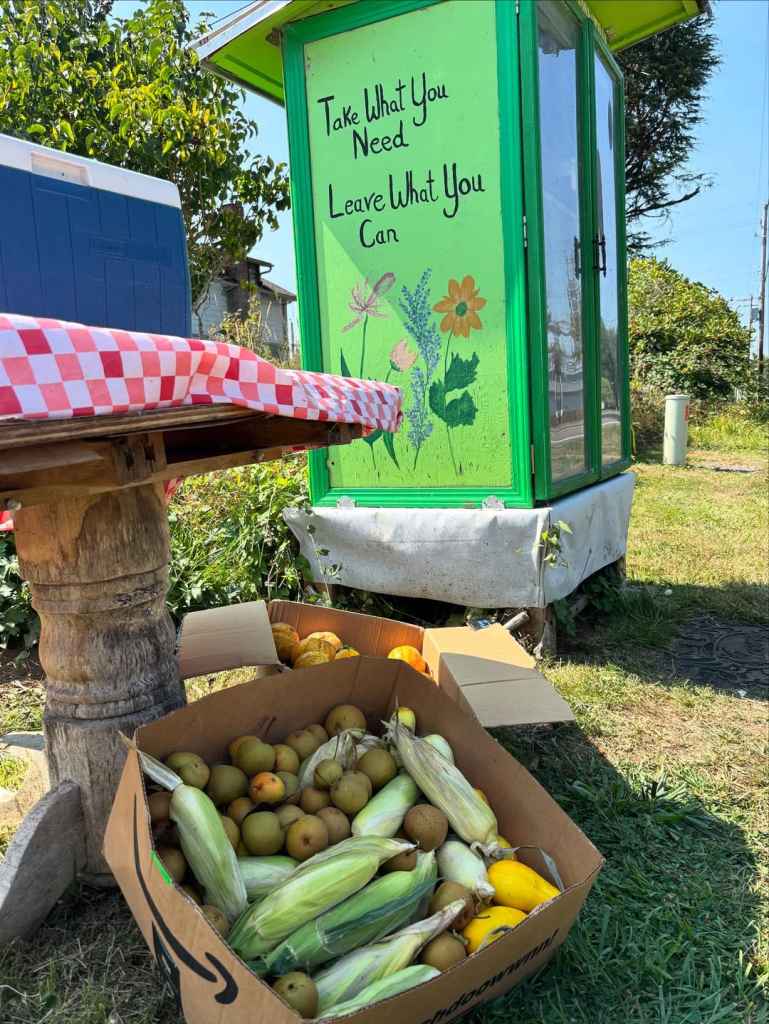
So the next spring, the Farmette Project diversified, planting cucumbers, greens, peppers, eggplant and other vegetables.
Other local farmers and backyard gardeners began pitching in and contributing their excess crops.
“I have 25 fig trees in my yard, and you’re welcome to all you can pick,” one woman offered.
Soon, Jean-Marie and volunteers from Facebook were collecting a sweet harvest from the woman’s yard and another nearby blueberry farm, to boot!
The food is so abundant one of the reservations now offers canning classes so residents can make their fresh bounty last even longer. Jean-Marie and Cory have also extended the harvest by turning an old boat frame into a winter greenhouse to grow food year-round.
While Jean-Marie loves helping others, she doesn’t insert herself into recipients’ lives.
“People need their privacy and their dignity,” she says humbly.

But every time she arrives with crates of green beans, turnips, figs and tomatoes, their smiles say everything.
“Jean-Marie’s donations have a profound impact on our ability to serve our clients fresh produce that would otherwise be unavailable to them,” one distribution worker said, praising her generosity and dedication, and others agree.
By last September, Jean-Marie’s Farmette Project had delivered more than 10 tons of fresh, healthy produce to Oregon reservations and food banks.
“People should be able to eat healthy, no matter their financial situation,” she says. “If I can help make that happen, then this little farm of mine is doing exactly what it was meant to do.”
Conversation
All comments are subject to our Community Guidelines. Woman's World does not endorse the opinions and views shared by our readers in our comment sections. Our comments section is a place where readers can engage in healthy, productive, lively, and respectful discussions. Offensive language, hate speech, personal attacks, and/or defamatory statements are not permitted. Advertising or spam is also prohibited.