Her Husband Has Early-Onset Alzheimer’s at 55—How Their Family Is Finding Gratitude This Thanksgiving
After Anthony forgot his doctor's referral at 55, Karen learned how to hold onto holiday joy

Key Takeaways
- Early-onset Alzheimer’s signs included struggling with GPS and everyday tech at 55.
- Checking a medical portal uncovered a memory center referral Anthony forgot about.
- Quieter, intentional Thanksgiving gatherings help prevent sensory overload and stress.
November is National Family Caregivers Month, a time to honor the countless individuals who dedicate themselves to caring for loved ones through life’s most challenging moments. From managing daily responsibilities to offering comfort and companionship, caregivers give so much of themselves, often while navigating their own emotions and uncertainties. Their compassion, patience and unwavering love deserve to be recognized and celebrated.
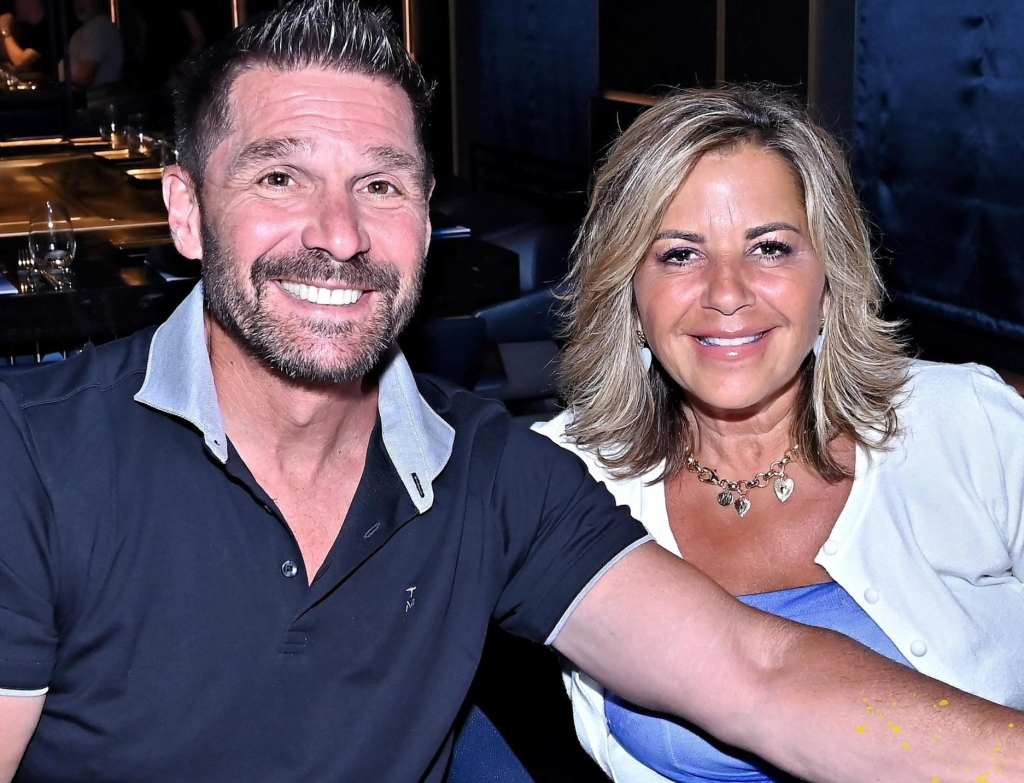
For Karen Sandone, caregiving took on a whole new meaning when her husband, Anthony, was diagnosed with early-onset Alzheimer’s disease at just 55. As their family adjusted to the heartbreaking diagnosis, even beloved traditions like Thanksgiving began to look different. But through the challenges, Karen discovered the importance of leaning on loved ones, embracing small moments of joy and finding gratitude in the time they share.
Here, Karen opens up about their Alzheimer’s journey, how the disease has changed their family’s holiday celebrations and the little things that continue to give her hope.
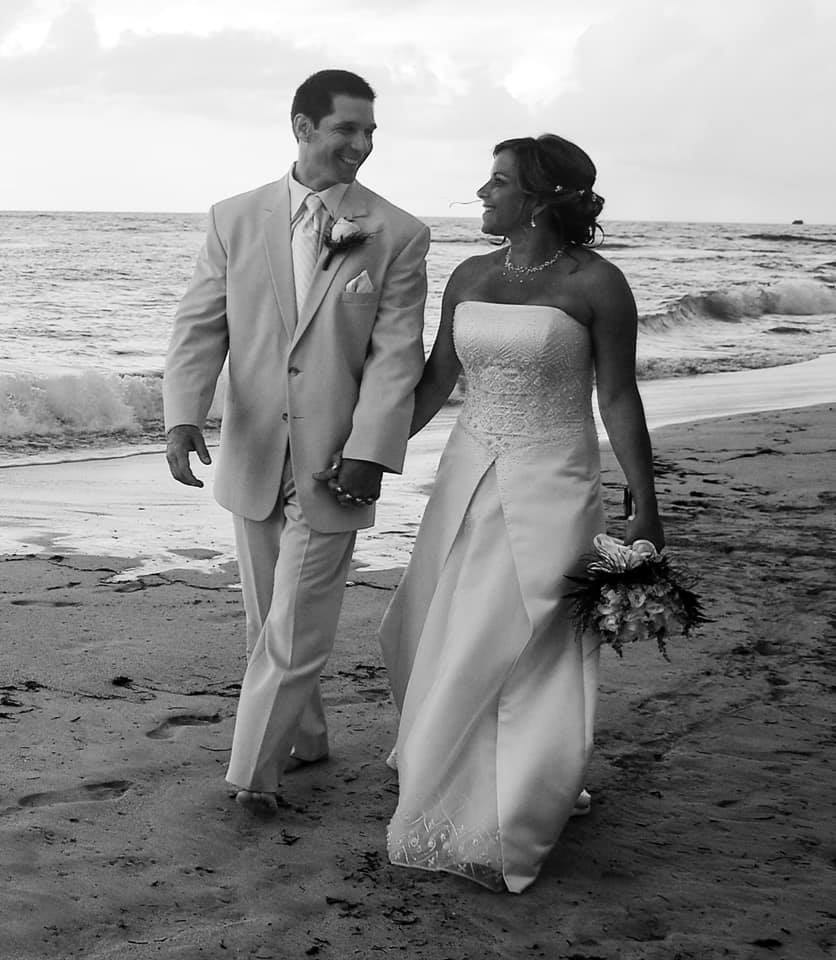
When my husband was diagnosed with early-onset Alzheimer’s
“Around March of 2022, I started noticing something was off with my husband, Anthony. He was struggling with short-term memory loss, word recall and recognition. We’d been married for 13 years and had a large blended family. It wasn’t like him. He’s only 55 years old, I told myself.
“Concerned, he underwent testing, including an MRI. After a follow-up that May, I was relieved when Anthony came home saying the neurologist assured him everything was fine. But over the following months, my worry grew as I noticed more troubling signs. Tasks that were once simple for him—like using everyday technology or navigating with a GPS—became challenging. And I couldn’t shake the feeling that something just wasn’t right.
“Because I have access to his medical patient portal, in September of that year I logged in and reviewed his neuropsychological evaluation results. I was both heartbroken and shocked to learn that the doctor had referred him to a specialist at a memory center three months earlier, but Anthony had attended the appointment alone and couldn’t remember what they discussed.
“After visiting a memory care specialist and undergoing more tests, Anthony was diagnosed with early-onset Alzheimer’s disease (AD). It immediately and profoundly changed our lives.
“I was devastated when I realized how much time we had lost—time we could have used to begin his treatment. Anthony had to stop working, and I took on managing our busy household while working full time.
“Coming to terms with his diagnosis was incredibly difficult for us both, and juggling all our responsibilities while taking a more active role in his health left me overwhelmed and uncertain. I learned that being there for a loved one with memory challenges isn’t just about being present—it’s about making sure nothing falls through the cracks. I couldn’t always be home with Anthony, so I began to rely on a strong support system, including our adult children, loving extended family and caring friends. As Anthony’s AD progresses and we face new challenges, I’m deeply grateful for these amazing people, who give us strength throughout this journey.
How Alzheimer’s changed our Thanksgiving traditions
“Before Anthony’s diagnosis, the holidays were a season of big gatherings, bustling kitchens and a house filled with food, laughter and tradition. But now Thanksgiving looks and feels very different. Along with planning fewer social activities throughout the year, the holidays have taken on a whole new meaning because the pace and noise of the day can easily overwhelm Anthony.
“So our family has altered our expectations, and we all work together to create an environment where he can feel comfortable, included and at peace throughout the day.
“But we still have moments of pure joy. Anthony’s face lights up from the smiles of our children and grandchildren or simple traditions like watching football together or gathering around the table. Anthony’s pumpkin pies were always a highlight of Thanksgiving, and while he no longer bakes them, the memory of him proudly serving them is something our family will always treasure.
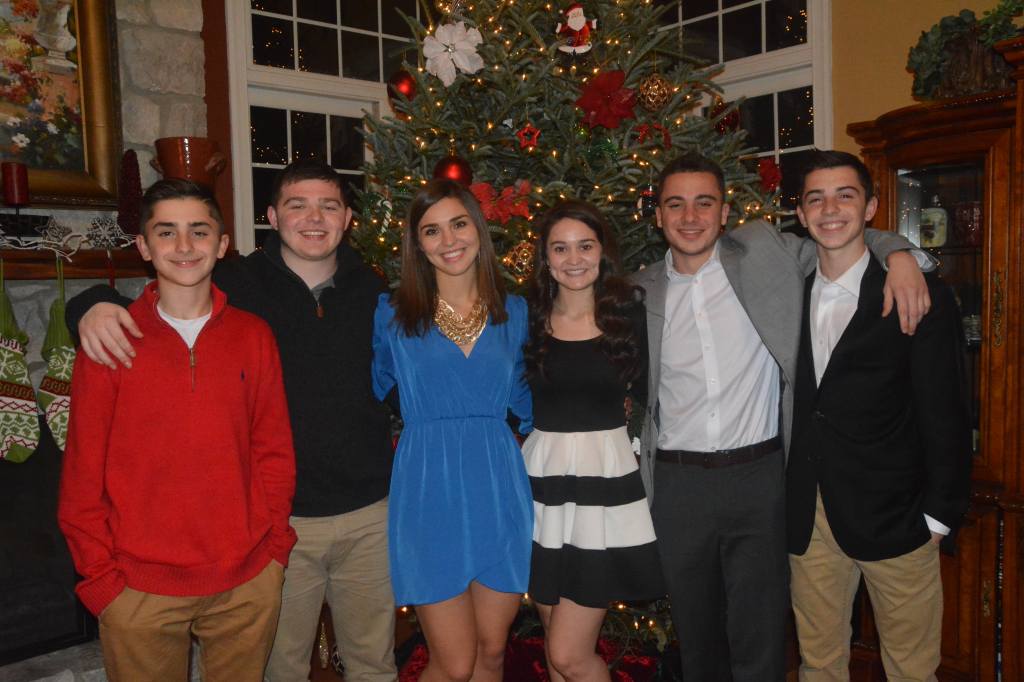
“Even though our holidays are not what they once were, they have become more intentional. We celebrate in a way that honors where Anthony is now, and in doing so we have learned to hold tight to the little things—because those, more than anything, are what truly matter.

Finding gratitude while caring for a loved one with Alzheimer’s
“Feeling thankful for gifts large and small is part of our daily lives, and I’m grateful to now serve as Executive Chair of The Longest Day for the Alzheimer’s Association in the Delaware Valley, to channel my anxiety into advocacy and awareness.

“Helping others provides a sense of purpose and distraction from the challenges, and seeing the impact reminds me that in our hardest moments there’s strength in sharing the load.
“Our family has also begun sharing our story on social media platforms like TikTok (tonystiktok2235) and Instagram (anthony_vs_alzheimers) to raise awareness and support others navigating life with AD. I’ve even formed a small support group with other women whose husbands are at similar stages of the disease, and I am constantly reminded that while caring for someone with AD is a difficult journey, I’m not facing it alone.
“Despite the struggles this disease brings, I’m incredibly blessed to have spent the last 20 years with my beloved husband. Our relationship has been filled with laughter, friendship and so many magical moments. No matter what this disease takes from us, it can’t erase our love, our happiness or the life we shared. We won’t let this disease control every moment of our lives as long as we have hope and are able to create and share meaningful memories.”
A version of this article appeared in the November 17, 2025 print issue of Woman’s World.
Conversation
All comments are subject to our Community Guidelines. Woman's World does not endorse the opinions and views shared by our readers in our comment sections. Our comments section is a place where readers can engage in healthy, productive, lively, and respectful discussions. Offensive language, hate speech, personal attacks, and/or defamatory statements are not permitted. Advertising or spam is also prohibited.