Sleep Apnea Symptoms Women Over 50 Should Never Ignore—Doctors Warn They’re Easy To Miss
Plus see the treatment options that can help you breathe easier all night long

If you’ve been snoring more than usual recently, waking up with a sore throat or feeling groggy even after a full night of shuteye, it could be symptoms of sleep apnea. This common condition can tank your sleep quality. And if it’s left untreated, it can wreak havoc on your overall health, affecting your memory, blood pressure and even heart health, says Swetha Gogineni, MD, a pulmonology, critical care and sleep physician from UCLA Health’s Santa Monica Pulmonary Sleep Clinic.
Luckily, effective remedies are available to ease sleep apnea symptoms and lessen the health risks. We asked sleep medicine experts to share the telltale warning signs and best treatment options.
What is sleep apnea?
Sleep apnea is a disorder in which you stop breathing during sleep. Someone with sleep apnea may stop breathing for 10 seconds or more at a time, several times per hour. This can cause oxygen levels in the blood to drop.
Woman's World Answers

“There are two main types of sleep apnea: obstructive sleep apnea and central sleep apnea,” Dr. Gogineni says. “Obstructive sleep apnea is caused by an obstruction of the airway itself. In central sleep apnea, there is a miscommunication between your brain and your respiratory muscles. Essentially, your brain doesn’t send the signal telling you to breathe, leading to the pauses in breathing.”
Common sleep apnea symptoms
According to Chris Allen, MD, a sleep medicine physician and sleep science advisor at Aeroflow Sleep, symptoms that you may have sleep apnea include:
- Loud snoring
- Abrupt awakenings accompanied by gasping or choking
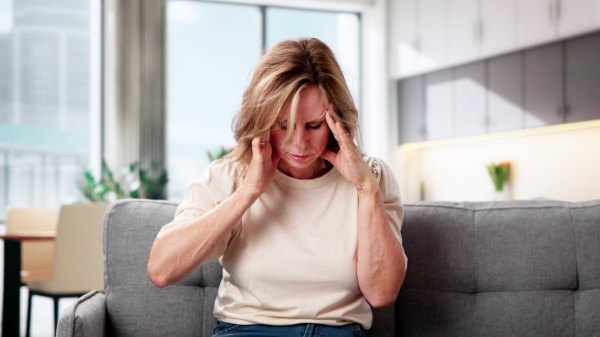
- Morning headaches
- Daytime sleepiness
- Difficulty concentrating during the day
“Your partner may also notice that you’re snoring a lot or that your breathing stops and starts during the night,” he adds.

Check your health tracker for symptoms of sleep apnea
If you wear a health tracker such as a Fitbit or Apple Watch, you may spot subtle changes to your sleep metrics. “While they aren’t validated to diagnose sleep apnea, smart watches and other health trackers can provide helpful clues,” Dr. Gogineni says. “Your device can notice if your oxygen level is dropping when you’re sleeping, or if you’re frequently waking up at night—both signs that your sleep may be disrupted.”
Heart rate variability on your health tracker is another hint, says Audrey Wells, MD, Sleep Medicine Advisor at CPAP.com and board-certified sleep and obesity medicine physician. It can signal that your body may have been in “fight-or-flight mode” during the night. If you notice any of these symptoms, it’s important to schedule an appointment with a doctor ASAP.
“Sleep apnea is a breathing disorder,” says Dr. Wells. “If this were a condition that dropped someone’s blood oxygen levels and caused a disruption in brain function during wakefulness, people would be going to the emergency room. But because it happens during sleep, there’s this blind spot. The result is diagnosis can be delayed, or treatment can be under-prioritized. And over time, the sleep disruption and the drops in blood oxygen level will erode your health.”
Why sleep apnea symptoms are often overlooked
Up to 90 percent of women with sleep apnea don’t even realize they have it, experts estimate. So why do we tend to overlook sleep apnea symptoms? There are a few key reasons:
There are misconceptions about risk
For a long time, sleep apnea was believed to be a men’s health issue. In fact, until the 1990s, most sleep apnea research centered around men, Dr. Wells notes. But sleep apnea is incredibly common among women, too. Around half of all women between the ages of 20 and 70 will experience sleep apnea, suggests a study in the European Respiratory Journal.
While men have a slightly higher risk, the gap closes with age. “Menopause is where the risk for women to have sleep apnea becomes about that of men,” Dr. Wells says. That’s due to hormonal changes and weight gain during the perimenopausal and postmenopausal periods.
Sleep apnea symptoms can be confusing
It’s easy to blame sleep apnea symptoms on other conditions such as stress or insomnia. That’s especially true if menopause has been messing with your sleep schedule. “People often assume that snoring and feeling tired is ‘just part of aging,’ and they don’t seek evaluation,” Dr. Gogineni adds.
Women may have shorter bouts of breathing trouble
We also experience sleep apnea during a different part of the sleep cycle than men, which can make it harder to catch. “Women tend to have more prominent airway obstruction during REM sleep, or dream sleep,” Dr. Wells says. And because you’re only in REM sleep for about 20 to 25 percent of the night, less of your total sleep time is disrupted. “That can give the impression that overall sleep apnea is mild, when it might be quite severe in REM,” Dr. Wells cautions. So even if you’re only waking up a few times a night, or you’re not snoring all night, it’s still worth talking to a doctor.
If you suspect you have symptoms of sleep apnea, schedule an appointment with a sleep medicine physician. He or she can do a sleep study and recommend the best course of treatment. If you don’t have an accredited sleep center near you, you can order an at-home sleep apnea test, which includes an online appointment with a specialist and sensors for overnight monitoring.

Sleep apnea treatment options
If you’ve been diagnosed with sleep apnea, there’s a wide range of treatment options available. The most well-known therapy is using a continuous positive airway pressure (CPAP) device, which uses constant air pressure to keep your airways open while you sleep. “CPAP therapy and other PAP therapies are the gold standard for the treatment of obstructive sleep apnea,” Dr. Wells says.

Aside from using a CPAP to manage sleep apnea symptoms, other treatment options include:
- Oral appliances to keep the lower jaw or tongue from blocking the airway
- A surgically-implanted device that stimulates the hypoglossal nerve to keep the airways open
- Surgical removal of the tonsils and adenoids
- Lifestyle changes such as weight loss, changing sleeping positions, quitting smoking or avoiding alcohol
Talk to your doctor to discover which option is best for you.
Ready for more empowering health news? Subscribe to our YouTube channel for video podcasts, health tips and uplifting stories designed for women 40, 50, 60 and beyond.
Conversation
All comments are subject to our Community Guidelines. Woman's World does not endorse the opinions and views shared by our readers in our comment sections. Our comments section is a place where readers can engage in healthy, productive, lively, and respectful discussions. Offensive language, hate speech, personal attacks, and/or defamatory statements are not permitted. Advertising or spam is also prohibited.