Retatrutide Weight-Loss Benefits Rival Bariatric Surgery—Patients Lost up to 85 Pounds
This next-gen injection helped people lose 30% of their body weight—find out when it'll be available
Key Takeaways
- New retatrutide research found people lost up to 30 percent of their body weight.
- The medication works differently than current GLP-1 drugs, targeting more metabolic pathways.
- Doctors warn against trying unapproved compounded versions seen on social media.
When it comes to weight loss, moving the scale can feel daunting. You’re trying to figure out the best diet plan, exercise routine and how to maintain positive mental health through it all. It can feel even more overwhelming when you have a larger amount of weight to lose. But there’s a new treatment that has experts buzzing about the benefits: a once-weekly injection called retatrutide with early results comparable to weight loss surgery. We asked an expert to break down everything you need to know about this promising medication making waves in weight loss research.
What is retatrutide?
Rekha Kumar, MS, MD, endocrinologist, obesity medicine specialist and senior medical advisor at Found, describes Eli Lilly’s retatrutide (nicknamed “reta”) as a “next-generation” weight-loss medication that is still awaiting FDA approval, but currently in late-stage clinical trials.
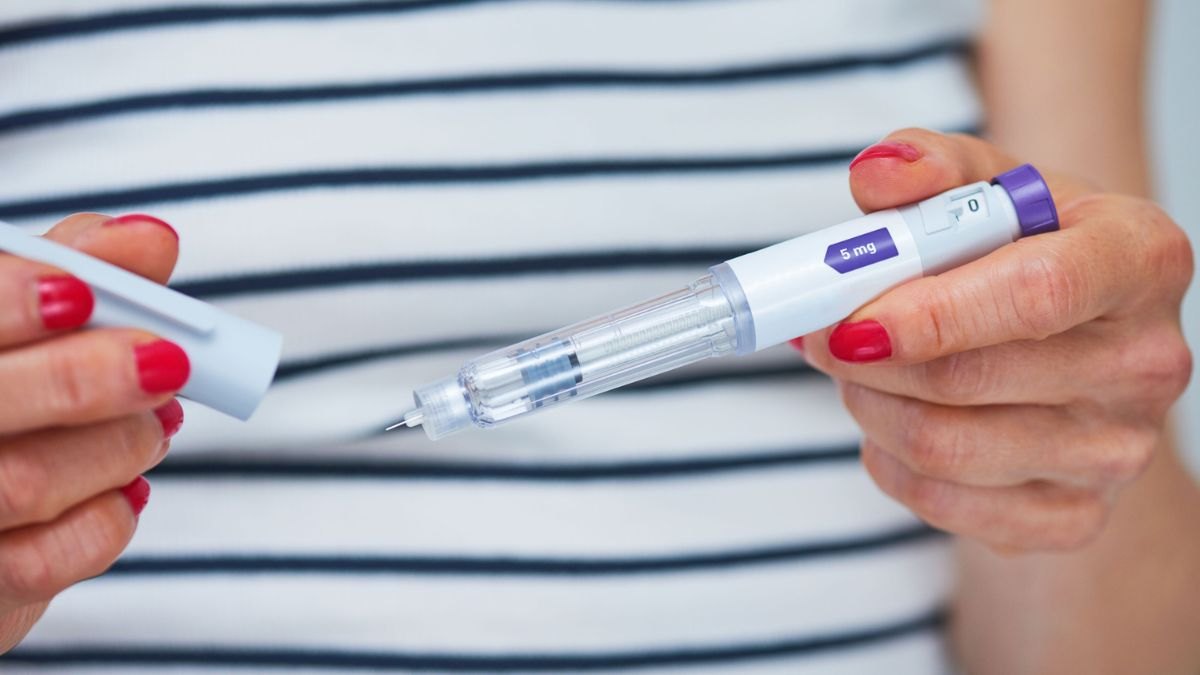
“It’s a once-weekly injectable being studied for obesity and related metabolic conditions,” adds Dr. Kumar. “What makes it stand out is that it targets three hormone pathways simultaneously: GLP-1, GIP and glucagon, [which are] involved in hunger, fullness, blood sugar [regulation] and metabolism. Current medications like Ozempic or Zepbound only hit one or two of those pathways, which is likely why early data is showing more dramatic results.”

New research on retatrutide benefits for weight loss
According to NBC News, the newest phase 3 clinical trial found that people taking retatrutide lost up to 85 pounds, essentially 30 percent of their body weight, which is not too dissimilar to the percentage of body weight people lose after bariatric surgery, which is 25 to 35 percent within one to two years, per NBC News referencing data from Circulation Research.
During the 80-week trial, participants lost an average of 28 percent of their body weight (roughly 70 pounds) on the highest dose of retatrutide, while nearly half shed 30 percent of their weight or more.
What explains these groundbreaking results? “Retatrutide appears to be more effective than earlier medications because it addresses more of the biology driving obesity at once,” says Dr. Kumar. “Hunger, cravings, metabolism, blood sugar regulation—it’s hitting all of those levers simultaneously rather than just one or two. That matters because obesity is a complex chronic disease with deep biological roots, not simply a willpower problem. The more pathways we can address, the more powerful the response.”
Dr. Kumar refers to the early retatrutide data as remarkable from a clinical perspective. “Even a five to 10 percent reduction in body weight meaningfully improves blood sugar levels, cholesterol, blood pressure and sleep apnea,” she adds. “When you’re approaching 25 to 30 percent, you’re entering territory we historically associated only with bariatric surgery, not medication. That’s a genuinely historic shift in what’s possible for obesity treatment.”
How retatrutide benefits the future of obesity treatment
GLP-1s like retatrutide are changing the conversation around obesity treatment and weight management. “What these medications collectively reinforce is something obesity medicine specialists have advocated for years: Obesity is a chronic disease driven by biology, hormones, genetics and metabolism. Not a character flaw,” Dr. Kumar adds. “The treatments are finally catching up to science. Retatrutide, if approved, could represent the most significant advancement in this space yet.”
And while the comparison between retatrutide and bariatric surgery is exciting, Dr. Kumar reminds us the two methods, and what we know about them, are still very different. “For some patients, retatrutide may approach surgical-level weight loss without surgery,” says Dr. Kumar. “But these are fundamentally different tools. Bariatric surgery has decades of long-term outcome data behind it and can be life-changing, though it carries surgical risks and permanent changes to the digestive system. Retatrutide is far less invasive, but we still need longer-term safety and durability data—including what happens when patients stop the medication. It’s not an either-or conversation yet; it’s an ‘and’ for the field.”
When will retatrutide become available?
If you’re feeling excited by the new research on retatrutide, you may be wondering when it will become available. Dr. Kumar offers both caution and some insight. She reminds people that retatrutide is still awaiting regulatory approval by the FDA and is currently unavailable outside of clinical trials. She also advises against trying compounded versions promoted on social media that have not been FDA approved.
“The TRIUMPH-1 phase 3 trial results are a major milestone,” says Dr. Kumar of the latest study on the benefits of retatrutide. “The next step is for Eli Lilly to submit a New Drug Application to the FDA, a review process that typically takes about a year, which puts realistic approval in 2027 at the earliest.”
Who might benefit from retatrutide?
Dr. Kumar says that ultimately, a medical provider who knows your full medical history can help determine whether retatrutide is a good fit for you. However, based on current research, retatrutide may be a good fit for those who:
- Are obese or overweight
- Have type 2 diabetes
- Live with fatty liver disease
- Have high blood pressure
- Have sleep apnea

She adds it may not be a good fit for those with:
- A history of pancreatitis
- Certain thyroid cancers (such as medullary thyroid carcinoma)
- Specific digestive conditions (such as severe gastroparesis)
- People who are pregnant or breastfeeding
Similar to many medications, retatrutide is not without side effects. Dr. Kumar says the known side effects are similar to those associated with existing GLP-1 medications and may include:
- Vomiting
- Diarrhea
- Constipation
- Nausea

The bottom line on retatrutide benefits for weight loss
Retatrutide represents a potentially groundbreaking option for people struggling with obesity: one that could deliver results previously only possible through surgery. While it’s not yet available and won’t be right for everyone, the early research is genuinely exciting. If you’re interested in weight loss medications, talk with your healthcare provider about what options might work for you now, and keep retatrutide on your radar as it moves through the approval process.
Conversation
All comments are subject to our Community Guidelines. Woman's World does not endorse the opinions and views shared by our readers in our comment sections. Our comments section is a place where readers can engage in healthy, productive, lively, and respectful discussions. Offensive language, hate speech, personal attacks, and/or defamatory statements are not permitted. Advertising or spam is also prohibited.