Does Phenylephrine Work? FDA Moves to Discontinue Ingredient in Common Decongestants: Alternatives
The FDA says the common decongestant doesn’t work. Here’s what that means for the common OTC medicine

Common decongestants may soon be pulled from shelves. The Food and Drug Administration (FDA) announced Wednesday its proposal to halt use of oral phenylephrine, an ingredient found in many cough and cold medicines, after concluding that the oral version of the drug is ineffective as a nasal decongestant. Keep reading to find out which medications might be affected and what you can use instead.

Why is the FDA trying to remove phenylephrine?
Approximately one year ago, the FDA announced it held a “Non-prescription Drug Advisory Committee meeting to discuss the effectiveness of oral phenylephrine as an active ingredient in over-the-counter cough and cold products that are indicated for the temporary relief of congestion, both as a single ingredient product and in combination with other ingredients.”
Does phenylephrine work? What the FDA says
The committee addressed data related to the efficacy of oral phenylephrine and ultimately found that existing scientific data does not provide sufficient evidence that the recommended dosage of orally administered phenylephrine works as a nasal decongestant.
It’s important to note that no concerns were raised about safety issues related to oral phenylephrine at the recommended dose, the FDA said. You don’t necessarily have to discard any products you currently have at home containing oral phenylephrine.
After considering the input of the advisory committee and available evidence, the FDA has agreed and decided to move forward with the recommendation.
“Based on our review of available data, and consistent with the advice of the advisory committee, we are taking this next step in the process to propose removing oral phenylephrine because it is not effective as a nasal decongestant,” Patrizia Cavazzoni, MD, director of the FDA’s Center for Drug Evaluation and Research, said in a statement.
Which medications contain phenylephrine?
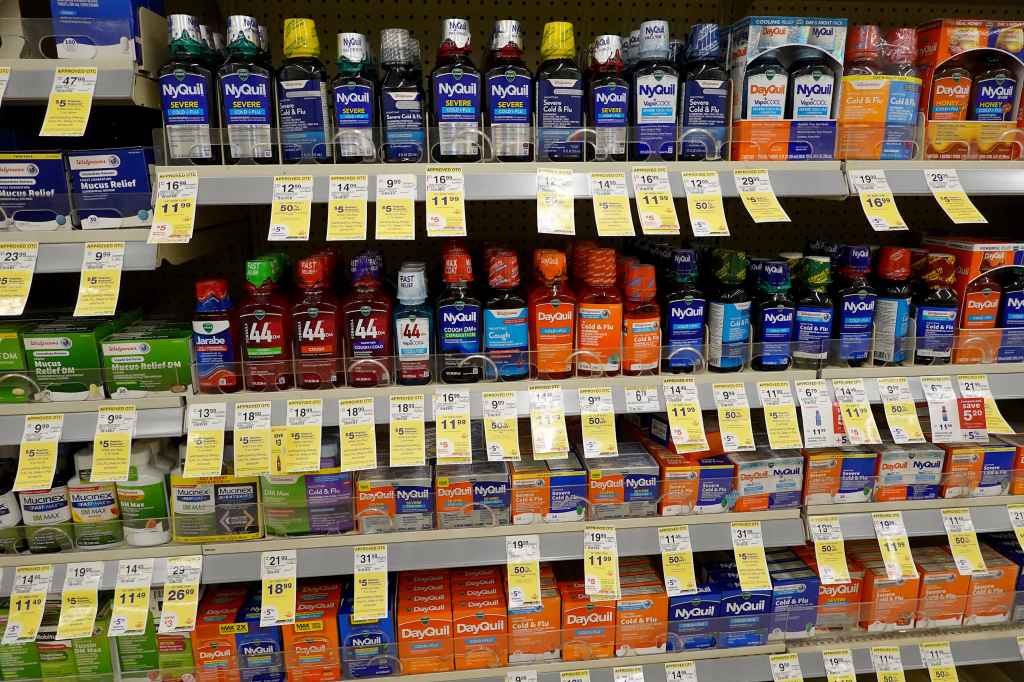
OTC nasal decongestants containing phenylephrine either on its own or in conjunction with other ingredients include select cold and cough versions of Advil, NyQuil, DayQuil, Sudafed PE, Robitussin, Mucinex, Tylenol, Theraflu and most Dimetapp products.
Phenylephrine is also an ingredient in nasal sprays to treat congestion, but the FDA clarified that its move to end use relates exclusively to orally administered phenylephrine, and not the nasal spray form.
Alternatives to phenylephrine
The FDA’s decision isn’t yet definitive. The administration is seeking public comments on this proposed order. If, after considering public input, the FDA concludes oral phenylephrine is not effective as a nasal decongestant, the FDA will issue a final order removing oral phenylephrine from the OTC monograph so drug products could no longer contain oral phenylephrine as a nasal decongestant.
There are quite a few different options to use instead of products containing oral phenylephrine.
1. Pseudoephedrine
One substitute for phenylephrine is pseudoephedrine (regular Sudafed). This is another oral nasal decongestant that has been proven to be more effective than phenylephrine. Pseudoephedrine isn’t recommended for people with high blood pressure or other heart problems, say the experts at GoodRx. You also shouldn’t take it for more than seven days in a row without your provider’s approval.
2. Oxymetazoline
Oxymetazoline (Afrin) is a decongestant nasal spray that works within five to ten minutes since it’s administered directly through the nasal passages.

3. Phenylephrine nasal spray


Phenylephrine nasal spray (Neo-Synephrine) is also a viable alternative to oral phenylephrine as it is administered through the nose.
4. Fluticasone propionate
Fluticasone propionate (Flonase) and other corticosteroid nasal sprays also offer congestion relief. One caveat here is that it takes nasal steroid sprays a few days to start working. This is why you might want to take a faster-acting decongestant, such as pseudoephedrine, until the steroid spray takes effect. You should ask your doctor before doing so.
Conversation
All comments are subject to our Community Guidelines. Woman's World does not endorse the opinions and views shared by our readers in our comment sections. Our comments section is a place where readers can engage in healthy, productive, lively, and respectful discussions. Offensive language, hate speech, personal attacks, and/or defamatory statements are not permitted. Advertising or spam is also prohibited.