Eating Just One Home-Cooked Meal a Day Boosts Health and Cuts Costs—Here’s How to Maximize Benefits
Eating one made-from-scratch meal a day can improve health, cut costs and lower blood pressure

A University of Washington study suggests eating just one made-from-scratch meal a day, no matter how simple, improves your health (and saves money too!). These tips maximize the benefits.
Seasoning lowers blood pressure
Adding a teaspoon or two of herbs or spices to your cooking lowers your blood pressure, finds a Penn State study. They improve blood-vessel function, which aids blood flow and pressure control. Tip: Cutting back on salt? Washington State University research found chipotle spice tricks the tongue into thinking foods are saltier, so you perceive a low-salt dish as containing just as much salt as a high-sodium version.
A drizzle of oil relieves sore joints
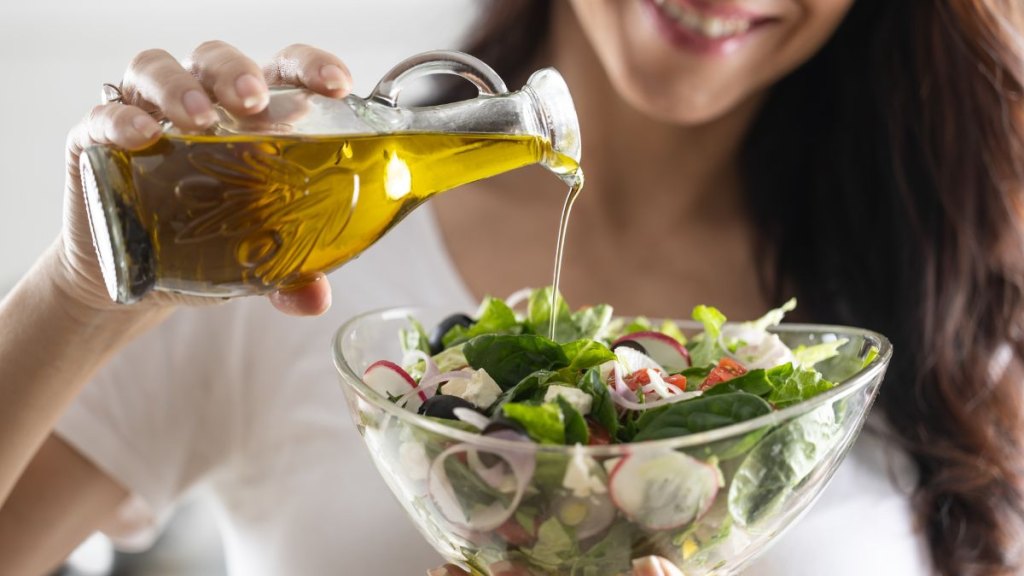
Adding nutty-flavored sesame oil to your cooking daily may ease osteoarthritis pain and stiffness, suggests a study in Food & Nutrition Research. Its potent antioxidants (sesamin, sesamol and sesaminol) lower levels of an inflammatory protein responsible for the pain.
Tossing in nuts protects your heart
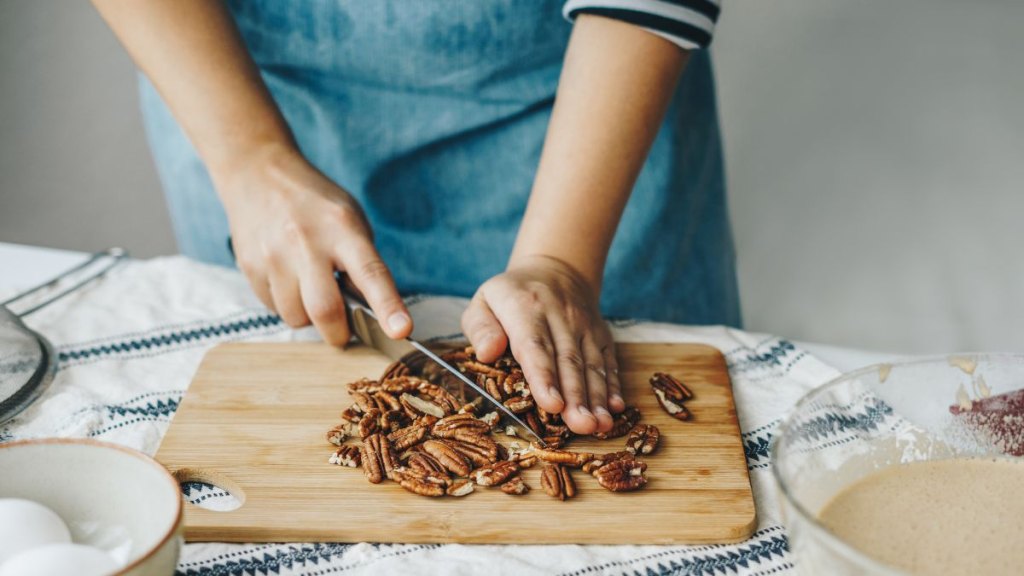
Whether you crumble crushed peanuts over your salad or sprinkle toasted walnuts on your pasta, the finishing touch lowers your risk of heart disease. The equivalent of just four unshelled peanuts a day cuts the risk of ischemic stroke (the most common type of stroke) by 20 percent, according to American Heart Association research. And a study in the Journal of the American College of Cardiology found enjoying any nut daily notably lowers the risk of coronary heart disease.

A bit of vinegar steadies blood sugar

Tossing your salad with a vinaigrette may improve your body’s ability to pull glucose out of your blood after a meal by up to 55 percent, suggests Arizona State University research. The acetic acid in vinegar blocks enzymes from converting carbohydrates into sugars too quickly so they don’t flood your system.
Recipe for joy
Belgian scientists found novelty—like trying a new recipe—activates a cognitive “switch” that floods the brain’s reward center with feel-good hormones.

Bonus tip
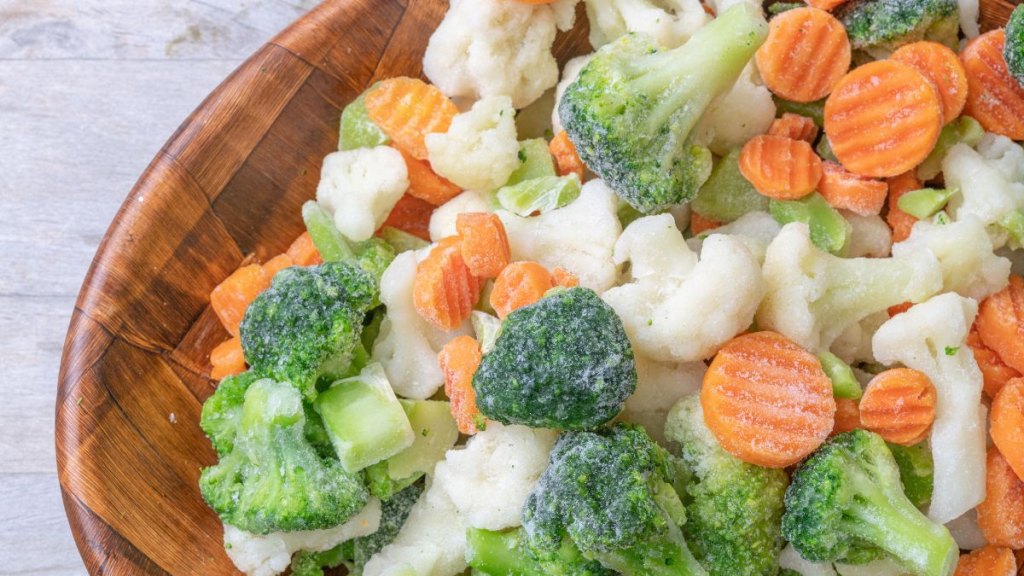
Frozen veggies (which are packed at peak freshness) have nearly twice as many nutrients as fresh produce picked a week earlier, finds a UC Davis study.
Conversation
All comments are subject to our Community Guidelines. Woman's World does not endorse the opinions and views shared by our readers in our comment sections. Our comments section is a place where readers can engage in healthy, productive, lively, and respectful discussions. Offensive language, hate speech, personal attacks, and/or defamatory statements are not permitted. Advertising or spam is also prohibited.