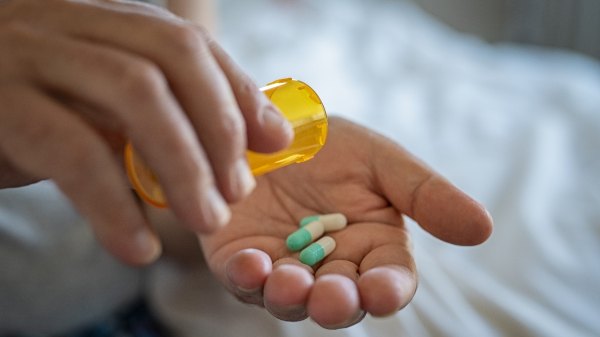
Are Cardiologists Really Against Statins? Doctors Reveal the Truth About These Life-Saving Drugs
Experts explain why statin fears persist—and what the science actually shows

Key Takeaways
- Despite rumors, cardiologists overwhelmingly support statins for lowering heart attack risk.
- Research suggests many feared statin side effects occur no more often than with placebo pills.
- For most people, statins are safe, effective and can significantly reduce cardiovascular risk.
Roughly 40 million people with high cholesterol in the U.S. take statins to help bring their numbers back into a healthy range. Whether you’re a long-time user or have just been prescribed the meds, you may have heard chatter online about side effects like muscle aches or brain fog that has people wondering, “Are cardiologists against statins? How safe are they?” Here’s the reassuring truth: Heart specialists overwhelmingly support these medications, and some of the scariest potential side effects you may have heard about might not be caused by statins at all.
What statins do for your heart
“Statins are a group of medications that work by slowing cholesterol production in the liver,” explains preventive cardiologist Elizabeth Klodas, MD. The two best-known are Lipitor (atorvastatin) and Crestor (rosuvastatin), and they’ve been around for about 40 years.
By lowering “bad” LDL cholesterol that can build up in artery walls, statins dramatically reduce the risk of heart attacks and strokes. “They have truly changed the trajectory of heart-disease care and prevention,” Dr. Klodas says. “In fact, their impact is so significant, it’s becoming harder to show that additional interventions on top of good prevention strategies provide much extra benefit.”
Woman's World Answers


Why your cholesterol may climb after 50
Many women are blindsided when their cholesterol numbers rise in midlife despite no changes to diet or exercise. The culprit? Estrogen. As levels drop, so does LDL receptor activity, meaning the body clears cholesterol more slowly.
“I see this all the time in my practice,” Dr. Klodas observes. “Women show up with an LDL that’s suddenly 160 compared to 121 when they were younger, and their doctor wants to start statins. It’s very common.”
Where the ‘cardiologists against statins’ myth came from
While you may have heard rumors that cardiologists are turning against statins due to serious side effects, that’s not the case. And here’s where the misinformation gets dangerous. According to US Pharmacist, 34 percent of patients offered statins decline them, often citing fear of side effects. But a major study published in The Lancet analyzing more than 150,000 people found many of those fears are misplaced.
“This large analysis of randomized clinical trials found that symptoms such as memory problems, depression, sleep disturbances, sexual dysfunction, nerve damage, lung disease and kidney disease occurred at similar rates in people taking placebo pills,” says Shannon Chatham, DO, board-certified family medicine physician and Medical Director at Wisp. “In other words, these symptoms were unlikely to be caused by statins.”
Jack Wolfson, DO, cardiologist and founder of Natural Heart Doctor, notes that aging populations naturally develop memory changes, diabetes and neuropathy. “Once a drug is labeled as ‘dangerous,’ confirmation bias spreads. The Lancet paper reminds us that correlation is not causation.”
Most people on statins have no side effects
A whopping 90 to 95 percent of people experience no ill effects at all. “It feels like taking a vitamin,” Dr. Klodas says. “You take it once a day, morning or evening, and it doesn’t affect you at all—except that your blood tests improve.”
For the 5 to 10 percent who do experience side effects, the most common is muscle soreness. The good news? It typically appears within the first six months, and most cases resolve when patients switch to a different statin or adjust the dose.
“While all statins work through the same enzyme pathway, small differences in the chemical structure of the drugs can have a big impact on how you respond,” Dr. Klodas explains.
Other real but manageable possibilities include temporary liver enzyme changes, a slight increase in diabetes risk, mild leg swelling and small protein changes in urine. Dr. Chatham emphasizes that these are often addressed with lifestyle tweaks, hydration, balanced eating and routine monitoring with your doctor.
Cognitive complaints like brain fog are much less common and typically reversible. “The brain is largely made of lipids and cholesterol, which could explain why statins may impact cognitive function,” says Mark Menolascino, MD, internal medicine physician and author of Heart Solution for Women. Switching formulations usually resolves it.

How to get the most from your meds
If you’re still concerned about minor, often temporary side effects, there are ways to minimize them when maximizing how effective your meds are, and timing matters. According to cardiologist Bradley Serwer, MD, of VitalSolution, short-acting statins like pravastatin and simvastatin should be taken at night. “Since the liver makes most of the cholesterol while sleeping, these shorter medications should be taken before going to bed.”
Since some notice muscle aches, the most common statin side effect, occur shortly after taking the drug, timing your meds before bed helps minimize any potential discomfort.

Long-acting statins like atorvastatin and rosuvastatin can be taken any time, as long as you’re consistent. Majid Basit, MD, cardiologist at Memorial Hermann Medical Group, says patients who take their statin more than 90 percent of the time see the greatest benefit.
Busting the myth of cardiologists against statins
Cardiologists aren’t against statins—they’re against fear-based decisions that put hearts at risk. “While genetics play a role in our cholesterol levels, we can take control,” Dr. Klodas assures. Pair the medication with a fiber-rich diet, regular movement and weight management, and you may even need a smaller statin dose to reach your goal. That’s a winning strategy for your heart.
Ready for more inspiration? Subscribe to our YouTube channel for video podcasts, health tips and uplifting stories designed for women 40, 50, 60 and beyond.
Conversation
All comments are subject to our Community Guidelines. Woman's World does not endorse the opinions and views shared by our readers in our comment sections. Our comments section is a place where readers can engage in healthy, productive, lively, and respectful discussions. Offensive language, hate speech, personal attacks, and/or defamatory statements are not permitted. Advertising or spam is also prohibited.