These Popular Veggies Lower Blood Pressure in Just Two Weeks—Plus How to Maximize Their Heart Benefits
Vegetables like broccoli and kale are not only nutritious but proven to lower your stroke risk fast.

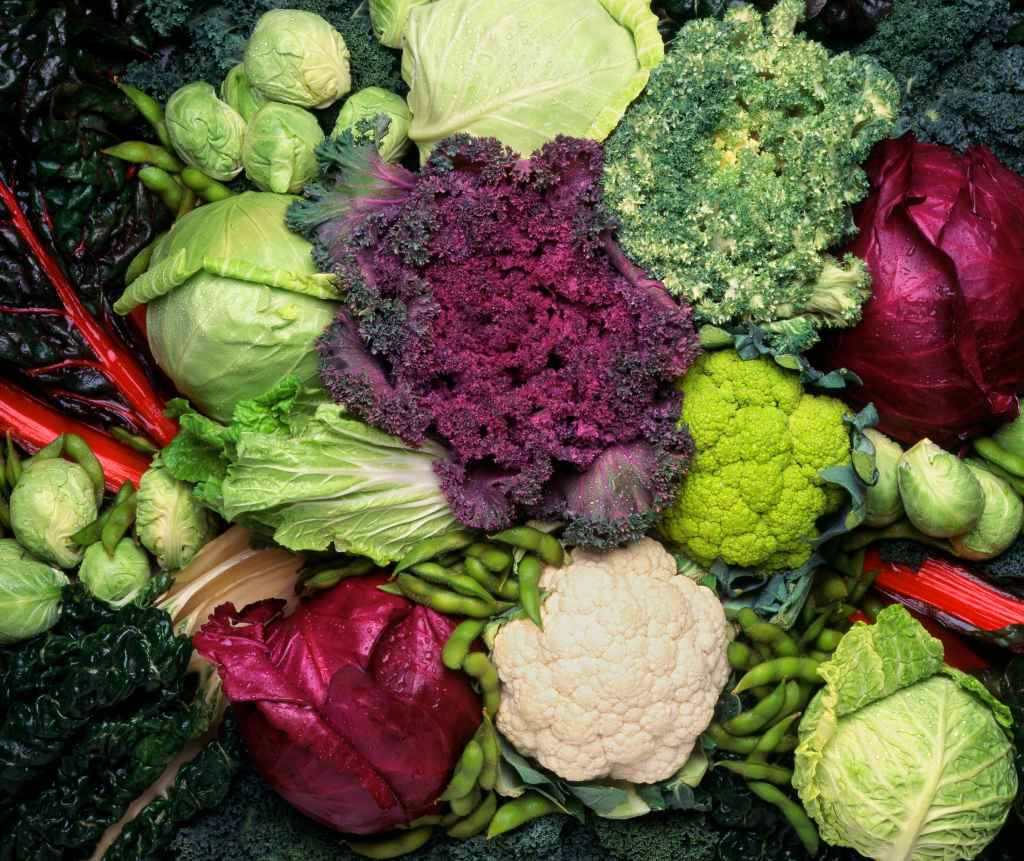
The health benefits of vegetables are seemingly never-ending. Veggies are generally low in fat and calories and a source of important vitamins, minerals and other nutrients. Rounding out a healthy diet with sufficient vegetable intake can also help ward off diseases, and a new study is pointing out one specific group of vegetables that lower blood pressure. Cruciferous vegetables — broccoli, cauliflower, cabbage and kale — may significantly improve cardiovascular health.
What the study said about cruciferous vegetables and blood pressure
Researchers at Edith Cowan University in Australia conducted a small clinical trial to study the effects of cruciferous vegetables on blood pressure compared to other types of vegetables. Their findings, published in the journal BMC Medicine, suggest that eating about four servings of cruciferous vegetables daily for two weeks notably reduces systolic blood pressure (the top number in a blood pressure reading).
Researchers recruited 18 participants aged 56 to 72 years with mildly elevated blood pressure, the majority of whom were female and of Caucasian descent. At the start of the study, participants had an average systolic blood pressure of about 136 mmHg, which is considered elevated but not yet in the hypertensive range. Each participant completed both the cruciferous vegetable intervention and then a control intervention involving root and squash vegetables.

During the cruciferous vegetable intervention, participants consumed about 300 grams (roughly 4 servings) of a mix of broccoli, kale, cauliflower and cabbage daily for two weeks in the form of soups. For the control intervention, participants consumed an equivalent amount of root and squash vegetables, including potato, sweet potato, carrot and pumpkin, also in soup form.
The resarchers used 24-hour ambulatory blood pressure monitoring to measure the effects of the interventions. After two weeks of consuming cruciferous vegetables, participants experienced an average reduction in 24-hour systolic blood pressure of 2.5 mmHg compared to the control intervention. This effect was even more pronounced during daytime hours, where the average reduction was 3.6 mmHg.
Experts weigh in on study findings
The exact reason for the impact of cruciferous vegetables on blood pressure is not completely clear yet.
“The [study] authors mention glycosinolate, isothiocynate and sulforaphane, which are all especially potent antioxidants and have an anti-inflammatory effect,” says Melanie Betz MS, RD, CSR, FNKF, FAND, Founder and CEO of The Kidney Dietitian.
“Likely, the difference in blood pressure found between cruciferous vegetables versus root/squash vegetables is a combination of lots of bioactive compounds, vitamins and minerals,” he adds.
These compounds have antioxidant and anti-inflammatory properties that support better blood vessel function and reduce stress in the body, which improves blood pressure, adds Raj Dasgupta, MD, ABIM quadruple board-certified physician and medical reviewer for the National Council on Aging.

The vegetables in the study are also naturally high in potassium content, adds Mustali Dohadwala, MD, medical director and practitioner at cardiology-focused private practice Heartsafe Boston. High potassium intake helps the kidneys release more sodium, regulates blood flow and electrolyte systems and prevents vascular hardening, he explains.
How to boost the benefits of vegetables that lower blood pressure
Believe it or not, the way you prepare these vegetables can help boost their nutritional benefits. For maximum potassium, Dr. Dohadwala recommends eating cruciferous vegetables in raw form. Cooking in water and soaking can reduce beneficial dietary potassium.
This isn’t the only option, though. Here’s what Chris Mohr, PhD, RD, Fitness and Nutrition Advisor for Fortune Recommends Health suggests for each of these veggies:
- Broccoli: Lightly steamed or sautéed, then chopped and chewed. That’s important for the release of these nutrients and allows for maximum absorption of sulforaphane.
- Kale: It can be eaten raw, like in a salad, or lightly steamed. Blending it in smoothies is also a great option.
- Cauliflower: Roasted or steamed works well, as long as it’s not overcooked.
- Cabbage: Best eaten raw, like in coleslaw or fermented as sauerkraut, which adds probiotics to the mix.

The best practice when it comes to consuming these vegetables to reduce your blood pressure is ultimately to do so in a way that you enjoy, says Betz. This increases the likelihood that you’ll regularly include them in your diet, which is the most important strategy.
“In general, it is a good idea to eat vegetables in a variety of forms, as some compounds are more bioavailable in the raw versus cooked form (and vice versa),” she adds.
More vegetables that lower blood pressure
While cruciferous veggies are taking the spotlight right now, they’re not the only vegetables with benefits for blood pressure. Beets are good for lowering blood pressure because they have nitrates, explains Dr. Dasgupta, and are most effective when roasted or juiced.

Leafy greens like spinach, which is high in potassium and nitrates, works well raw in salads or cooked lightly. And tomatoes help with blood pressure due to lycopene, whether raw or in sauces, he adds. Carrots are rich in potassium, and they help support blood pressure, too.

“For any dietary change, it is so important to look at the big picture,” notes Betz. “Many studies have found that eating plenty of fruits, vegetables and other plant foods such as beans, nuts, seeds and whole grains can help control blood pressure. Most notably, the Dietary Approaches to Stop Hypertension (DASH) diet is known for its dramatic effect on lowering blood pressure. It has also been associated with a lower risk of heart and kidney disease as well as kidney stones.”
While healthy in moderation, Betz says, it would be counterproductive to focus exclusively on cruciferous vegetables, as all vegetables offer different benefits. Instead, she recommends including a variety of vegetables and staying consistent with adding them to your diet.
Conversation
All comments are subject to our Community Guidelines. Woman's World does not endorse the opinions and views shared by our readers in our comment sections. Our comments section is a place where readers can engage in healthy, productive, lively, and respectful discussions. Offensive language, hate speech, personal attacks, and/or defamatory statements are not permitted. Advertising or spam is also prohibited.