I Tried the $1.90 Sweetener That Promises to Make Your Iced Coffee Order Healthier
Zero calories, a fiber boost and flavors like pistachio? Meet the sweetener that’s here to change your java game

Key Takeaways
- POCA is a zero-calorie syrup with allulose, monk fruit and chicory root fiber.
- Research suggests allulose may reduce post-meal blood sugar spikes.
- A dietitian says it’s a smart swap—but not a free pass on maintaining a healthy diet.
We all want that little sweet treat. And sometimes the excuse of going out for an iced coffee when you’re sweating under a heat dome is just the treat you need—unless you’re also trying to cut back on sugar, whether you’re in a calorie deficit or watching your blood sugar. To me, an iced coffee isn’t an iced coffee without something sweet in it. But when TikTok has you piling on pump after pump of sugary syrup with its plethora of bespoke iced coffee orders, keeping refined sugar intake in check can feel like a losing battle.
I’ve tried everything: stevia (aftertaste), regular sugar (crash, plus it goes grainy at the bottom of a cold drink), sugar-free syrups (artificial tasting). Then a friend handed me a cute, tiny pouch that fit right in my palm—and promised me it would fit right into my iced coffee routine, too.
Enter POCA—a new zero-calorie coffee syrup made with allulose, monk fruit and chicory root fiber that promises to keep blood sugar spikes at bay. But does it actually live up to the healthier promise? And perhaps more importantly, does it taste good?
The POCA taste test
POCA zero-sugar syrups are made with a plant-based blend of organic allulose, water, chicory root fiber (inulin) and monk fruit extract. Depending on the flavor, they also include natural flavors and botanical extracts (like spirulina for color), with zero sugar alcohols.
The chicory root provides a 3-gram gut-friendly fiber boost per serving, which helps prevent the blood sugar crashes associated with traditional cane sugar syrups. It’s designed for sweetening coffee, matcha and more—it can even be used in baked goods (more on that below).

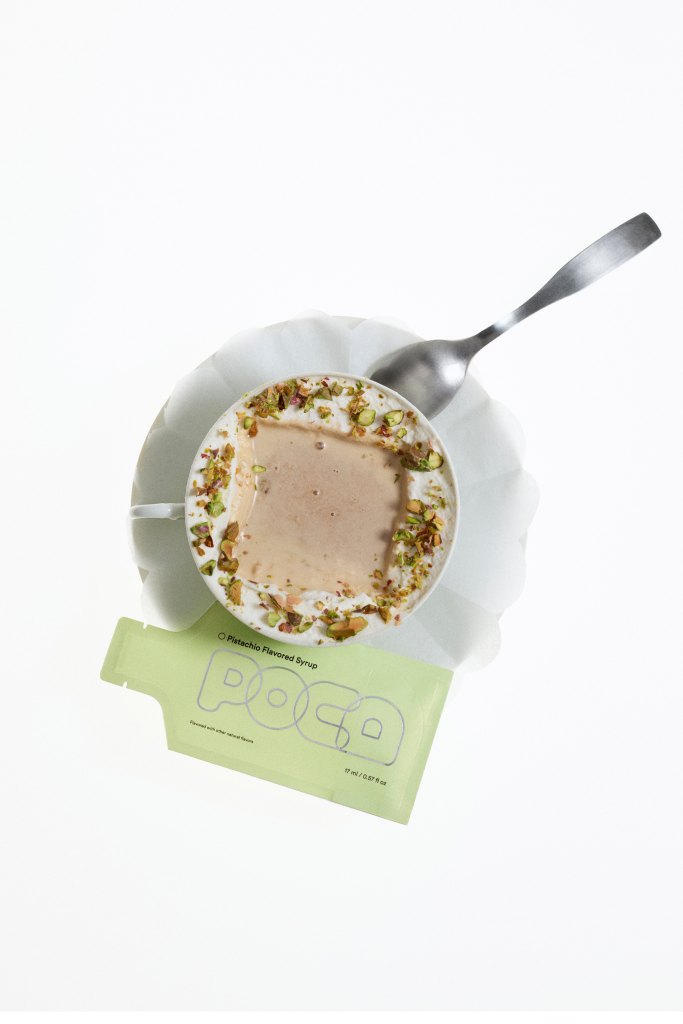
It looks great, too: It comes in a cute, colorful single-serve liquid pouch that’s giving more lip oil than sugar packet. Squeeze it into your drink and stir—or don’t, because it dissolves that easily.
Flavors include pistachio, vanilla and caramel, with my personal favorite being the pistachio, which tastes more marzipan than nut—it has that princess cake quality that’s easy to love. POCA has also debuted a limited-time Crush Drop featuring Cinnamon Hearts and Strawberry Shortcake before, with new flavors in the pipeline.
Founder Hilary Coles is already excited about what’s coming next. “When you think of pistachio, ube, pandan—flavors that are much more part of the vocabulary we have today—I think there’s just so much more storytelling we can do,” she says. “As we spoke to more people, it really brought out nostalgia and identity.”
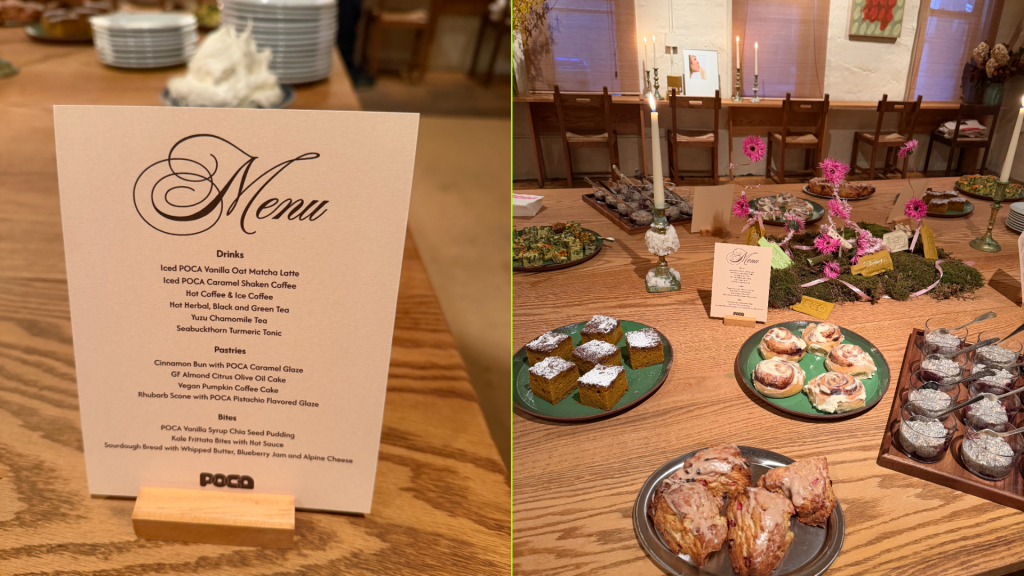
Beyond drinks, Coles uses POCA in chia pudding in place of maple syrup, in French toast batter and in banana bread—baked at a lower temp (325°F instead of 375°F to account for how allulose behaves under heat). It also works beautifully stirred into Greek yogurt or blended in a Ninja Creami.
Unlike powders, it goes in clean and clear. No graininess at the bottom of the cup. And while monk fruit can occasionally register in the finish for those who are sensitive to it, POCA somehow manages to sidestep that—it just tastes good.
But is it actually healthier?
It’s no coincidence this sweetener comes from Coles, a co-founder of Hims & Hers. Taste was clearly the priority—but health was always part of the brief. “Our generation sees health as all the decisions you make,” she says. “What shampoo? How did I sleep? What did I have for breakfast? It all contributes—and you’re already having coffee. How do you make that decision healthier and still enjoyable?”
Getting the taste right was equally non-negotiable. “All the better-for-you products have sugar alcohols in them, and you’d try them and then bloat and be uncomfortable for the rest of the day,” Coles adds. “And I really can’t stand stevia—it has that aftertaste.”
But how do the ingredients actually stack up? We asked a dietitian.
Allulose (the main sweetener)
Allulose is a rare sugar that behaves like sugar but isn’t fully absorbed by the body, so it clocks in at a fraction of the calories and doesn’t show up as “added sugar” on the label.
“Clinical trials and meta-analyses suggest allulose can reduce postprandial glucose responses, and some studies also show lower insulin responses when allulose replaces or is consumed with sugar,” says Johannah Katz, RD, a dietitian at Kaffico coffee. “Allulose is a useful option to replace glycemic sugars, but certainly not a treatment for diabetes or a free pass to ignore the rest of the diet.”
Monk fruit (the sweetness booster)
Monk fruit is a high-intensity natural sweetener used in tiny amounts to close the sweetness gap left by allulose. It has no blood sugar impact per the FDA—though some people do detect an aftertaste at higher concentrations, which is why POCA uses it sparingly. “Monk fruit can taste fruitier than stevia, but taste is the biggest practical difference,” says Katz. “Both are useful for reducing added sugar without raising blood sugar levels.”
Chicory root fiber (the surprise addition)
This is the ingredient most people don’t expect—and the one that makes POCA more than just a sweetener swap. Chicory root inulin is a prebiotic fiber that feeds the good bacteria in your gut. “Chicory root inulin is a type of soluble, fermentable prebiotic fiber. ‘Prebiotic’ means it is used by beneficial gut bacteria, which can lead to production of short-chain fatty acids and changes in the gut microbiome,” says Katz. “Inulin may be especially useful for people who don’t get enough fiber, people with low stool frequency or people trying to improve overall gut health.”
One caveat worth noting if you’re trying to fibermaxx: A coffee sweetener isn’t a substitute for a fiber-rich diet. “I would not overpromise that a small amount of fiber in a coffee sweetener will ‘cancel out’ a high-sugar meal,” says Katz. “It may help reduce added sugar and add some fiber, but the full meal still matters most.”
For Coles, fiber was a key priority when she designed the product. “As I looked at Greek yogurt, cottage cheese, protein powder—there’s no fiber,” she says. “A quarter of the added sugar in our diets comes from sweetened drinks. We hope we can save people 25 grams of sugar in their day.”

The verdict: Is POCA a smarter swap?
POCA may taste pretty magical—I now carry it everywhere and pass it along to friends at brunch. But it isn’t a silver bullet. It won’t undo a bad diet or replace eating actual fiber-rich food. As daily swaps go, though, it’s a genuinely smart one: The allulose has real evidence behind it, the monk fruit doesn’t hit weirdly (mostly) and the chicory root adds something most of our diets are sorely missing.
“For most healthy adults, reasonable daily use of allulose or monk fruit appears to be acceptable, given the data we have,” says Katz. “People with IBS, sensitive GI tracts or those prone to bloating may want to go slowly with any sweetener that contains added fibers.”

If you’re already drinking sweetened coffee every day, this is a low-effort, well-formulated upgrade. Start with Pistachio.
Where to get it
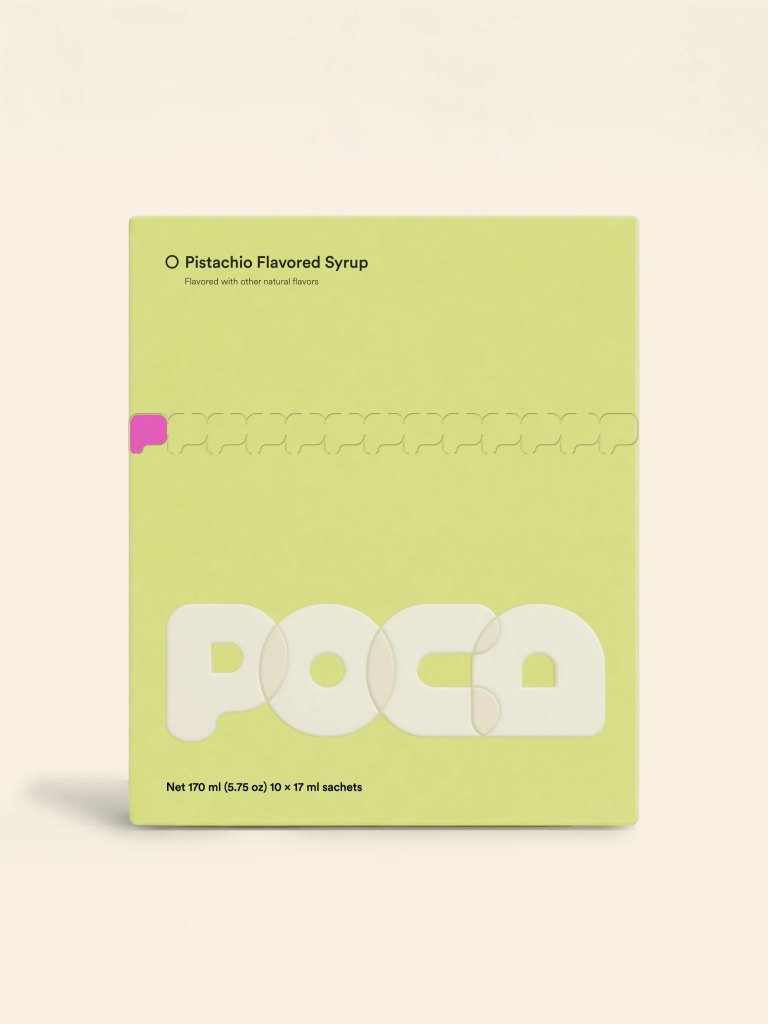
POCA is available at pickpoca.com. A box of 10 single-serve pouches starts at $19—that’s $1.90 per pouch, which is cheaper than the upcharge for a sugar-free syrup at many coffee shops—so in my purse, a POCA pouch will stay!
Conversation
All comments are subject to our Community Guidelines. Woman's World does not endorse the opinions and views shared by our readers in our comment sections. Our comments section is a place where readers can engage in healthy, productive, lively, and respectful discussions. Offensive language, hate speech, personal attacks, and/or defamatory statements are not permitted. Advertising or spam is also prohibited.