Anxiety Controlled Her Life—Until She Discovered This Easy, Science-Backed Breathing Technique
One life-changing breathwork session freed her from anxiety—now she’s sharing her journey to healing

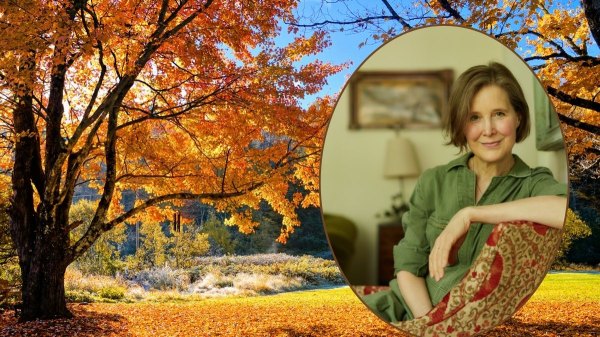
Jennifer Bauer, 45, was mortified—yet again—when a friend realized she wasn’t paying attention to their lunch conversation. “I’m so sorry, what did you say?” Jennifer apologetically asked, trying to focus on what her friend was saying. But relentless anxiety, which often led to sleepless nights, left Jennifer foggy and distracted. Her thoughts would cycle through future scenarios and potential problems that might never even pop up. Why can’t I just live fully in the moment? she despaired.
Living with chronic anxiety left Jennifer feeling tightly wound, constantly tense, short-tempered and always expecting the worst to happen. The resulting daytime tiredness made it harder for Jennifer to control her emotions, so she’d often have angry or crying outbursts over the slightest inconvenience.
Since childhood, Jennifer carried the responsibility of having to care for younger siblings, excel in school and be perfect at everything she tried. But it was her mother’s death by suicide when Jennifer was only 25 that had supercharged her anxiety. Jennifer would lie awake at night wondering, Could I have helped my mom, could I have saved her if I had done better…been better?
Jennifer’s anxiety was later amplified by job layoffs and being defrauded by a friend that resulted in bankruptcy and foreclosing on her home. At that point, she doubled down on her beliefs that horrible catastrophes were waiting for her. If only I spent more time analyzing everyone and predicting everything, she’d tell herself several times a day, worrying that a potential pitfall lurked around every corner.

Searching for a cure
Jennifer found herself normalizing her feelings, and believed everyone had some level of anxiety too, so she never discussed her worry or lack of sleep with her physician.
However, a few years earlier during training to become a certified life coach, Jennifer learned anxiety can be a response to trauma—it’s the body’s way of trying to defend against and avoid more traumatic experiences.
Jennifer began participating in Equus Coaching sessions, which is life coaching with a horse as a co-facilitator. As individuals explore their own emotions and behaviors, the horses act as sensitive mirrors to our feelings and energy, helping provide insights into someone’s personal development, leadership style and communication skills.
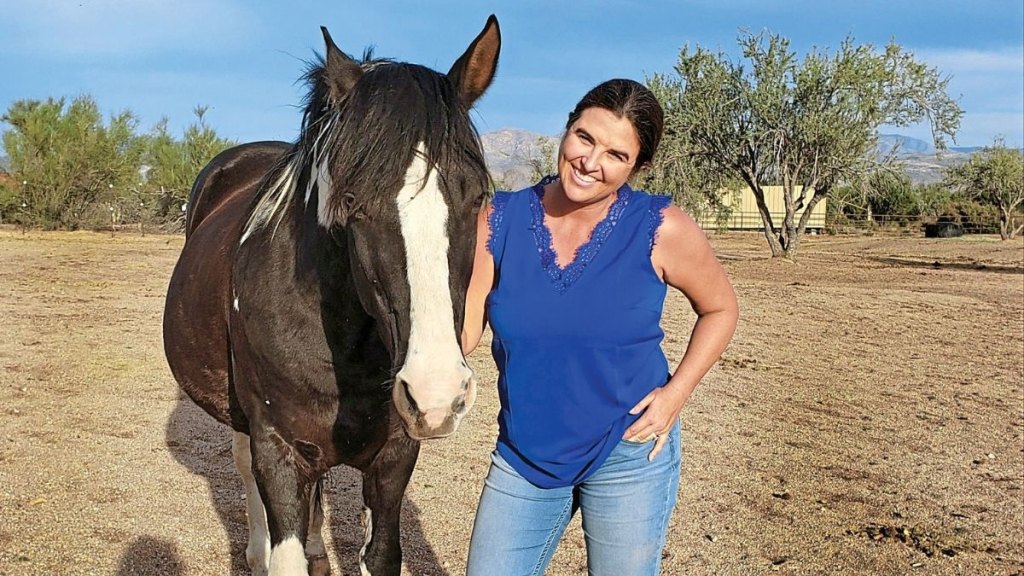
Jennifer approached the session hoping to learn how to live with her anxiety, but instead, she realized she needed to release the trauma that had allowed anxiety to overtake her. Jennifer was intrigued when Smokey, the horse she was working with, began shaking, shivering, stomping and yawning in her presence.
“In the wild, animals behave this way to release trauma, whereas humans tend to freeze up and hold stress in the body, which builds up over time,” a trainer explained. Suddenly, a switch flicked on in Jennifer’s brain.
Something has to change, Jennifer thought as she stood by Smokey. I wonder if I could find a way to physically release my anxiety instead of holding it in or weaving it into my daily life.

A soothing remedy
Hopeful, Jennifer began doing research on ways we can release anxiety, stress and trauma from our body, and a surprising solution surfaced: deep breathing or breathwork meditation. This controlled breathing method reduces the body’s production of stress hormones by turning off the sympathetic nervous system, which is often referred to as the “fight-or-flight” system. Instead, it activates the parasympathetic nervous system, which promotes relaxation, decreases heart rate and calms anxiety.
Jennifer discovered that the deep breathing technique also regulates the balance of oxygen and carbon dioxide in the blood, which promotes oxygenation of tissues.
Realizing she had nothing to lose, Jennifer soon found a breathwork meditation healer, who conducts sessions on the beach in Hermosa, California, and she signed up for her first class.
Jennifer was instructed to lie flat on her back, take two slow mouth breaths about 1-second long each—the first into the lower belly and the second inhale into the upper chest to fully fill the lungs. Then follow with one strong exhale about 3 seconds long. She was to repeat the steps for at least 15 minutes.

At first, Jennifer found focusing on the breathing very difficult, but once she relaxed, the technique became effortless. In her first 45-minute session, she felt her body release the trauma of her mother’s death, even having a conversation in her head where she told her mom, “I’m so sorry, please forgive me.” Jennifer felt in her heart like she received a comforting response from her mother saying, “There’s nothing to forgive.”
When the session ended, Jennifer felt free of the emotional weight she’d been -carrying, and for the first time in her life, she wasn’t trapped in a whirlwind of anxiety, stress and negative thoughts.
The positive feeling lasted the rest of the day, and Jennifer was hooked on the simple breathwork meditation. She immediately incorporated a 10-minute breathing practice into her morning routine to keep her anxiety in check, and she was finally able to get a good night’s sleep.
“I’m thrilled to have this simple tool that’s given me control of my life,” Jennifer says. “Now I can enjoy everything from watching a movie with my husband to long chats with friends without having negative thoughts spinning around in my head or constantly feeling on edge. I’ve never felt better!”
Other powerful health benefits of taking deep breaths
Jump-starts immunity

By reducing stress and promoting relaxation, deep breathing has been linked to improved immune function. A study in Psychosomatic Medicine found that taking deep breaths led to increased levels of immunoglobulins—antibodies that fight infections. It also reduces inflammation, which supports better immune system performance.
Improves heart health
A study published in the Journal of Human Hypertension showed that deep-breathing exercises lower both resting blood pressure and improve autonomic function, which regulates heart rate. How it works? The intentional deep breaths bring on a sense of calm that prompts the blood vessels to dilate, improving oxygen-rich circulation.
Boosts energy
“Instantly energize your mind and body by slowing down to 6 full breaths per minute, with equal-length inhalations and exhalations,” says Jacinta Jiménez, Psy.D., author of The Burnout Fix. “Studies show this method of breathing a few minutes per day is linked with increased cognitive performance and a significant decrease in stress and fatigue.”
Conversation
All comments are subject to our Community Guidelines. Woman's World does not endorse the opinions and views shared by our readers in our comment sections. Our comments section is a place where readers can engage in healthy, productive, lively, and respectful discussions. Offensive language, hate speech, personal attacks, and/or defamatory statements are not permitted. Advertising or spam is also prohibited.