Doctors’ Best Gallstones Self-Care Tips, Plus Unexpected Risk Factors You Should Know
Turns out rapid weight loss, like from taking Ozempic, can trigger painful stones

Most of us never give our gallbladder a second thought—until it causes trouble. This small, pear-shaped organ located in your upper right abdomen stores and releases bile, a fluid that helps digest fats. But when the organ malfunctions, it can lead to painful gallstones. Here, doctors break down common causes of gallstones and self-care options to manage symptoms.
What are gallstones?
Gallstones are hard, pebble-like deposits that develop in your gallbladder over time due to incomplete emptying or an imbalance of gallbladder composition or bile, explains Qin Rao, MD, Gastroenterologist at Manhattan Gastroenterology. They are composed mainly of cholesterol, bilirubin (a component of bile) and calcium, he explains.
These stones can range in size from as small as tiny grains of sand to the size of a golf ball, adds Michael Genovese, MD, Physician and Chief Medical Advisor at Ascendant New York.
Common causes of gallstones
Gallstones can develop for a number of reasons. While some are related to genetics, others are linked to lifestyle factors. Here are some of the most common culprits:
An unbalanced diet: One of the biggest contributors to gallstones is a diet high in fat and cholesterol but low in fiber, explains Dr. Genovese.
Weight fluctuations: Being overweight can lead to gallstones, as can rapid weight loss (like the kind that happens with weight loss surgery or taking semaglutide medications like Ozempic). Both cause the liver to secrete extra cholesterol, which is converted into bile.
Hormonal changes: Hormone fluctuations can increase your risk of gallstones by raising cholesterol levels in bile.
Age and gender: Gallstones are more common in people over 40, and women are more susceptible than men.
Underlying health conditions: Genetics and certain health conditions, like diabetes or liver disease, can further increase your risk of gallstones, says Dr. Genovese.
Symptoms of gallstones
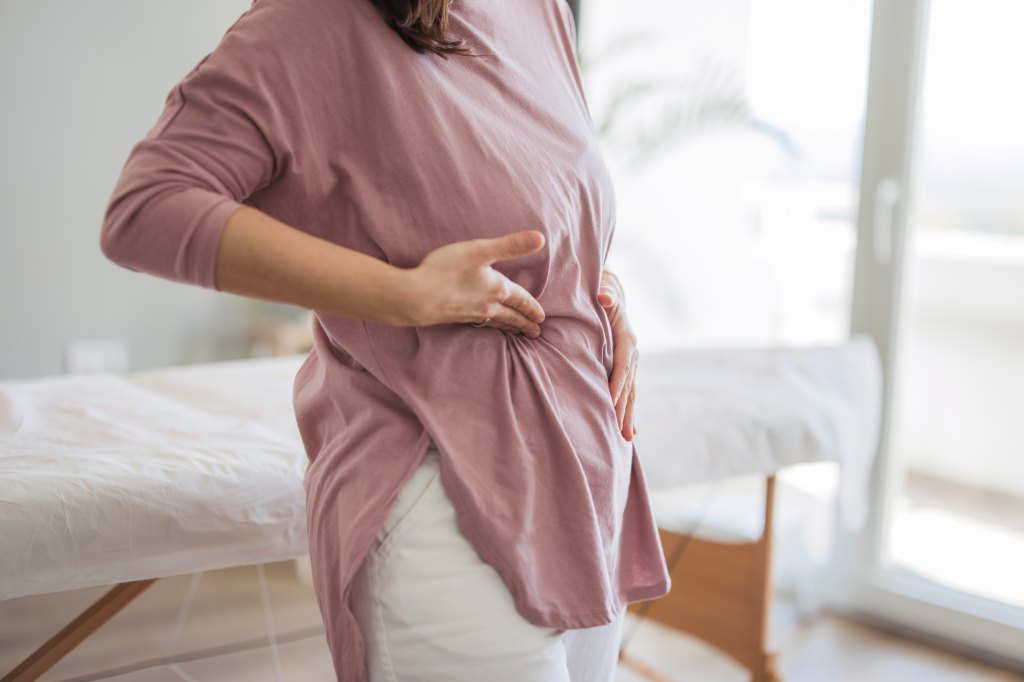
“Gallstones are often asymptomatic, but the stone can sometimes get stuck in the bile ducts leading to changes in skin color, right upper abdominal pain with eating, nausea and vomiting,” says Dr. Rao.
The pain often radiates to the back or right shoulder, adds Dr. Genovese. You may also experience bloating and indigestion, he says.
Symptoms are usually triggered after eating fatty or greasy meals because the gallbladder contracts to release bile, and a blockage prevents the bile from flowing correctly, notes Dr. Genovese.
Gallstone self-care tips
If you’re dealing with mild symptoms of gallstones, there are ways to manage the discomfort and reduce the likelihood of future attacks, says Dr. Genovese. However, in many cases, you’ll still need to see your doctor for treatment.
Adjust your diet
A healthy, balanced diet is the key to preventing gallstones from worsening. Dr. Genovese suggests eating a low-fat, high-fiber diet focusing on whole grains, fresh fruits and vegetables. It’s also important to avoid greasy or fried foods that can stress your gallbladder, he says.
Eating smaller, more frequent meals instead of large, heavy ones can also ease the burden on your digestive system, Dr. Genovese notes. Additionally, staying hydrated by drinking plenty of water is helpful, as it supports healthy digestion and helps maintain the proper balance of bile.
Apply a warm compress
In terms of self-care strategies to manage the pain of gallstones, try applying a warm (not hot) compress to the affected area for 15 to 20 minutes. Gently warming the area for 15 to 20 minutes improves blood flow and eases the cramping or tightness caused by gallbladder contractions, Dr. Genovese explains. You can repeat this process every 2 to 3 hours throughout the day. It’s always best to place a cloth or towel between the heat source and your skin to avoid burns.

Lie on your left
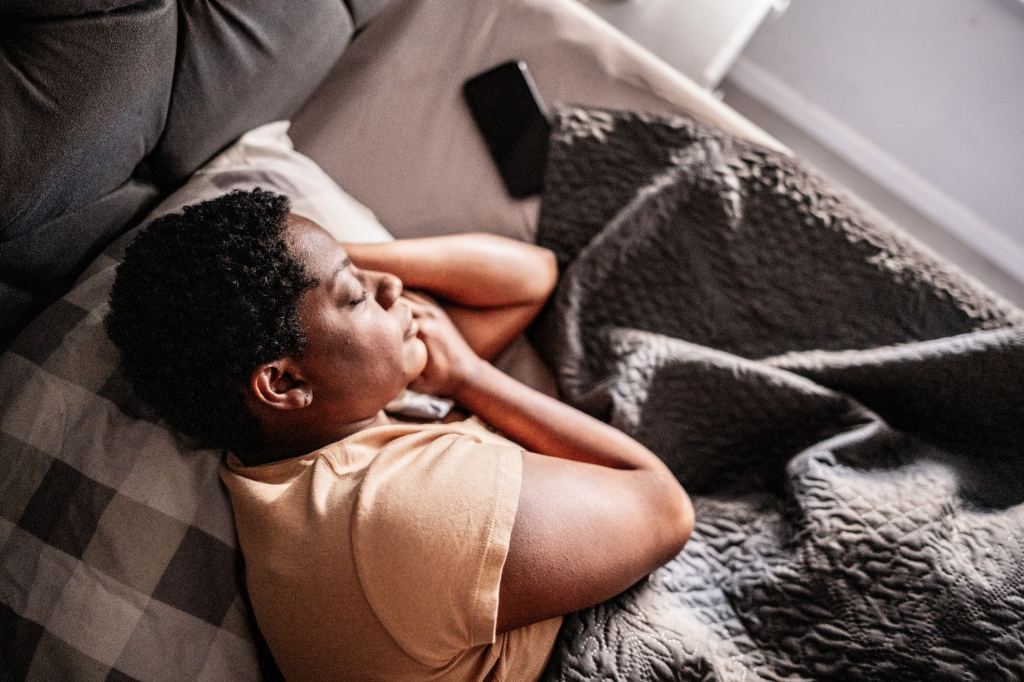
Turns out how you sleep can play a role in gallstone self-care. Sleeping on the opposite side of where the gallbladder pain is located can help reduce discomfort and make it easier to snooze without discomfort, Dr. Genovese says. Since the gallbladder sits under the liver on the right side of your abdomen, lying on your left side may help relieve pressure and make you more comfortable, he explains.
You can also try tucking a pillow under your abdomen or between your knees to improve spinal alignment and ease strain.
Lose weight gradually
While shedding unwanted pounds won’t get rid of gallstones that have already formed, it can reduce your risk of new ones developing. The key: Losing weight at a slow and steady pace (about 1 to 2 lbs. per week). Not sure where to get started? Our weight loss success stories can serve as a jumping-off point.
When to see a doctor for gallstone treatment
If you experience severe or prolonged abdominal pain, especially if it lasts more than a few hours or comes with other symptoms like fever, chills or jaundice (yellowing of the skin or eyes), you should see your doctor, advises Dr. Genovese.
“Even if your symptoms are mild but recurring, it’s worth consulting a doctor,” he says. “They can perform imaging tests like an ultrasound to confirm whether gallstones are the issue and discuss treatment options with you.”

In some cases, surgery to remove the gallbladder (called a cholecystectomy) might be recommended, especially if gallstones are causing frequent or severe symptoms, Dr. Genovese says.
It’s also important to discuss gallstones with your doctor prior to starting a significant weight loss program, bariatric surgery or weight loss medication, adds Dr. Rao.
Conversation
All comments are subject to our Community Guidelines. Woman's World does not endorse the opinions and views shared by our readers in our comment sections. Our comments section is a place where readers can engage in healthy, productive, lively, and respectful discussions. Offensive language, hate speech, personal attacks, and/or defamatory statements are not permitted. Advertising or spam is also prohibited.