Poison Ivy Rash Guide: What It Looks Like, How To Treat It and When To Call a Doctor
Plus, the age-old rhyme to help you identify it!

While those shiny green leaves lining the base of a tree might look harmless, poison ivy isn’t anything to mess around with, especially when the results of touching it are an itchy red rash that lasts for up to three weeks! Found throughout most of the United States in wooded areas and on forest floors, what makes this plant one to avoid is urushiol, the oil produced by poison ivy, poison oak and sumac, which causes the irritation most hope to avoid.
With so many green leaves this time of year, you might be wondering what’s poison ivy and what’s not—plus what to do if you think you’ve come in contact with it. Allow us to guide you as this poisonous plant makes itself known in the heat of summer.

What does poison ivy look like?
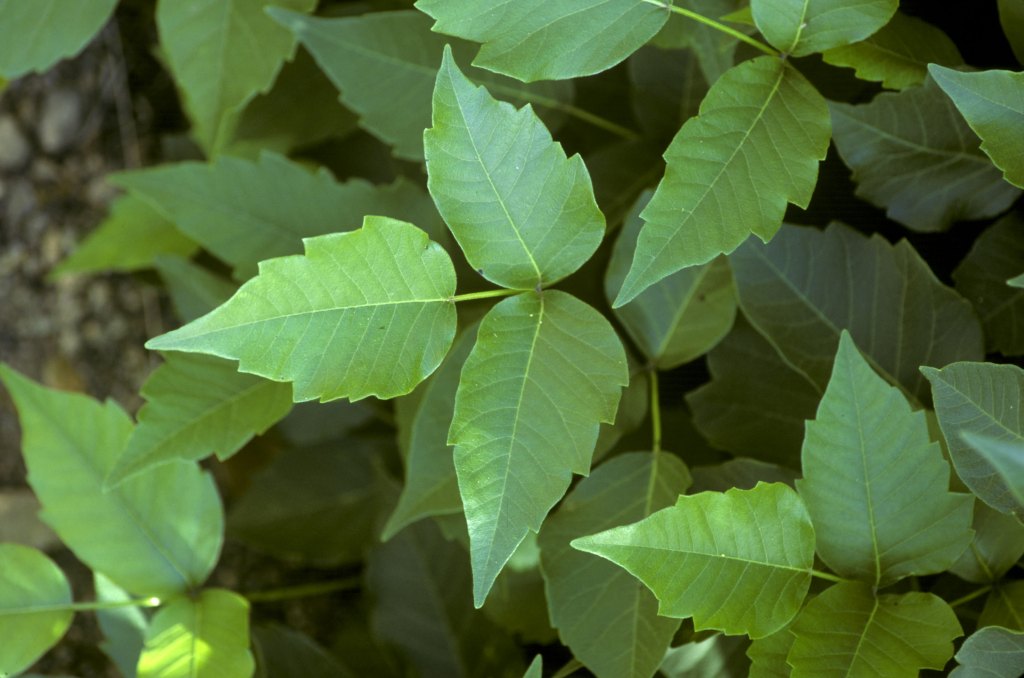
Spotting poison ivy is easy once you know what to look for. The plant is known for its teardrop-shaped leaves of three. Ever heard the old rhyme, “leaves of three, let it be”? Now you have! Each poison ivy leaf consists of three smaller leaves, often with a bit of a shine to them. Their color is most often recognized as being a darker shade of green, but depending on the season and geographical location in which you find them, these leaves can even be red or yellow.

Signs your rash might be poison ivy
If you think you’ve come in contact with poison ivy, wash the area immediately, as it may help ease the severity of the rash. The appearance of the poison ivy rash varies, but most often, it appears after a few days in the form of red and itchy bumps and patches. Oftentimes, the skin may swell and will usually result in blisters or bumps. Oozing of fluid can occur, but it will typically crust over. The rash itself usually appears within the first 12-48 hours of contact, but it can last for up to three weeks.

How to treat poison ivy rash at home
Treating poison ivy can easily be done at home thanks to the many readily available over-the-counter products on shelves. Things like cortisone creams, calamine lotions and antihistamines can help relieve the symptoms of the rash until it goes away. In addition to these products, which can reduce redness, inflammation and itchiness, many have turned to natural remedies to ease symptoms.

Natural remedies for poison ivy relief
Many natural remedies have been said to help with poison ivy. For starters, a cold compress can reduce inflammation, while oatmeal baths are also said to help relieve symptoms of poison ivy.
How to make an oatmeal bath
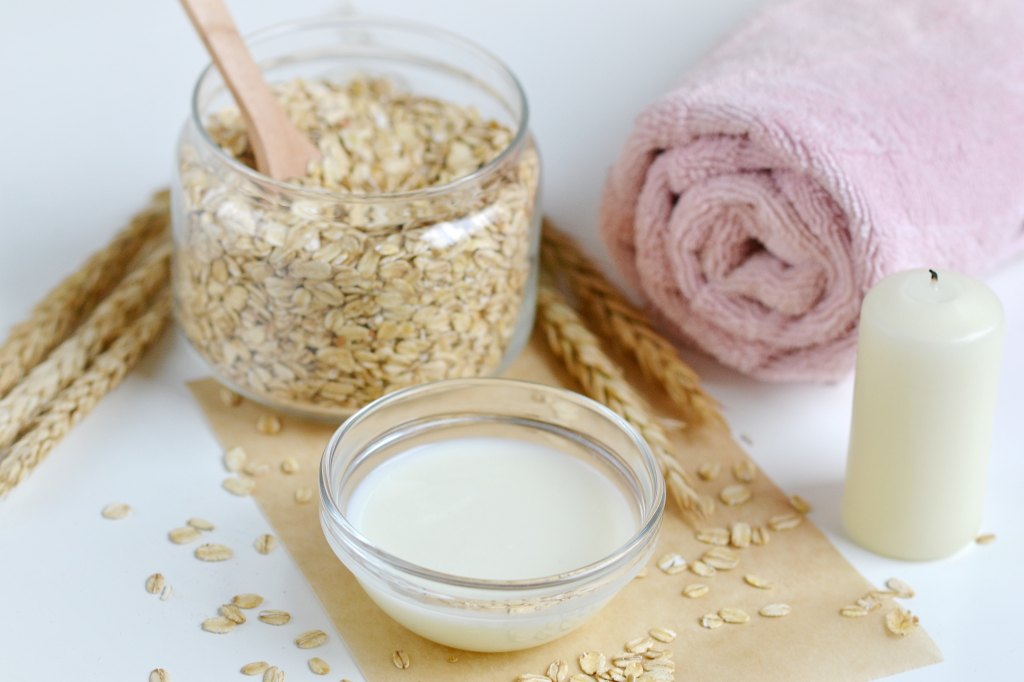
Grind a cup of uncooked oatmeal up, add it to a lukewarm bath, but make sure it isn’t too hot to further irritate the skin. Other natural remedies, such as tea tree oil and aloe vera, can help ease the itch and burn.


When to see a doctor for poison ivy
In most cases, medical attention isn’t necessary when a poison ivy rash first presents itself. However, if after a few weeks the rash isn’t improving, or it shows signs of infection such as a fever, warmth or pus, it’s best to contact your medical provider. Additionally, if you are experiencing swelling of the eyes and face or having trouble breathing, seek medical attention immediately.
Can you prevent poison ivy rashes?
Yes, you can prevent poison ivy rashes—and it starts with smart clothing choices. If you’re hiking, gardening or spending time in wooded or overgrown areas where poison ivy may be present, it’s best to wear long sleeves and long pants to keep your skin protected from accidental contact with the plant’s rash-causing oil, urushiol. Tucking your pants into your socks and wearing gloves can add extra protection. Remember: avoiding direct skin contact is the most effective way to prevent the uncomfortable rash before it starts.
Conversation
All comments are subject to our Community Guidelines. Woman's World does not endorse the opinions and views shared by our readers in our comment sections. Our comments section is a place where readers can engage in healthy, productive, lively, and respectful discussions. Offensive language, hate speech, personal attacks, and/or defamatory statements are not permitted. Advertising or spam is also prohibited.