Your Microbiome Test Might Be Wrong. Here’s What a New Study Found When Labs Tested Identical Samples
Seven labs got the same sample. They returned answers so different they might as well have been different people.
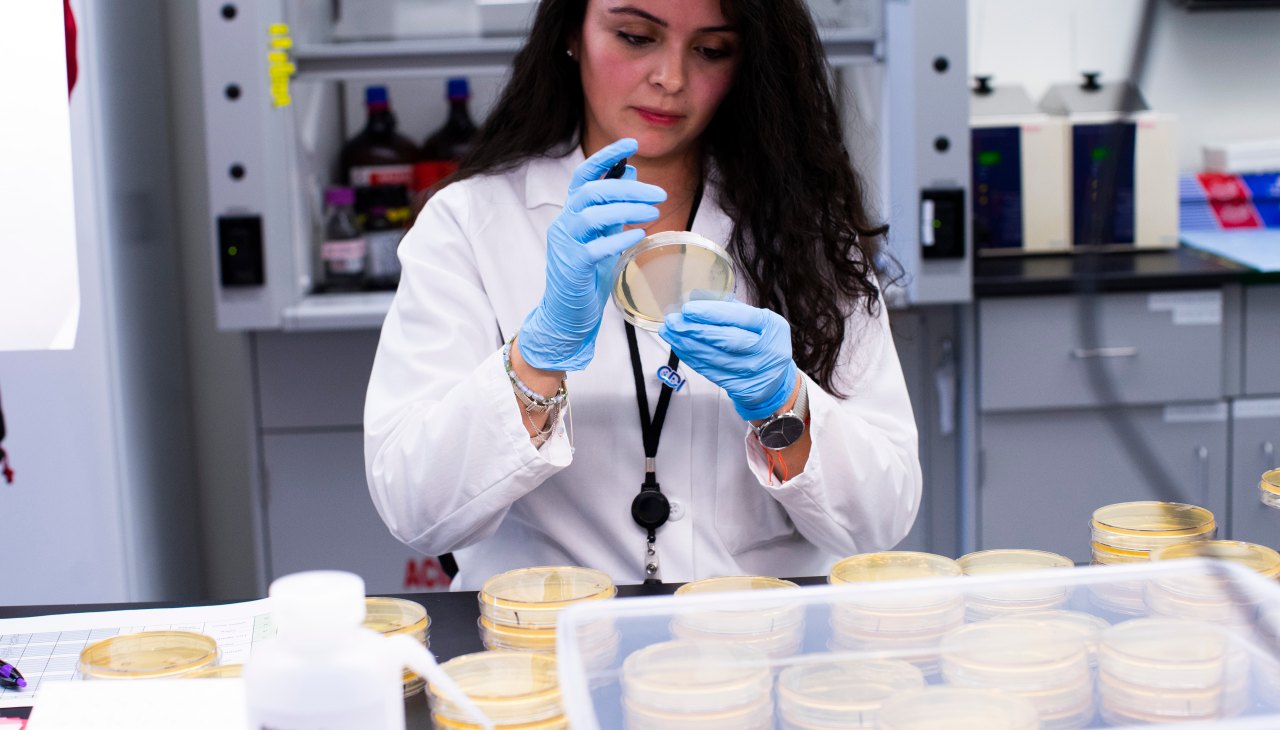
Send identical stool to seven different gut microbiome test companies and you will get seven wildly different answers. That is essentially what a new study did, and the results should give anyone who has bought an at-home microbiome test reason to pause.
Researchers at the National Institute of Standards and Technology (NIST) and the University of Maryland (UM) School of Medicine blended bowel movements from several people into one homogenized sample, then sent identical portions to seven direct-to-consumer companies.
The biology was the same in every tube. The reported results were not. The findings were published February 26, 2026 in Communications Biology (a Nature journal).

The number of microbe types each company claimed to find ranged from 34 to more than 900. Only three types showed up in every single test. One company tested the same sample three times and labeled two results “healthy” and one “unhealthy.”
In other words the differences between companies were as large as the differences you would expect between completely different people.
Why one gut microbiome test disagrees with another
The problem is that there is no agreed-upon standard for how any of this is done.
Some companies have you sample the whole stool. Others have you swab toilet paper. Some preserve the sample on the way to the lab and some do not. Each lab then uses different sequencing technology, and different technology produces different readings.
The interpretation layer is just as shaky. Companies grade your microbes as good or bad by comparing you to a reference group. But every company uses a different reference group, so the same gut can earn a different score depending on who is doing the grading.
As NIST’s Stephanie Servetas explained in a news briefing, the research can show how reproducible the results are between or within companies, but it cannot tell you which company is closest to the truth. Gut microbiome testing has gotten cheaper and faster over the years. It has not gotten more accurate.
What this means before you change anything
Unreliable results lead to real decisions. People cut nutrients from their diets, buy supplements they may not need or in rare cases attempt at-home fecal transplants, which carry genuine infection risk without medical screening.
University of Maryland researchers flagged a particular worry about parents of autistic children, who may restrict a child’s diet based on a score that does not mean what they think it means.

“They are kind of desperate to find anything that might help their child,” Hoffman said, per UM. “If parents are restricting the intake of certain nutrients [based on these recommendations], this can be harmful for the child.”
There is also a built-in conflict of interest. Many of the same companies sell gut health supplements alongside the test, and the problem the test “finds” tends to match the product they happen to sell.

“You should be very careful in interpreting what companies are telling you,” said Jacques Ravel, professor of medicine at UM’s School of Medicine and one of the study’s authors.
Or as co-author Scott Jackson summed it up: “Buyer beware.”
A gut microbiome test can be a fun snapshot. Just do not treat it as a diagnosis, and talk to a doctor before you act on one.
Conversation
All comments are subject to our Community Guidelines. Woman's World does not endorse the opinions and views shared by our readers in our comment sections. Our comments section is a place where readers can engage in healthy, productive, lively, and respectful discussions. Offensive language, hate speech, personal attacks, and/or defamatory statements are not permitted. Advertising or spam is also prohibited.