EXCLUSIVE: Former Weight Watchers Medical Director Optimistic About Future of GLP-1s
Woman's World spoke to Dr. Spencer Nadolsky about the pros and cons of weight loss medication, compounding pharmacies and the future of healthcare

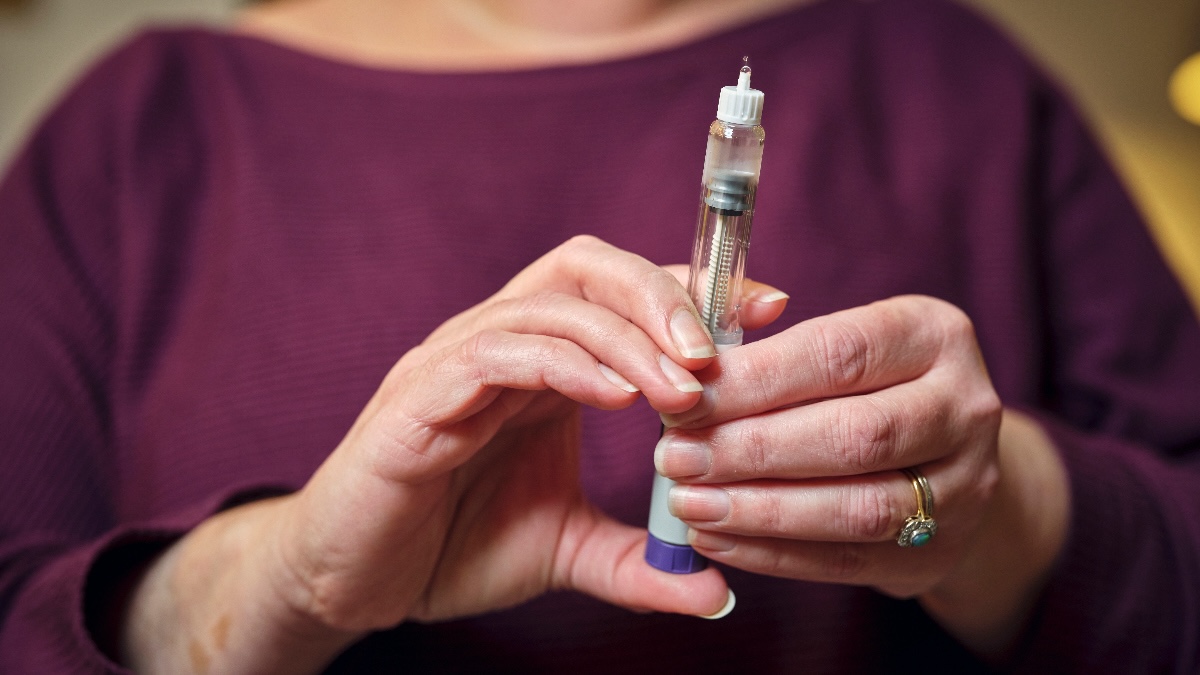
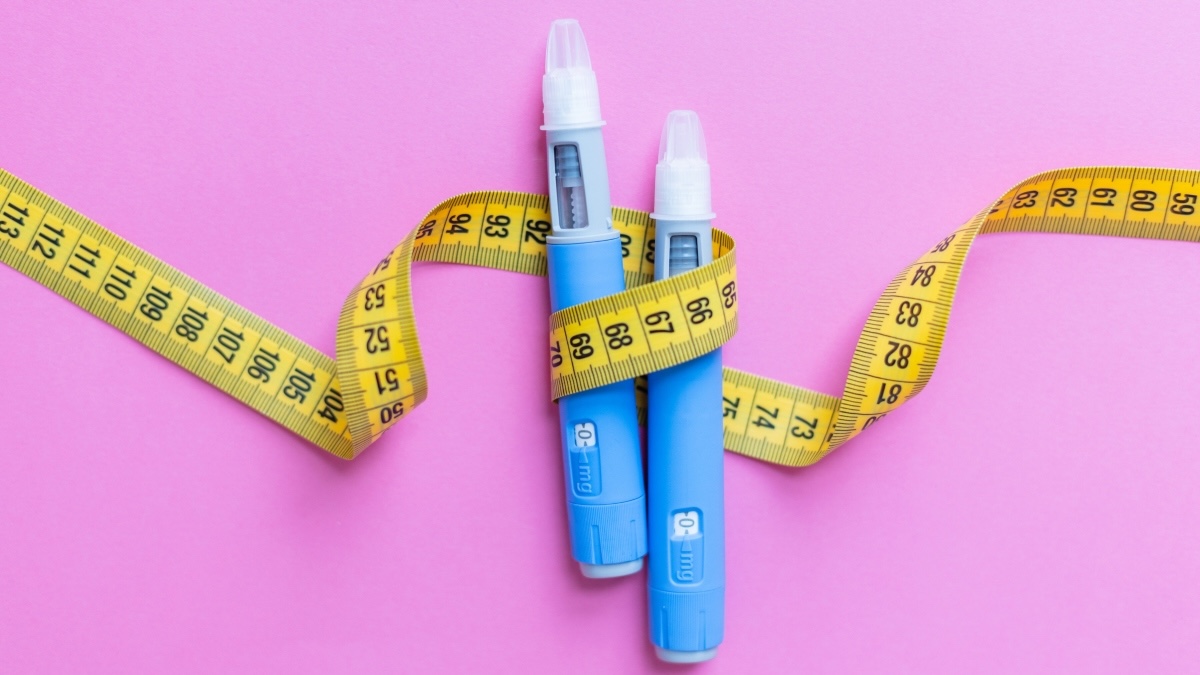
It’s no secret that GLP-1 medications like Ozempic, Zepbound and Wegovy are helping people achieve amazing health and weight loss results. Despite this, obesity and other conditions continue to be a major problem, and weight loss can still be difficult, even for people on semaglutide medications. According to the Trust for America’s Health, 41.9 % of adults in America have obesity as of 2023.
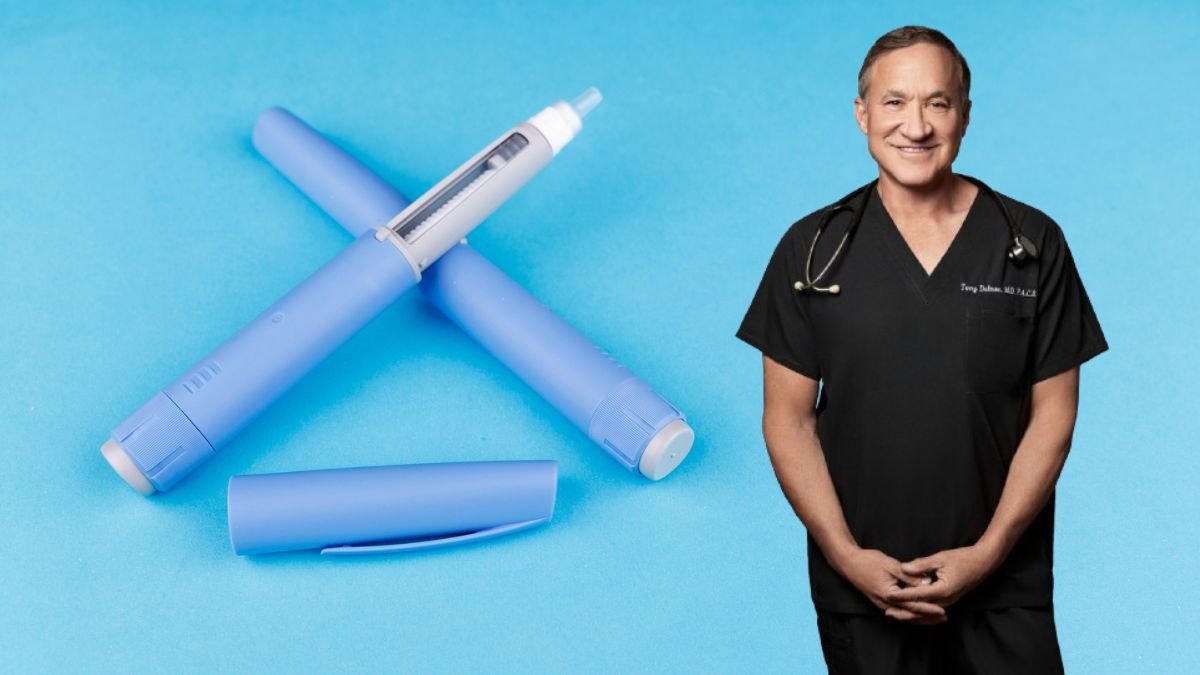
To learn more about how these new medications are changing the future of weight loss, Woman’s World spoke to Dr. Spencer Nadolsky, a Michigan-based medical doctor who focuses on helping patients through diet changes, exercise and GLP-1 medications. Dr. Nadolsky shared his thoughts on the challenges of modern healthcare, the obesity epidemic and how GLP-1 medication could turn things around.
Dr. Nadolsky Helped Start Weight Watchers Clinic
Although GLP-1 medications like Ozempic are still fairly new as weight loss medications, Dr. Nadolsky has a lot of experience with them. The company Sequence, which eventually became Weight Watchers Clinic after an acquisition, offers GLP-1 medications to patients who qualify. Dr. Nadosky helped establish that initiative: “I was the medical director for Sequence (now Weight Watchers Clinic) at the beginning. We started that company. Once acquired, then I became medical director for all of Weight Watchers. I eventually transitioned to just the science team of Weight Watchers, which means that I helped with the research that we were doing. Then I stopped being as involved with the clinical operations as other medical directors. I was more of an overarching science Medical Director.”
Dr. Nadolsky has since left Weight Watchers, and now operates his own business and practice that promotes weight loss through a healthy lifestyle and the use of GLP-1 medications like Ozempic and Zepbound.
GLP-1s Are Getting Close to Surgery for Weight Loss Results
Even with GLP-1 agonists being fairly new to the market, they continue to improve.”We had some older drugs, phentermine and one called Qsymia, which is a combination of phentermine and topiramate, which got up to around 10% total body weight loss.”
“When Wegovy and high-dose semaglutide were approved in 2021, that’s when we started seeing around 15% total body weight loss. We know with lifestyle alone, it’s about 5% total body weight loss over a year. Whereas bariatric surgery is around 30%. When we get 15% from a drug, we’re starting to bridge that gap between lifestyle and bariatric surgery.” These are extremely impressive results, especially without the need for invasive surgery
With Zepbound or tirzepatide (the same drug as Mounjaro), we’re starting to see over 20% total body weight loss. Now we’re really starting to get close to bariatric surgery levels.
GLP-1s Are Extremely Helpful, But Aren’t Perfect
While Dr. Nadosky stresses the powerful weight loss benefits of semaglutide, he notes they do come with some minor negative side effects. “The most common being nausea, which is mild to moderate for most. There is a small portion of people that do get more moderate to severe nausea, but can usually be taken care of with either some lifestyle changes or sometimes even anti-nausea medicine.”
“We do see some other side effects, like constipation, which can be minimized with plenty of fluids, fiber and physical activity. We see some reflux, especially if they have a history of reflux. Once in a while, diarrhea and then a few other side effects that are less common.” Progress is being made to help lower the side effects of GLP-1 medication. A new study on NG101 (metopimazine mesylate), showed a reduction of nausea by 40% and vomiting frequency by 56% in GLp-1 Agonist users.

“The Doc Who Lifts” Recommends Weight Training for GLP-1 Patients
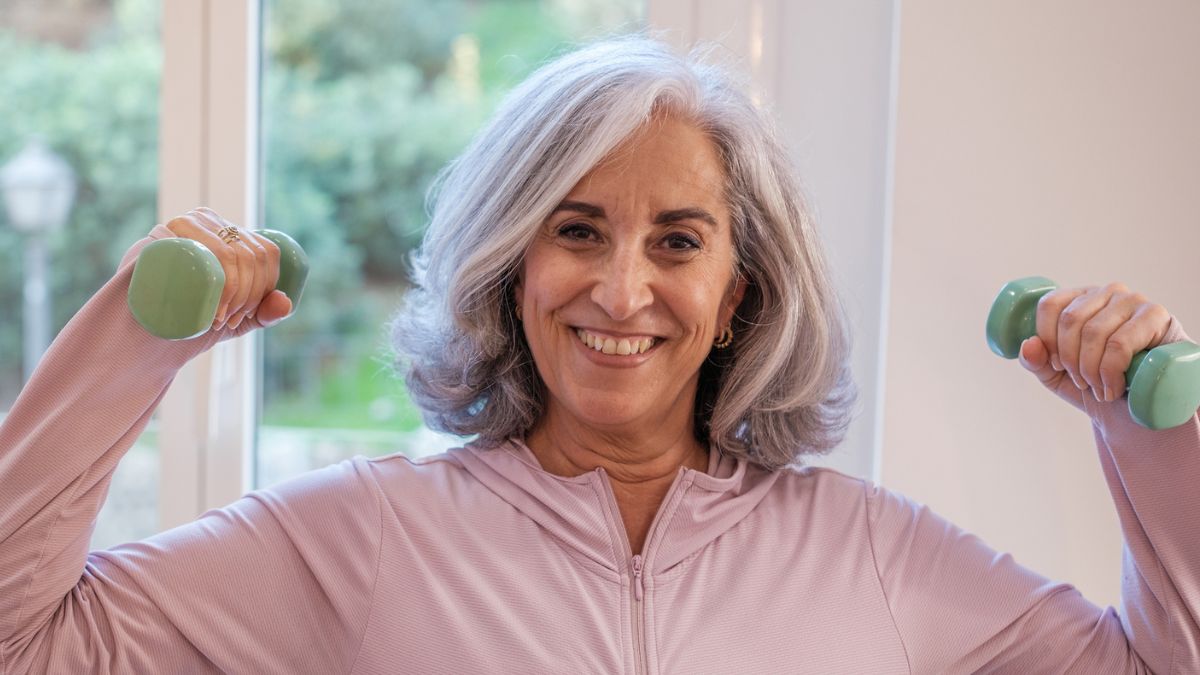
When people start taking GLP-1 medication, rapid weight loss can happen. To combat patients losing too much weight and specifically, muscle mass, Dr. Spencer Nadolsky recommends strength or resistance training: “For GLP-1 users specifically, if they don’t resistance train, we really want them to. The medicines can lead to rapid weight loss, which can lead to more muscle loss and strength loss than we’d like. If you’re able to get them active, it can minimize those problems.”
Ideally, patients should want to lose more body fat than muscle tissue. Dr. Nadolsky says, “I don’t think the drugs actually are specifically causing muscle loss. It’s just that, even with bariatric surgery or diet weight loss, we want people to resistance train. These medicines are so powerful. With just diet, it doesn’t work as well. You don’t have to worry about exercise as much. But with these drugs, they work so well but just don’t forget to be physically active.
Dr Nadolsky’s company, LiftRX, and podcast aptly named “Docs Who Lift” both promote these principles. “I’m a doctor who promotes exercises with medicine, especially lifting weights. It’s a program meant for people who are kind of intimidated by lifting weights and want to have a more guided experience.”
Price and Insurance Are the Main Challenges for GLP-1 Patients
While Dr. Nadolsky supports the benefits of GLP-1 medication, getting them into patients’ hands at an affordable price can be difficult: ”
Medicare doesn’t cover the obesity versions just yet, unless you have cardiovascular disease. It’s the biggest issue right now. Then insurance is making people jump through hoops to get them, even if they do cover them. So that’s probably a big one of the biggest hurdles.
This is one of the main reasons why many telehealth providers are popping up on the market. They provide compounded (or generic) versions of Ozempic, Wegovy, Zebound and other name-brand GLP-1 agonists at a fraction of the price.
Be Careful Where You Get Compounded Semaglutide
Although compounded GLP-1 medication through telehealth providers can be significantly less expensive and more readily available, Dr. Nadolsky has mixed feelings about them: “I used to be much more against the compounded versions. I think there is a degree of quality in compounding the medicines. So for example, there are 503 B outsourcing pharmacies.”
“It’s more rigorously monitored by the FDA, versus the 503 A state pharmacies. Those are smaller operations. They’re still not FDA-approved though. The one issue is where they’re sourcing the medicine.” Dr. Nadolsky mentioned recent news of pharmaceutical company Novo Nordisk asking the FDA to stop compounding pharmacies from making copycat versions of their name-brand semaglutide (Ozempic, Wegovy and Rybelsus). According to Fierce Pharma, Novo Nordisk says that GLP-1 “drugs are too complex to replicate safely”.
If patients do go the generic route, Dr. Nadolsky says “if I were to recommend a compounded version ever, it would be made by a 503 B pharmacy. I’m still cautious about it because I think it would be really nice to know more about it if it’s been studied more.” Because these medications are sometimes 1/10th of the cost of the name-brand medications, Dr. Nadolsky understands why people prefer them and hopes that will change in the future.
I don’t blame people. In an ideal world, Eli Lilly and Novo Nordisk would have enough of this stuff and make it cheaper. That would completely squash the whole compounding thing anyway because a lot of people are doing it because it’s cheaper.
Dr. Nadolsky Wants a Different Approach to Healthcare
There’s no doubt that the healthcare landscape is changing, for better or worse. Dr. Nadosky looks to the future and thinks technology is an important part of the equation: “In an ideal world, you’d have the option of being seen in person, if you can. Not everybody has a physician that’s in person. That’s why telemedicine is so important. But ideally, they’d be both in person and virtually or not necessarily in person. They have closer contact and closer monitoring.”
However, Dr. Nadosky still thinks seeing a doctor in person is important, but wants it to be a faster and more convenient process for the patient. “You won’t have to take a half day off work to go see the doctor. So ideally, you have this combination. It’s like a hybrid approach. That’s what a lot of people are going towards.”
Ideally, it would be a comprehensive multi-disciplinary team, that not only includes a doctor but dieticians, strength coaches, exercise physiologists and even licensed behavioral therapists. Then, of course, care coordinators to help with any other care coordination.
Dr. Nadolsky’s Approach To Fighting Obesity
Even with all the amazing success stories and weight loss transformations around GLP-1 medication, there’s still a lot of work needed to fight against the obesity and overweight issues in our society. Dr. Nadosky knows it’s going to be a challenge but maintains his optimism and thinks it’s possible.
“So it comes down to likely our food environment and environment overall. Foods are designed now to make us want to eat more of them, and that leads to increased calorie intake, which leads to gaining weight. When we try to fight back and try to eat the better foods, our brains are wired to eat those more readily over-eaten foods.”
The GLP-1 landscape needs to change
While GLP-1 medication is a part of the solution, Dr. Nadolsky says that the entire landscape needs to change. “Ideally, we could be using these medicines in the future. I think it’s going to be a two-pronged approach, where we use these medicines and hopefully shift our environment to a less obesogenic environment. This would mean some sort of big food legislation making those foods less readily available.
While this approach is easier said than done, Dr. Nadolsky says that more preventative measures need to happen.”I think to prevent obesity in the first place, we need to work on that. Obviously, that would help treat it, but probably more so prevent it.”
Doctors Should Be the Only Ones Prescribing GLP-1 Medication
Woman’s World recently covered the world of med spas and peptide sites selling GLP-1s without a doctor’s prescription. Dr. Nadolsky gave his thoughts on this recent trend: “I speak out about this type of practice. These drugs should be prescribed in a way that can be monitored by qualified health professionals. People are trying to get their hands on this in any way. They can order it online without a prescription using these peptide websites.”
“Med spas are giving it out in ways that aren’t FDA-approved, using compounded versions, and who knows what else. So I strongly discourage the use of those medicines in those ways unless they have a good explanation but it’s hard to know who’s doing it correctly.” No matter where you get GLP-1 medication, every expert we’ve spoken to agrees that you should always do it under a licensed medical provider’s care and supervision.

GLP-1 Alternatives and Supplements Not Effective
Because GLP-1 agonists are big business, many GLP-1 alternatives and supplements are entering the market. They generally will tout having the same benefits as semaglutide or other GLP-1 prescription medication. “For weight loss, none of these supplements are going to be effective. Not a single one,” said Dr. Nadolsky. “They’re trying to say they are GLP-1 activators, GLP-1 boosters or GLP-1 supplements. There’s not a single one that will ever get close to the efficacy or effectiveness of a GLP-1 agonist.”
With that said, he does say there could be some minor benefits but doesn’t recommend them to his patients. “There may be some blood sugar benefit to some of these if they can get GLP-1 up a little bit, but not for weight. Even still, even for blood sugars, it still won’t get to the efficacy of an Ozempic, Mounjaro or whatever else. I can tend to tell people to save their money.”
Dr. Nadolsky Is Optimistic About the Future of GLP-1 Medication
GLP-1 medication could be the missing piece to not only reverse overweight and obesity but also be a preventative measure. Dr. Nadolsky says, “With GLP-1s in the future, we’re just scratching the surface of the technology right now. I think they’re going to become very cheap and widespread in the next five to 10 years.”
It could be that most people are on a low dose of these, even for cardiovascular protection or other purposes. Imagine, instead of waiting until somebody develops type two diabetes and 40 BMI, we catch them at a 25 BMI and put them on a low dose so that it prevents weight gain in the first place and complications that arise in that weight gain.