You’re Starting a GLP-1, Now What? How To Maximize Weight Loss and Minimize Side Effects
From silencing cravings to beating stigma, experts reveal how to own your journey
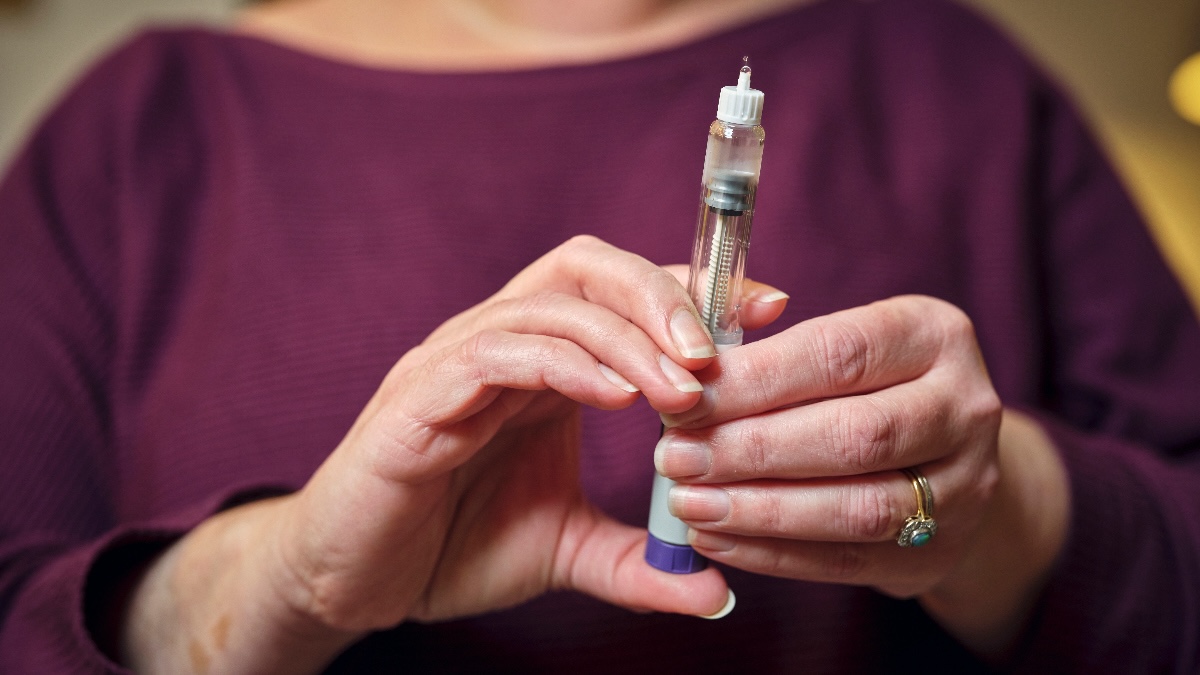
It’s no secret that starting a GLP-1 weight-loss medication is as much an emotional journey as it is a physical one. From navigating inevitable ups and downs to quashing cravings and finding the support you need, experts share empowering strategies to help you reach your health goals with clarity and confidence.
5 tips that make starting a GLP-1 easier
Whether you’re taking Ozempic to balance your blood sugar levels or Wegovy to lose weight, here’s how to get the most out of your GLP-1 medications (and minimize common side effects).
You’re in the driver’s seat
The best way to think about GLP-1 drugs is as a tool we have power over, notes Easting & Behavioral Change Expert Candice Seti, Psy.D, author of The Self-Sabotage Behavior Workbook. “I like to tell people starting these medications: If you could reduce food noise and have your hormones working as your ally, how might you use that time to work on your relationship with food?” she says.
“For some, that means addressing emotional eating. For others, it’s about managing cravings and making different food choices—or planning and organizing meals. I like to think of these treatments as tools that support you, not magic bullets. They don’t do the work for you, but they can make the path forward clearer and more manageable.”

Foster new, healthy habits
Many of us are emotional eaters, but Seti has noticed that when people start these medications, “they simply don’t have the drive to eat, so turning to food in response to emotions isn’t an option.” It’s a strange problem, she concedes, but a real one: “Suddenly, someone is stressed and can’t rely on the coping mechanism they’ve always used.”
That’s why stress management becomes so important. People can empower themselves by exploring healthier ways to cope—anything from exercise to cuddling with a pet—as long as it becomes a habit, she adds.
Gather your support
You already know diet and exercise are crucial for weight-management success on GLP-1s, but social support is just as important, says clinical psychologist Sherry Pagoto, PhD, professor in the Department of Allied Health Sciences at the University of Connecticut and director of the UConn Center for mHealth and Social Media.
She encourages connecting with others taking these medications, whether in person or through online communities. “You can ask things like, ‘What doses have you tried? Did your weight loss plateau?’” she says.
Even with support, however, people sometimes face judgment. “I spend time in online GLP-1 communities, and users often share experiences of being shamed by comments implying they’re ‘cheating.’ We would never say that to someone taking medication for diabetes or cholesterol, but weight loss is treated very differently.
Expect reactions and consider how you want to respond. You might say, ‘I’ve been working with my doctor, and we’re trying different approaches—and I’m really glad about that.’” Often, though, the simplest response is to ignore them.”
Manage potential GLP-1 side effects
Many patients hear alarming stories online or in the news about GLP-1 receptor agonist side effects, acknowledges obesity medicine physician Richele Corrado, DO. “In my experience, the best way to manage these is by working with an experienced provider. They can offer guidance on food choices, hydration and fiber to reduce nausea, heartburn and constipation—and may prescribe short-term anti-nausea medication.
Providers also know how to titrate these medications thoughtfully. While clinical trials often increase doses every four weeks to the maximum, many real-world patients achieve meaningful results with slower adjustments and without ever reaching the highest dose.”

Celebrate non-scale wins
Even when people are doing “everything right” with lifestyle changes and medications, some may still struggle to reach certain goals, notes Dr. Corrado. “This often reflects the severity of their underlying disease, not a lack of effort,” she assures. “What matters most is recognizing progress beyond the scale.

Success isn’t just about a number—it also includes non-scale victories like breathing more easily, having the energy to play with your grandchildren or needing fewer blood pressure medications. These improvements in health and quality of life are meaningful and deserve to be celebrated.”
A version of this article appeared in the February 23, 2026, issue of Woman’s World magazine.
Ready for more inspiration? Subscribe to our YouTube channel for video podcasts, health tips and uplifting stories designed for women 40, 50, 60 and beyond.
Conversation
All comments are subject to our Community Guidelines. Woman's World does not endorse the opinions and views shared by our readers in our comment sections. Our comments section is a place where readers can engage in healthy, productive, lively, and respectful discussions. Offensive language, hate speech, personal attacks, and/or defamatory statements are not permitted. Advertising or spam is also prohibited.