For Ron Howard, They Really Were Such ‘Happy Days’: The Actor On Life in the ’50s and With the Fonz
He reflects on experiences on 'M*A*S*H,' 'American Graffiti' and one of TV's biggest hits

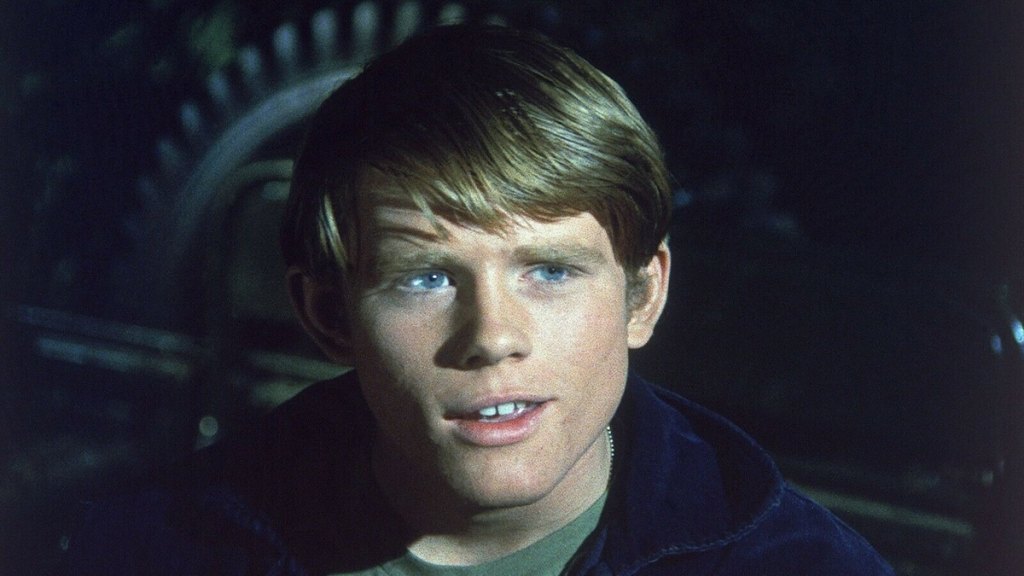
By the time The Andy Griffith Show had wrapped in 1968, Ron Howard was already a seasoned actor—though he was still just a teenager—which would actually come in handy for his next most popular role, Richie Cunningham in Happy Days. And in between, he continued to work steadily, taking on film and television roles, including a well-remembered guest spot on M*A*S*H.
“That M*A*S*H episode was really fun,” he recalled in his interview with the Television Academy Foundation. “I was treated like a TV vet on that show. I was going to college at the time and it happened to fit into my Easter break. It just felt comfortable.”
Howard had loved Robert Altman’s 1970 M*A*S*H movie, but didn’t know much about the series. Still, he found the experience warm and welcoming. “Alan Alda was cool and I spent a lot of time talking with Wayne Rogers. It was a one-camera show, which reminded me of how Andy Griffith had been shot, and it had some drama along with the comedy. I just felt like it was going to be a success.”
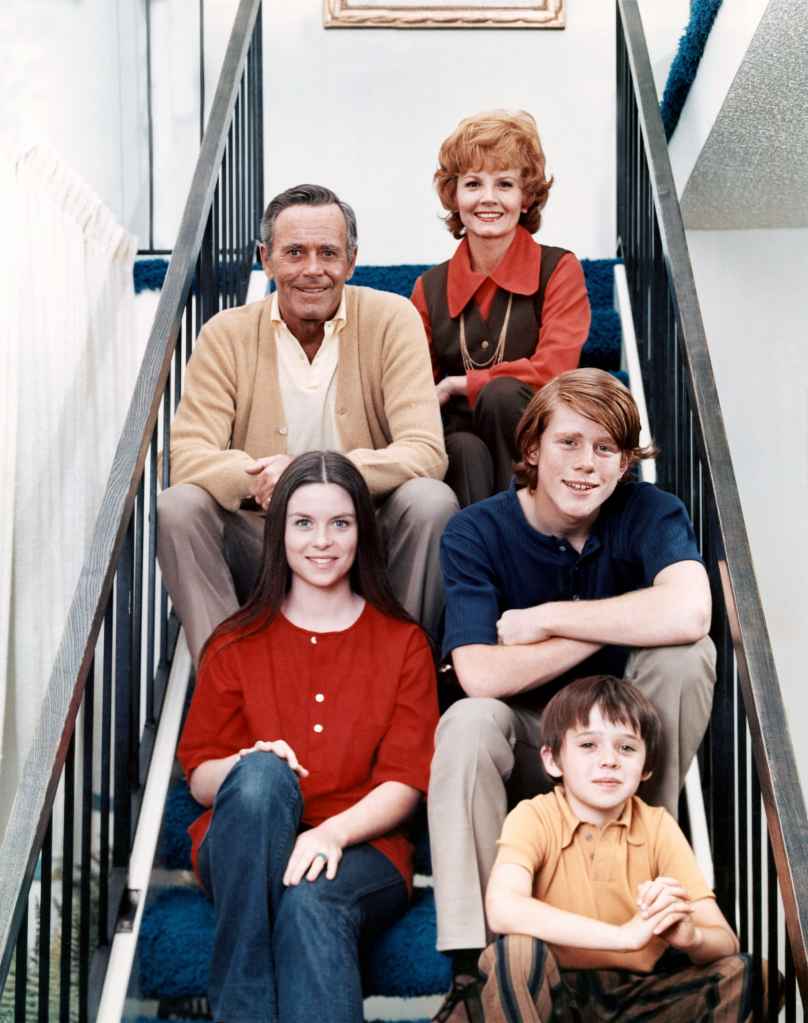
Before Happy Days came along, there was The Smith Family, a short-lived early ’70s drama starring Henry Fonda and Janet Blair. “It wasn’t a very good show,” he admitted, “but it was a great learning experience.” Directed by Herschel Daugherty, who helmed every episode, the series gave Howard a crash course in how TV worked behind the camera. “Herschel really knew how to stage scenes efficiently—he was a remarkable technician.”
Working with Fonda was another education. “He could be a little standoffish, but with me, he was talkative. He liked my dad and we’d talk about the great directors he worked with—John Ford and others—and about the differences between stage and film work.”
How the Vietnam draft nearly changed his career path
It was also Fonda who encouraged Howard to pursue directing, something the young actor was already dreaming about. “By that point, I was totally focused on being a director.”
But his timing was complicated. In between acting gigs, Howard had been accepted to USC’s film school—and just as he was about to start, he was cast in a pilot called Happy Days, which failed to get the green light to series from ABC. Instead, it aired as an episode of Love, American Style titled “Love and the Happy Days,” which introduced some of the characters who would later populate Happy Days. Still, Howard hesitated. “I didn’t really want to do another TV series,” he admitted. “I was worried about the draft. My number was 41 or 42—really low—and they weren’t honoring college deferments anymore.”
He hadn’t consulted a lawyer, but Howard had done some thinking. “There was this thing called a work deferment. If your employment was directly related to the employment of 30 or more people, you could apply for it. And I figured Paramount—owned by Gulf+Western at the time—wouldn’t want to send me to Vietnam if the show went to series.”
As a result, he agreed to do the pilot, which, as noted, ultimately didn’t sell. “A couple of months later, they did away with the draft,” he said, “so I dodged that bullet and went on to film school.”
From ‘American Graffiti’ to ‘Happy Days’
Then American Graffiti changed everything. The film, directed by a then little-known George Lucas, became a smash hit—and a cultural flashpoint. “Suddenly ABC was looking around saying, ‘We should do a ’50s show.’” Producer Garry Marshall reminded them they already had one: Happy Days. “It had one of the same leads from American Graffiti, me,” Howard noted, “so they decided to go forward with it. But they still weren’t sure they wanted to cast me—even though I’d been in the pilot. I had to go through an even more rigorous audition process.”
Howard and Anson Williams would eventually land the parts of Richie Cunningham and Warren “Potsie” Weber. “Garry came down and directed our screen test. I think he was pulling for us.”

Still, Howard wasn’t exactly overjoyed. “I had mixed feelings about it. I was in film school and I liked that. But I wasn’t getting great jobs, and this was too good to pass up. I looked at it and thought, ‘Well, on this show I’m kind of Andy. I’m the straight man the way Andy Griffith had been on The Andy Griffith Show. People kill for these kinds of roles.’”
He recognized the opportunity—and the talent involved. “Garry Marshall was great. I just thought, this is a good job, and I should take it.”
Happy Days was built on a foundation of nostalgia. “It’s about a family and group of friends in Milwaukee in the 1950s,” Howard explained. “It was almost a fantasy of what the ’50s were like. I think that’s why it has a timeless quality. Even when we made it, it was nostalgic.”
Howard, born in 1954, didn’t have much firsthand recollection of the era the show portrayed. “Culturally, I didn’t really wake up until I was nine or 10. The Beatles—that’s the first time I noticed a big cultural shift. When they surpassed the Beach Boys, I really noticed that.”
His Happy Days character was the quintessential boy next door. “I was the middle child in the family—although the older brother, Chuck, sort of vanished,” he laughed. “Two actors played Chuck before the character was just written out.”
Originally, the show was going to focus mostly on the Cunningham family. “It was inspired a bit by American Graffiti, a little by Summer of ’42 and a lot by Garry Marshall’s own reminiscences. Tom Miller, the executive producer, was from Milwaukee. Garry was from the Bronx. They decided to set the show in Middle America—something a little more unique for the time.”
But the show evolved. “It quickly became at least as much about the friends as the family,” Howard explained. “And then Henry Winkler’s Fonzie just exploded. Over the first couple of seasons, he grew in this remarkable way.”
The shift in focus was dramatic—and the writers adapted by creating stronger ties between Fonzie and the Cunningham household. “Eventually, they had him move into the apartment above the garage, just to keep that family connection going.”

What began as a nostalgic throwback quickly turned into a phenomenon—and Howard, once the child star of The Andy Griffith Show, was now at the center of one of the biggest hits of the 1970s.
Navigating fame, friendship and the Fonzie factor

Ron Howard never resented the attention Henry Winkler received on Happy Days—but he did feel the world change when it happened. “He really, really deserved it,” Howard said, “but there was a huge intentional shift.” In the show’s first season, the format was quieter and more intimate. “It was a single-camera show, very gentle—much more like The Andy Griffith Show, frankly.”
Then came trouble: the second season of Happy Days was up against Good Times, and Jimmie Walker’s “Dy-no-mite!” had become a national catchphrase. “We didn’t have anything like that,” Howard said. Ratings slipped and cancellation loomed—until ABC program director Fred Silverman had an idea. He agreed to test Happy Days in front of a live studio audience, which Marshall had been pushing for. The result was electric.
“People were screaming when Henry appeared,” Howard remembered. “We went on a publicity tour, and it was a little bit like we were a boy band. Henry was the lead singer.”

During the hiatus, ABC and the producers approached Howard with a proposal: rename the series Fonzie’s Happy Days. “They said, ‘We’d give you a raise, give you episodes to direct—how do you feel about it?’” Howard didn’t bring an agent. He went alone. “I said, I signed on to be at the center of a show called Happy Days. I respect what’s happened, but if that’s the direction you’re going, I’d rather go back to film school.”
Marshall ultimately intervened. “He said, ‘We’re not going to do this if you don’t want to do it.’” The name stayed, but the show inevitably shifted—Winkler moved more to the center, and Happy Days became a cultural juggernaut.

Howard adapted. “I continued to have great parts. It was a wonderful ensemble. Henry and I were like brothers.” Still, he harbored some quiet frustrations—not with the show, but with the business. “There was this kind of disrespectful disregard from the executives at ABC and Paramount that really bugged me.”
What didn’t waver was the cast’s bond. “Donny Most and I really hit it off—we were almost the same age. Anson Williams and I went back to the pilot. I admired his drive. He’s built this incredible, multifaceted career.” Even Tom Bosley and Marion Ross took on a kind of parental role. “They were the voice of reason. Always reminding us how lucky we were.”

Howard had a particularly close relationship with the late Erin Moran, who played Joanie. “We had a similar background as child actors. Even at nine or 10, she was more experienced than the other younger cast members.”
To Paris, with love

Much of the show’s magic, Howard said, came from director Jerry Paris. “He was an inspired comedy director and a former actor. He helped keep egos in check. The writers trusted him, so if Jerry said, ‘I don’t know how they can play this,’ it wasn’t an actor complaining—it was Emmy-winner Jerry Paris.”
Unlike The Andy Griffith Show, Happy Days wasn’t as collaborative in the early stages of storytelling. “We didn’t sit in on story meetings,” Howard noted. But once the show shifted to a three-camera format, the creative process fascinated him. “The script would evolve through rehearsal and run-throughs. It was a whole other kind of comedy—broader, heightened and played for bigger laughs. At first, I didn’t understand the tone. But once I got it, I really enjoyed it.”
Even when he was annoyed with ABC or Paramount, the live audience reset everything. “Once they showed up, you just wanted to have a great episode and hear those laughs roll.”

Howard’s character, Richie Cunningham, became the show’s voice of reason. “He was the straight man. The audience was supposed to relate to him, while everything crazy happened around him.” His friendship with Fonzie embodied the central tension: “Fonzie was the outsider. Richie just wanted to do what was right. Their relationship balanced each other.”
With his parents, Richie had a typical dynamic. “There were ups and downs, but a lot of respect. He went through all the usual adolescent growing pains and we kept going long enough that we even got into early adulthood.”
After seven seasons, Howard decided it was time to move on. “I was directing TV movies, I had a production company—I wanted to be a full-time director.” He credits Garry Marshall with making that transition easier. “Garry was probably the best boss I ever worked for. He had this way of keeping everything going and building unity—he even organized softball games.”
Marshall’s advice stuck with him. “He used to say, ‘Life is more important than show business.’ He meant it. I never felt like his agenda came first. He respected your life decisions. He was a great man.”
By the time Howard left Happy Days, he’d already begun writing his next chapter as a filmmaker ready to step behind the camera full-time.
‘Happy Days’ revisited
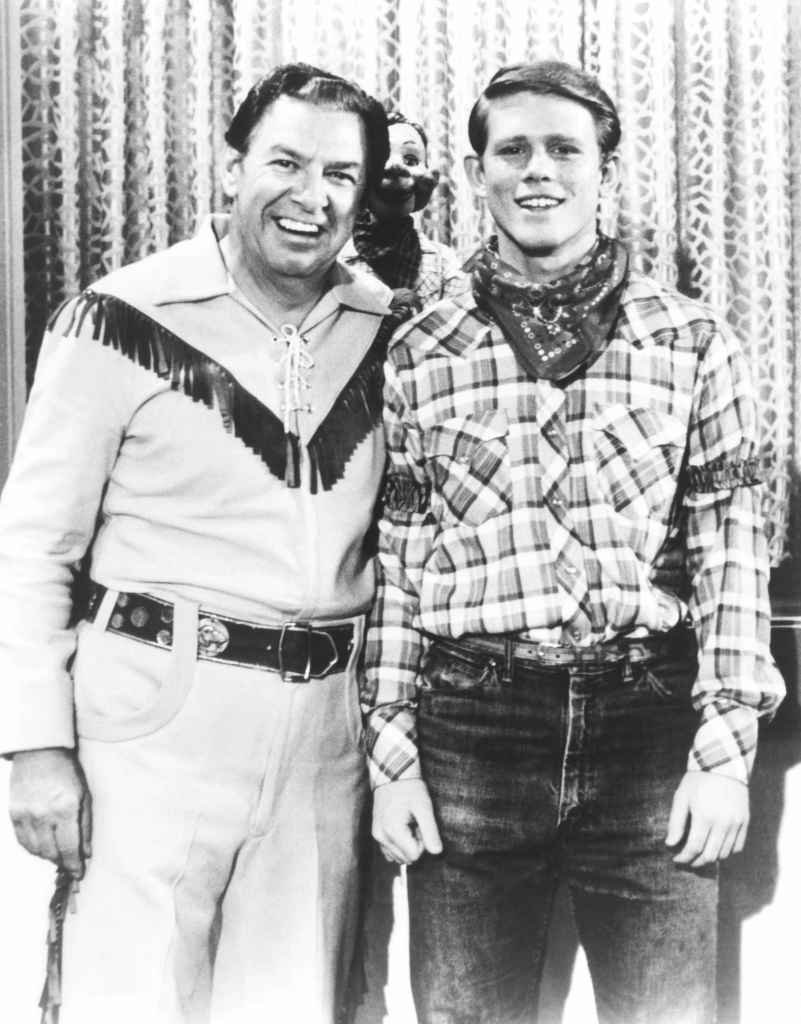
As Happy Days settled into its prime, Ron Howard had long since found his rhythm with the character of Richie Cunningham. But revisiting some of the show’s most memorable episodes reveals just how much fun could exist behind the scenes.
One such moment came with “The Howdy Doody Show,” a tongue-in-cheek episode that played on nostalgia, though Howard didn’t have a personal connection to the famed puppet.
“I never watched Howdy Doody, really,” he said. “I was a Captain Kangaroo man, and I loved Felix the Cat. But Buffalo Bob came on and Jerry Paris was having so much fun directing the episode that it was infectious.” Asked if he’d ever been teased about looking like Howdy Doody, Howard laughed, “Nope. Nobody ever called me Howdy Doody. They were too busy calling me Opie.”
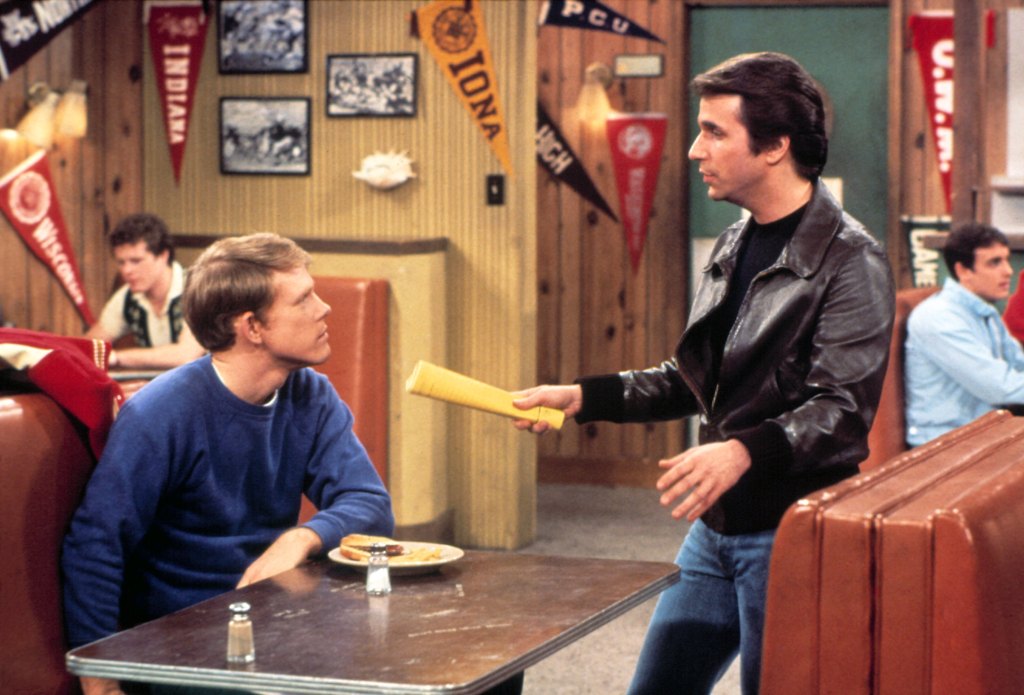
He had more enthusiasm for episodes that gave Richie something to do—especially physical comedy. “’Richie Fights Back’ was great,” he recalled of the episode where the character learns jujitsu. “It was a strong Richie episode during a time when the focus was really shifting toward Fonzie. I liked the physical nature of the comedy and the back-and-forth with Henry [Winkler].”
Another standout for Howard came much earlier in the form of “Richie’s Cup Runneth Over.” “That was one of my favorite episodes, maybe the second we shot. It was during the single-camera era, and I got to play drunk and do a great scene with Tom Bosley. We kind of bonded during that scene—it was our first chance to really act together.”
Then there’s the infamous three-part “Hollywood” episode, better known today for something else entirely: Fonzie jumping over a shark. “I forgot that even happened in the Hollywood arc,” Howard admitted. “It was a jumbled mess from a writing standpoint. I remember Donny Most and I looking at the script—Donny was upset. He said, ‘Look at what our show has devolved into.’ I kept saying, ‘Relax, man—we’re a hit show.’”
Howard understood the stunt, even if it wasn’t creatively their finest hour. “Jaws had just come out a couple of years earlier. Fonzie jumping a shark was a pretty good stunt. It wasn’t our greatest episode, but we were still doing a lot of good work after that.” As for the sunburn he got while driving the speedboat? “It was so bad I still have sun damage on the top of my foot,” he said with a laugh.
But it wasn’t all stunts and gimmicks. “Richie Almost Dies” marked a rare dramatic pivot for the show. “By that point, the tone was pretty broad; we were chasing the biggest laughs we could generate. But that episode wasn’t played for laughs. I was glad Henry got to do it. He’s a really good dramatic actor and that script gave him the chance to show it.”
Still, the most legendary moment came from one of the weirdest creative risks Happy Days ever took: “My Favorite Orkan.” This was the episode that introduced Mork from Ork—and Robin Williams—to the world.
“It was an episode the network hated,” Howard recalled. “It’s the only time they ever said they didn’t want to do something. They didn’t like the fantasy element.”
But Garry Marshall fought for it, even though the production was already facing another problem: they couldn’t find anyone to play the alien. “We went through Tuesday rehearsing with no one. Then on Wednesday, Bobby Hoffman—our casting director—came strutting in wearing his little captain’s cap, beaming. ‘I’ve got our guy,’ he said.”
That guy was a little-known comedian named Robin Williams. “I didn’t recognize him. He was wearing those rainbow suspenders he used to wear all the time. But the second we started rehearsing, he just began improvising. Instantly. It was exhilarating. All we could do was hang on. That week, our job was just to keep up with Robin Williams.”

Even Henry Winkler—then one of the biggest stars on TV—was awed. “He was exhilarated by it,” Howard said. “He just hung in there and had a blast. It was unforgettable. From that moment on, I was never surprised by anything Robin did.”
For Howard, revisiting these episodes was a reminder of just how wide-ranging Happy Days became—from traditional family comedy to wild, genre-bending experiments. It also reinforced something he’d come to understand: “I was always rooting for us to try new things with the show. Even when it didn’t quite work, it kept it interesting.”
He may have left the series in its seventh season to pursue directing full-time, but he carried every lesson, laugh, misfire and breakthrough with him. “Looking back, I wouldn’t change a thing,” he said. “Not even the frustrating stuff. It was all part of growing up—on screen and off.”
A final bow and a new beginning
There’s perhaps no image more associated with Richie Cunningham than the sweet, off-key crooning of “Blueberry Hill.” As Ron Howard recalled, “I think it was in the third season… maybe the episode where Laverne and Shirley were introduced. Richie thought he was going to impress a girl, so he sang this kind of smoky version of ‘Blueberry Hill.’ And it just stuck.”
Like so many of Happy Days’ enduring trademarks—Fonzie’s thumbs-up, “Sit on it,” and Richie’s nerdy laugh—these moments weren’t calculated. “They just landed well,” Howard explained. “The accidental ones always endured. Later, they started trying to invent catchphrases, and that was a debacle. Gary Marshall loved those phrases—he thought they were magic.”
Marshall, ever nostalgic for the era he helped fictionalize, encouraged the writers to pull real lingo from the ‘50s. “Stuff like ‘bucko,’ ‘nerd,’ ‘knuckle sandwich’—those came from the vibe of the time,” Howard said. There wasn’t much research to it. “We had a Life magazine book on the ‘50s sitting around on a table during Season 1. That was about it.”
Howard himself tried to stay authentic to the period—at least in one sense. “I kept my Richie haircut for continuity, but Anson [Williams] was chasing a music career, Donny [Most] didn’t want a short haircut and pretty soon, everybody looked like the 1970s again,” he laughed.
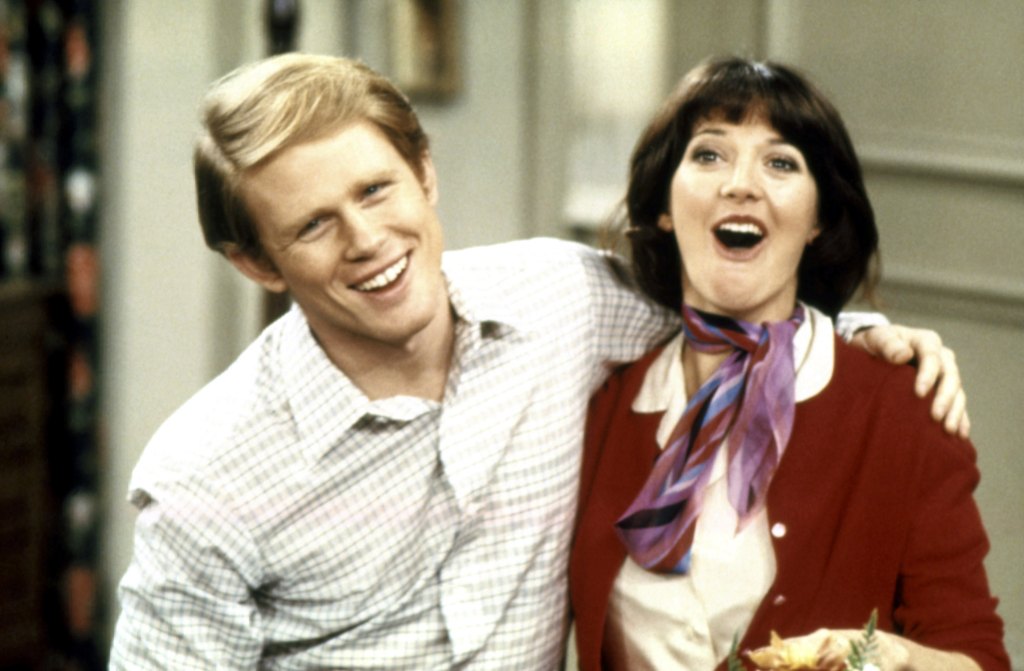
The late-series addition of Lynda Goodfriend as Lori Beth offered Richie something rare on the show: a steady girlfriend. “She came in and just had this great winning smile,” Howard said. “I think she did one episode and the chemistry worked, so they brought her back. It was nice to give Richie a real romantic arc.”
But Howard’s own story was changing. His contract was up, and though ABC made a generous salary offer, he wanted something more: a real shot at continuing his directing career.
“I’d already done some TV movies for NBC and had directed a low-budget film for Roger Corman. My dream of becoming a filmmaker was coming to fruition.” What he wanted was a commitment from ABC—permission to direct more TV movies and, ideally, a network presale that could help finance a feature film. “ABC said no. And I understood. They probably thought it would set a bad precedent.”
So, Howard made the leap. NBC, impressed by his Corman film Grand Theft Auto, offered him a three-picture deal. “They didn’t require me to act in them, just to be exclusive for a year in television. And that meant I couldn’t be on Happy Days anymore.”
He called Garry Marshall personally. “I told him, ‘I’m not going to be there.’ And he was incredibly understanding. The whole cast wished me well. It was really remarkable.” Though Howard had no legal obligation to stay—his contract had ended—he felt the emotional weight of the decision. “I felt firm in the morality of it, but it was a bit of a leap.”
Howard’s departure coincided with the development of Skyward, his third TV movie, co-produced with Anson Williams and starring Bette Davis. But the plan to deliver more films for NBC never quite materialized—because something else happened.

“I met Brian Grazer. He had the idea for Night Shift, and we got it off the ground. Henry Winkler agreed to star. That helped us get greenlit. And I never had time to go back to the TV movies I had lined up.”
His first directing effort, Cotton Candy, was a personal one. Co-written with his brother Clint (who also co-starred), the film centered on a high school battle of the bands. “It still has a little following. I get letters from rock bands on the road saying they have a copy. I love that.”
In a poetic twist, Ron Howard’s exit from Happy Days mirrored Richie Cunningham’s own farewell: a conscientious young man leaving home to chase something bigger. When asked where Richie might be today, Howard answered without hesitation: “I think he would’ve written some solid scripts, made friends along the way and I think he would’ve become a movie director.”
Conversation
All comments are subject to our Community Guidelines. Woman's World does not endorse the opinions and views shared by our readers in our comment sections. Our comments section is a place where readers can engage in healthy, productive, lively, and respectful discussions. Offensive language, hate speech, personal attacks, and/or defamatory statements are not permitted. Advertising or spam is also prohibited.