Tamsen Fadal on Menopause, Breaking Stereotypes and Her Groundbreaking Documentary (EXCLUSIVE)
The ‘M Factor’ premiers on October 17 in advance of World Menopause Day.

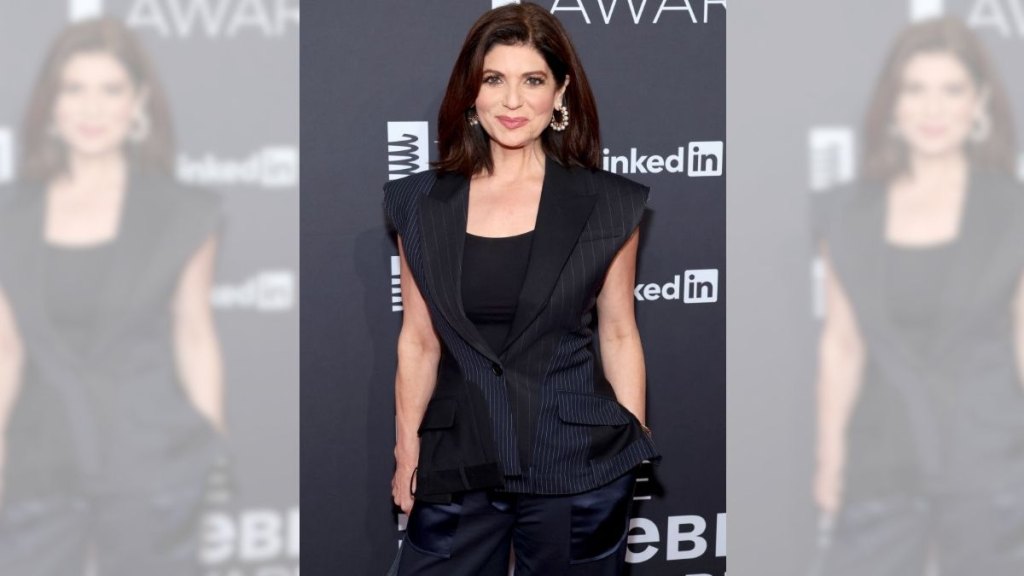
Tamsen Fadal is no stranger to breaking barriers. After spending 30 years in front of the camera as a trusted news anchor, the award-winning journalist and woman’s health advocate is now using her platform to tackle one of the most under-discussed topics in women’s health—menopause. Her upcoming documentary, The M Factor: Shredding the Silence on Menopause, premiers October 17 on PBS and aims to do just that.
Fadal’s personal experience with menopause while on air inspired her to step away from her career and become a full-time advocate for the 1.1 billion women who will experience this transition by 2025. With The M Factor, she drives a long-overdue conversation, highlighting the need for workplace reform, improved healthcare and the dismantling of the stigma surrounding menopause.
The documentary is so groundbreaking that it has become the first broadcast film accredited by the Federation of State Medical Boards (FSMB) to provide Continuing Medical Education Credits (CME) to help educate doctors and nurses. In an exclusive interview, Fadal opens up with Woman’s World about the documentary’s mission and what it means for women everywhere.
WW: What inspired you to create this film?
TF: We started working on this project almost three years ago now. So it’s really been incredible to see how it has changed, evolved and grown. It was really important for us to make sure that we got all of the latest information, research and stories from women. It’s important for us to include everything that we could so we can make sure that women walk away from this educated.
We’re not here to tell them what to do, but we’re here to share the information so that they know what to do when they go into the doctor’s office, leave a doctor’s office, how it affects their sex life, brain health, you know, just about every part of the journey from the time they hit perimenopause on.


WW: How did you select which experts to highlight? What impact do you hope they will have on your audience?
TF: This [documentary] has probably a dozen or so experts in it. We went about picking them because these were a lot of the leading voices that are in these spaces.
We also talked to workplace experts and one company to talk about how they’re incorporating a menopause policy to help women during this time. I think a big part of this conversation is to see whether or not women could benefit from this [policy] being in the workplace, especially with so many women in menopause in the workplace.
And then we found women, one, who were willing to share their stories, and two, women that had stories that we have heard over and over again. So we make sure that women see themselves in this film.
WW: What challenges that women face during menopause did you bring to light in this documentary? What misconceptions did you hope to dispel?
TF: I think the first one that was important for us to bring forward is that you’re not alone in this journey. And I think that a lot of women feel very isolated and feel very alone in the [menopause] journey because they don’t have a lot of information. This is not something we learned in school, we didn’t understand how this transition was going to come about or how much it impacts us with all the different symptoms.
Oftentimes women will have a symptom of menopause, myself included, and excuse it as something else, right? It’s stress, it’s ‘I didn’t work out enough’, I can’t get to sleep because I’m so busy at work. So I think we dismiss that a lot. And we cause ourselves a lot of health problems as a result of that.

There are also a lot of doctors who weren’t educated on menopause. And women in this transition were kind of invisible in the whole healthcare space [for many years]. That’s something we also want to discuss: women have a third of their lives left in menopause. A lot of times, a third, if not 40 percent of their lives they’ll be in this transition of some sort, whether it’s perimenopause or menopause itself.
Menopause itself is one day. After that, everything else is post-menopause. I think it’s important for women to understand that some of these symptoms are going to start in their 40s, sometimes in their late 30s.
WW: How has your personal experience with menopause influenced your decision to begin this career change to focus on women’s health?
TF: After that happened to me [Fadal found out she was in menopause while live on air], I thought, ‘Wow, I tell stories all day long and I had no idea about this big untold story.’ And I’d never talked about that on television before—and I’ve talked about a lot.
I was not even aware of the word perimenopause. And so that informed a lot for me in terms of seeing that there was a lack of information. But then when I dove into it a little bit more, I realized that there was a lack of everything.
So, I didn’t set out to do it. I just started talking about it. And I think that the community continued to grow because we kept sharing what was going on. And then I realized there was that real need and started working on the film with my three partners.
I think the only challenge that I faced was trying to learn as much as I could learn. I wanted to keep learning and keep growing. And I think I’ve learned in time that it’s the community that’s taught me what they want to talk about. So we haven’t stopped in the doctor’s office.
WW: What was your favorite moment during filming?
TF: I think that any time we’re talking to real women, that’s eye-opening to me because I get chills because I feel like we’re all in the same place wanting to share that message. It’s not easy to open up about what you’re going through. And so we had some incredible women willing to do that, and that was probably most special to me.
WW: What do you hope this film can change about our current healthcare system regarding menopause?
TF: I want two things. I want the healthcare system to take it very seriously that they’ve got to educate doctors coming out of medical school. They’ve got to teach doctors this, this isn’t something that doctors should be having to learn on their own.
And two, I think it’s really important that doctors are talking to their patients. And if they’re not comfortable talking to them, they give them somebody else to talk to. Because right now, there are a lot of doctors who readily admit they’re not comfortable talking about menopause. I don’t think it’s fair to ask a woman to go through symptoms [without proper care], because then you go into the cycle of shame.
WW: Looking ahead, is there anything that you’re excited about that you can share?

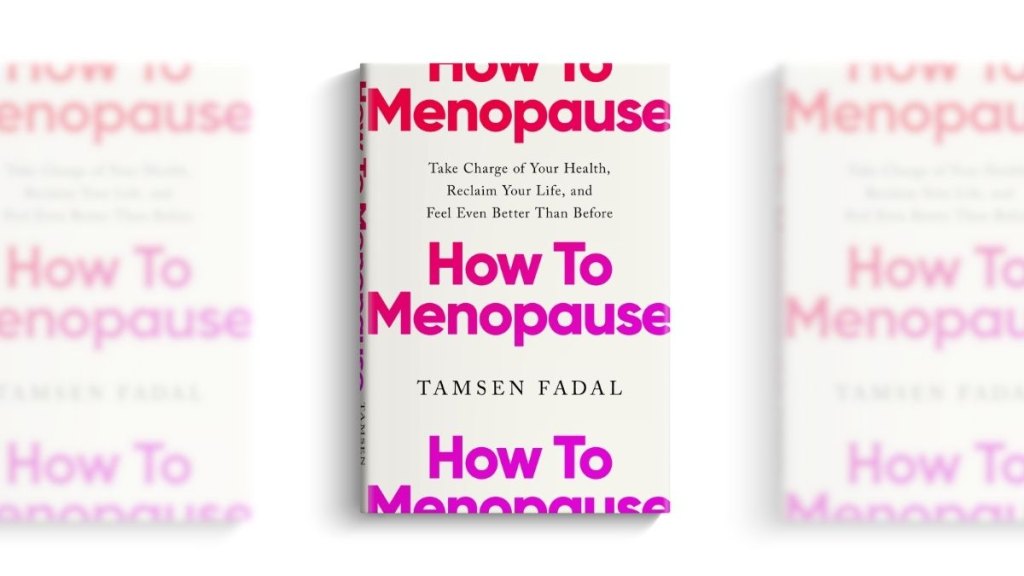
TF: Yeah, I have the book coming out, How to Menopause (March 25, 2025). I’m super excited about that because we were able to interview 40-plus experts for that book. And that book deals with some different things outside of menopause.
Then, we’re working on different ways to reach the community and going out there across the country during this tour and get into communities and have these conversations. I’m excited about that because I think we have a lot to talk about.
Conversation
All comments are subject to our Community Guidelines. Woman's World does not endorse the opinions and views shared by our readers in our comment sections. Our comments section is a place where readers can engage in healthy, productive, lively, and respectful discussions. Offensive language, hate speech, personal attacks, and/or defamatory statements are not permitted. Advertising or spam is also prohibited.