Andreas Norling Built a Career by Refusing to Become Just One Thing

Andreas Norling has spent his life trying to remain impossible to categorize. His career stretches across enterprise technology, IT infrastructure sales, media, fashion, branding and entrepreneurship, forming a professional path that appears intentionally resistant to categorization. While many executives spend years refining a singular public persona, Norling built his reputation through expansion, accumulating industries, ideas, collaborations and ventures with little interest in whether they fit neatly together.
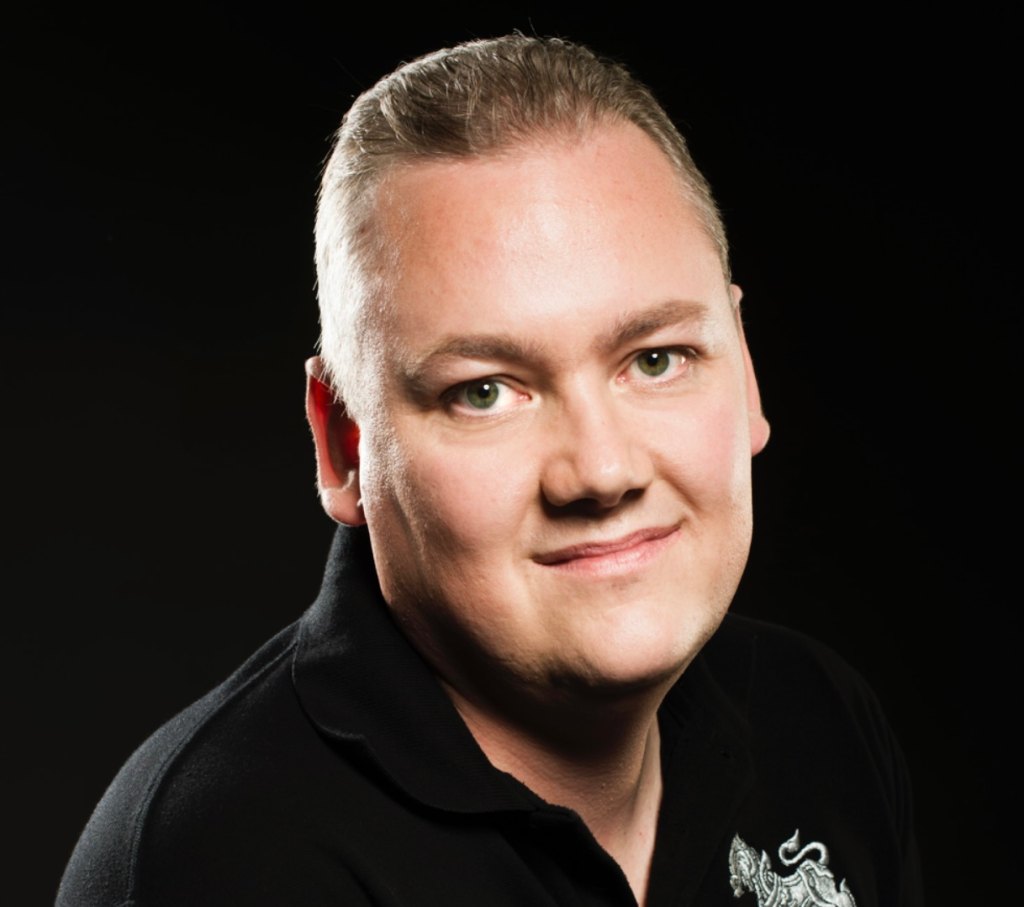
Norling developed extensive experience within the enterprise technology sector, working with companies and ecosystems connected to various global technology, IT infrastructure and software companies. His background reflects years spent navigating complex infrastructure environments, strategic sales and technical partnerships.
At the same time, he continued building creative and entrepreneurial projects through HXP Sweden AB, an umbrella tied to ventures spanning fashion, media, branding and creative collaboration. With every venture he undertakes, it reinforces his broader philosophy: a refusal to accept the idea that identity must remain fixed.
He highlights the pressure people face to simplify themselves for social comfort. “If you like one thing, people decide what kind of person you are,” he says. “Everybody wants simple categories because they’re easier to understand.” Norling challenges that structure openly, arguing that many people abandon parts of themselves long before reaching their full potential.
His philosophy is rooted in possibility rather than perfection. Skills, in his view, are developed through repetition, curiosity and exposure, not predetermined by rigid definitions of talent or personality. That mindset shaped his willingness to move across industries that traditionally remain separate from one another. Technology became one arena, creativity became another, and human connection tied everything together.
Norling approaches business less as competition and more as ecosystem building. He believes relationships hold long-term value, and opportunities compound through trust. In that process, success, to him, becomes more sustainable when shared rather than guarded.
That mentality extends into his broader worldview. Norling frames curiosity as a discipline, the idea that people gradually lose emotional openness as routine replaces attention. Many adults, he believes, stop questioning systems, habits and assumptions because predictability feels safer than experimentation. His response has been to maintain movement instead.
He highlights the constant evolution of his ventures, noting how one project often leads to another. “Every conversation I have has the potential to turn into a collaboration, ideas migrate between industries, fashion informs branding, sales informs communication and creativity informs leadership,” he says.
According to him, there is little separation between the professional and philosophical dimensions of his life. Even visually, Norling challenges traditional expectations attached to masculinity, executive culture and entrepreneurship. His presentation leans expressive rather than restrained. He believes emotional intelligence, self-care, intuition and personal freedom are still treated cautiously in many corporate environments. Yet those characteristics have become part of what makes his presence memorable.
At the center of it all sits an unusually consistent message: people are capable of becoming more than the narrow roles they inherit. Freedom, according to his philosophy, is measured by the ability to move through life without shrinking yourself to satisfy other people’s expectations.


