A Step to Gold Is Elevating Dance Into a System for Mental Clarity and Social Connection

Ballroom dancing is drawing a new set of participants, including professionals, retirees and high-performing individuals seeking more than recreation. Inside A Step to Gold Community Ballroom, founded by Melanie Dale, the appeal goes ahead of the technique. Clients, she notes, walk in expecting movement, but are encouraged to leave with a renewed sense of connection and calm.
Dale points to the resurgence of a broader cultural movement. She says, “Ballroom, once confined to performance and competition, is now being reconsidered as a multidimensional tool.” Her framework captures this evolution succinctly. She defines ballroom dancing through the acronym “PIES,” which stands for physical, intellectual, emotional and spiritual development. Each session is designed to activate all four.
“Ballroom dancing develops your PIES. The spiritual part is really connecting to another,” Dale explains. Movement, she believes, is a core system of communication, which requires awareness, responsiveness and mutual trust.
At A Step to Gold, the methodology is built upon love and dedication to the craft. Dale’s background spans more than 40 years, including training alongside elite competitors and exposure to high-performing coaching environments. Early experience within franchise models, she recalls, revealed a limitation. She says, “There was an emphasis on memorization at the expense of adaptability. Our approach replaces dependency with autonomy. Students need to learn how to stand on their own, how to balance, how to respond.”
Lead-and-follow mechanics are treated as core competencies, demanding attention to timing, weight placement and subtle cues. The principle translates directly into interpersonal dynamics. “You can’t talk over your partner on the dance floor any more than you can in conversation,” she says. Instructions are modified in accordance with what the individual needs. Dale highlights that analytical thinkers are taught through structure, implementing techniques that use angles and physics. On the other hand, beginners are introduced progressively to reduce performance anxiety.
During early sessions, Dale explains partner work is not instant, allowing clients to internalize rhythm and movement by themselves, without pressure. “If they understand how it works, then they can let go and start to feel,” she says.
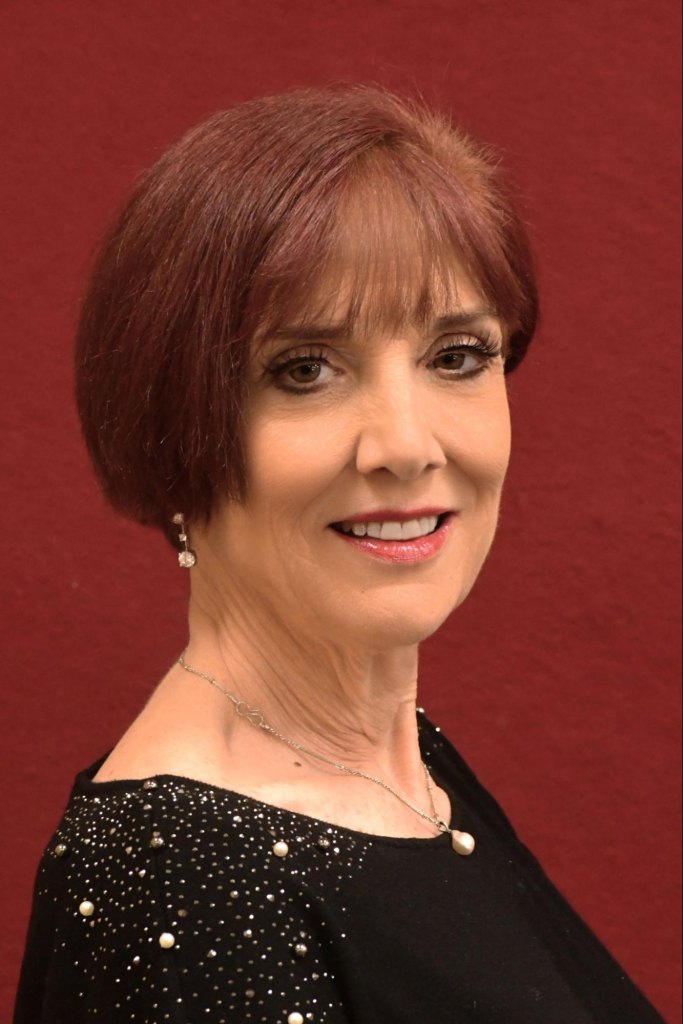
According to Dale, clients frequently remain for decades, with many integrating dance into their lifestyle. She notes how high-achieving professionals, often hesitant at the outset, develop continuous engagement that extends into travel and social networks. Ballroom cruises, private practice spaces and dedicated communities emerge as natural extensions.
The studio itself functions as a social framework. The space prioritizes belonging alongside skill development. Regular gatherings combine practice with shared meals, reinforcing interpersonal bonds. “It’s like church,” Dale says. “People feel at home. They bring food, they connect, they enjoy themselves. The environment is intentionally designed to foster ease, familiarity and openness.”
This emphasis on community addresses a wider societal gap. Loneliness and social disconnection remain persistent challenges, particularly among empty nesters and retirees, who define the studio’s primary demographic. Dance, Dale notes, could offer a sense of relief by integrating movement with connection and interaction.
Expansion plans signal broader impact. Dale is currently exploring partnerships to incorporate dance into addiction recovery and mental health programs, where rhythm and coordinated movement can support emotional regulation and behavioral change.
A parallel challenge lies in talent development. Dale believes that the industry faces a shortage of instructors capable of delivering technical excellence and human-centered teaching. Dale identifies training as a critical next step. “The industry needs people who can teach, connect and understand what the student really wants,” she explains. Building educators who can balance instruction, empathy and business viability is central to scaling the model.
The true transformation takes place within the studio, progressively. In Dale’s view, clients who enter with limited expectations can discover a system that may entirely reshape how they engage with others.
“Almost anyone who can walk and chew gum at the same time can learn to dance,” Dale says. The insight reframes accessibility entirely. Capability, in her view, isn’t a constraint; exposure to the right methodology is. At A Step to Gold, ballroom is ultimately positioned as practice, one that is designed to refine movement and reintroduces connection as a learned skill.


