From Water Quality to Daily Habits: How Preventive Living Is Becoming Part of Modern Home Design

The conversation around health is increasingly extending beyond doctors’ offices and nutrition plans. Consumers are paying closer attention to the environments they interact with every day, particularly their homes. According to a survey of more than 9,000 consumers globally, nearly 30% of Gen Z and millennial respondents reported prioritizing wellness a lot more than they did a year earlier, reflecting a broader shift toward proactive health management.
That shift aligns with a growing interest in what many observers explain as preventative living. Rather than waiting for problems to emerge, consumers are increasingly evaluating how daily routines and environmental factors may influence long-term well-being.
Consumers are increasingly treating the home as part of their broader wellness strategy, with everyday choices around water quality, hygiene, air, sleep and comfort becoming part of how many households think about long-term health. According to Steve Scheer, President of Brondell, a company focused on making healthier water and home wellness solutions more accessible to everyday households, consumers are becoming more aware of how everyday environments affect quality of life.
“People are paying much closer attention to the small habits and routines that happen every day,” Scheer says. “The home has become a place where many consumers want greater confidence in the choices they make around hygiene and overall wellness.”
Among the many factors shaping this shift, water quality has become one of the most visible. It is estimated that approximately 4 million lead service lines still deliver drinking water to properties across the country. As awareness of aging infrastructure, contaminants and water safety continues to grow, Scheer notes that consumers are paying closer attention to the water they drink, cook with and use throughout their homes. A survey shows that over 70% of US adults are concerned about exposure to toxic chemicals in their food and drinking water, highlighting how water quality has become a growing consideration for households focused on long-term health and wellness.
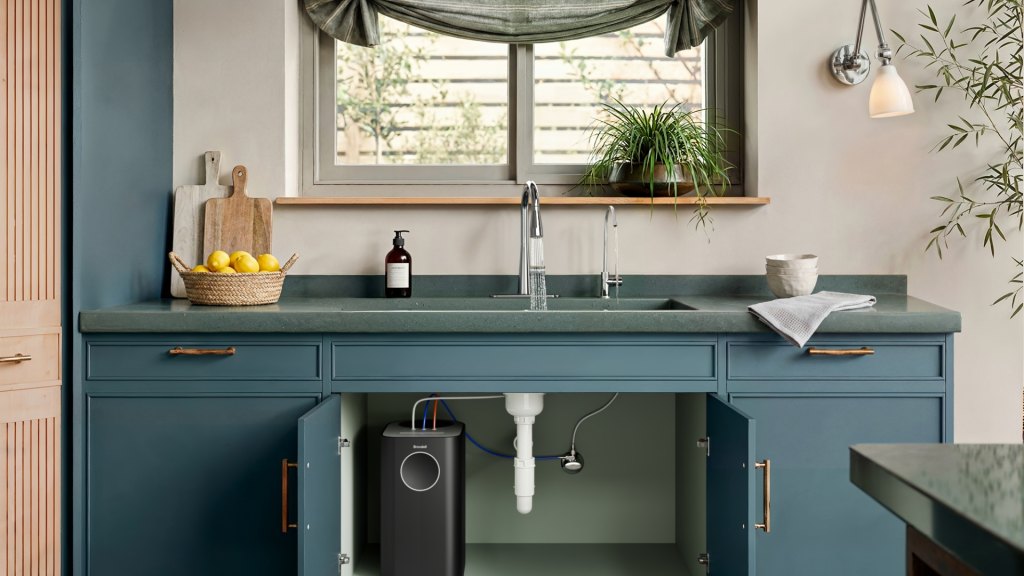
According to Scheer, consumers are increasingly interested in understanding what is in their local water supply and how that water is used throughout the home. Scheer notes that growing consumer attention to water quality has expanded interest in filtration systems designed for both drinking water and everyday household use, including bathing and personal care routines.
“Water represents one of the clearest examples of preventative living in practice because it intersects with multiple daily habits,” Scheer says. “Whether preparing meals, making coffee, filling a reusable water bottle, bathing children or caring for pets, consumers interact with water dozens of times each day.” That frequency, he notes, has made water quality an increasingly important consideration for households looking to create healthier living environments.
The trend extends beyond water alone. Research shows that environmental, socioeconomic and lifestyle factors may account for 80% to 90% of disease risks and health outcomes, reinforcing the growing connection between personal well-being and everyday surroundings.
According to Scheer, many consumers are now evaluating purchases through a longer-term lens. Instead of focusing exclusively on immediate convenience, they are increasingly considering whether products support healthier routines and contribute to daily well-being over time.
“Consumers want solutions that fit naturally into their lives,” Scheer says. “They are looking for products that help support healthy habits without creating additional complexity or requiring major lifestyle changes.”
That demand has influenced how companies operating within the home wellness sector approach product development. Brondell, which has spent more than two decades developing water filtration and hygiene solutions, has focused on making wellness-oriented products more accessible to a wider range of households. According to Scheer, consumers increasingly expect products that can be integrated into everyday routines regardless of whether they live in a house, apartment, rental property or smaller living space.
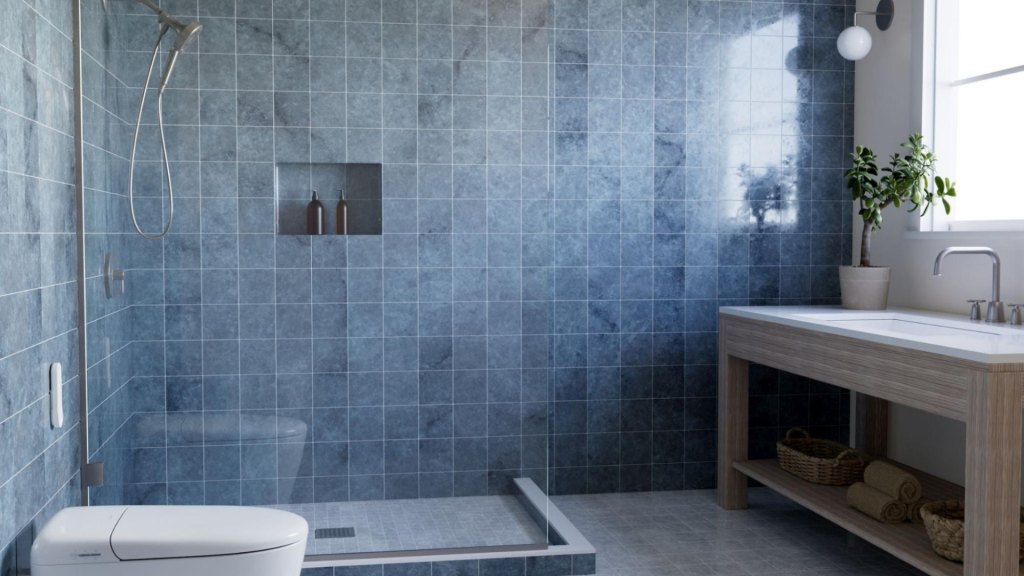
From Scheer’s perspective, the growing accessibility of wellness-focused technologies has also contributed to broader adoption. “Many products once considered niche wellness purchases are becoming increasingly accessible, allowing consumers to incorporate them into a wider range of living environments, from apartments and rental properties to smaller homes and mobile lifestyles,” he says.
As a result, preventative living is increasingly moving into the mainstream. Builders, retailers, designers and manufacturers are responding to demand from consumers who want homes that support wellness as part of everyday life rather than as an occasional aspiration. The broader wellness economy continues to expand alongside these changes, reflecting sustained consumer interest in health-oriented spending.
Looking ahead, Scheer believes the next phase of home innovation will focus on helping consumers better understand and support their health through the environments they use every day. He points to growing interest in technologies that provide greater insight into personal well-being while remaining easy to incorporate into existing routines.
Scheer believes the most successful home wellness solutions will be the ones that support healthier habits without requiring consumers to dramatically change their lifestyles. As preventative living continues to evolve, he expects water quality, hygiene and everyday environmental factors to become increasingly integrated into the broader conversation around long-term health.
“Preventative living reflects a larger cultural shift in how people think about health,” Scheer says. “The future of wellness will increasingly involve the environments people interact with every day, and the homes that support healthy habits in simple, practical ways will continue to play an important role in that conversation.”


