How Dr. Angela Stoehr’s Clinical-First Approach Aims to Reflect a New Chapter in Endometriosis Care

A new endometriosis clinical guidance was recently published with the aim of helping clinicians shorten the path to diagnosis and expand access to care by supporting earlier evaluation and treatment based on symptoms, history, physical examination and imaging findings when appropriate. The guidance reflects growing recognition that many people spend years seeking answers before receiving a diagnosis and encourages a more patient-centered process that may help individuals access support and treatment sooner.
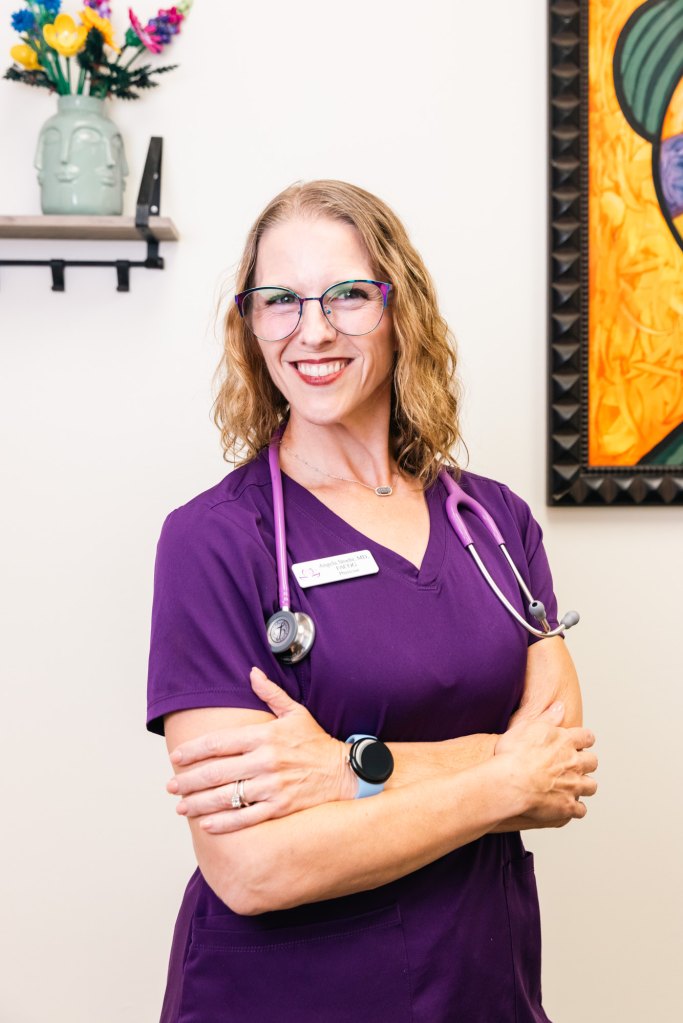
For Dr. Angela “Angie” Stoehr, MD FACOG, founder of The Stoehr Center, a concierge gynecology and pelvic health practice, this development aligns with principles she has incorporated into her pelvic pain work for years. As a chronic pelvic pain and sexual health specialist and a member of the International Pelvic Pain Society (IPPS), Dr. Stoehr has long advocated for listening carefully to symptoms, evaluating the full clinical picture and creating individualized treatment plans before considering whether surgery is appropriate for a patient’s goals.
The significance of that shift becomes clearer when viewed against the broader landscape of endometriosis care. People with endometriosis may wait between four and 11 years, on average, between symptom onset and diagnosis. “The diagnostic journey can be complex, and I believe that reinforces the importance of timely evaluation,” says Dr. Stoehr. “Those numbers represent real people whose lives have been shaped by years of unanswered questions.”
Her perspective is informed by nearly 20 years in medicine and close to a decade spent focusing primarily on complex pelvic pain. It is also deeply personal. Dr. Stoehr shares, “I remember watching my sister spend nearly 10 years searching for an explanation for her symptoms before receiving a diagnosis. That experience strengthened my commitment to helping patients navigate conditions that may be difficult to identify and frequently misunderstood.”
Pelvic pain itself extends far beyond endometriosis. Chronic pelvic pain affects over 25% of individuals with female anatomy and is frequently associated with multiple overlapping conditions. Endometriosis may be part of the picture, but pelvic floor dysfunction, bladder pain syndromes, gastrointestinal concerns, musculoskeletal issues and other contributors can also play meaningful roles.
This understanding informs how Dr. Stoehr evaluates patients at The Stoehr Center. “Pelvic pain is common, and it deserves attention,” she explains. “I believe that in many cases, surgical procedure isn’t required before we begin helping someone pursue symptom improvement and a better understanding of what may be happening.”
That philosophy is especially relevant because many patients arrive after years of feeling unheard. Women and people assigned female at birth may encounter skepticism regarding pain reports, contributing to delays in care across a range of conditions. Dr. Stoehr notes that similar patterns can emerge in pelvic pain care, where symptoms are sometimes minimized or attributed to other causes before a comprehensive evaluation takes place.
The new clinical guidance offers validation for a model of care that, according to Dr. Stoehr, many pelvic pain specialists have supported for years: using clinical findings to guide treatment discussions while continuing a thorough diagnostic evaluation. It also reinforces the importance of shared decision-making, recognizing that treatment choices may vary based on symptoms, reproductive goals and personal priorities.
Within that framework, surgery remains an important option for many patients. Dr. Stoehr states, “The conversation is not about whether surgery is good or bad. The more meaningful question involves timing.” Based on her clinical experience, surgical decisions tend to have the greatest value when considered within a broader long-term plan that includes fertility goals, symptom patterns, previous treatments and future health considerations.
At the same time, treatment possibilities continue to evolve. “I often meet people who were evaluated in the past and are unaware of newer options that can be discussed alongside other therapies as part of a personalized care strategy,” Dr. Stoehr says. She notes that those conversations require time, which is why The Stoehr Center operates through a concierge model.
According to Dr. Stoehr, initial consultations typically include a full hour dedicated to reviewing medical history, discussing symptoms, performing a thorough examination and developing a treatment roadmap that may extend over months or years. Since endometriosis frequently appears alongside pelvic floor dysfunction, abdominal wall concerns and core stability challenges, the plan often considers multiple aspects of health simultaneously.
“Our goal is to understand the whole story,” Dr. Stoehr says. “Every person arrives with unique experiences, priorities and hopes for the future. Meaningful care begins by making space for that conversation.”
That commitment to listening appears frequently in patient feedback. According to Dr. Stoehr, many testimonials reference feeling heard for the first time after years of searching for answers. She notes that one patient described finally having all of their concerns addressed during a specialist visit, while another shared appreciation for having symptoms examined with care and attention after previous evaluations had left important questions unresolved.
Those experiences reinforce a message Dr. Stoehr hopes more people hear. “If you have spent years wondering whether your symptoms make sense, there’s value in continuing the search for answers,” she says. “A diagnosis may still be waiting to be discovered, and there are professionals dedicated to helping people understand what their bodies have been trying to communicate.”
Overall, the emphasis on earlier recognition, individualized care and patient partnership may help create more opportunities for people to receive timely support as conversations around endometriosis continue to evolve. For Dr. Stoehr, that progress reflects the principle that every person deserves to have their story heard and their symptoms explored with care and respect.


