From Corporate Wellness to Community Impact: Jordan Dunin’s Vision for HatchPath’s Events and Collective Well-Being

When HatchPath began hosting quarterly wellness events, the goal extended beyond visibility or promotion. According to founder Jordan Dunin, the intention was to explore how wellness could move outside organizational settings and into broader community spaces. HatchPath, which provides concierge-style coaching and wellness support to organizations and individuals, has traditionally focused on helping businesses offer structured well-being resources to employees. Over time, Dunin explains, the team began asking what it would look like to create environments where connection itself could be rooted in healthier habits.
“These events came from a simple question,” Dunin says. “What if people could come together, build relationships and network without relying on habits that don’t really support their well-being?” From his perspective, professional networking has often centered around settings that make meaningful connections difficult to sustain. “HatchPath’s events are designed to offer an alternative by blending movement, breathwork, sound healing and facilitated conversation into a shared experience that prioritizes presence,” he notes.
According to the company, this approach has resonated particularly with women in professional communities. Karen Vilorio Muchnik, a member of HatchPath’s advisory team, explains the barriers many women encounter in traditional networking environments. “For a lot of women, professional networking can feel complicated,” Muchnik notes. “Something as simple as meeting at a bar can blur boundaries or create discomfort, which makes it harder to build authentic business relationships in a way that feels safe and natural.” Her perspective helped bring attention to the structural gaps that often exist in common networking formats.
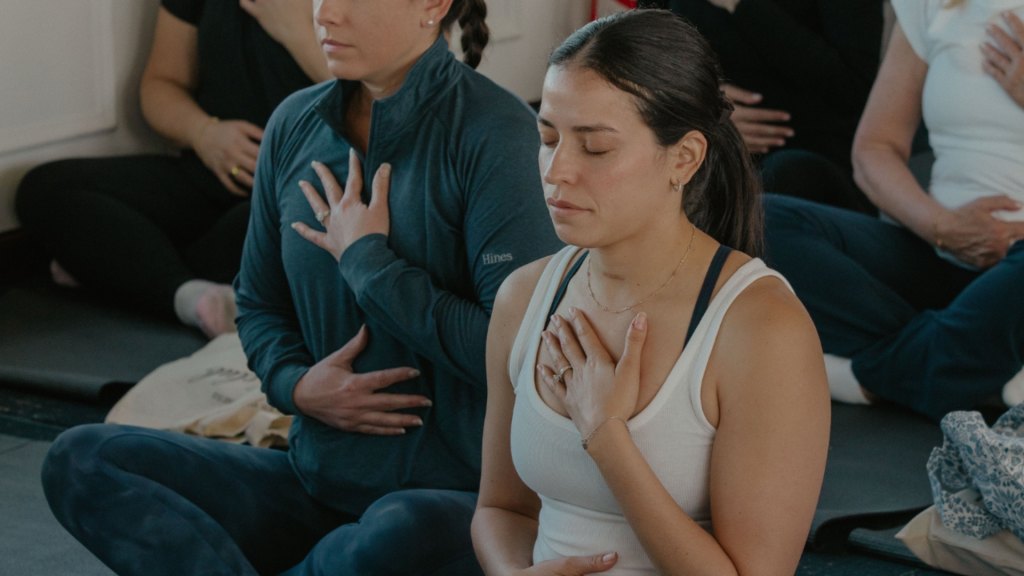
“As soon as I heard that, especially knowing that a large portion of our guests tend to be women, I knew this couldn’t be designed from my perspective alone,” Dunin says. He explains that the insight reinforced the importance of embedding women’s voices throughout the planning and execution of HatchPath’s events. According to Dunin, that commitment is reflected in the company’s leadership and operational structure, including Muchnik’s advisory role and the involvement of Carys Degenhardt, Chief Operating Officer of HatchPath, along with female coaches across multiple disciplines. “Having women who understand these challenges firsthand helps us create experiences that are more thoughtful, more inclusive and more relevant to the people we are trying to serve,” he adds.
While community-building remains central, Dunin also wanted the events to carry a broader social purpose. According to him, the same model that brings people together could also be used to support local causes.
One recent gathering illustrated that approach. HatchPath organized a wellness-focused yacht event in Naples, Florida, incorporating local partners who offered services such as IV therapy and skincare treatments alongside guided sessions. Ticket proceeds were donated to a local behavioral health nonprofit that supports individuals across age groups and professional backgrounds. Dunin says the decision to partner with the organization came after visiting its facilities and learning about its mission. “They are addressing needs in the community that align with why HatchPath exists in the first place,” he explains. “We are a for-profit company, and they are a nonprofit, but the underlying focus on well-being connects us.”
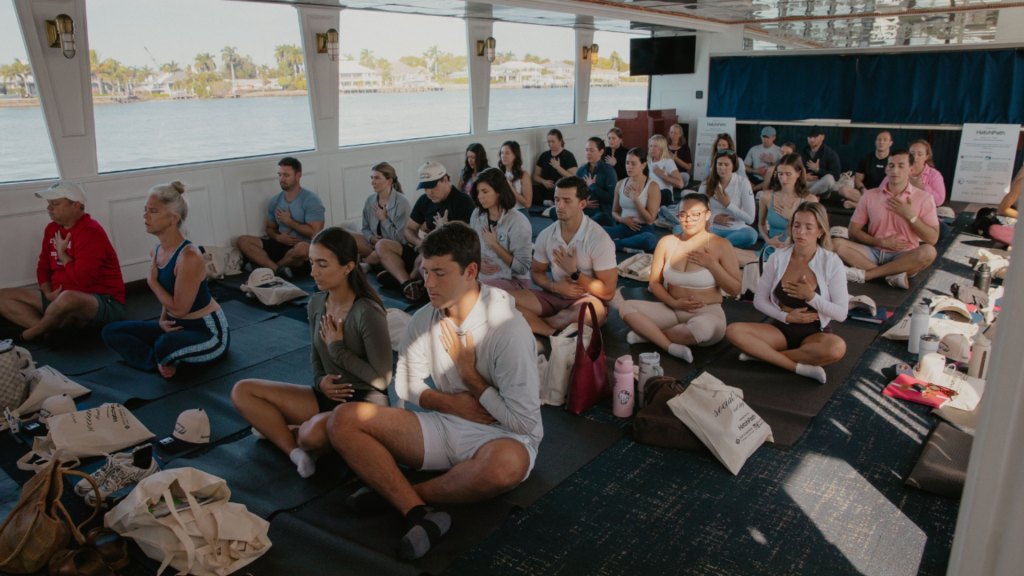
The event also featured a personal story that reflected HatchPath’s broader community. Michael Ogden, a former client who later became a coach on the platform, shared his experience of transitioning out of military service and finding support through holistic wellness practices. According to Dunin, Ogden’s decision to shift from a corporate role into coaching highlighted the ripple effect HatchPath hopes to create. “When people receive support, they often feel called to give it back,” he says. “That’s when community really starts to take shape.”
Beyond individual events, Dunin emphasizes that the quarterly format reflects an ongoing commitment rather than a one-time initiative. HatchPath continues to work with organizations ranging from healthcare providers to educational institutions and financial services firms, offering coaching programs that address stress management, leadership development and personal growth. From his perspective, the community gatherings complement that work by creating visible spaces where wellness becomes shared rather than isolated.
Ultimately, Dunin views these efforts as part of a larger experiment in redefining how people connect. “If we can create spaces where people feel supported, included and motivated to care for themselves and others, that has the potential to extend far beyond one event,” he says. While HatchPath operates within a business framework, he believes partnerships with nonprofits and local organizations allow that framework to intersect with community needs. “Different structures may shape how organizations operate,” Dunin says. “But when the intention is rooted in well-being and service, collaboration becomes a natural next step.”


