Ann Patchett Reveals the 7 Emotional Books Hidden in Her New Novel ‘Whistler’—And Why
Restock your reading list with these picks that will make you feel big emotions and learn lessons

Key Takeaways
- Author Ann Patchett's novel 'Whistler' quietly recommends 7 real books worth reading.
- Barbara Kingsolver and Jonathan Franzen share Patchett's love of 'Independent People.'
- 'Charlotte's Web' remains Patchett's all-time favorite nostalgic childhood read.
It’s fun when you’re reading a book—like The Correspondent—and the fictional story mentions a real-life author or book that you love. (Fans might recall how that book name-dropped Ann Patchett!) Well, Patchett’s latest bestselling novel Whistler also name-checks several great books. One Goodreads reader review said it best: “I also loved that this book celebrates books themselves, sprinkling literary recommendations throughout its pages. Any novel that sends me searching for more books to read earns extra affection.” Here, a roundup of all the perfect books hidden in the pages of Whistler, and the emotional lessons they impart. Find out which one is the all-time favorite of both Patchett and Barbara Kingsolver!
7 books featured in Patchett’s novel ‘Whistler’

We know Patchett loves books, as an author, an avid reader, an independent bookshop owner and a book recommender extraordinaire. But in her latest novel, a love of books is part of the plot. The story centers on Daphne, an English teacher, and her former stepfather Eddie, who is a New York City book editor. Their favorite party game is trying to stump a well-read friend by finding a book she hasn’t read yet.
Woman’s World was in the room when podcaster and book influencer Zibby Owens recently asked Patchett about the special books that are named in the pages of Whistler. Owens prodded, “Why these books? How did you pick them out of the 8 million books you read?” Here are Patchett’s answers. Add these emotional books to your reading list today and enjoy the lessons they teach…
‘Twenty Thousand Leagues Under the Sea’ by Jules Verne
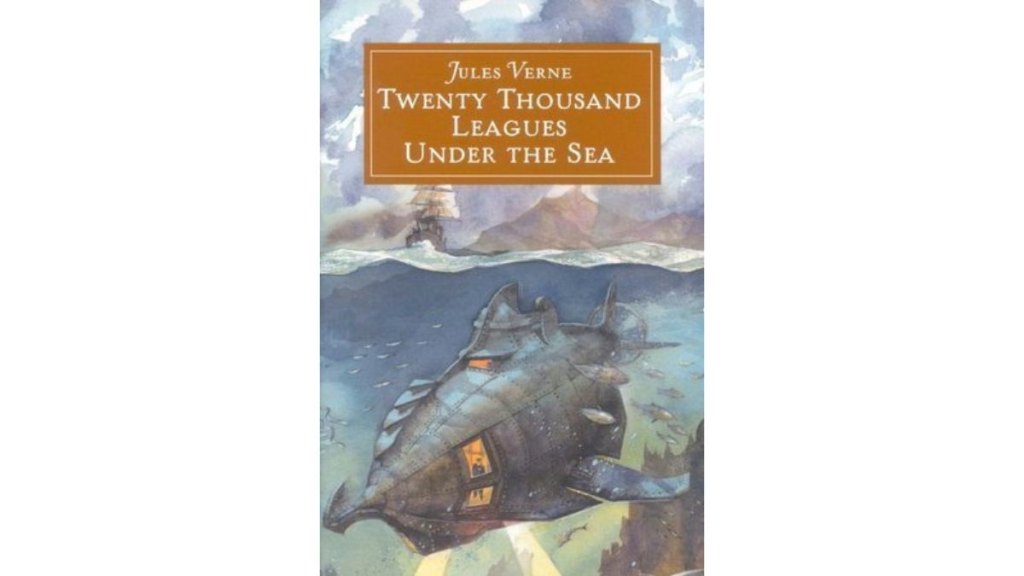
Fans of Whistler may recall how the book is dedicated to Patchett’s dear friend Jim Fox, who passed away of cancer. Her poignant dedication is actually a quote from the classic tale Twenty Thousand Leagues Under the Sea. The line reads: “I only ask to live another hundred years so that your memory will remain with me that much longer.” And even though this literary Easter egg comes before the actual story, it sets the stage for Whistler’s literary reverence.
What is the classic serialized sci-fi story from 1870 about? A naval vessel sets out to investigate a giant sea monster that’s been attacking ships. But when three men are thrown overboard and end up on a secret monster-sized submarine, they find adventure and danger with the sub’s Captain Nemo.
What one reader said: “I have re-read this classic by Jules Verne after many years and I must say that it is very good for one’s health to re-read books read when a child. Verne was a visionary and who better than him can make us see these strange years we are living through the eyes of a visionary?”
Lesson learned: Technology should not have unmatched power.
‘Charlotte’s Web’ by E.B. White
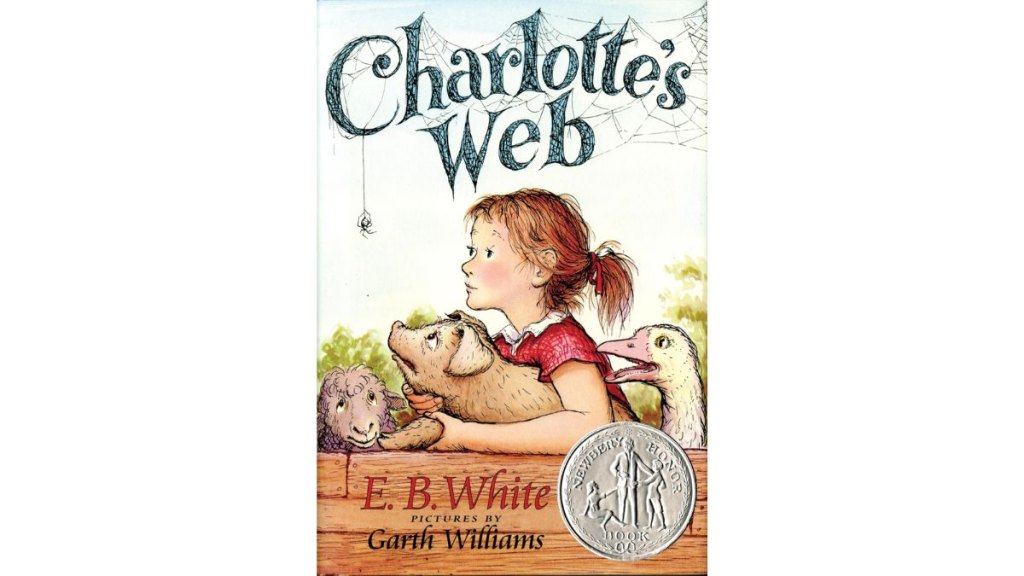
Part of Whistler involves flashbacks of Daphne’s childhood. That’s why this particular title makes an appearance. Patchett explained, “Okay, well, Charlotte’s Web is just Charlotte’s Web. If you’ve got a 9-year-old girl in a car, there’s got to be a copy of Charlotte’s Web!” Fans know that this children’s book is Patchett’s top tier nostalgic choice from her own childhood. “That was really my seminal book, and I will be putting it in [stories] forever,” she says.
You know what this one’s about: The crafty spider uses her web to try to save “some pig” named Wilbur from being butchered. And the rest is literary history. The 1952 book is a Newbery Honor award winner for good reason.
One reader described it as offering “timeless themes of friendship, loss and the circle of life.” And another reader shared, “I will boldly assert here that I think this is the greatest children’s book ever written.”
Lesson learned: There’s value in being selfless to help another soul.
‘The Tibetan Book of the Dead’ and ‘Lincoln in the Bardo’
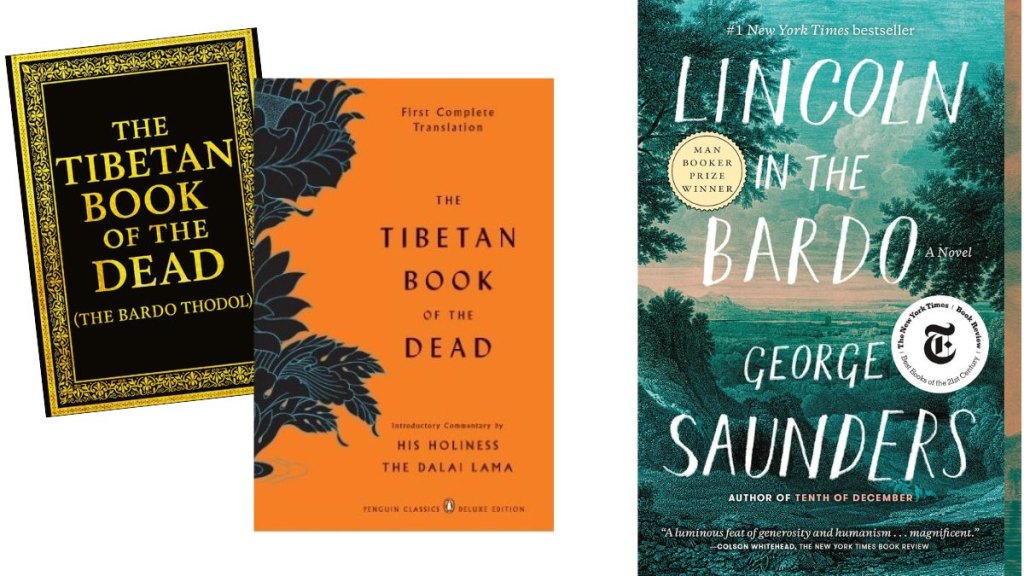
During a harrowing part of the book Whistler, Daphne and Eddie are trapped in a car in a snowstorm after running off the road. Their conversation grows as serious as it is poignant. Eddie shares that his view of the afterlife has been influenced by reading the ancient Buddhist text known as The Tibetan Book of the Dead, originally credited to Padmasambhava in the 8th century. And there’s also a mention of another book about being trapped in the liminal space between death and rebirth: Lincoln in the Bardo. This 2017 work of experimental fiction by George Saunders reimagines President Lincoln after the loss of his 11-year-old son, and the spirits that cling to each other in this limbo. Patchett said these two books were mentioned “because of the particular conversation [the characters are] having. It makes sense.”
One reader of the Tibetan book shared, “Many of the thoughts about life and death have stayed with me since I read it the first time 65 years ago.” And a fan of the Saunders book praised it as a “profound statement of what it means to be human.”
Lesson learned: An appreciation for the fragility of life.
‘Independent People’ by Halldór Laxness
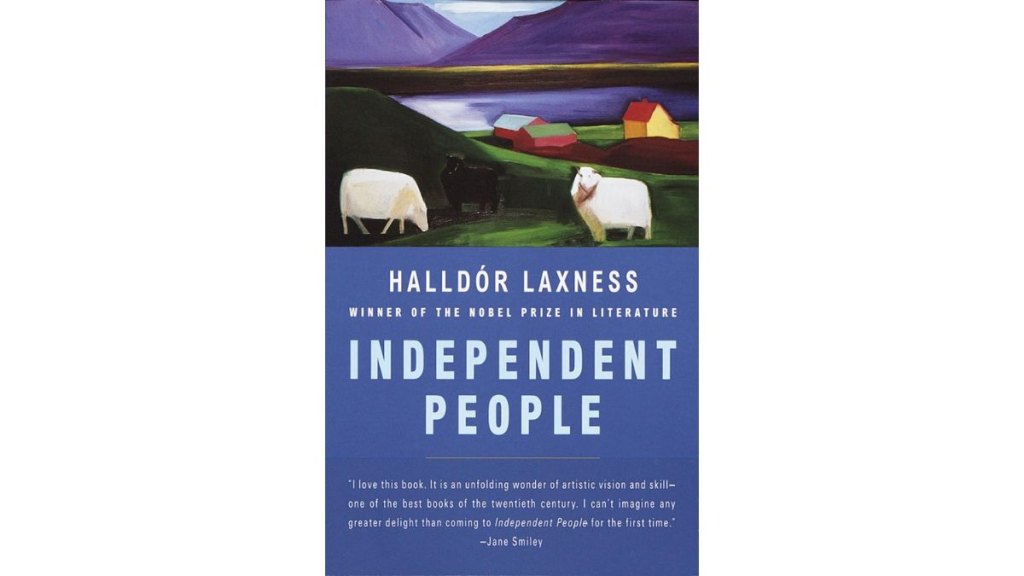
Why did Patchett include this 1955 winner of the Nobel Prize for Literature in Whistler? She said, “I was really trying to think if you were at a party with somebody and you wanted to stump them: Independent People by Halldór Laxness can be a good stump of a book.” She adds, “It is very likely my favorite novel, although that’s a ridiculous thing to say. But what’s really interesting is I have heard both Jonathan Franzen and Barbara Kingsolver say the same thing!”
What’s it about? It follows a stubborn sheepfarmer in rural Iceland and his quest for total independence from society, while his wild daughter struggles for independence against her father.
One reader shared: “If the devil took all my books but told me I could keep just one, this is the one I’d keep. I’ve read it numerous times and it just gets better and better.”
Lesson learned: People matter more than stubborn principles.
‘The Loneliness of Sonia and Sunny’ by Kiran Desai
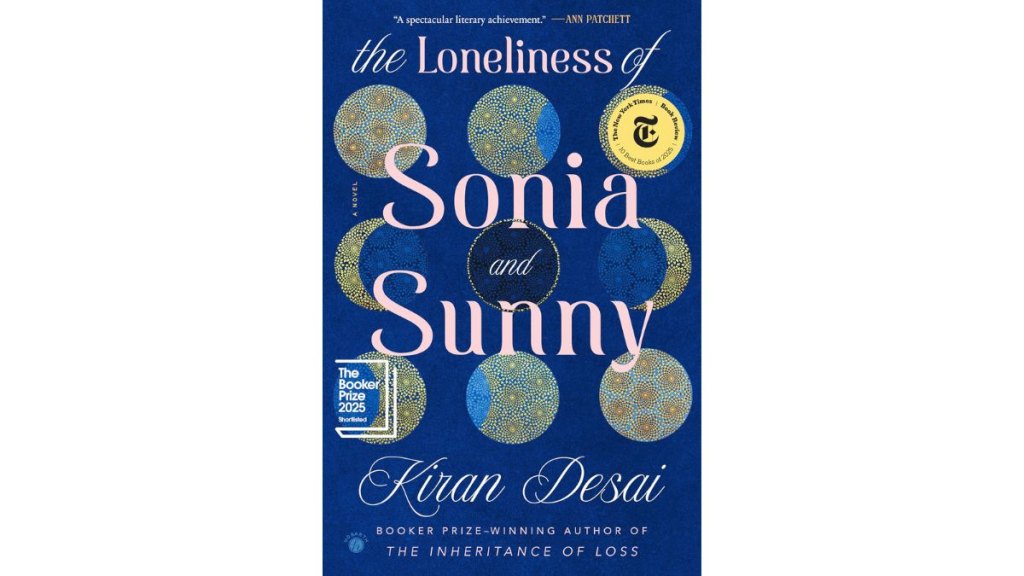
Patchett said, “The Loneliness of Sonia and Sunny by Kiran Desai was just a book that came out last year that while I was writing [Whistler] I loved. It was so front and center in my mind.”
What’s it about? Imagine locking eyes with a stranger on a train and immediately feeling drawn to them, only to realize it’s someone your parents tried to forcibly matchmatch you with earlier in your life. Sonia is an aspiring novelist and Sunny is a struggling journalist. They are each trying to find their way in the world, away from the strict expectations of their Indian heritage.
One reader said: “Kiran Desai’s sweeping saga is beautifully written. The reader is led through a stream of consciousness, characters who are dispossessed, lost, lonely, seeking to find the mystery of love and belonging.”
Lesson learned: Deep love requires vulnerability.
‘The Bee Sting’ by Paul Murray
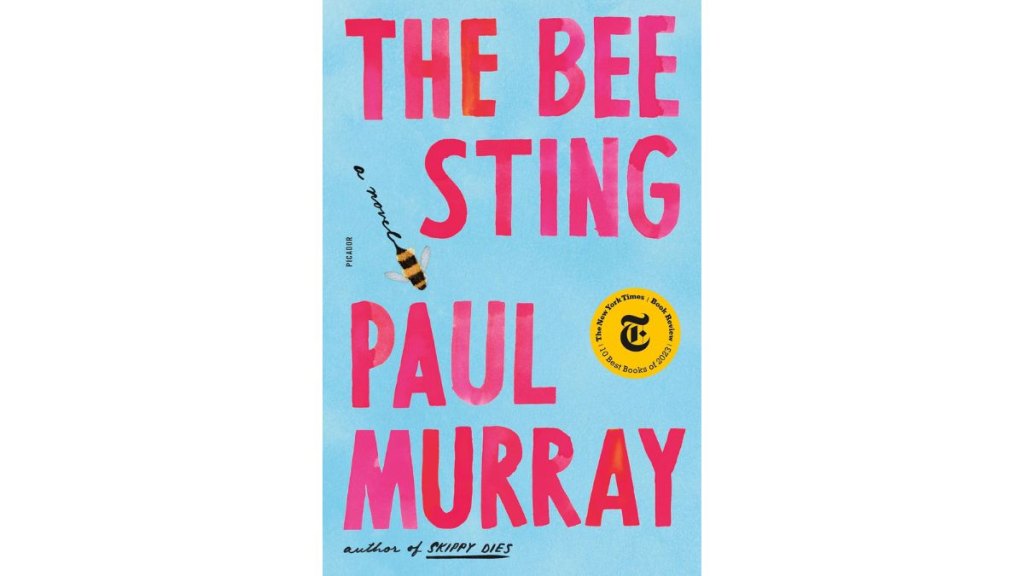

This epic novel also gets named in Whistler. “I am a huge fan of Paul Murray and The Bee Sting, but the greatest thing,” revealed Patchett, “he wrote me a note at the bookstore and said that he was just reading my book and nobody had told him… and he got to find The Bee Sting right there” in Whistler. Imagine that surprise gift!
What is it about? It’s an Irish family saga that starts with problems that a teenage girl is having and stretches back in time to when the family’s deep dysfunction really began. Patchett shared in an online reel, “It’s 650 pages. This book is so good…It’s really astonishing, and at the end, you will wish it was twice as long!”
One reader called it, “Unbelievable. Buy the damn book. Ingest every morsel—and don’t take one sentence for granted. Beautiful and heartbreaking at the same time.”
Lesson learned: Empathy and honest communication can save us.
Conversation
All comments are subject to our Community Guidelines. Woman's World does not endorse the opinions and views shared by our readers in our comment sections. Our comments section is a place where readers can engage in healthy, productive, lively, and respectful discussions. Offensive language, hate speech, personal attacks, and/or defamatory statements are not permitted. Advertising or spam is also prohibited.