‘Dungeon Crawler Carl’ Readers Vote on the Plot, and Brandon Sanderson Calls It ‘Terrifying’
Matt Dinniman and Brandon Sanderson explain why fantasy’s next big hit may come from readers

Key Takeaways
- Matt Dinniman says readers helped 'Dungeon Crawler Carl' bypass publishing gatekeepers.
- Brandon Sanderson explains why niche audiences are reshaping fantasy publishing.
- Dinniman reveals how 'Dungeon Crawler Carl 'fans can influence his unfinished series.
Brandon Sanderson and Matt Dinniman took remarkably different roads to becoming two of the biggest names in fantasy. Sanderson came up through traditional publishing and built the interconnected Cosmere into a publishing phenomenon, while Dinniman found his audience outside that system, with Dungeon Crawler Carl growing from a web serial and independently published series into a mainstream bestseller. Put them together, and they offer two very different vantage points on where science fiction and fantasy have been and where they’re going next.
During a Dragonsteel Nexus panel devoted to the future of the genres, Brandon Sanderson and Matt Dinniman explored a publishing world in which old boundaries are breaking down, where readers can discover and validate unconventional fiction before traditional publishers do, once-niche genres can explode into the mainstream, authors and fans can communicate while stories are still being written and, in Dinniman’s case, readers can actually influence what happens in those stories. Yet for all that change, Sanderson began with a warning about attempting to predict any of it.
BRANDON SANDERSON: “Anytime you get sci-fi/fantasy authors together, we do like to talk about trends. But we always are, like, ‘But I have no idea.’ We, in the business, know that you can’t really guess at trends, but we’re going to try anyway.
“I remember being at a World Fantasy Convention. This would have been 2001, 2002, something like this. And there was a panel with all these editors talking about the state of the industry, and they’re like, ‘Vampires are dead. Don’t send us any vampire things. Anne Rice killed the vampire genre. There won’t be any more vampire books.’ Guess when Twilight was published, so we’re all famously bad at this, but I do think trends in sci-fi/fantasy are fascinating.”
When readers decide what comes next
If the publishing industry couldn’t foresee Twilight, Sanderson isn’t pretending he and Dinniman possess some special ability to identify the next phenomenon. What they can identify, however, are changes in the environment that allow those phenomena to emerge.
Sanderson points to several already underway: the increasingly porous line between Young Adult and adult fiction, fantasy moving beyond its traditional Tolkien-influenced boundaries and, particularly relevant with Dinniman sitting beside him, the explosive growth of LitRPG. Dinniman, though, thinks the changes go beyond the emergence of any particular subgenre.
MATT DINNIMAN: “I think we’re seeing so many more outside-the-box sort of things. For the longest time, like you said, you would look at the card catalog, and all the fantasy would be sword and sorcery.”
BRANDON SANDERSON: “Yeah.”
MATT DINNIMAN: “Gnomes and stuff. And then we have—it’s just the most bizarre stuff. Who’s read Gideon the Ninth, for example? How do you describe that book? Lesbian Necromancers in Space. And it’s amazing. It’s so out there, so bizarre, that we are seeing more and more stuff like that becoming successful and people actually coming to it and reading it.”
Dinniman sees a direct connection between increasingly unconventional fiction finding an audience and the changing routes authors have available to reach that audience, not having to look beyond his own career for an example.
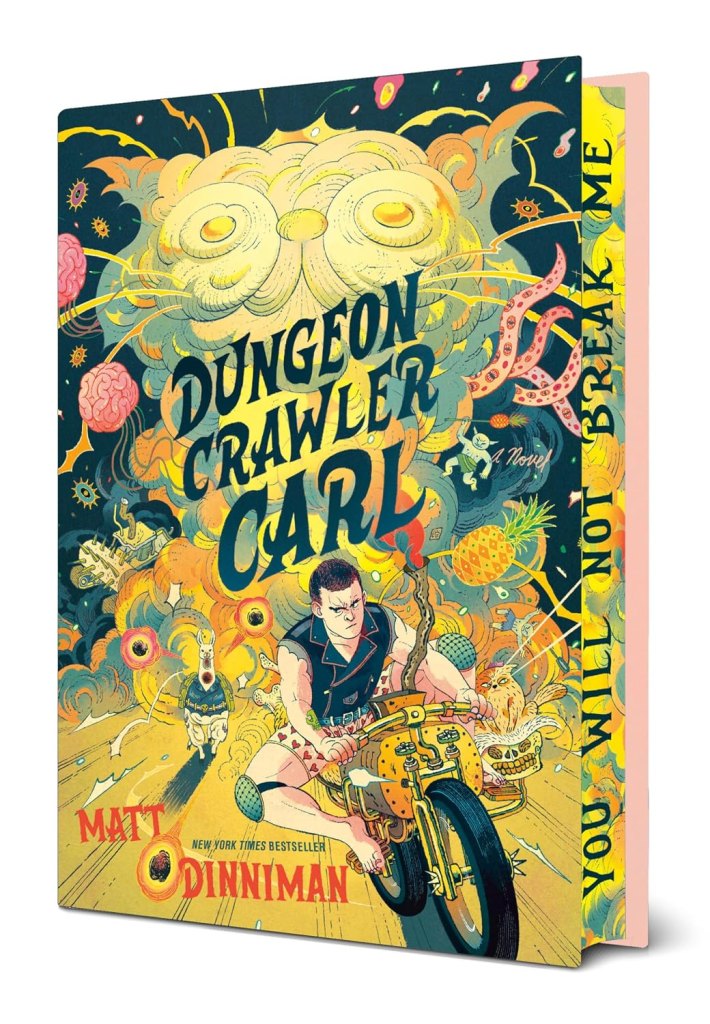
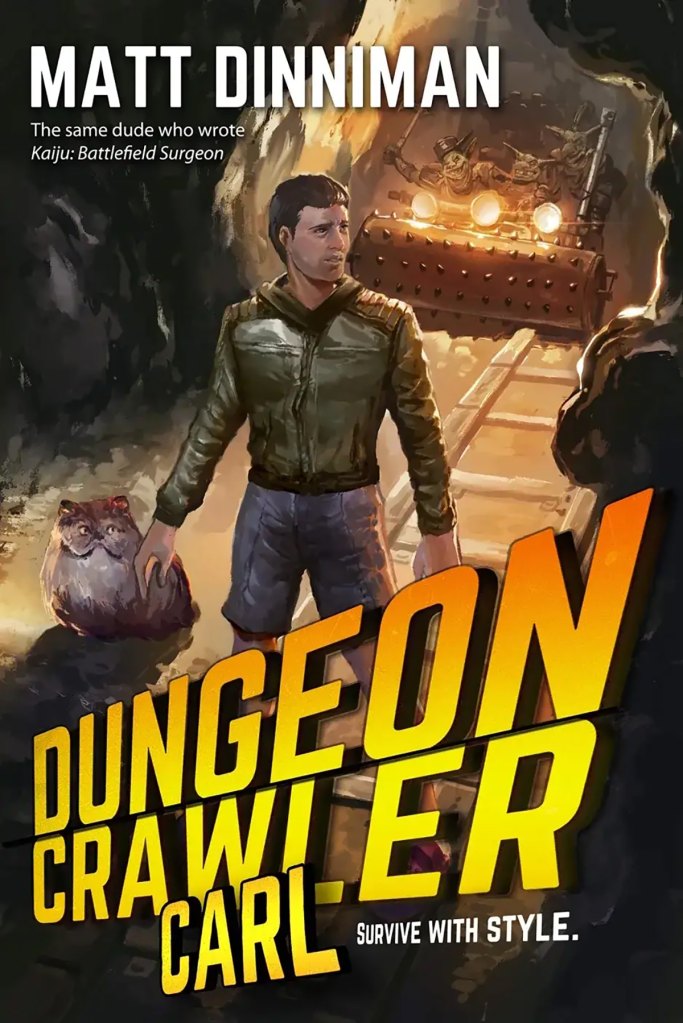
MATT DINNIMAN: “I would never in a million years be able to sell Dungeon Crawler Carl to a traditional publisher if I hadn’t self-published at first. They would look at me and say, ‘There’s no way. There’s no way. It just couldn’t happen.’ And so what happens is people are skipping the publishers. They’re going straight to the readers via web serial and self-publishing, and the audience themselves, you guys are the ones who are deciding, ‘Well, this is pretty cool.’
“And as a result of that, we are getting more and more and more crazy things. And those editors that are sitting in panels saying, ‘We’re not doing this,’ aren’t the ones that are deciding anymore. They’re still publishing it when they see it’s making money, but it’s back in our hands.”
BRANDON SANDERSON: “That is really cool. And that is a major trend that I hadn’t mentioned. Now, I do have to defend a lot of editor friends. I love my editors. I think they get into publishing because they want to publish things that are cool, but what indie publishing has done is the editors always have to convince the marketing people. The editors aren’t the final say.”
MATT DINNIMAN: “That’s true. Absolutely.”
BRANDON SANDERSON: “And what’s happened is we’ll see in indie publishing, in a lot of ways, we don’t have a monoculture anymore. We’ve talked about that, right? I’m sure you’ve heard about this. The idea that back in the day, everybody watched Cheers, right? And now, if you say, ‘Have you seen the show?’ most people say, ‘No, I haven’t, but I’ve heard of it.’ Like, we aren’t all watching the same thing.
“That allows more niche content to be made and profitable and then slowly gain more momentum. In the old days, they would have to go to the marketing people and be, like, ‘Well, we want to do this thing. It’s called LitRPG. It’s really weird and wacky. We can’t explain it to you, but people will love it.’ And they’ll be, like, ‘No, it doesn’t fit the balance sheet. We can’t say it’s like this other thing.’ And so they couldn’t sell it. Now, the audience gets to prove that there’s a market there.”
What happens to the chosen one?
Dinniman doesn’t only see changes in the kinds of stories that can reach the marketplace. He would also like to see fantasy rethink who gets to stand at the center of those stories.
MATT DINNIMAN: “I do want to amplify the trend where there’s nothing special about the main character.”
BRANDON SANDERSON: “They’re not a chosen one.”
MATT DINNIMAN: “Exactly, they’re not the chosen one. They’re not secretly the king’s bastard child who was forgotten. I want to read more stories about normal people that rise to the occasion.”
BRANDON SANDERSON: “Well, what about if we pretend they aren’t for one entry and then we find out that they’re the child of the Dark Lord all along?”
MATT DINNIMAN: “Yes!”
That interest in more recognizably human protagonists emerges again when the conversation moves to the growing number of science-fiction and fantasy characters dealing with mental health issues.
BRANDON SANDERSON: “This is one that I’ve been doing a lot with. And for me, it’s always just been, I wanted to write characters that felt real, and the people I knew were all dealing with stuff. And I’m, like, why are fantasy characters not dealing with stuff?”
MATT DINNIMAN: “More and more books are having people with realistic reactions to things. PTSD is something that didn’t exist in a lot of fantasy and sci-fi novels for years, and I think it’s a good trend. It’s an important trend, but it’s also important that authors know what they’re talking about, too.”
Dinniman returns to that question of authenticity later, when the panel discusses how authors write convincingly about experiences they haven’t personally had.
MATT DINNIMAN: “Self-awareness as an author is one of the most difficult to obtain and most important skills you can get. And being aware that you’re writing something that you don’t necessarily know about is super important, because nothing screws the story up more than an inauthentic experience right in the middle of it.
“So for me, what I like to do is show it to other people to read, but I also read as much as I can. I try to read from points of view, like non-fiction, even poetry, about certain situations. I read a lot of poetry from World War I and World War II for the most recent book I wrote. It’s when people are trying to capture emotion, while simultaneously describing what’s physically happening to them or how something works, it’s super helpful.”
If readers are gaining more power over which stories succeed, Sanderson and Dinniman see another transformation occurring alongside it: the gap between readers and the people writing the stories has collapsed. For Sanderson, the contrast is especially striking because he remembers the previous era.
BRANDON SANDERSON: “I barely knew what [author] Robert Jordan looked like. I had the little picture in the back. I didn’t know anything about him other than the bio in the back of the books because there was no internet. There was no way to really connect with authors, at least if you were living in Nebraska like I was. Maybe if you lived in New York or you were meeting them every week. But I never met any of these authors. I read the books. I knew nothing about them. Now, people know what my favorite food is. They know what I probably ate for breakfast today.”
He doesn’t view that transformation simply as an intrusion. He believes recognizing the possibilities of direct communication with readers helped build his career.
BRANDON SANDERSON: “I would say that part of why my career took off is because I was one of the early authors that learned that this is how things were going to be. And I liked it. I liked being able to find out what my fans wanted, to let them know where I was. Early in my career, I would go to book signings with way more popular authors, and I would have lines that were three times as long. And they’re, like, ‘How did you get these people here?’ And I said, ‘I posted on Twitter that I was going to be here.’ And they’re like, ‘What’s Twitter?’ You’re amazed by this, but that was really what was happening. They weren’t on Facebook, they weren’t on MySpace, they didn’t have blogs or any of this stuff. Now it’s expected.”
Dinniman sees another consequence of that connectivity. Beyond developing relationships with authors, readers are connecting with each other.
MATT DINNIMAN: “What’s happening now that didn’t happen back then, except at random fan conventions that would happen like once a year, is you guys are finding each other. You’re here at this event because you’re all fans of the Cosmere, but you’re also talking to each other online. You’re finding each other. You’re becoming fans with each other. You’re talking about theories. And even if you don’t like social media, because of that, the whole world has changed.”
When readers can change the story
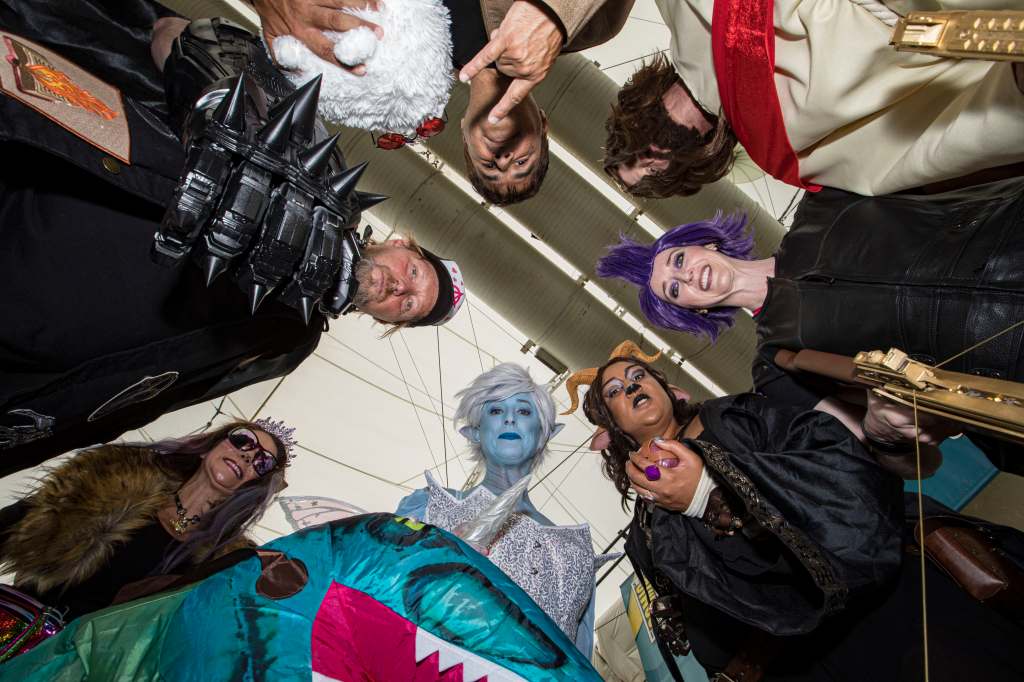
For most writers, greater interaction with readers still stops at the boundary of the fiction itself. Dinniman has deliberately crossed that figurative line.
MATT DINNIMAN: “The people on my Patreon get to vote for things that actually happen in the books. Because in the books, there’s an alien audience watching them and voting. They’re the alien audience screwing me over as the author over and over again. But that’s not something that has really been possible in the past because the internet has changed everything. Like Brandon, I didn’t know what these authors looked like. I moved around a lot. I would go to the library, and I would pick the books based on the cover. It was mostly horror novels. Like, ‘This one has the most blood on it, so I’ll get this one.’”
“But I wouldn’t even look at the author’s name. I wouldn’t even realize I was reading the books from the same author at first. I was just going through all these different stories, one-offs, and now we’re writing series. Series are getting longer. As a result of that, the fandoms are getting more and more into the stories before they’re completed and the whole dynamic has changed.”
“I mean, that’s what this panel’s about, is how has the thing changed. And I think because of these series, because of you guys, because of events like this, look, every single person in this room is here because they’re a reader who is in love with one of our series. That’s just amazing. And it is shaping the way we write these stories in a way that has never really been seen before.”
With Dungeon Crawler Carl, Dinniman has taken that idea literally.
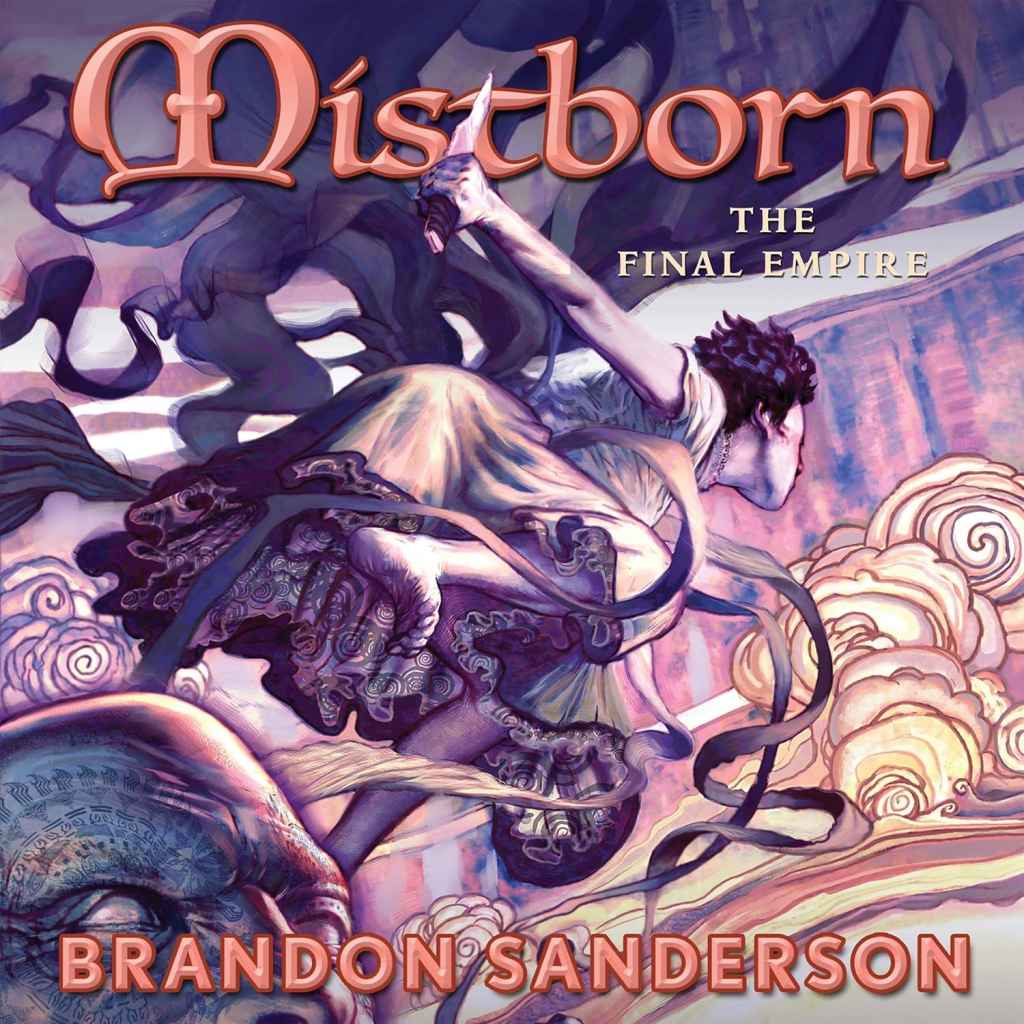
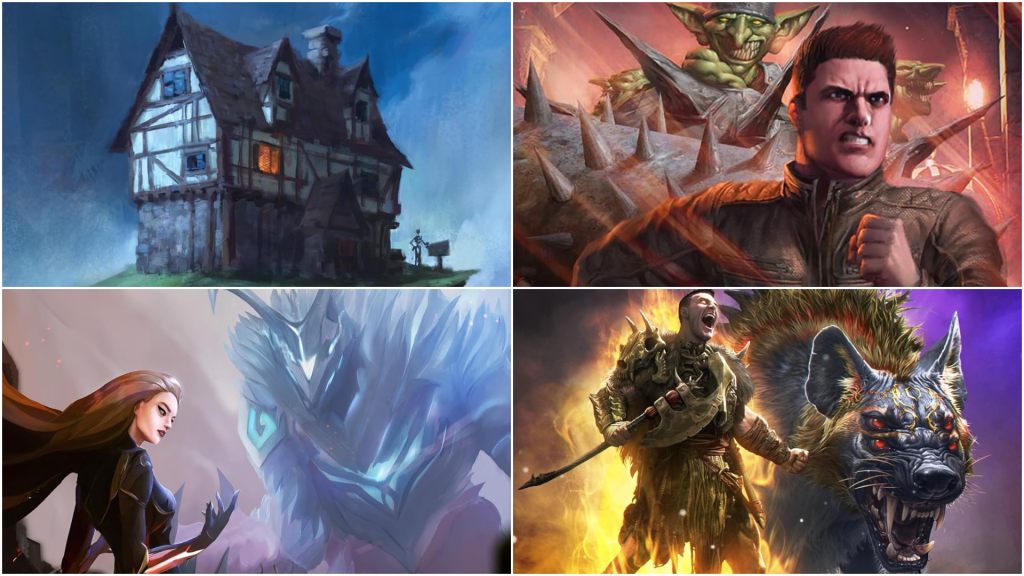
MATT DINNIMAN: “You guys vote for how things go in my book. And because I’m a pantser, I get to roll with it. I have no plan whatsoever until I get that vote in because who knows if you’re going to vote for the giant two-headed dog or you’re going to vote for something else? You voted for the Anarchist Cookbook, for example, to exist. And if you’ve read my book, you know that completely changed the course of the series. That’s what makes it fun for me.”
BRANDON SANDERSON: “That is both awesome and terrifying to me.”
MATT DINNIMAN: “I prefer face-to-face as well. We’re so much closer as authors now to fans than we used to be. You guys do know what we had for breakfast sometimes.”
BRANDON SANDERSON: “I don’t feel a book is finished till the person reads it. And I can never be that person, till the person adds that little extra 10 or 20%, that imagination.”
The distinction became especially apparent to Sanderson when he was completing Robert Jordan’s The Wheel of Time. After years as a fan of the series himself, he suddenly occupied a position no other reader did.
BRANDON SANDERSON: “When I was working on The Wheel of Time, people would be like, ‘Are you so glad the book is out?’ And I’m like, ‘Yes, I am. But I’m the only one who isn’t going to read a new Wheel of Time book this year.’ And that was a very strange disconnect for me.”
That disconnect leads Sanderson to a metaphor for what happens when an author finally releases a book to readers.
BRANDON SANDERSON: “When you let go, it’s time to be done, the book goes out and then it fully comes alive. Before that, it’s not alive. It’s like a clay figure until they hold it. I can never hold the living thing. I can only hold the clay figure. And that’s the beauty of our art. That’s why books are different from film, from music, from a sculpture, from a painting—we leave that extra 10, 20% that you add and we get to participate as readers.”
The danger of the new gatekeepers
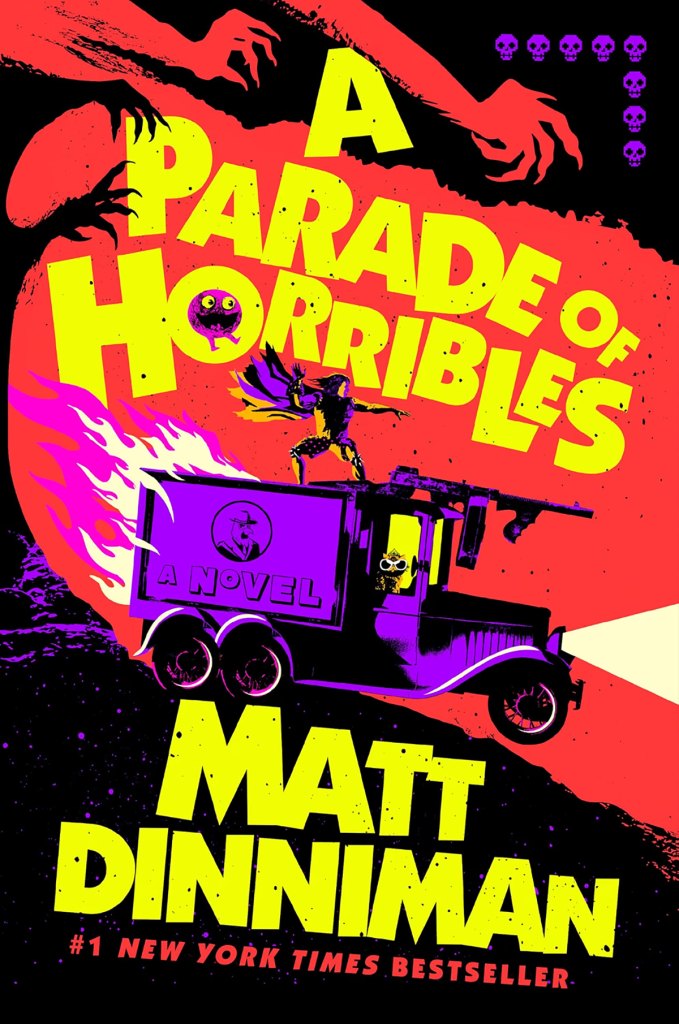
If the internet has given writers new ways to bypass traditional gatekeepers, an audience question about BookTok raises the possibility that it may also be creating new ones. The reader asks about books being marketed, and becoming popular, based on the tropes they contain, and what that might mean for the future of science fiction and fantasy.
BRANDON SANDERSON: “That’s an astute question. It’s one thing we didn’t bring up. It’s definitely something that didn’t exist even 10 years ago, that now is a major force.”
MATT DINNIMAN: “They’re also asking a lot of people when they’re querying, ‘How many followers do you have on TikTok? How many followers do you have on Instagram?’ And that’s a terrifying trend.”

The conversation moves on, but a few minutes later Dinniman provides an almost perfect counterpoint when the subject of authors querying agents and publishers comes up.
DINNIMAN: “I did queries. I just never was successful. Nobody bought my book until you guys bought it first.”
The audience cheers, the perfect exclamation point for a gathering of these two literary giants.
Conversation
All comments are subject to our Community Guidelines. Woman's World does not endorse the opinions and views shared by our readers in our comment sections. Our comments section is a place where readers can engage in healthy, productive, lively, and respectful discussions. Offensive language, hate speech, personal attacks, and/or defamatory statements are not permitted. Advertising or spam is also prohibited.