‘Dungeon Crawler Carl,’ Matt Dinniman and the Rise of LitRPG: Fantasy’s New Hot Genre
The hit fantasy book series introduced countless readers to literary role-playing games (LitRPG). Here's what that means and why the genre is booming

Key Takeaways
- 'Dungeon Crawler Carl' has introduced countless readers to LitRPG.
- LitRPG blends fantasy storytelling with game-inspired character progression.
- The genre has expanded from a niche community into one of fantasy's fastest-growing categories.
For years, LitRPG was one of publishing’s best-kept secrets. While fantasy readers eagerly awaited the latest novels by Brandon Sanderson, Joe Abercrombie or Rebecca Yarros, another genre was quietly building an audience of its own. Series like The Wandering Inn, He Who Fights With Monsters and Defiance of the Fall were attracting fiercely loyal readers; authors were releasing sprawling adventures that stretched across a dozen or more books and audiobook listeners were happily investing hundreds of hours in worlds they couldn’t bear to leave. Yet outside those circles, most readers had never even heard the genre’s name.
Then came Dungeon Crawler Carl, Matt Dinniman’s wildly inventive series that, more than becoming another fantasy bestseller, turned into a genuine gateway. Readers who had never considered picking up a LitRPG novel suddenly found themselves recommending one to friends, book clubs began discussions, social media buzzed about it and audiobook listeners couldn’t stop talking about Jeff Hays’ acclaimed narration. Almost overnight, a genre that had quietly flourished on the fringes of fantasy found itself stepping into the mainstream spotlight. Naturally, that success prompted a simple question: what exactly is LitRPG?
MATT DINNIMAN (author, Dungeon Crawler Carl): “LitRPG stands for Literary Role-Playing Game. I’m not a huge fan of that title, but there are books where the rules of the world are controlled by game rules. For example, imagine you have a character who is a warrior and his town is being attacked by monsters. He is a level one warrior and he’s aware that he’s a level one warrior, just in a video game. He goes on an adventure and starts killing other monsters, leveling up. Every time he kills a monster, he gets experience points… Eventually he becomes level 10 himself. That is what a LitRPG is.”
The answer is surprisingly straightforward. At its core, LitRPG combines the immersive storytelling of fantasy and science fiction with familiar elements borrowed from role-playing games. Characters don’t simply become stronger over the course of a story—they gain new abilities, improve their skills and tackle increasingly difficult challenges in ways that readers can actually follow. Imagine if every hard-fought victory left a visible mark on the hero, allowing you to watch them grow one step at a time instead of simply being told they had become more capable.
And if you’ve never picked up a controller, you shouldn’t let that description send you running. Despite the gaming inspiration, LitRPG isn’t really about statistics, experience points or character sheets. Those are simply storytelling tools, with the real appeal being the same one that has drawn readers to fantasy for generations: watching ordinary people confront extraordinary challenges, discover strengths they never knew they possessed and slowly become the heroes their worlds need.
Brian Bell, whose YouTube channel has become one of the genre’s most thoughtful introductions for newcomers, believes that’s where many people misunderstand LitRPG.

BRIAN BELL (host, ‘BellTube’): “No LitRPG, no cultivation story, no progression story is any good without interesting characters and an interesting story. Otherwise, you may as well go pick up a math book and read it, right? How compelling would a math book be? Unless you are a very passionate mathematician, it’s probably not very compelling at all. So when we talk about LitRPG, it has to have a great character, it’s got to have a good cast, it’s got to have a story that is compelling enough for us to keep turning pages because otherwise it’s statistics. But if you throw in a great story and you add in some mechanics, then you’ve got something special. Then you’ll understand why some of these series that you’ve never heard of have sold millions of books.”
Why readers can’t put LitRPG books down
One of the biggest surprises surrounding LitRPG isn’t that longtime fantasy fans enjoy it, but that the genre is creating entirely new readers and bringing back people who thought they’d left books behind years ago.
MATT DINNIMAN: “One of the things I hear the most is, ‘I haven’t read a book since high school,’ or ‘I haven’t read a book since I was forced to read one in high school.’ For the most part in LitRPG, the vast majority of the readers are male and they’re in their 20s or 30s and they’re people who play video games, but they haven’t really been reading. And then they find LitRPG; somehow they find it or it gets recommended to them. It’s the same sort of reason why a lot of people watch Twitch; it’s almost like watching someone else playing a video game and then they get that dopamine rush that they get from playing video games, but in book form. And as a result of that, they kind of get into the habit of reading and then it allows them to explore other types of more standard fare science fiction and fantasy.”
While LitRPG certainly resonates with gamers, its appeal ultimately has far less to do with game mechanics than with storytelling as readers have always enjoyed watching characters grow. Whether it’s Bilbo Baggins leaving the comfort of the Shire, Harry Potter learning to master magic or Katniss Everdeen becoming the reluctant symbol of a rebellion, some of literature’s most enduring heroes are remembered not because of where they started, but because of who they became. Their journeys are built on small victories, painful setbacks and lessons learned along the way. LitRPG simply makes that progression more visible.

Instead of telling readers that a hero has become stronger, the genre allows them to experience every step of the climb. A difficult battle doesn’t just end with another defeated villain; it leaves the protagonist better equipped for whatever comes next, their skills earned through perseverance, sacrifice and often spectacular failure. With every challenge comes lasting impact, which creates a powerful sense of momentum. Finish one chapter, and there’s another mystery to solve, another obstacle to overcome or another hard-earned reward waiting just around the corner.
But while game-inspired structure gets readers through the door, memorable characters are what persuade them to stay. Readers aren’t captivated because a hero’s strength score increased by two points; they’re captivated because they care about what that newfound strength allows the character to accomplish.
MATT DINNIMAN: “First off, it’s always character first for me in anything I write. I strongly feel in any story, if you don’t approach character first, then it’s not going to be as successful as it would be otherwise. So their power and their levels are a result of their character, not the other way around.”
BRIAN BELL: “Now, here’s the cool thing. If that’s not your jam [score stats], you can just kind of flip by them. They’re there for depth; they’re there for you to understand what’s going on with the character, but most of the time, those stat boxes, as long as you kind of have an idea of what they say, you don’t need to get completely into the weeds about it. You can enjoy the story without knowing every tiny little detail. And for me, that’s what makes great LitRPG. If I have an idea that, okay, the character’s main ability is strength, that’s all I really need to know. I don’t need to know it’s 38, right? Neither do you. Now, for those of you that love LitRPG, for those of you who love tabletop games, that may just be so exciting that that strength number is 38 because that’s your jam. It’s in there for extra depth, but not required for the story.”
More than one kind of adventure
One reason LitRPG has grown so rapidly is that it refuses to be confined to a single type of story. While the genre shares common storytelling tools, its books can feel as different from one another as a classic detective novel does from a psychological thriller.
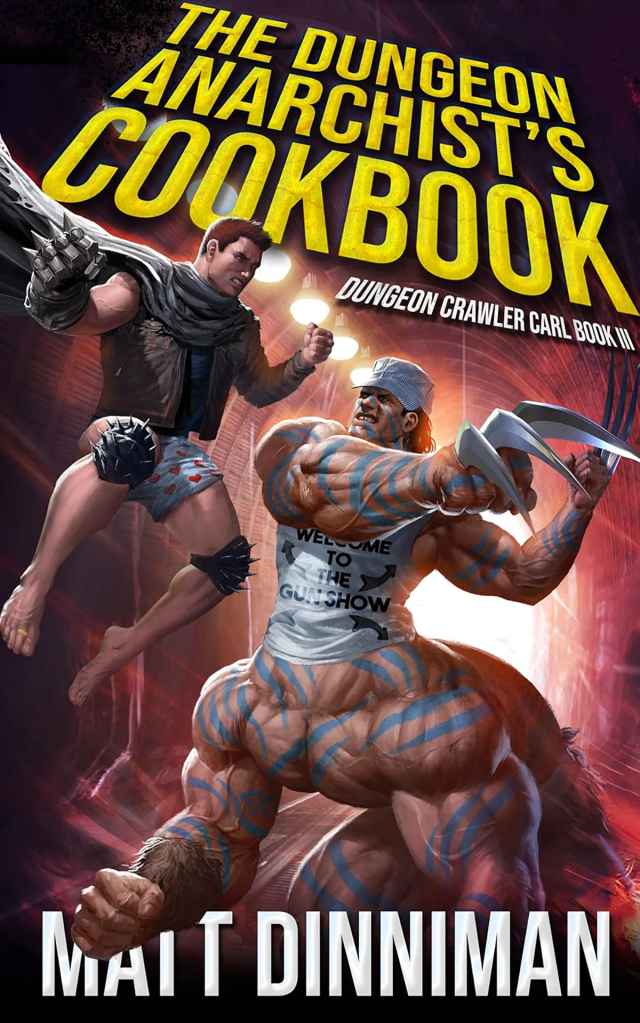
Take Dungeon Crawler Carl, the series that has become LitRPG’s biggest ambassador. Its premise is gleefully outrageous: Earth is destroyed, humanity is forced to compete in a deadly alien game show and the fate of civilization rests largely in the hands of an average guy and his exceptionally outspoken show cat, Princess Donut. Yet beneath the explosions, monsters and laugh-out-loud humor lies a surprisingly thoughtful satire about celebrity culture, corporate entertainment and what people are willing to sacrifice to survive. Readers may arrive for the absurdity, but they stay because they become invested in Carl and Donut’s relationship and the impossible choices they face.
MATT DINNIMAN: “A lot of my fans of Dungeon Crawler Carl aren’t new readers. They’re people who’ve been reading standard fantasy and sci-fi and they want a silly story about a talking cat and they come to Dungeon Crawler Carl and it’s great. But why it’s exploded in popularity is because of that very reason—it’s very accessible to people who haven’t been reading.”
While Dungeon Crawler Carl may be the series most responsible for introducing mainstream readers to LitRPG, it’s hardly representative of the genre’s full range. Other series reveal entirely different sides of the genre. Pirateaba’s The Wandering Inn proves the genre doesn’t have to be a nonstop action story—what begins with a young woman opening an inn in a strange new world gradually evolves into an expansive fantasy epic populated by kings, adventurers, merchants and everyday people simply trying to build meaningful lives. The emphasis is as much on relationships and community as it is on adventure.
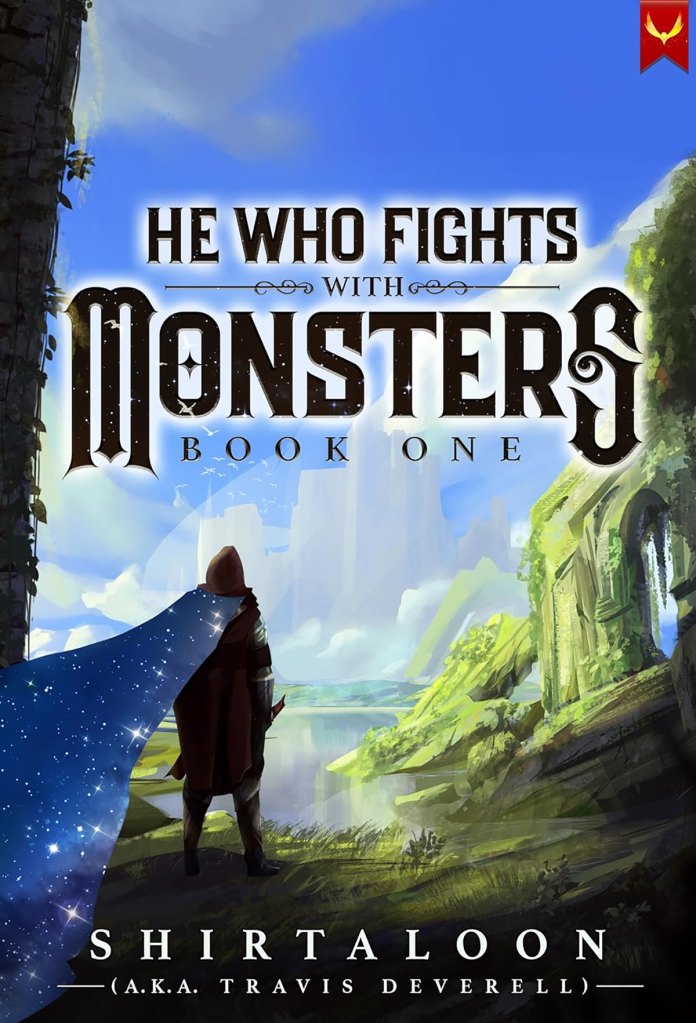
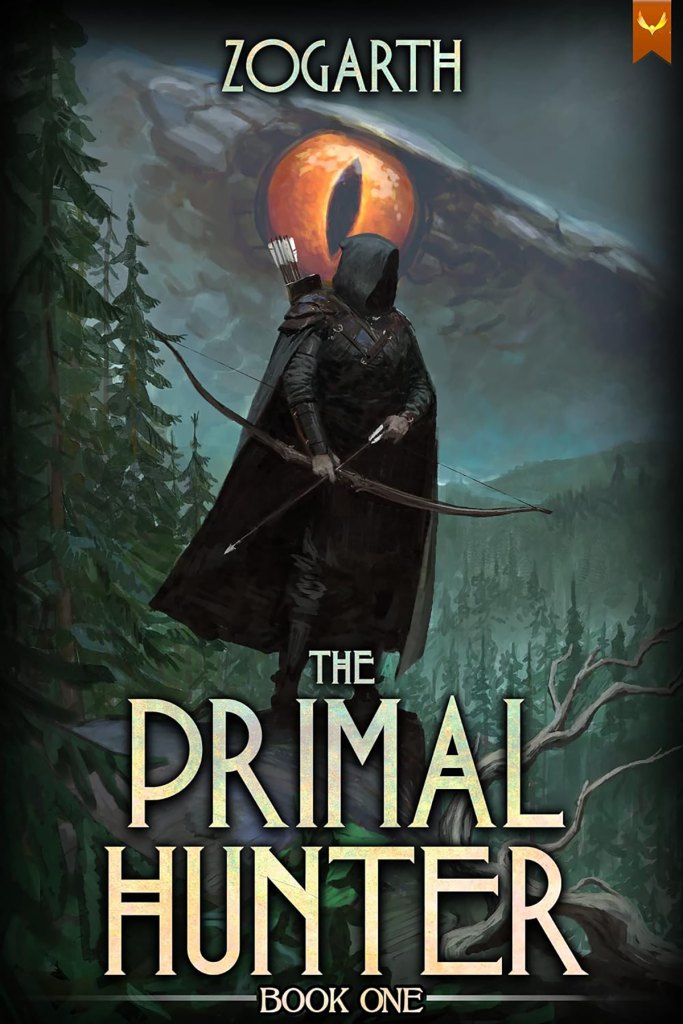
Humor and action remain popular ingredients, but they’re hardly universal. Shirtaloon’s He Who Fights With Monsters mixes fast-paced adventure with sharp wit and philosophical conversations, while Zogarth’s The Primal Hunter embraces survival, asking what happens when ordinary people are suddenly thrust into a world where adapting quickly is often the difference between life and death. Each series speaks the language of LitRPG but in their own distinct voices.

DANIEL GREENE (host, YouTube channel Fantasy News With Daniel Greene): “This takes me to my many praises for LitRPG because, yes, I am someone who absolutely does enjoy it. LitRPG is a fertile ground right now, but maybe most importantly of all, it is strangely addictive. I mean it when I say every single person I have recommended Dungeon Crawler Carl to that has bothered reading the first book has gone on to the second, and almost all of them have binged the series and finished all of the books in a month or two. It’s actually weird how much that series seems to click with people.”
More than a passing trend
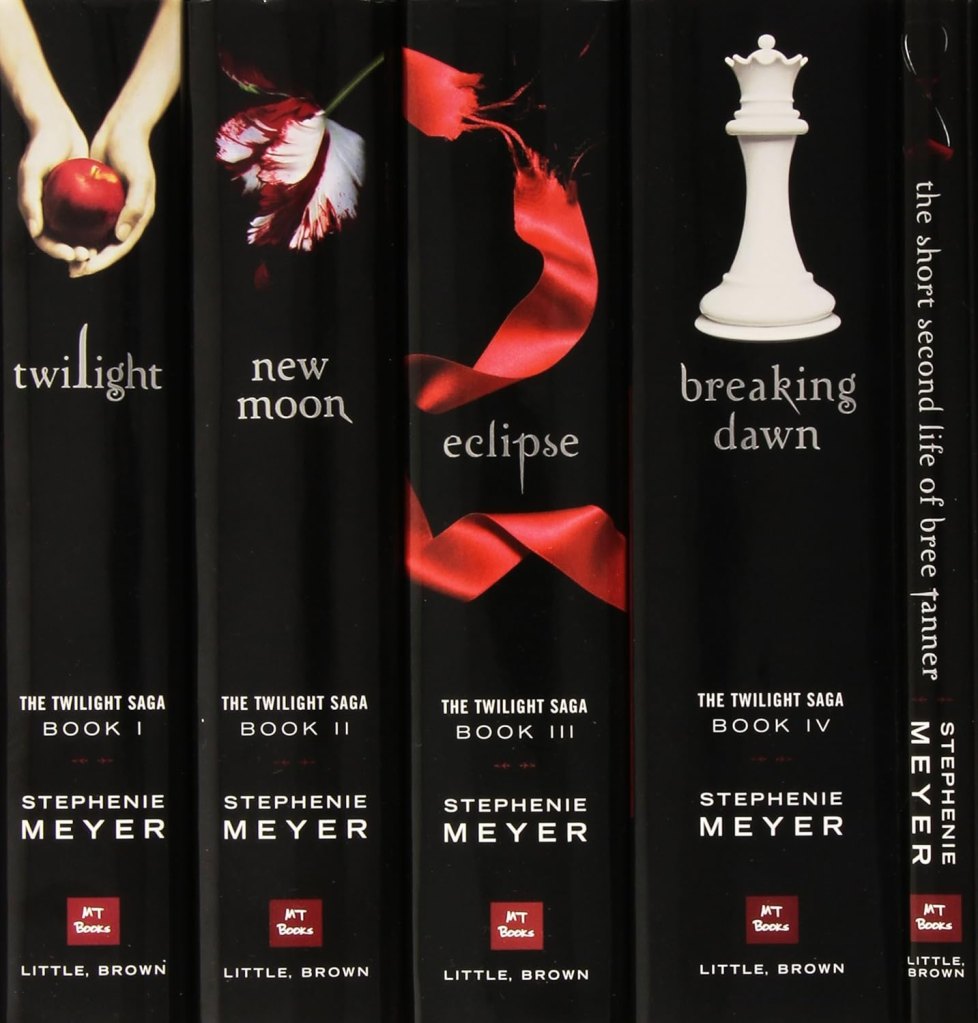
Genres don’t suddenly appear overnight, instead evolving quietly, often years before the rest of the world notices. Fantasy had its Tolkien boom, paranormal romance exploded after Twilight and, more recently, romantasy has become one of publishing’s biggest success stories, thanks in large part to communities on TikTok and BookTok introducing millions of readers to books they might never have discovered otherwise. LitRPG appears to be following a similar path.
DANIEL GREENE: “It has massive potential as a genre. It’s still fairly new, with the earliest examples, if you kind of squint at the definition of it, really coming solidly into existence all the way back in the ’80s, which in terms of literature is baby young. But it took video games and board games really cementing into a universal understanding within our zeitgeist for LitRPGs to really have a chance.”
“The internet needed to get to a certain place, right? Not a lot of publishers were very willing to take risks on LitRPG until the genre proved its success, which is why you’ll see many successful LitRPGs being promoted within indie publishing spaces. Though a lot of them are being scooped up by trade publishers now that their success has been realized.”
Many of LitRPG’s biggest successes began as independently published novels or serialized web fiction before finding wider audiences through audiobooks, word-of-mouth recommendations and, increasingly, traditional publishing. What once existed almost entirely outside the publishing establishment is steadily becoming part of it.
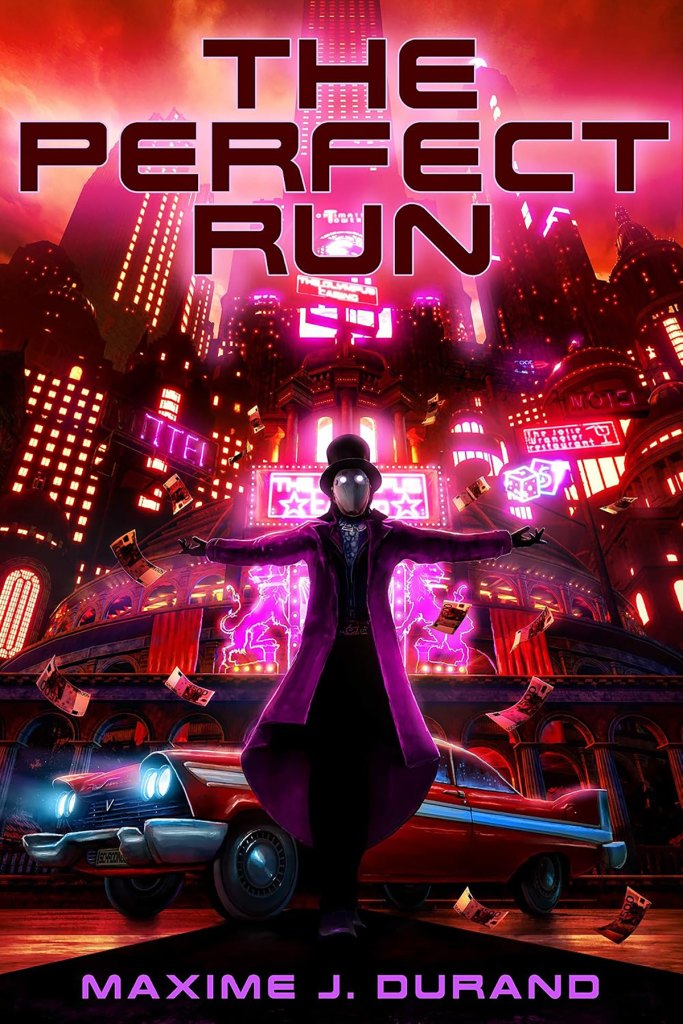
None of that means LitRPG is replacing epic fantasy, science fiction or any other form of speculative fiction. Instead, it has carved out a place alongside them, proving that readers are more than willing to embrace new storytelling approaches when they’re paired with compelling characters and imaginative worlds.
BRIAN BELL: “As somebody who’s read all of Realm of the Elderlings and A Song of Ice and Fire and Red Rising and Asimov and Arthur C. Clarke and Kurt Vonnegut and Steven Erikson and Janny Wurts, I’m here to tell you with 100% confidence there are LitRPG stories that are equally as good as anything you’re going to find in epic fantasy or space opera. It’s just a different mechanism of telling the story. So before you go out and poo-poo the genre, think about when literary fiction readers poo-poo fantasy or poo-poo science fiction. ‘Oh, that’s not real literature. I don’t want to read about dwarves and elves. I don’t want to read about spaceships.’ We kind of go, ‘Well, you don’t know what you’re missing.’ I’m going to give the same challenge to everybody who’s not read LitRPG. If you try a few series and it’s not for you, completely cool… but don’t dismiss it before you’ve given it a chance.”
A beginner’s guide to LitRPG: Here’s where to start
Dungeon Crawler Carl by Matt Dinniman
Best for: Readers who love humor, action and unforgettable characters. The series that introduced countless readers to LitRPG. When Earth is transformed into a deadly alien game show, Carl and his prize-winning cat, Princess Donut, must survive increasingly bizarre dungeon levels in a story that’s equal parts comedy, satire and high-stakes adventure.
The Wandering Inn by Pirateaba
Best for: Readers who enjoy sprawling, character-driven fantasy. One of the genre’s most beloved series, The Wandering Inn begins with a young woman opening an inn in a magical world before expanding into an epic filled with adventurers, rulers, monsters and everyday people whose lives gradually intertwine.

He Who Fights With Monsters by Shirtaloon (Travis Deverell)
Best for: Readers who like witty protagonists and big adventures. After waking up in a strange world, Jason Asano discovers that surviving is only the beginning. Mixing action, humor and philosophical debates, the series has become one of LitRPG’s biggest modern successes.
The Primal Hunter by Zogarth
Best for: Readers who enjoy survival stories and nonstop progression. When humanity is thrust into a deadly multiverse-wide trial, Jake must rely on his instincts and steadily growing abilities to survive. It’s one of the genre’s purest examples of progression-focused storytelling.
Defiance of the Fall by TheFirstDefier (J.F. Brink)
Best for: Readers who want epic scope. Earth is suddenly integrated into a vast cosmic system where civilization collapses overnight. The series combines apocalypse, exploration and character progression on an enormous scale and has become one of LitRPG’s defining titles.
The Ripple System by Kyle Kirrin
Best for: MMO fans and readers looking for humor. Set inside a virtual reality game, the series follows Ned and his hilariously opinionated talking axe, Frank, as they navigate one of the most entertaining MMORPG-inspired worlds in modern LitRPG.
Conversation
All comments are subject to our Community Guidelines. Woman's World does not endorse the opinions and views shared by our readers in our comment sections. Our comments section is a place where readers can engage in healthy, productive, lively, and respectful discussions. Offensive language, hate speech, personal attacks, and/or defamatory statements are not permitted. Advertising or spam is also prohibited.