Barbara Kingsolver’s ‘Flight Behavior’ Predicted This Climate Crisis Over a Decade Ago
The 2012 novel's monarch butterfly warning about climate change hits harder today

Key Takeaways
- ‘Flight Behavior’ follows Dellarobia Turnbow, a 28-year-old Appalachian farm wife.
- Kingsolver told ‘Interview Magazine' in 2012 that she thought about "culture wars."
- If you want to attract monarch butterflies to your home, experts recommend gardening.
More than a decade before climate change became a fixture of everyday conversation, Barbara Kingsolver, bestselling author of Demon Copperhead, was already writing about it—through the eyes of a farm wife and a mountainside full of butterflies. At the time, the novel was praised as one of the first major works of literary fiction to tackle climate change head-on. Over a decade later, as extreme weather and disrupted ecosystems have become more common, Kingsolver’s story feels less like fiction and more like a warning. Below, we break down what the book is about, why it’s resonating with readers all over again and how you can apply the book’s lessons to your own life.

First, what is ‘Flight Behavior’ about?
Kingsolver, whose next novel, Partita, is due on October 6 and was a Woman’s World most-anticipated fall book, published Flight Behavior in 2012. The novel follows 28-year-old farm wife Dellarobia Turnbow after she stumbles upon millions of monarch butterflies that should be wintering in Mexico, but have mysteriously ended up in the Appalachian Mountains instead. The discovery attracts the media, scientists and religious leaders, who are convinced the butterflies are a sign from God. But the attention also raises concerns about what the testing and scrutiny will do to the planet and the butterflies. As the chaos unfolds, Dellarobia begins to reexamine her own life.

“Beautiful, moving, and articulate. Barabra Kingsolver has absolutely accomplished what she set out to do with this novel, that is, to write fiction that takes climate change for its backdrop—the first book of its kind, and momentous in doing such,” raves one reader on Goodreads. “This book is amazing in its treatment of both academic science and the emotional, ‘how does it apply to me now?’ sides of things. A wonderful portrait that treats with respect the rural poor, the immigrants who fled various catastrophic ‘natural’ disasters due to climate change and the scientists working so hard to uncover how and why our world is changing, and what we can do to save it.”
Why ‘Flight Behavior’ is more important now than ever
Over the years, conversations around climate change have gotten even more heated, creating new interest in Kingsolver’s novel. In the book, it’s revealed that the butterflies were forced to go off-course during their winter migration to Mexico because of unseasonable extreme weather linked to global warming. The novel has gained attention in recent years for how ahead of its time it was.
“I thought a lot about culture wars and climate change,” Kingsolver told Interview Magazine of the book in 2012. “I live in a rural part of Virginia surrounded by farms and farmers. These farmers have already had one bad year after another, unpredictable hail storms and tornadoes. They declare it a disaster year after year. At what point do you say, ‘Okay, it’s not a disaster, this is reality?’ The people that are suffering really dramatically are also the ones that seem to want to ignore what is going on. Why is that?”

How to apply the lessons from ‘Flight Behavior’ to your own life

The biggest takeaway from Flight Behavior is how important it is to take care of our planet and to create a safe space for animals—and butterflies. Farmer Lee Jones from The Chef’s Garden, tells Woman’s World planting colorful flowers to attract birds, bees, butterflies and more helps with the cross-pollination process that allows more flowers to grow.
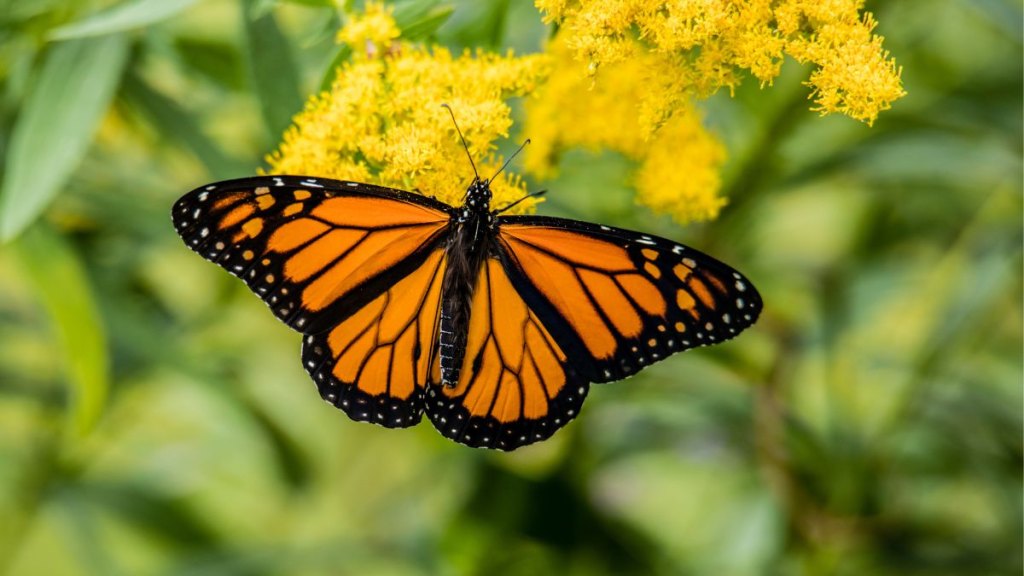
“You can grow buckwheat quickly and easily in your home garden as well,” he adds. “We find monarchs flitting every which way, numbering in the hundreds over the grassy buckwheat plants that roll like waves in the wind. It really is a sight to behold, and we’re blessed to be able to watch this happen! In fact, it’s an honor to be a fueling station for these monarch butterflies during their annual migration from Mexico to Canada.”
Ready for more? Subscribe to our YouTube channel for video podcasts, health tips and uplifting stories designed for women 40, 50, 60 and beyond.
Conversation
All comments are subject to our Community Guidelines. Woman's World does not endorse the opinions and views shared by our readers in our comment sections. Our comments section is a place where readers can engage in healthy, productive, lively, and respectful discussions. Offensive language, hate speech, personal attacks, and/or defamatory statements are not permitted. Advertising or spam is also prohibited.