Paul McCartney’s Scottish Farm Inspired His Most Iconic Solo Work: Inside His Rural Getaway
A new documentary, 'Man on the Run,' highlights just how vital the farm was to his '70s solo career

In 1966, Paul McCartney was one of the most famous men in the world, and as Beatlemania raged, he longed to find a space where he could go without being surrounded by hordes of reporters and screaming girls. That year, the 24-year-old musician purchased High Park Farm in Campbeltown, Scotland, and following the breakup of the Beatles in 1970, the farm became vital to his burgeoning solo career.
McCartney’s early solo years are the subject of Man on the Run, a fascinating new documentary now streaming on Amazon Prime Video. The film is filled with charming footage of Paul and his wife and musical collaborator, Linda, on the farm, and it shows how the change of scenery gave him a new burst of creative inspiration. Read on to learn all about Paul McCartney’s farm era and see what made it so special.

Starting a new chapter in Scotland: ‘I saw things I’d never seen before in the countryside’
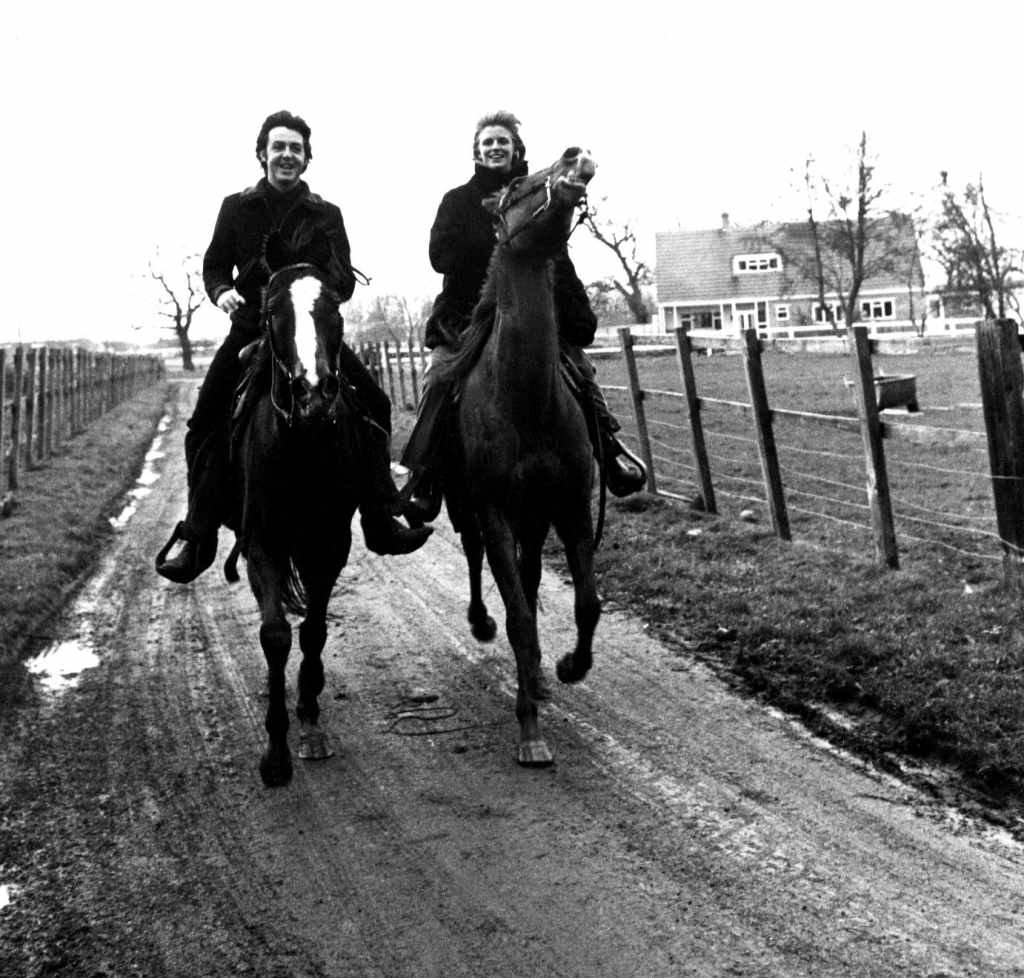
While Paul bought High Park Farm before he met photographer Linda Eastman, the quiet getaway became integral to their marriage. Paul and Linda married in 1969, and soon started to spend much of their time there. Paul adopted Heather, Linda’s daughter from her previous marriage, and they raised her and their three children, Mary, Stella and James, on the farm. The farm was a refuge for Paul and Linda, and they delighted in the low-key lifestyle they developed there.

Looking back at why he bought the farm, Paul said, “I was always drawn to the romantic notion of the Highlands. And John was too; he had visited relatives who had a croft in the Highlands, and he spoke romantically of it, so I had that thought in my head. But I never really intended to do much with that thought. Then, when we started to earn a little bit of money, there was an accountant who said, ‘You should use the money for something—you should buy something with it’. Whereas we’d always thought you just stick it to the bank. He said, ‘No, you’ve got to invest it, you got to do something’. So, I said OK, and he came up with this property that was for sale in Argyle near Campbeltown. He said it would be a great investment. I wasn’t sure I wanted to go up—I’d just got down to London from Liverpool, I wasn’t sure I wanted to go off to Scotland!”
Paul also shared how his view of the farm evolved along with his relationship, saying, “Anyway, I was persuaded, and I went up there and thought it was okay, but I never thought of it as romantic until I met Linda. She said, ‘Could we go up there?’ And then with Linda, and with raising the family there, I saw things I’d never seen before in the countryside and scenery. It became really special.”

How ‘animal experiences and nature experiences’ on the farm inspired Paul McCartney’s music
Paul McCartney built a recording studio on his farm, and it was there that he recorded much of his most dynamic solo music (he also grew marijuana on the farm, which surely helped inspire his more experimental output). His lo-fi approach to recording freed him up to take new risks in his music, and while his early solo work wasn’t initially well-received by critics (and the post-Beatles pressure was very real), it’s been reevaluated over time and today, there’s no questioning its greatness.
The farm didn’t just influence Paul’s sound, it also had an impact on his image, as the back cover of his 1970 solo debut, McCartney, featured Linda’s adorable photo of him at the farm with their infant daughter, Mary, cozily tucked inside his jacket, and the album’s packaging also included a variety of photos of Paul, his family and their sheepdog, Martha, on the farm.
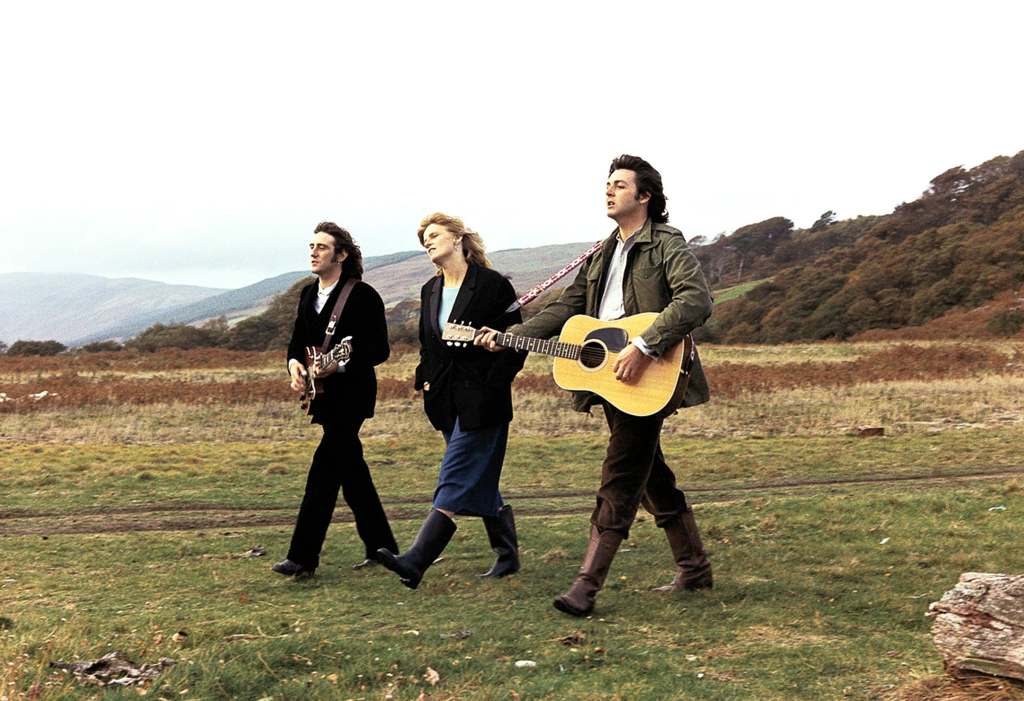
The cover of Paul and Linda’s 1971 album RAM, which was also initially dismissed and later hailed as a classic, similarly featured Linda’s photos of Paul at the farm, including the cover photo of Paul posing with the titular animal, and he said, “RAM was very much influenced by our experiences on the farm—animal experiences and nature experiences.”
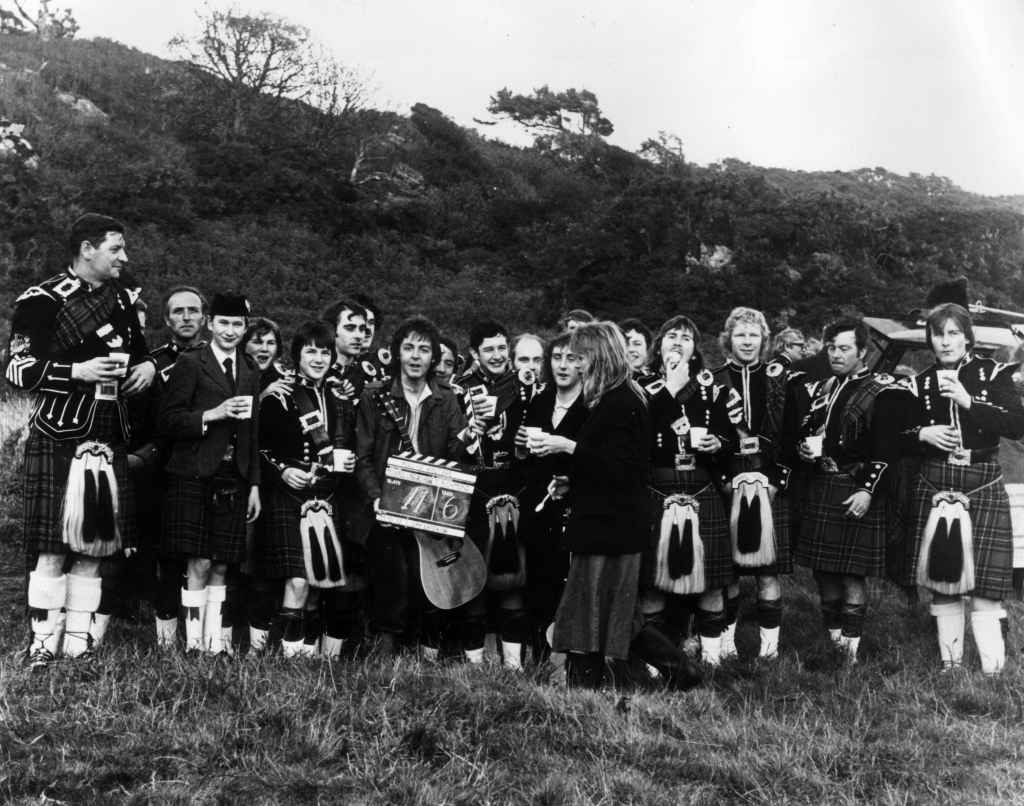
RAM would be Paul and Linda’s only album as a duo, and in 1971, they formed their band, Wings. The band spent much of their time at the farm, and in 1977, they released “Mull of Kintyre,” a song paying tribute to the area of Scotland where High Park Farm was located. The song, which featured the local Campbeltown Pipe Band and was recorded at the farm, became the band’s biggest hit, and it remains one of the U.K.’s bestselling singles of all time.
High Park Farm’s 60-year legacy: ‘I have such magical memories’
This year marks the 60th anniversary of McCartney’s purchase of High Park Farm, and amazingly, he still owns it. It’s rare for any celebrity to keep a piece of real estate for that long, and the farm is relatively unglamorous in comparison to the majority of famous properties.

The farm also fostered Paul and Linda’s interest in animal rights and vegetarianism. As Paul explained, “The lambs were the reason for it. We’d seen them gambolling happily in the first month of their lives, in the fields, and realized that we were eating leg of lamb and made the connection. That’s really how that whole philosophy started. We thought, ‘If we’re giving them a life, then we might as well give the whole herd their lives.’”
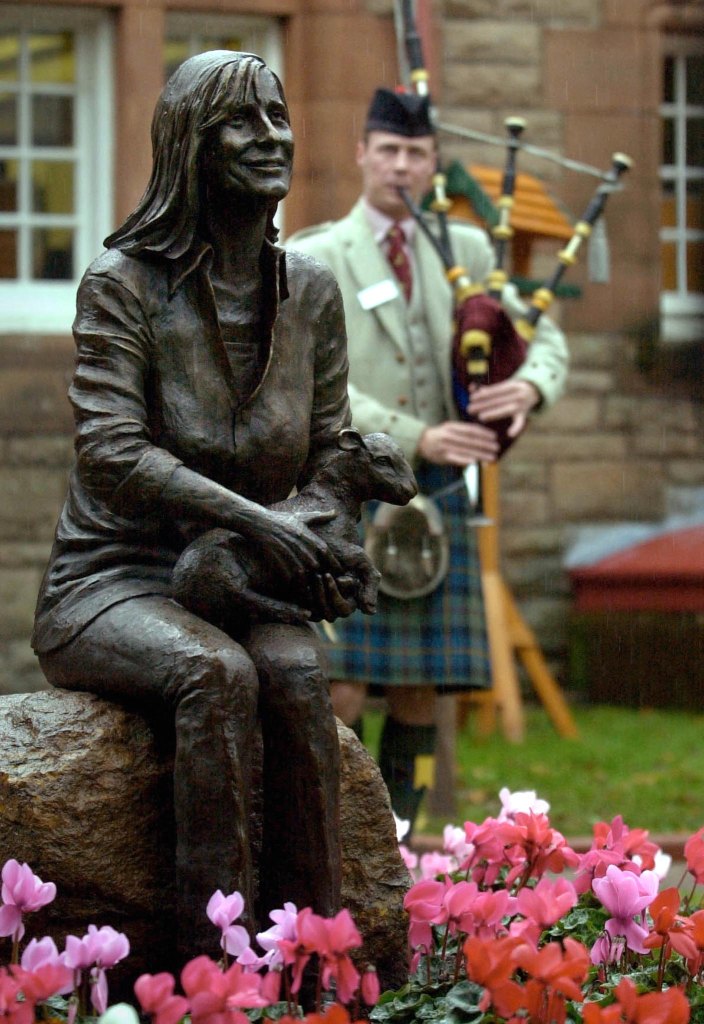
Unlike many of his rock star contemporaries, Paul was a true family man, and the farm will forever be associated with the period when he was starting his solo career and raising his children. In Man on the Run, his kids lovingly recall their time on the farm, and while Linda sadly died from breast cancer at 56 in 1998, her legacy lives on there, as a memorial garden and a sculpture of her stand near the property.
On the occasion of the documentary’s release, Paul looked back on his peaceful farm life with Linda and the kids, saying, “Campbeltown and the area of Kintyre and Argyllshire means a great deal to me. I have such magical memories with my family there.”
Paul McCartney may not spend as much time at the farm as he once did, but he’ll forever hold it close to his heart. As he said in the 2025 book Wings: The Story of a Band on the Run, “When I think back on it, the isolation was just what we needed. Despite the harsh conditions, the Scottish setting gave me the time to create. It was becoming clear to our inner circle that something exciting was happening. The old Paul was no longer the new Paul. For the first time in years, I felt free, suddenly leading and directing my own life”—and his music reflected this new freedom beautifully.
Conversation
All comments are subject to our Community Guidelines. Woman's World does not endorse the opinions and views shared by our readers in our comment sections. Our comments section is a place where readers can engage in healthy, productive, lively, and respectful discussions. Offensive language, hate speech, personal attacks, and/or defamatory statements are not permitted. Advertising or spam is also prohibited.