The Wild Untold Story Behind the ‘I Wanna Hold Your Hand’ Film—Hollywood’s Best Beatlemania Time Capsule (EXCLUSIVE)
In 1978, Spielberg helped the 'Back to the Future' creators capture 1964 Beatles fandom

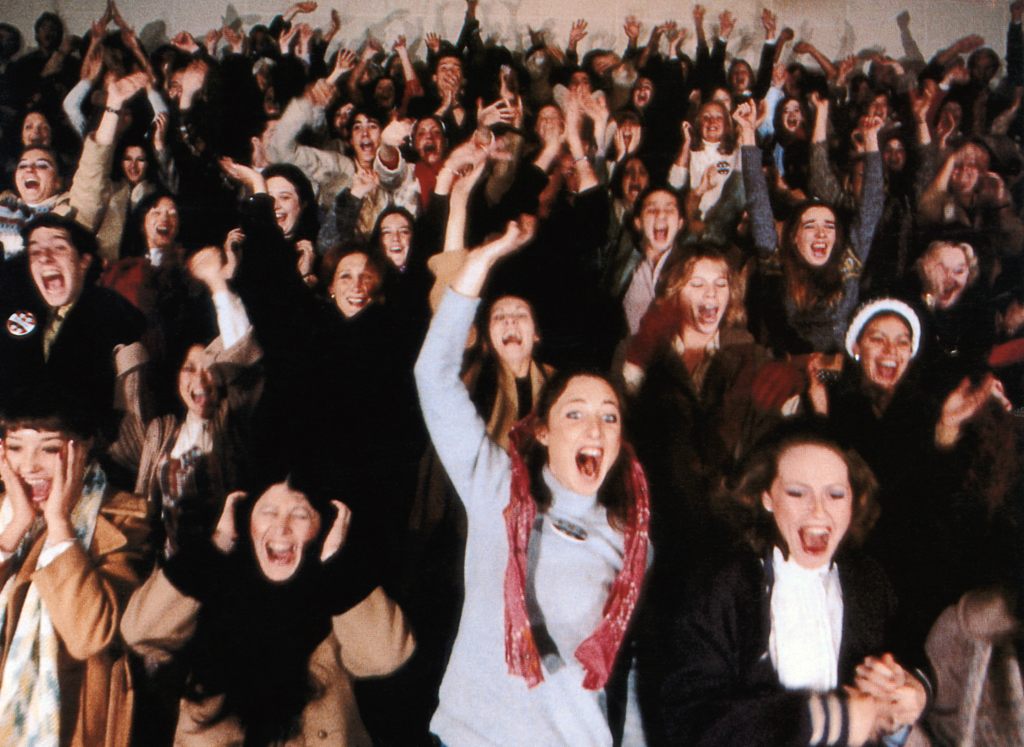
The I Wanna Hold Your Hand film isn’t the same as living through Beatlemania, but it may be the closest thing Hollywood has ever produced to recreating that electric moment in 1964 when four young men from Liverpool ignited a cultural explosion. Released in 1978, the film channels the euphoria and the noise of that era, building a zany comedy around 17 Beatles songs and a whirlwind story that feels pulled straight out of the hysteria of the time. And it’s the perfect appetizer for The Beatles Anthology 9-episode Disney+ docuseries premiering Thanksgiving Weekend.
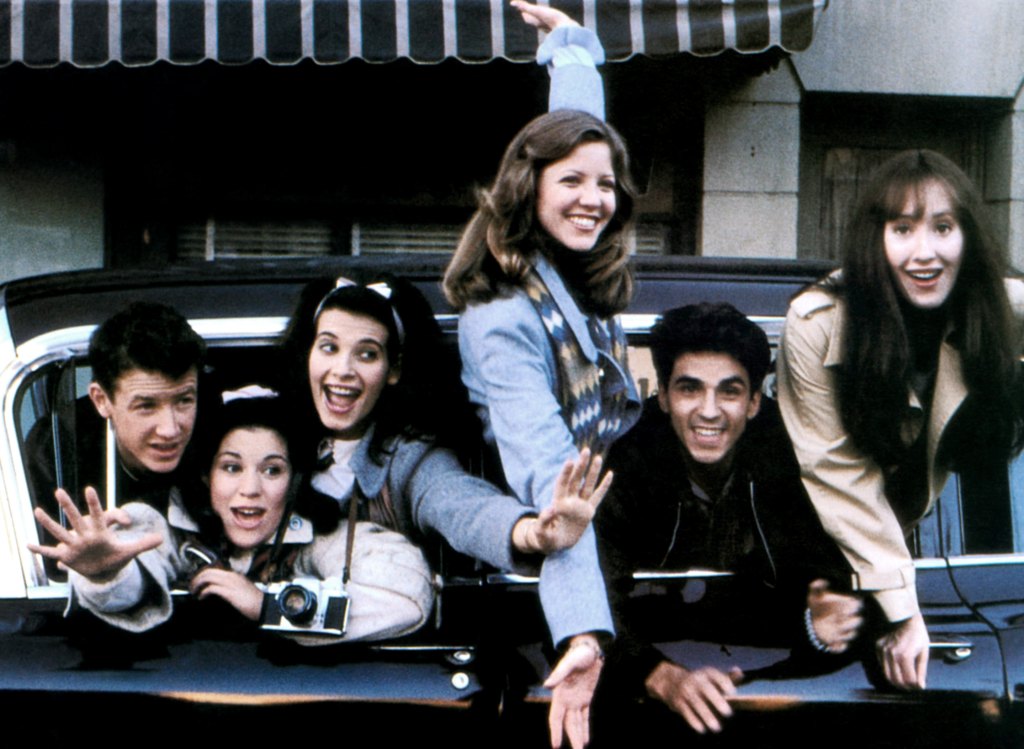
Written by Robert Zemeckis (who also directed) and Bob Gale—several years before Back to the Future cemented their partnership—the film follows four girls from Maplewood, New Jersey, who head to Manhattan in February 1964, determined to score tickets to The Ed Sullivan Show. Each character’s motivation taps into a different facet of fandom: Rosie Petrosfky (Wendie Jo Sperber) is hopelessly devoted to Paul; Grace Corrigan (Theresa Saldana) hopes exclusive photos of the band will launch her career; Pam Mitchell (Nancy Allen) wants one last burst of freedom before marriage; and Janis Goldman (Susan Kendall Newman), who detests the band’s popularity, joins the trip just to protest them.
They’re joined by limo driver Larry Dubois (Marc McClure), who’s nursing a crush on Grace; Tony Smerko (Bobby Di Cicco), who resents what Beatlemania has done to “real musicians,” and Richard “Ringo” Klaus (Eddie Deezen), a high-strung Beatles obsessive who befriends Rosie until she mistakenly refers to him as her boyfriend—something he insists a true Beatles fan would never do.
Bob Gale looks back at how the film came together and what it took to make a Beatles movie without the Beatles, remembering the moment the idea sparked: “Bob and I were sitting around my apartment one night in 1976, and we put on the Meet The Beatles album. We listened to all these old Beatles songs and read the back of the album jacket, which talked about Beatlemania, and we started to remember how crazy it was. Then, at about the same time, a lightbulb went off and we said, ‘We should make a movie about that. What a great idea.’ A film dealing with kids going nuts about The Beatles when they first came to America.”
They brought the concept to producers Alex Rosen and Tamara Asseyev, who loved it. Warner Bros. set up the initial deal, but there was a hurdle that overshadowed everything else. “We knew that if we couldn’t have the music, we didn’t have a movie,” Gale says. “So that took the music department close to nine months, but they finally got the deal negotiated and we wrote the script.” Then Warner Bros. passed.
Enter Steven Spielberg
Steven Spielberg—who had directed Zemeckis and Gale’s script for 1941—asked to see whatever else they had. “We let him read the script and he loved it. He said to Bob Zemeckis, ‘Bob, you should direct this.’ And Bob said, ‘Yeah, Steven, I know. But how am I going to do that?’ Steven said, ‘Let me make a few phone calls,’ and he got the project set up at Universal and we were on our way. If it’s Steven Spielberg, you can make those kinds of phone calls. He’s like one of the five people in town that can do that.
“Steven was behind the movie and behind us in terms of backing us and Bob Zemeckis as director,” Gale explains, “but Steven was not a Beatles fan. He caught on to it much later. Even today, he’s not much of a rock and roll fan. You won’t find much rock and roll in any of Steven’s movies.”
Gale, meanwhile, still follows what the surviving Beatles do, even if he’s no longer the superfan he once was. “Actually, before John got killed there were always those rumors about a pending Beatles reunion, and we were always saying, ‘Let’s not have one,’ because we just thought it could never be as good as you would imagine it would be. The myth is better. We need the myths, you know?”
Recapturing Beatlemania circa 1964
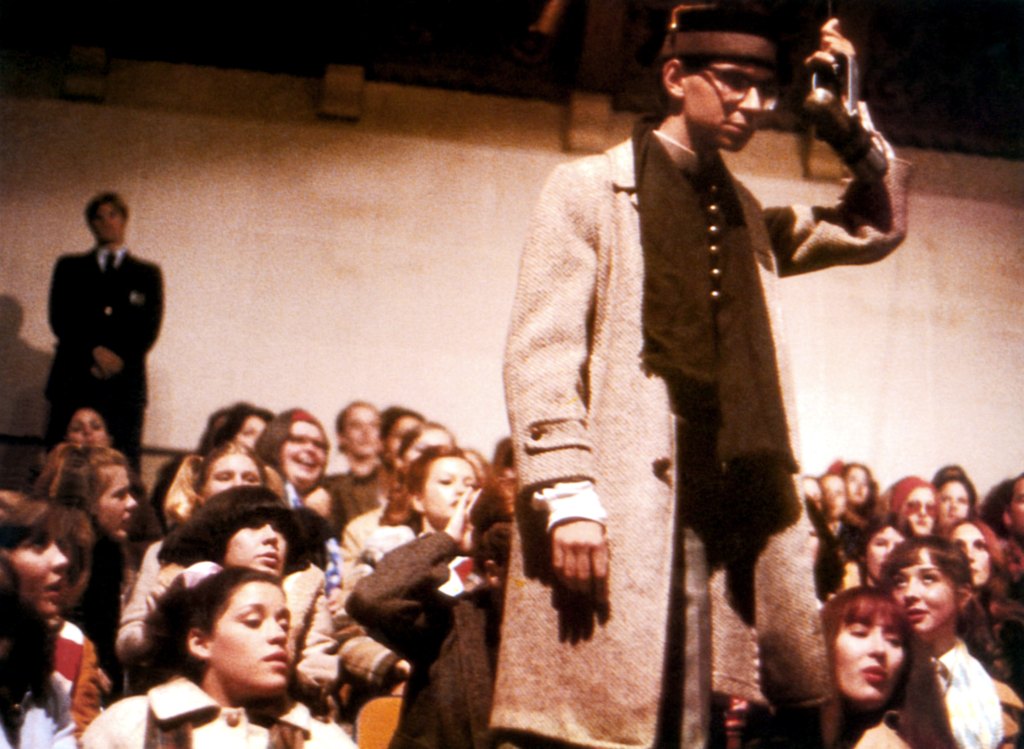
Bringing 1964 New York to life on a modest budget required creativity. “We originally wanted to shoot the Plaza Hotel scenes at the Plaza, but for budgetary reasons, and because I don’t really think the Plaza wanted us to shoot there, we didn’t,” he explains. Instead, “The Plaza Hotel scenes were shot on the Burbank backlot. They have a hotel set and we even put on an extra wing to make it look like The Plaza.”
The Universal backlot doubled for the Ed Sullivan Theater exterior, and Los Angeles locations that looked “eastern enough” stood in for New York and New Jersey. Casting, on the other hand, came together with surprising ease. “We were really thrilled with everybody that we got,” he enthuses. “When Eddie Deezen walked in, we just said, ‘This is the guy! He’s got this character down.’”
The filmmakers knew early on that they needed to convey The Beatles’ presence without depicting them directly—much in the way Ben-Hur avoids showing Jesus’ face. The legally cautious approach was baked into the script, but it wasn’t enough to ease tensions at Universal.
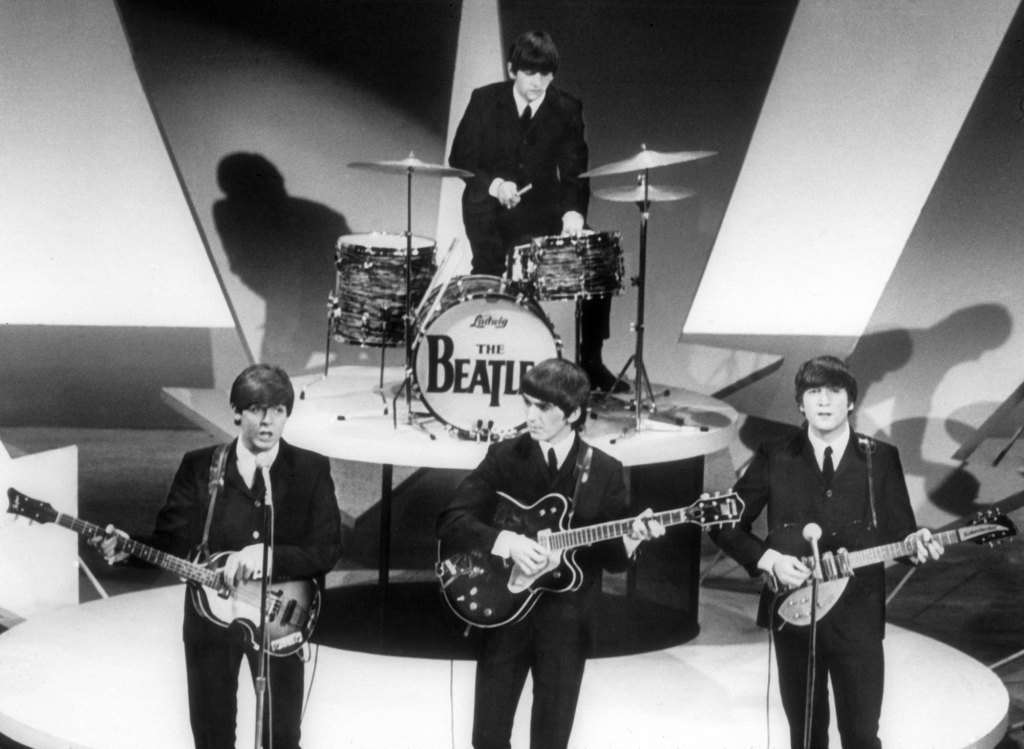
“When the studio finally read the script, and we had a deal, the legal department said, ‘We don’t think you should make this movie,’” Gale recalls. “This was the first time in the history of Universal Pictures that the legal department had ever told the studio not to make a movie, because they were concerned that The Beatles might sue.”
The working title was Beatlemania, until the Broadway show of the same name forced a change. Beatles 4-Ever didn’t pass legal approval either. Eventually they landed on I Wanna Hold Your Hand, but the concerns kept coming, including a directive not to show the band onstage at the end.
Where were the Fab Four?

The filmmakers gamely tried to work around it, even contemplating an ending composed entirely of reaction shots, but when the rough cut screened for Universal president Sidney Sheinberg, everything changed. Gale remembers, “He liked it, but said, ‘What are you going to do about the ending? You guys are right, we should have The Beatles there.’” Sheinberg even joked that if The Beatles sued, he wanted the rights to the footage of the lawsuit.
“So, we quickly put it together with the Sullivan tape, we got the look-alikes for The Beatles to practice doing that, shot that scene and cut it in,” Gale says. “And this was a couple of weeks before the release of the movie.”
When the film opened in April 1978—during a renewed wave of Beatles nostalgia—the filmmakers expected a stronger commercial response. “We were really disappointed about that,” Gale admits. “It opened up during the single worst week in box office of the entire year.”
The film later found appreciation on home video, where audiences could finally see it uncut and as intended. Asked how he’d pitch the film to new viewers today, Gale is candid: the ’60s can feel far removed from modern culture. Still, he notes the current anniversaries and the ongoing fascination with The Beatles, suggesting there’s timeless appeal in its energy. “I suppose I would say that it’s a movie about teenagers in love.”
Conversation
All comments are subject to our Community Guidelines. Woman's World does not endorse the opinions and views shared by our readers in our comment sections. Our comments section is a place where readers can engage in healthy, productive, lively, and respectful discussions. Offensive language, hate speech, personal attacks, and/or defamatory statements are not permitted. Advertising or spam is also prohibited.