Why Gene Roddenberry Abandoned the Original ‘Star Trek’ and How It Changed the Show’s Future
Explore the fallout of the creator’s departure and how a sabotaged Season 3 saved the franchise

By the spring of 1968, Star Trek had become something television had rarely seen before: a series whose viewers refused to let it die quietly. Faced with cancellation after its second season, fans organized what would become one of the first major television letter-writing campaigns, flooding NBC with protests, petitions and pleas to save the Enterprise.
Spearheaded in large part by fan organizer Bjo Trimble, the movement rallied science fiction fans, college students and younger viewers who believed the show represented something unique on television: intelligent, ambitious and willing to tackle social and philosophical ideas in ways few other network dramas dared. The campaign became so loud and so visible that NBC made the unusual decision to publicly announce the show’s renewal for a third season, effectively acknowledging that the fans themselves had kept Star Trek alive. Which is what made what happened next so shocking to many people.
At the very moment fans had gone to war for the series, Gene Roddenberry stepped away from the day-to-day production of the show he had created. To some observers, it felt like abandonment at the worst possible time, especially after viewers had fought so hard to secure that third year. But the reality was considerably more complicated. Roddenberry had spent years battling NBC over budgets, scripts, censorship concerns and time slots, and when the network renewed the show only to move it to the dreaded Friday night 10 p.m. slot, he viewed it as a betrayal of promises that had been made to him. Exhausted and increasingly frustrated, he withdrew from active production, though he continued to maintain involvement behind the scenes through memos, notes and screenings.
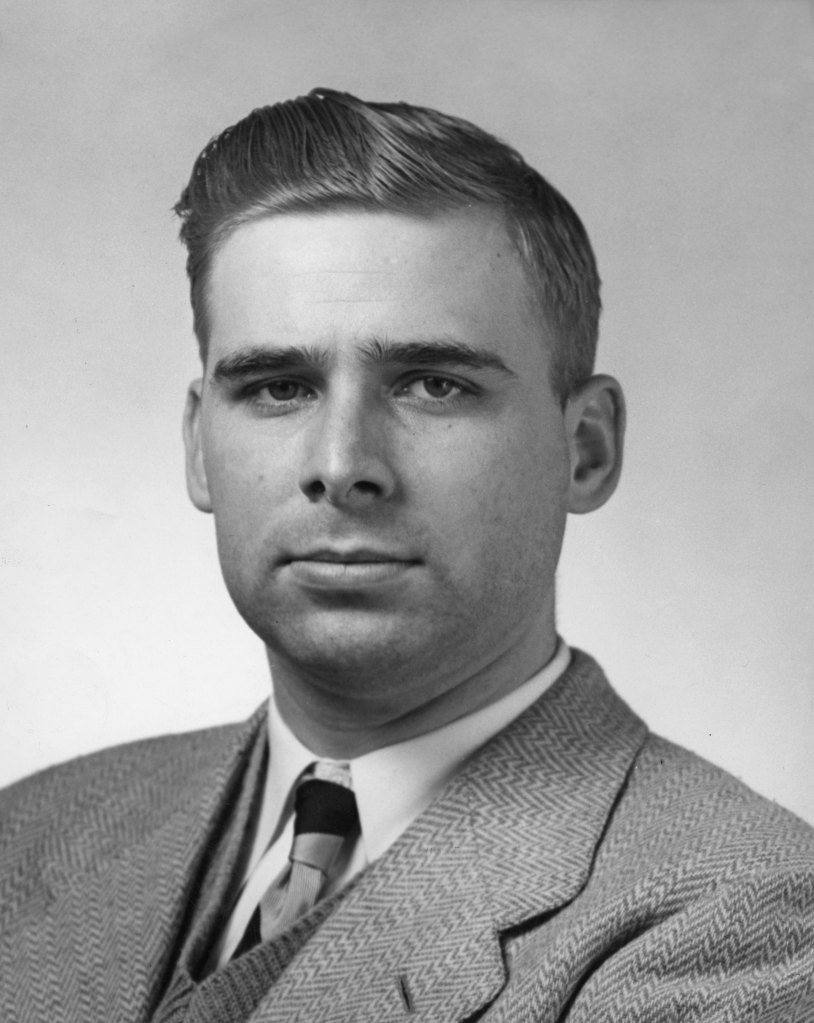
And yet there’s another side to the story as well—one that would become clearer only with time. Had Roddenberry continued fighting to keep Star Trek alive under increasingly impossible conditions, the series might simply have limped forward as a progressively cheaper and more exhausted version of itself. Instead, the show ended after three seasons, entered syndication relatively intact and began the extraordinary second life that transformed it from a struggling NBC series into one of the most enduring franchises in entertainment history.
GENE RODDENBERRY (creator, executive producer, Star Trek): “At that time, I told NBC that if they would put us on the air as they were promising—on a weeknight at a decent time slot, 7:30 or 8:00—I would commit myself to produce Star Trek for the third year. Personally produce the show as I had done at the beginning. This was my effort to use what muscle I had. In fighting a network, you must use what muscle you have. They are monolithic, multibillion-dollar corporations whose interests are not necessarily in the quality of the drama.”
“It is one of the unfortunate curses of television that you can have as high as 11 or 12 million devoted fans, more people than have seen Shakespeare since the beginning, and be a failure, because at a certain time on a certain night you have to pass the magic number of 14 million. At any rate, the fans scared the hell out of the network and they decided to keep the show on. About 10 days or two weeks later, I received a phone call at breakfast, and the network executive said, ‘Hello, Gene baby . . .’ Well, I knew I was in trouble right then. He said, ‘We have had a group of statistical experts researching your audience, researching youth and youth-oriented people, and we don’t want you on a weeknight at an early time. We have picked the best youth spot that there is. All our research confirms this and it’s great for the kids and that time is 10:00 on Friday nights.’ I said, ‘No doubt this is why you had the great kiddie show The Bell Telephone Hour on there last year.’”

“As a result, the only gun I then had was to stand by my original commitment, that I would not personally produce the show unless they returned us to the weeknight time they promised. I wasn’t particularly anxious to put in a third year of 14 hours a day, six days a week, but Star Trek was my baby and I was willing to risk it if I could have a reasonable shot at a reasonable time. And we talked it over and held fast.”
“We almost swayed them and ultimately they said, ‘No, we will not do it.’ And then I had no option, I could not then say, ‘Well, I’ll produce it anyway,’ because from then on with the network any threat or promise or anything I made, once you back down, you become the coward and your muscle from then on in any subsequent projects will never mean anything.”
Others sound off…

GEORGE TAKEI (actor, “Hikaru Sulu”): “Gene was aware that even if he had stayed with Star Trek, NBC intended to cancel the show after its third year. From another vantage point, maybe it should have been a matter of personal integrity on Roddenberry’s part. Star Trek was Gene’s creation, and the third season would be identified with him whether he liked it or not. If the quality of the show was in some way to erode, it couldn’t help but reflect on Roddenberry. Inevitably, it would be Gene’s reputation that was at stake. Now, Gene Roddenberry’s a human being, so I can certainly understand his position. At the same time, giving myself distance and perspective, I can’t help but wish that Gene had looked at the entire picture and realized how Star Trek’s third season might finally affect his professionalism and artistic integrity.”
DAVID GERROLD (writer, “The Trouble with Tribbles” and “The Cloud Minders”): Roddenberry, rather than try and do the very best show possible, walked away and picked Fred Freiberger as producer. If he was there, there would have been some of that stuff that was there in the beginning. When the show first started, there was a lot of really nice stuff there that you always wanted to see developed. I wish Roddenberry had been there in the third season to take care of his baby.”
GENE RODDENBERRY: “I think there was a little rationalization in my decision. I think also what was affecting me at that time was enormous fatigue; I think maybe I was looking for an excuse to get out from under the fight that I had just been having for two years, but really for four. I think fatigue just caught up with me… I think I would come back and produce it the third year myself if I had it to do over. I’m not taking a backhanded slap at the people who did produce it the third year, line-produced it. Obviously, when you bring a producer in and you’re going to let him produce it, you’ve got to let him do it his way. I think his way, or their way, was somewhat different than our way, the first two, so it did look different. As long as the original creator stays with the show, it gives it a certain unity. When other minds become involved, it’s not that they’re lesser minds or not as clever writers, but you lose the unity of that one driving force.” (Inside Star Trek LP)
DAVID GERROLD: “The fact of the matter is that you have to work with other people, and Gene’s pattern is that he doesn’t work well with anyone. If he can’t be the boss, he doesn’t want to work. Gene does not have a track record of working as a writer with other producers, so he doesn’t know how to bend. There’s no working with other people’s considerations on a story. He never learned that trick, because he’s always been the boss. He’s never, ever been an Indian; he’s always been a chief. You know what you get when you get people who have always been chiefs? You get spoiled brats.”
DEVRA LANGSAM (editor, Spockanalia): “We all felt very annoyed about Gene leaving. I mean, it’s his show, and truly, he loves it as much as we do. On the other hand, he’s saying, ‘I put myself on the line, I said if you do that I’m not going to work on the show, and if I don’t follow my word I will have no credibility.’ So you can understand it… sort of. But people were definitely annoyed.”
MARC CUSHMAN (author, These Are The Voyages): NBC didn’t like Gene Roddenberry, and they didn’t like the type of shows that Star Trek was airing. It was too controversial and too sexy, and they couldn’t get Roddenberry to tone it down. He was disrespectful to them, and it got worse, so it was just a matter of ‘we don’t want to do business with this guy; we don’t quite like how the show is going, so let’s maybe not pick it up.’”
“And there’s another factor, too, back then. They weren’t getting the top sponsors for the hour, so the feeling may have been that they weren’t making as much profit off of Star Trek as another show. So they move it to Friday night—and they didn’t even want to pick it up, but there was the letter-writing campaign that made them cry uncle on the air and announce that they were picking it up, but they put it in the death slot. And they knew when they picked it up that they were determined that Season 3 would be the last year.”
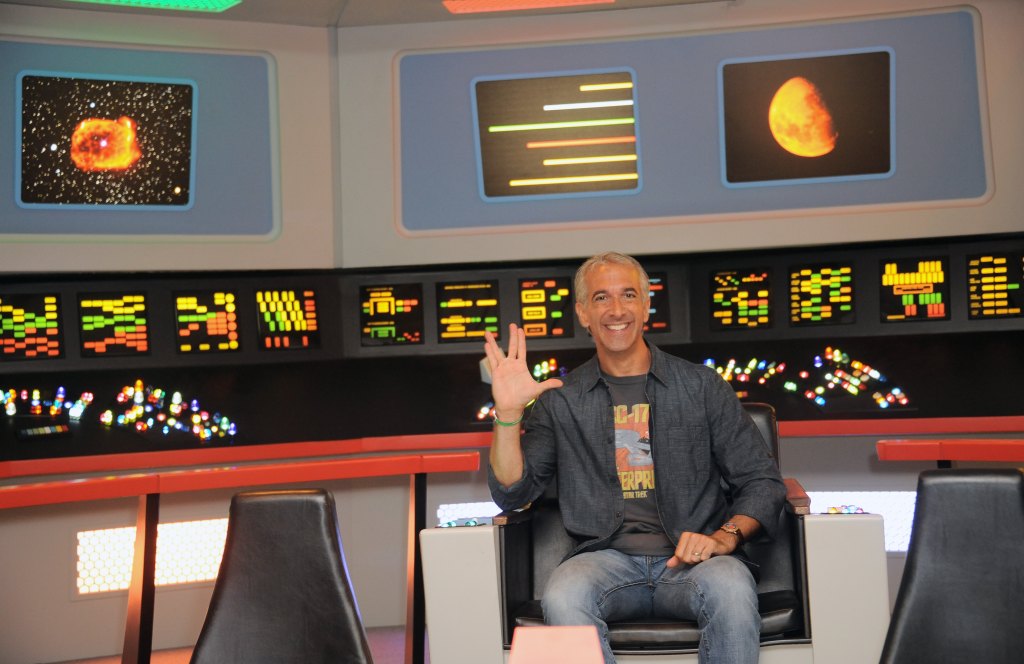
SCOTT MANTZ (film and TV historian): Roddenberry abandoned the show, but it’s interesting that he still had a lot to do with it. A lot of people don’t realize that he was still sending memos and notes and watching screenings. But a lot of times, he would watch the screening, and it would be too late to change any of the problems. You watch an episode like ‘Balance of Terror,’ where Kirk hunches over the briefing room table and goes, ‘I hope we won’t need your services, Bones.’ And McCoy goes, ‘Amen to that. You’re taking an awful gamble, Jim.’ And he walks out, the doors close, and he and Sulu are just walking down the hall and all the people are running by; it’s a busy ship. Or you look at ‘The Corbomite Maneuver,’ when Kirk is going from the sick bay to his quarters and you hear, ‘All decks alert, all decks alert.’ That is a busy ship that looks like there’s 428 people on board. In the third season, it looked like there were four people on the ship.”
A new producer comes in
GENE RODDENBERRY: “I found a producer, Fred Freiberger, who had produced Slattery’s People and Ben Casey, and has impeccable credits and an honest love of science fiction since boyhood. He was backed up by our regular staff of Bob Justman and the directors; the cameramen, Bill Theiss, costumer; Matt Jeffries, art; so backed up by the regular staff. They were producing Star Trek while my function in it was judiciary, policy administration.”
MARC CUSHMAN: “Everyone says Fred Freiberger was a show killer, when, in fact, he had a wonderful track record in Hollywood. He was the guy who got Wild Wild West up and running. I’ve read in books and I’ve read in articles, that Fred produced the last season of the show, but he actually produced the first season. He was the producer who got that whole show and somehow did the magic act of taking a Western show, a spy show, elements of sci-fi and blended it into a hit. He did very well with Ben Casey and a couple of different shows.”
FRED FREIBERGER (producer, Star Trek): “I was familiar with Star Trek only in that I had seen the first pilot they had done. I had met Gene Roddenberry at the beginning to talk to him about producing the show at the start, but I was going to Europe on a vacation that I had planned. I mentioned to Gene that the pilot was terrific, and if the job was still available when I got back, I was interested. By the time I came back, he had gotten Gene Coon and I was off doing other shows. When the third season came along, my agent brought me into Gene’s office and he said he would like me to produce the show. Gene Coon had done the first season, John Meredyth Lucas did the second and I assumed he wanted to change producers every year. But my first meeting with him was uncomfortable. Something like 30 people from the network came in, and I was amazed at the contempt with which Roddenberry treated them, and I could see they didn’t like him at all. I’d thought to myself, ‘What have I gotten myself into?’”
ROBERT H. JUSTMAN (associate producer, Star Trek): “Because of the budget cut in the third season, we were reduced to what I call a radio show. We couldn’t go on location any longer because we couldn’t afford it. We had to do shows that we could afford to do. It was quite difficult, and that did affect what the concept was. Certain concepts just couldn’t be handled. We didn’t have the money.”
FRED FREIBERGER: “Joining the show wasn’t a daunting situation; it was a question of going in on a show that was being successfully produced with a lot of people involved who were very loyal to the show. You can walk into another show and it can be daunting for you. You get into a situation where everybody knows each other and they’ve been together for some time. I was more concerned with improving ratings because the show had about a 20 or 24 share of the audience. Today, that would be a hit. In those days, even if you had a 30 share, you were very iffy. It was the loyalty of the fans that kept it on when NBC threatened to cancel it. And they did keep it on—it was impressive for NBC to succumb to that. But in all three years, the ratings remained the same, no matter what went on. It kept the same fans. Our hope was to improve the ratings, and we tried different kinds of stories. But the ratings always stayed the same. Always. It’s always all about ratings. And the situation wasn’t helped by the cutting of the budget. That hurt us badly.”
GENE RODDENBERRY: “If demographics had come in a year earlier, we would have had a 12-year run.”
Cut to the bone
ROBERT H. JUSTMAN: “They just cut it down to the bone to cut their losses. And we were on Friday nights at 10. If your audience is high-school kids and college-age people and young married people, they’re not home Friday nights. They’re out, and the old folks weren’t watching. So our audience was gone.”

FRED FREIBERGER: “We had to do at least four of the shows completely on the Enterprise. There were a lot of restrictions, but that’s no excuse if the stories aren’t very good. It’s a question of judgment and you have to go with what you think. That’s the way television works. I think, on balance, we did some pretty nice stories and some that didn’t come out so good. Some shows you’re happy with, some you’re disappointed with, and others you’re ashamed of. That’s the way it goes, but you’re a pro, you accept those things, you understand them, and all you can do is make sure that everybody does their best.”
The five-year mission ends early
Despite the loyalty of its fans, Star Trek’s third season would ultimately be its last on NBC. The series aired its final original episode, “Turnabout Intruder,” on June 3, 1969, ending the Enterprise’s network run after just 79 episodes. Yet what looked at the time like the end of what had yet to become a franchise would instead become the beginning of something much larger. In syndication, Star Trek found the massive audience that network television had failed to fully recognize, transforming from a struggling cult favorite into a cultural phenomenon that refused to disappear. And almost immediately, efforts began to bring it back.
- 1969: Star Trek is canceled by NBC after three seasons.
- Early 1970s: The series explodes in syndication, building a rapidly growing fan base.
- 1972: Star Trek Lives! by Jacqueline Lichtenberg, Sondra Marshak and Joan Winston helps chronicle the growing fandom movement and the conventions devoted to it.
- 1973–1974: Star Trek: The Animated Series brings back the original cast in animated form.
- Mid-1970s: Paramount begins exploring multiple revival projects, including The God Thing, Planet of the Titans and several abandoned feature film concepts.
- 1976: NASA names the first Space Shuttle prototype Enterprise after fan pressure and a White House campaign.
- 1977: Plans shift from a movie to a new television series, Star Trek: Phase II. Sets are built, scripts commissioned and casting begins.
- 1977: The success of Star Wars changes Paramount’s strategy almost overnight, convincing the studio that Star Trek belongs on the big screen.
- 1978–1979: Phase II is transformed into Star Trek: The Motion Picture.
- December 7, 1979: Star Trek: The Motion Picture premieres, launching the franchise’s cinematic future and all that has followed ever since.
Conversation
All comments are subject to our Community Guidelines. Woman's World does not endorse the opinions and views shared by our readers in our comment sections. Our comments section is a place where readers can engage in healthy, productive, lively, and respectful discussions. Offensive language, hate speech, personal attacks, and/or defamatory statements are not permitted. Advertising or spam is also prohibited.