‘Star Trek: The Motion Picture’: Rare Behind-the-Scenes Photos of the 1979 Cast and Set Secrets
See the original Enterprise crew reunite and discover the chaotic story behind the 1979 classic

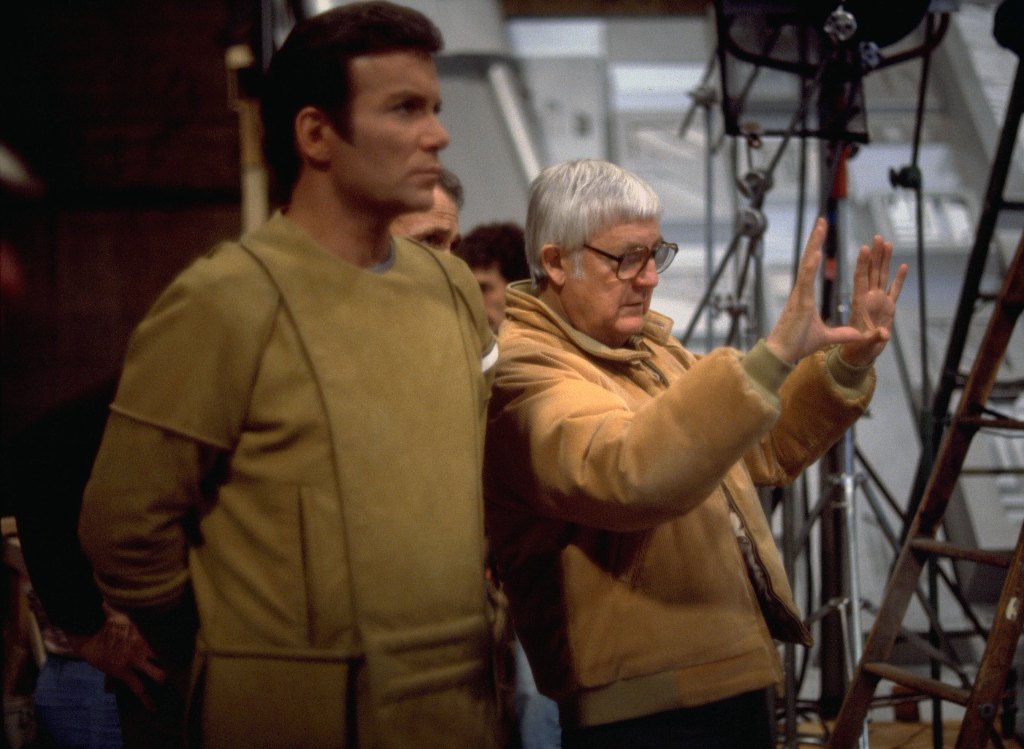
JON POVILL (associate producer, Star Trek: The Motion Picture): “Everyone on the show was pretty much thrilled at the prospect of working with Robert Wise. His presence brought an entirely new feeling of stature to the production. We felt like the everlasting cloud of doubt over the project had finally lifted, and now it was really going to happen. And that proved true almost entirely thanks to Bob, who held the picture together through a constant stream of crises. He got a ton of blame for the way the picture turned out, but I feel rather strongly that if not for him, there would have been no further incarnations of Star Trek. If Bob had failed, I think Paramount would have given up. Maybe they’d have gone back to the notion of doing a series, but they sure as hell wouldn’t have thrown any more money at a feature. It’s always bothered me that, through the years, Bob wound up with none of the credit and all of the blame for the issues with The Motion Picture.”
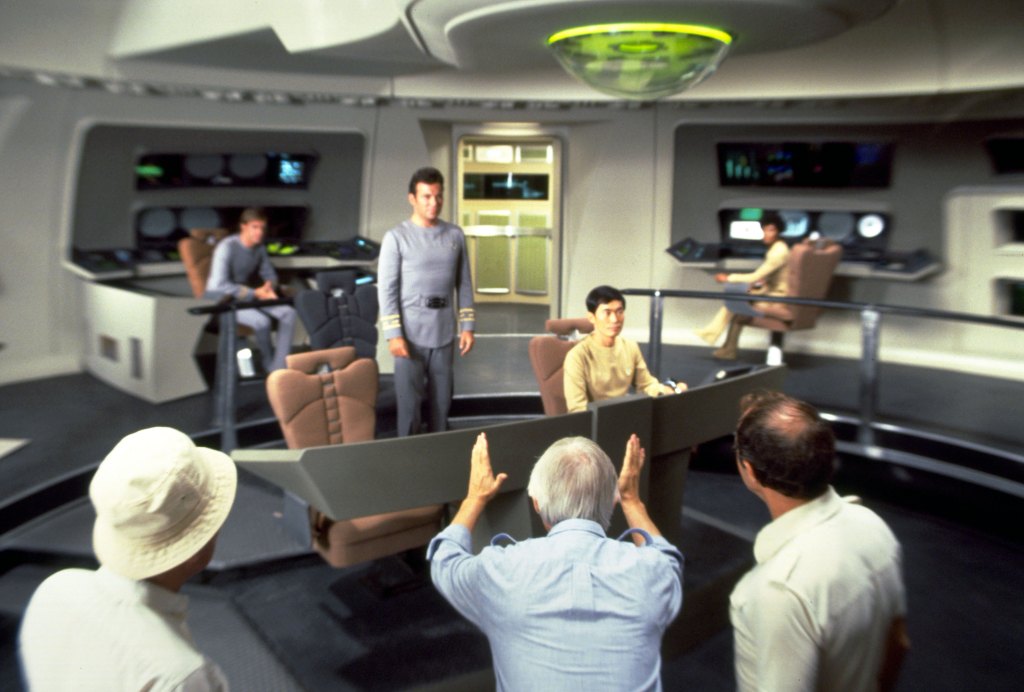
ROBERT WISE (director, Star Trek: The Motion Picture): “I have always been intrigued by science fiction, even though I have only done two other films in the genre, and I thought it was time that I did a science-fiction picture that took place in space. Both of my other ones were earthbound. In The Day the Earth Stood Still, we had a visitor from outer space coming to Earth in a spaceship, so that really intrigued me more than anything else. From the beginning, I liked the idea of doing Star Trek. It was really the fascination and the desire to do a film that dealt with the experience of being in space.”
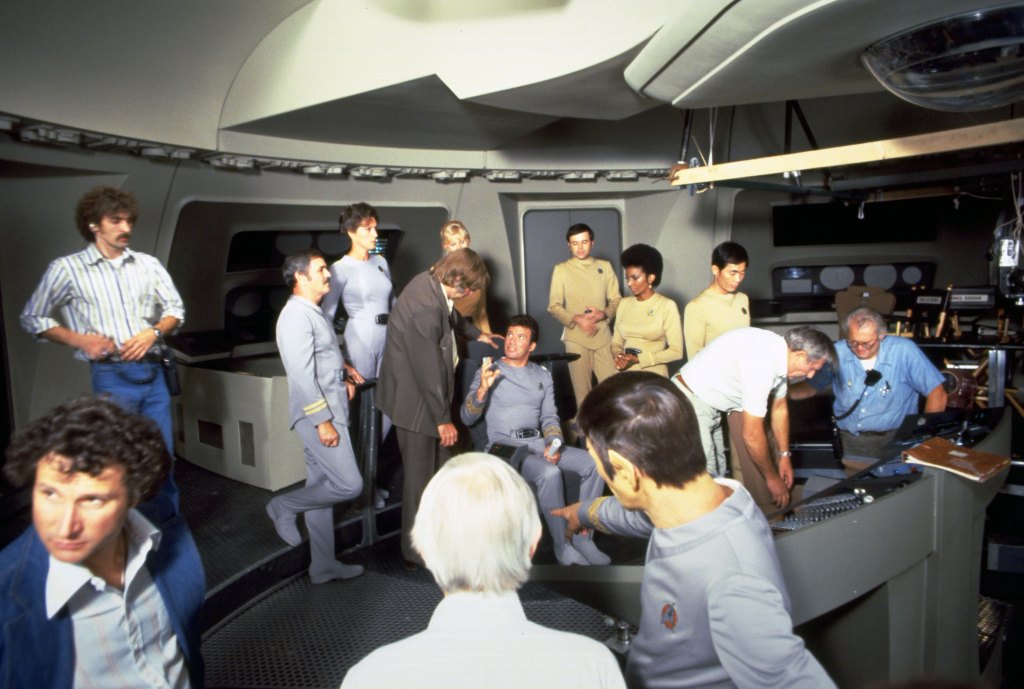
Although Gene Roddenberry was technically meant to have limited creative control on Star Trek: The Motion Picture, his presence was felt throughout the production, and navigating that reality became part of Robert Wise’s job as director. Wise understood that maintaining forward momentum meant keeping the peace, even when disagreements arose, and he made a conscious effort to avoid unproductive confrontations. From Wise’s perspective, the relationship was workable because both men acknowledged their roles and talked through their differences, ultimately meeting somewhere in the middle.
Roddenberry, for his part, recognized that while there were creative disagreements—particularly when it came to visual elements like costumes—Wise was responsible for shaping the film’s overall look and should be deferred to on matters of taste. Where Roddenberry did push back was when he felt something might violate the established Star Trek format, though even then the discussions remained professional rather than combative. The result was not a seamless partnership, but a functional one, built on compromise, restraint, and a shared understanding that the film had to be finished.
DAVID C. FEIN (producer, Star Trek: The Motion Picture—Director’s Edition): “This is my understanding: The project was already over-controlled by Gene before Bob ever got there. The studio already had a lot of issues with Gene’s absolute control and absolute power over the entire project—and all projects in regard to Star Trek—and this was a big deal, of course. Here’s this guy who absolutely wants to tell great stories. I don’t necessarily disagree with Gene being as protective or even as influential as he wanted to be. He’s had some great successes with all of this. But the studio wanted a movie, and they wanted a movie that could be done on budget and on time, without the chaos that was potentially there. One of the executives at Paramount proposed the idea of bringing on Robert Wise to direct the film. You see, Gene’s favorite film of all time is The Day the Earth Stood Still, and what could you say to Gene to get him to be somewhat under control or somewhat cooperative? You needed to get someone that Gene respected. Somebody who would lead Gene to say, ‘Here’s somebody who could potentially do a better job than me, or at least I would love to collaborate with, but I would trust them.’ That’s how Bob came on board. I think it was, ‘How can we control Roddenberry in making a collaborative, fantastic movie?’ Gene was at the top of his game—he was Star Trek—so what do you do? You get his idol.”
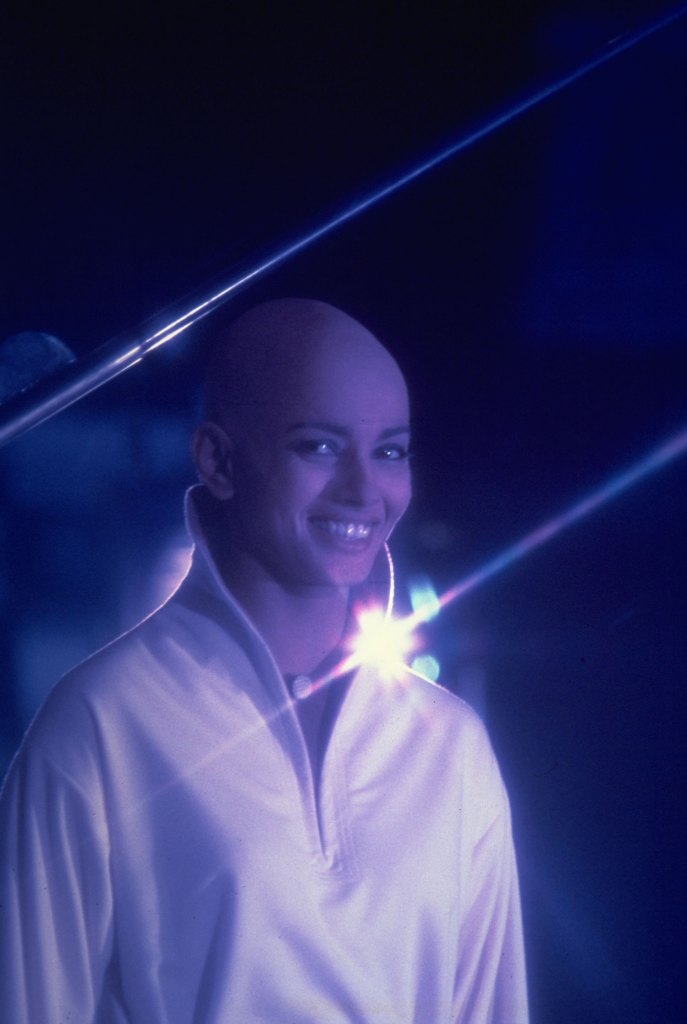
PERSIS KHAMBATTA (actress, “Lt. Ilia”): “I was so nervous on my first day, I couldn’t even remember my lines. I had to create a character and wasn’t sure what a Deltan was, exactly. On the second day of shooting, I realized that I had to talk to Gene. I said to him, ‘Gene, you have to tell me what a Deltan is like.’ So he gave me four pages of synopsis, which I think he gave to all the actors, even Leonard Nimoy. I read about the character and I really liked her. In some ways, she is like me. She comes from a more spiritual world, beyond the material, where people count. Where you read people’s minds through the senses. It was something I felt very close to. Unfortunately, the script didn’t give me ways to express those things in the film. But some of those ideas must have gotten through, because so many people have commented on the sensuality that Ilia had, even though it couldn’t be expressed after she becomes a probe. One can’t express a probe being sensual. The woman’s basic expressions are in the eyes and mouth, and I think I tried to show this in the scenes with Stephen Collins. You see, I am very much like a Deltan in some ways. Ilia is into people and the beauty of everything.”
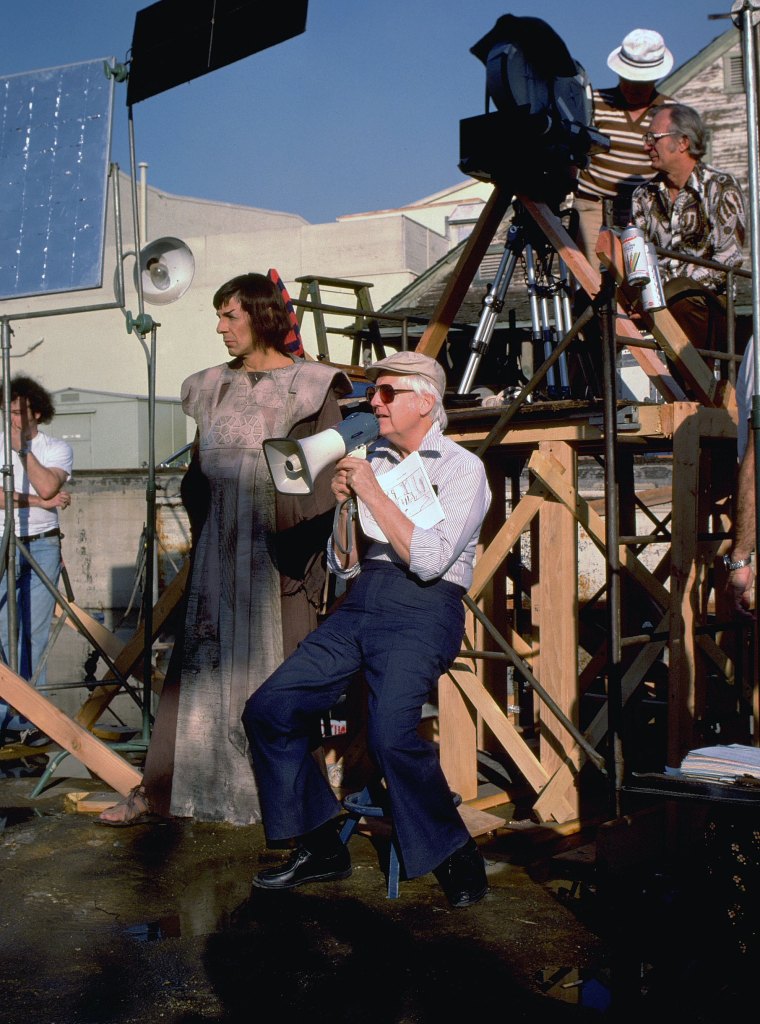
LEONARD NIMOY (actor, “Mr. Spock”): “That was a tough time. It was complicated, it was somewhat schizophrenic for a while, and it was not an easy jump back into Spock’s skin. Particularly because there were writing issues. The script that I read for the movie did not even contain the Spock character, so it was a case of them describing to me what Spock would be doing in the next draft of the script. That took a little time and a little fine-tuning to finally get it to fruition. I was never totally satisfied with that movie.”
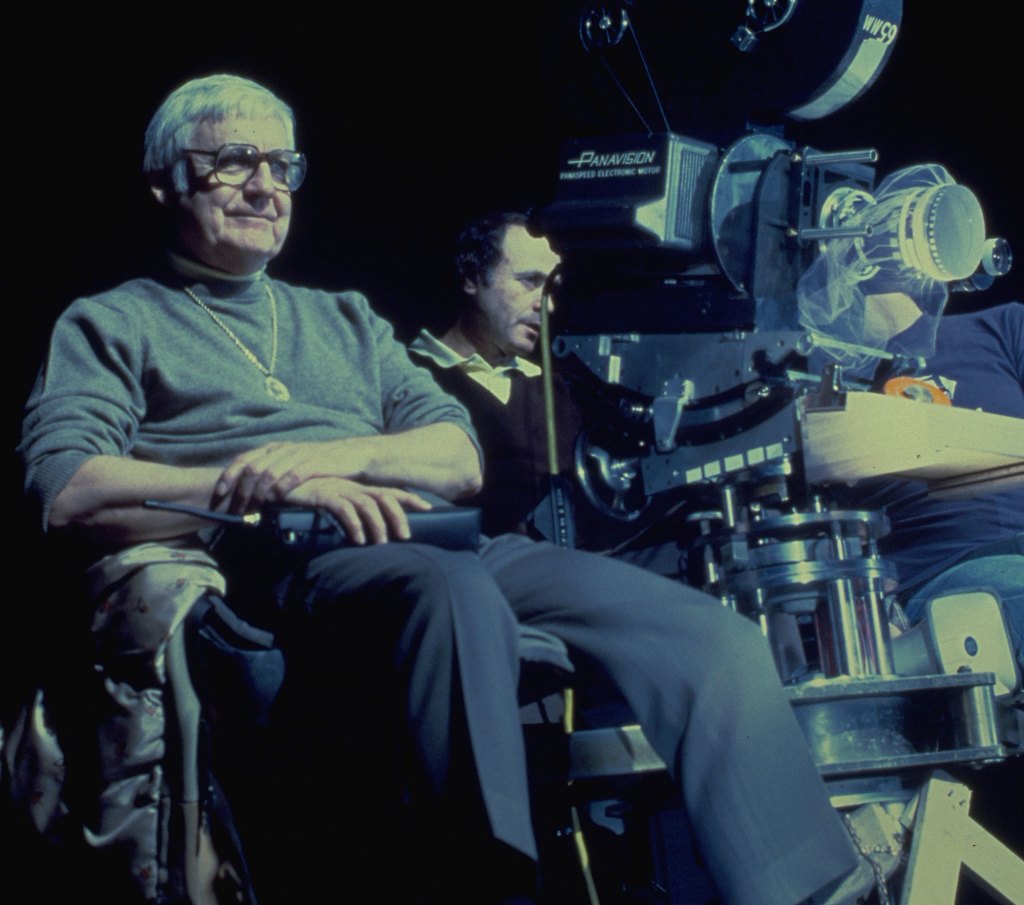
GENE RODDENBERRY: “This is the first time a television show ever became a major motion picture, and Robert Wise did a remarkable job in adapting it from one medium to another. Many people don’t seem to be aware that they’re two entirely different mediums. You strive for different values in television. It’s a more intimate medium, where you can get into multiple characters and character conflict that can be very exciting. With motion pictures, the trend has been to make it a sensory experience with stereo sound and bigger screens. Television cannot create that illusion, so it goes for other things. It intellectualizes rather than sensorizes the product. And a major motion picture spectacle doesn’t lend itself easily to Mr. Spock’s cute little remarks with Captain Kirk. The conversion of a two-hour television show into a movie was much more difficult than anyone could’ve believed.”
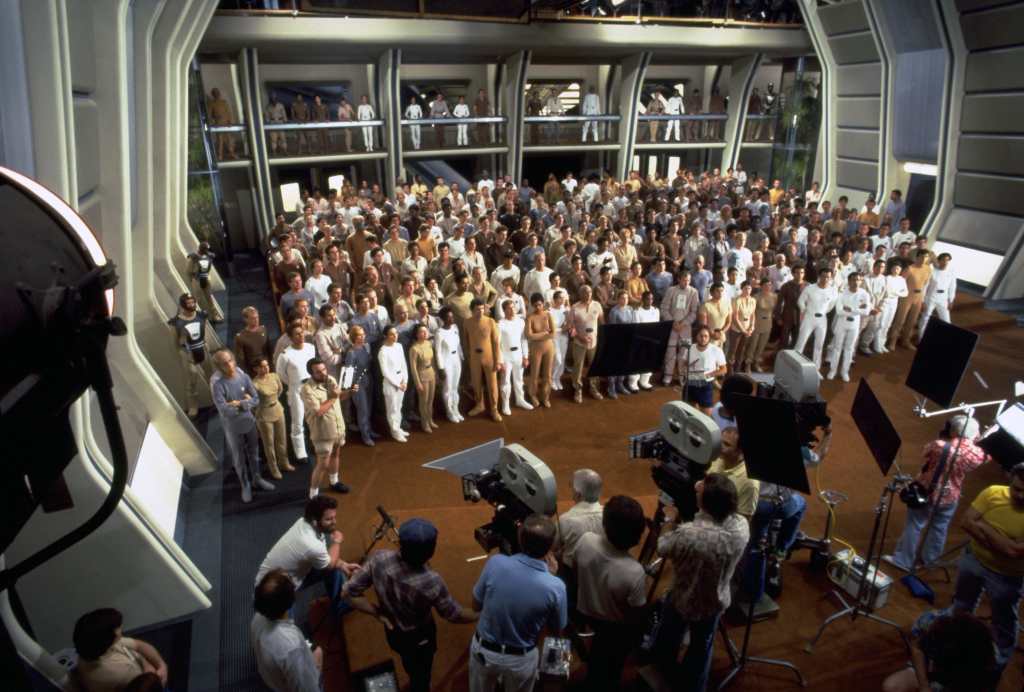
RONALD D. MOORE (writer/producer, Star Trek: The Next Generation, Star Trek: Deep Space Nine; creator, Battlestar Galactica): “I thought it was a beautiful film, and at the time I was struck by the message of the movie, and it felt very much in keeping with the show. I did sort of feel at the end that this was a retelling of ‘The Changeling’ from the original series, but I was very excited. When I saw generally it was getting negative reviews, I was very defensive of the movie for quite a while. In fact, I wrote a letter to Trek magazine and they printed it. It was the first and only letter I’d ever written to a publication, and they actually printed it, and it was me defending the film. Many years later, when I was working on Star Trek: The Next Generation, Eric Stillwell brought in a copy of that Trek magazine to embarrass me in front of the entire writing staff.”
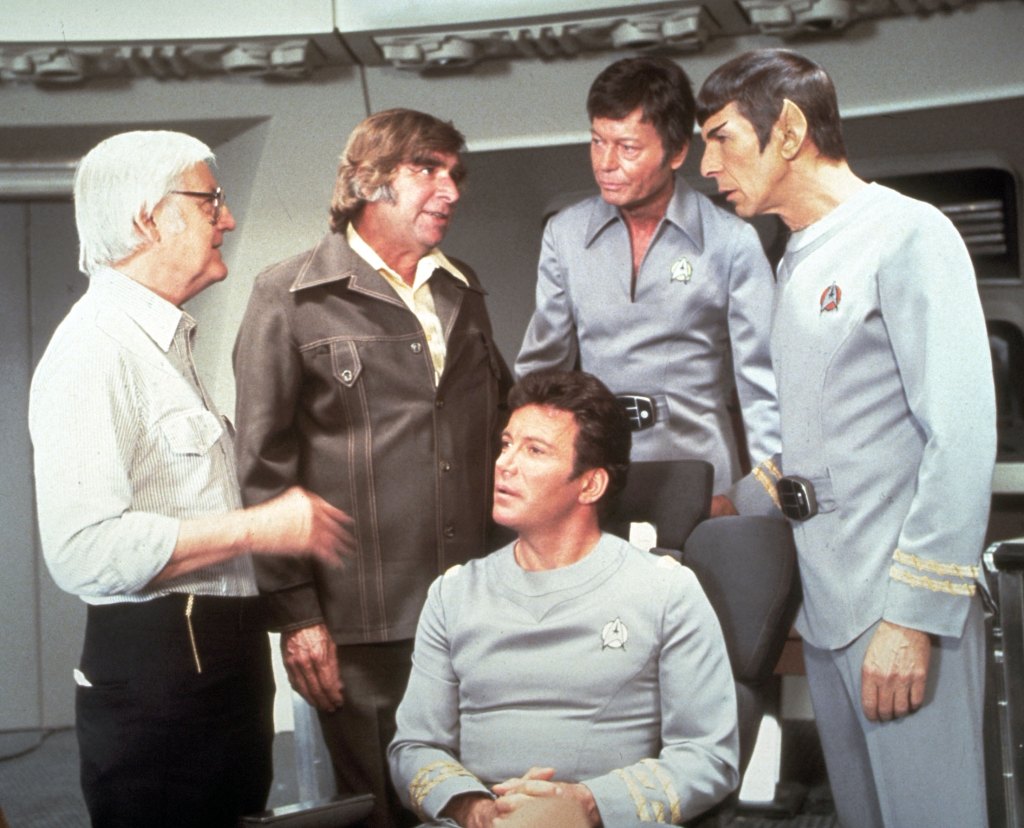
WILLIAM SHATNER (actor, “Captain James T. Kirk”): “Being there was a strange feeling, full of complex, even conflicting emotions. Ten years of my life suddenly had been swept away just as though they never had existed. I knew it was 1979, but it seemed like 1969 was just yesterday. Time seemingly stood still since I had last taken my place on the bridge of the U.S.S. Enterprise and uttered those now familiar words, ‘Captain’s log, stardate . . .’ I felt exhilarated, gratified, nostalgic. At the same time, there was a tinge of disbelief and a bit of concern. I guess each of those feelings was traceable to the fact that all of us had waited so long for this to happen. It was difficult, after so many false starts over a number of years, to realize Star Trek was really back.”
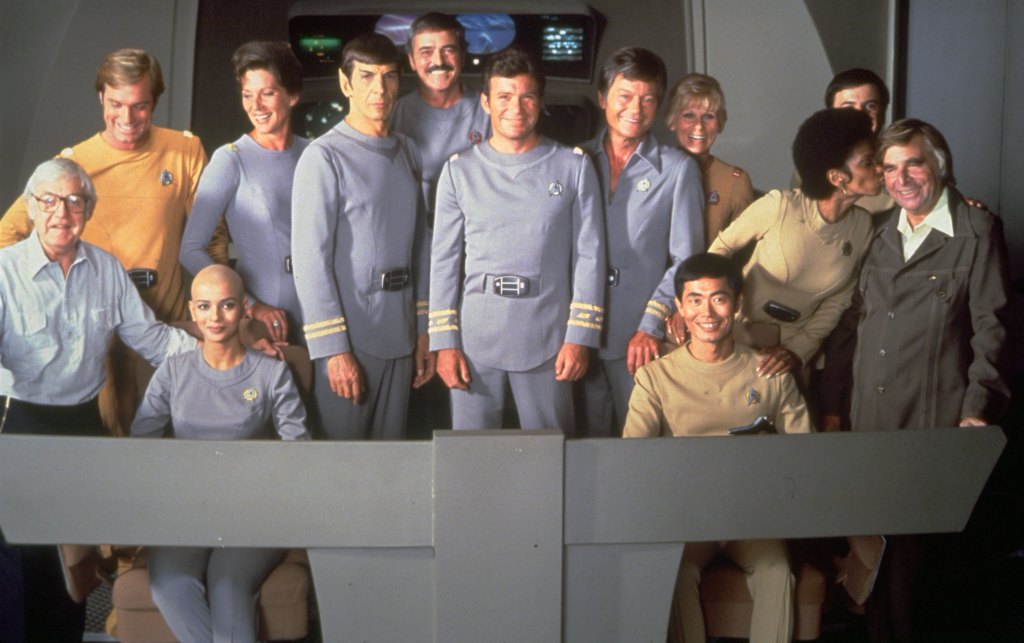
DEFOREST KELLEY (actor, “Dr. Leonard ‘Bones’ McCoy”): “The whole thing has been remarkable, an incredible experience, from the beginning. When we were all brought together again for the first time in 10 years, it was hard to realize it was really happening. Yet we also had that strange feeling that the last decade had never existed. The family was just picking up right where it left off.”
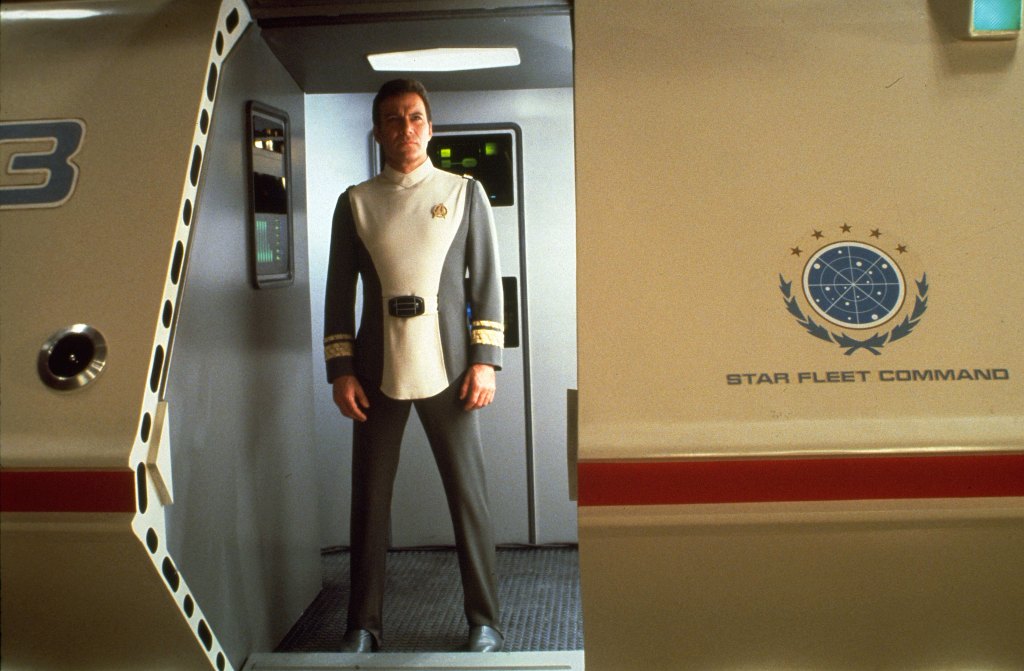
WILLIAM SHATNER: “By the time we completed five months of filming—we used to do a TV show in one week—I felt we had achieved a galactic jump from our past efforts. What impressed me most, even more than the enhanced physical scope of its sets, costumes, and special effects, was the way the story had been developed. Captain Kirk has meant so much to me, been such an influence on my life as well as my career.”
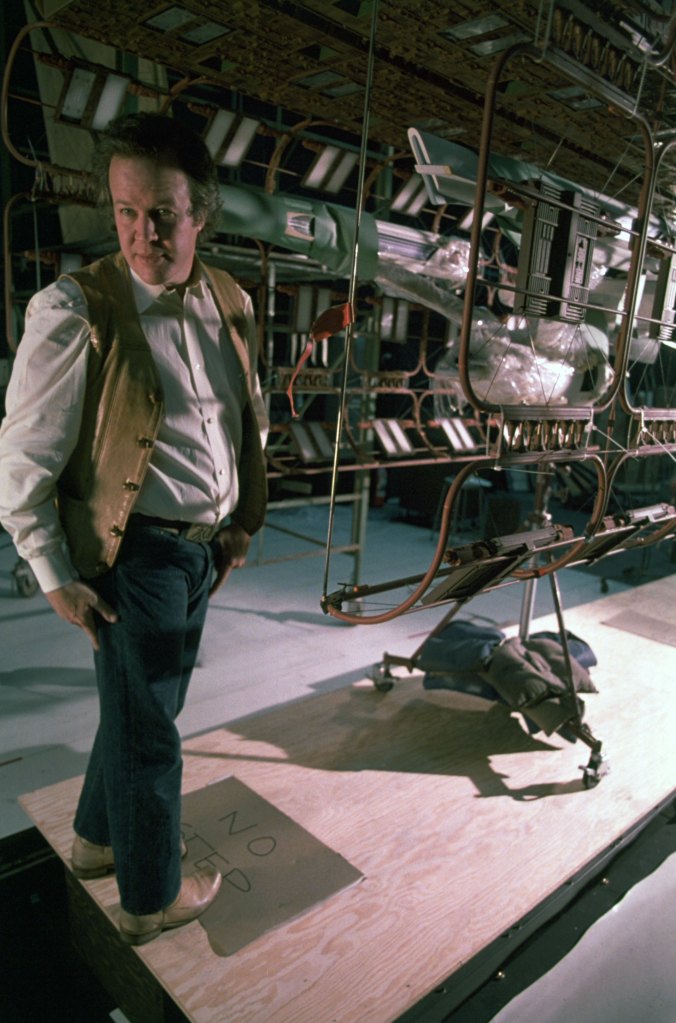
LEONARD NIMOY: “Star Trek I—which filmed for six months—was really a trial for the actors, because we were not very much in it at all. We were, much of the time, looking off camera at things that would later be done by Doug Trumbull or his crew. We were looking in wonderment and awe and saying things like, ‘What do you think it is?’ ‘I don’t know.’ ‘What do you think it is going to do next?’ ‘I don’t know!’ Very exciting stuff.”
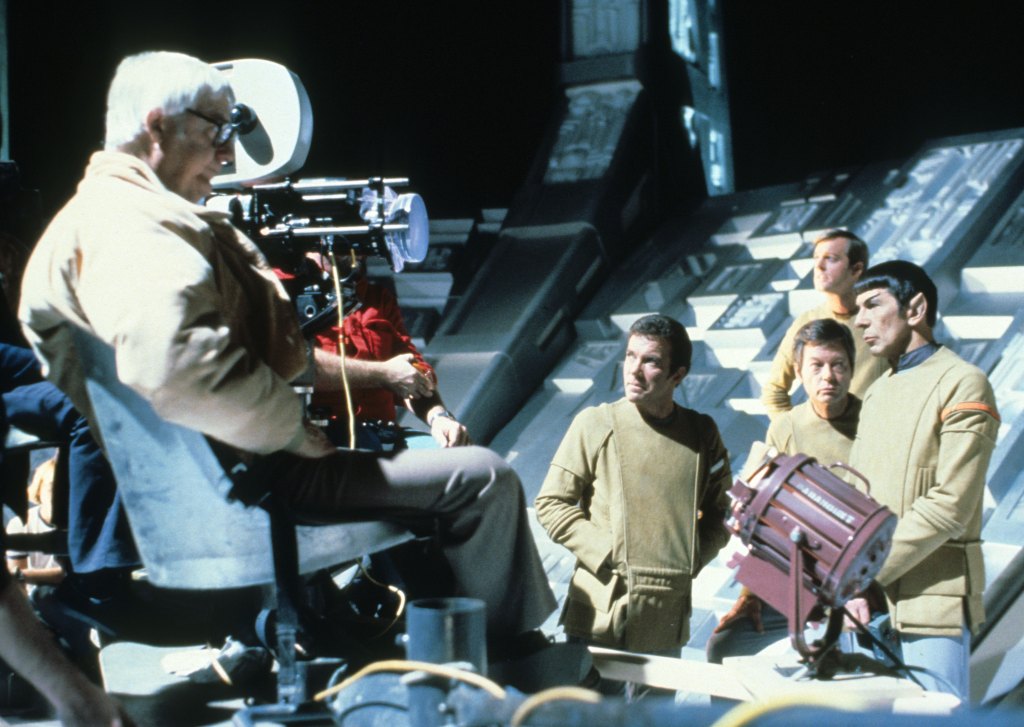
DEFOREST KELLEY: “I was worried when I saw the script, because the characterizations were not there, and the relationships were not there. I was disturbed, and so were Bill and Leonard. We had to put up a great fight. I think anyone will tell you that if the actors hadn’t fought like hell to reestablish those relationships, they never would have been there. We would have had a special-effects war. So there was a great deal of difficulty with the script, which was finally resolved to a certain extent. I still don’t think there’s enough of the interpersonal relationships in there, and I regret that some of them were lost. But Paramount didn’t believe that the characters were as important to the public as they really were, and we couldn’t tell them.”
“There was a scene where Spock, McCoy, and Kirk meet to discuss Spock’s strange behavior. To me, that was the closest thing to a real Star Trek confrontation that there was in the picture. Here, the three of us came together. Spock comes in to talk about his problems and what’s going to happen to him, and I have the line, “Well, you’re lucky we just happen to be going your way.” The three of us were actually very natural; that’s where we should be, and what we should be doing. It was somewhat like going back in time.”
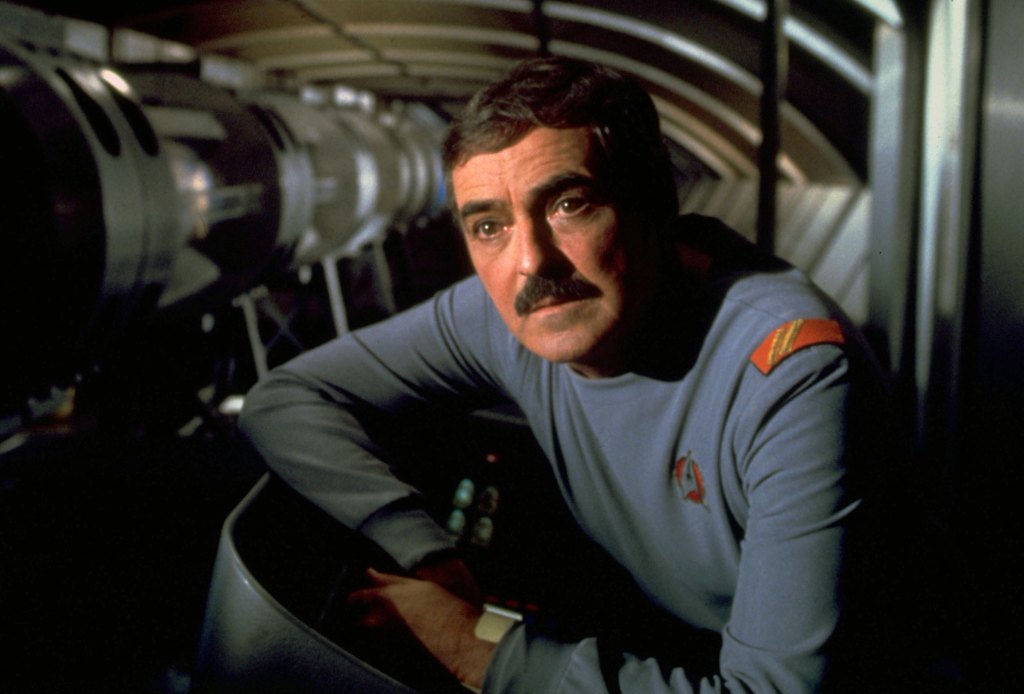
JAMES DOOHAN (actor, “Montgomery ‘Scotty’ Scott”): “The only thing I can remember thinking at that time—because to me, work was work, and I had to work to make a living—and all I could think of when they were going to start a movie again was, ‘Thank God, maybe we’ll make a living out of this show!’ Because it was 10 years later and we knew what the fans thought. I went to 250 universities and received standing ovations all the time.”
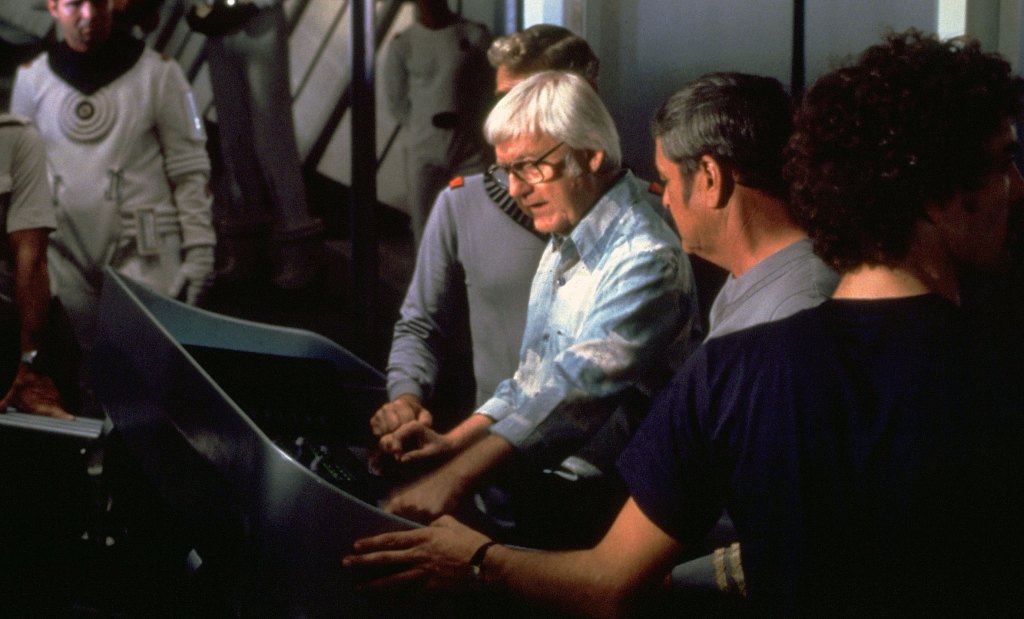
BRYAN FULLER (co-creator, Star Trek: Discovery): “It’s a really interesting, very rich film. Most people dismiss it as dull, but I think they’re not paying attention. The Wrath of Khan is much more rock and roll. It is much more of a cowboy picture. It has such drive and momentum. There’s no chance to stop and pontificate, which Star Trek: The Motion Picture allowed the audience to do. But I think during that time a lot of them had their eyes roll in boredom—not me. I understand it’s a colder, more intellectual film, particularly when you compare it to The Wrath of Khan, which was ‘let’s Moby-Dick this son of a b**ch.’ Whereas The Motion Picture was filled with a lot of ideas and the notion of bringing Star Trek into a Kubrickian universe where we can explore intellectual ideas.”
Persis Khambatta: Lt. Ilia’s shaved head and unique look
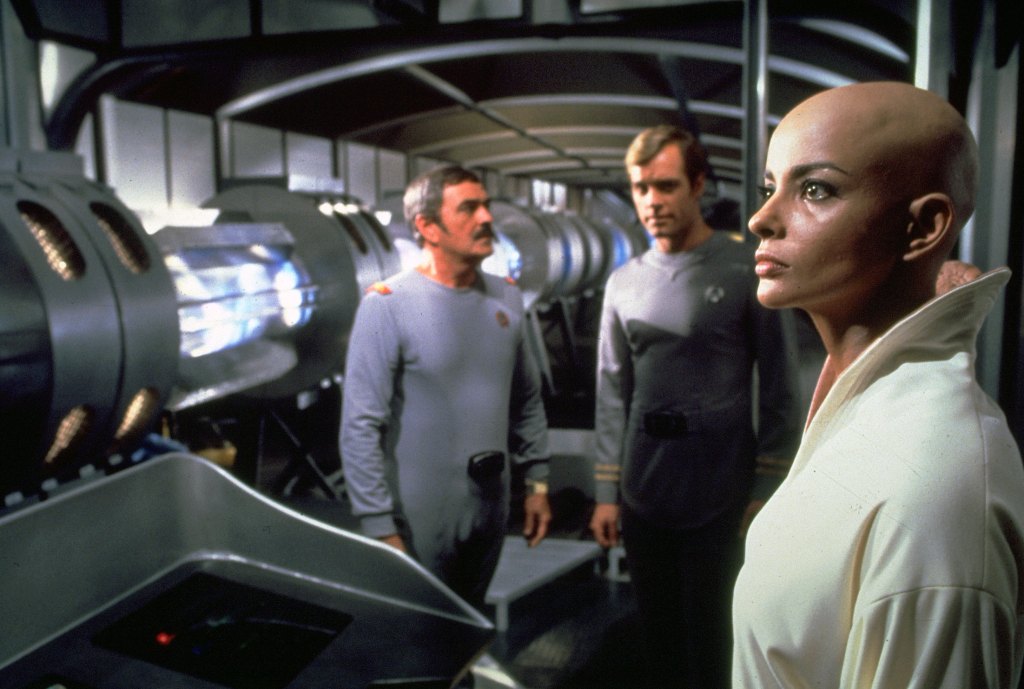
Persis Khambatta made a striking impression in Star Trek: The Motion Picture as Lieutenant Ilia, a Deltan navigator whose presence immediately set her apart from the rest of the crew. Central to that impact was the decision to shave Khambatta’s head, a choice intended to emphasize Ilia’s alien nature and her culture’s emphasis on heightened sensual and spiritual awareness rather than physical adornment. While the look became one of the film’s most talked-about elements, it also placed heavy demands on Khambatta as a performer, particularly after Ilia’s transformation into the V’Ger probe, when expression had to be conveyed largely through the eyes and voice. New to a large-scale Hollywood production and surrounded by returning cast members with long-established characters, Khambatta approached the role seriously, working closely with Gene Roddenberry to understand Ilia’s background and inner life. Although the script ultimately limited how fully those ideas could be expressed on screen, her performance left a lasting visual and conceptual mark on the film, making Ilia one of the most distinctive new characters introduced in Star Trek’s transition from television to the big screen.
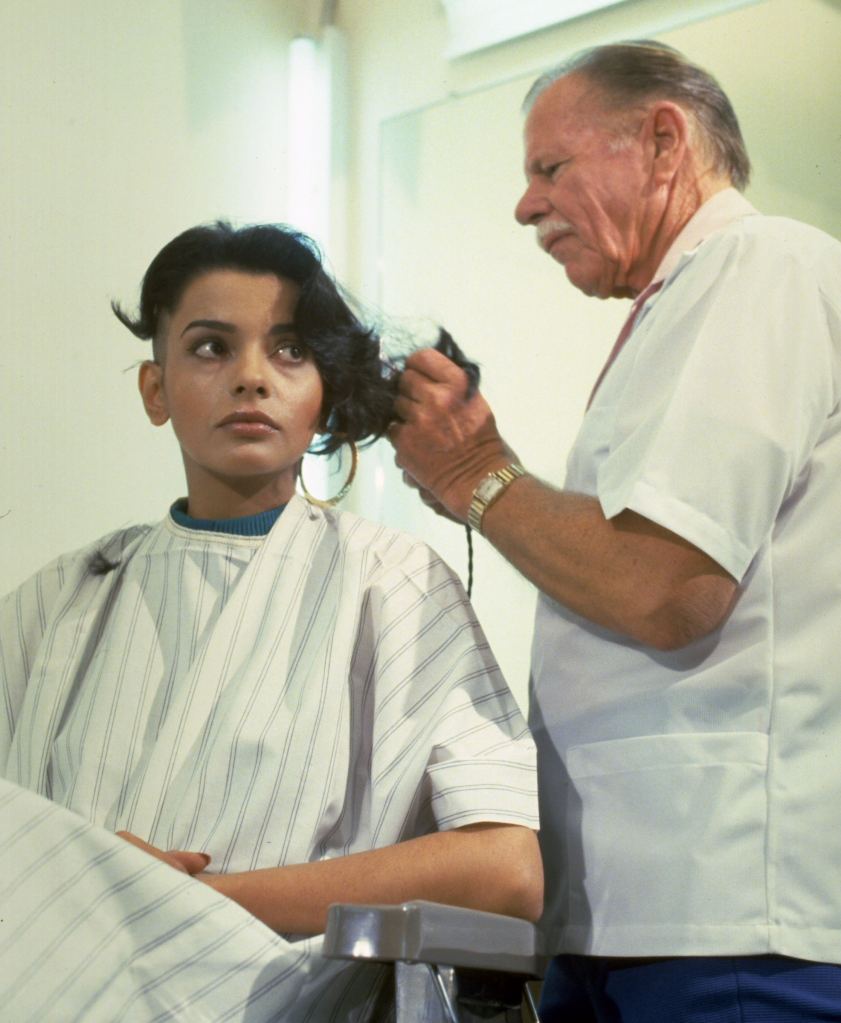
HAROLD LIVINGSTON (screenwriter, Star Trek: The Motion Picture): “The only thing I remember about her is why the hell did they shave her head? What a stupid thing to do! That was Roddenberry’s idea.”
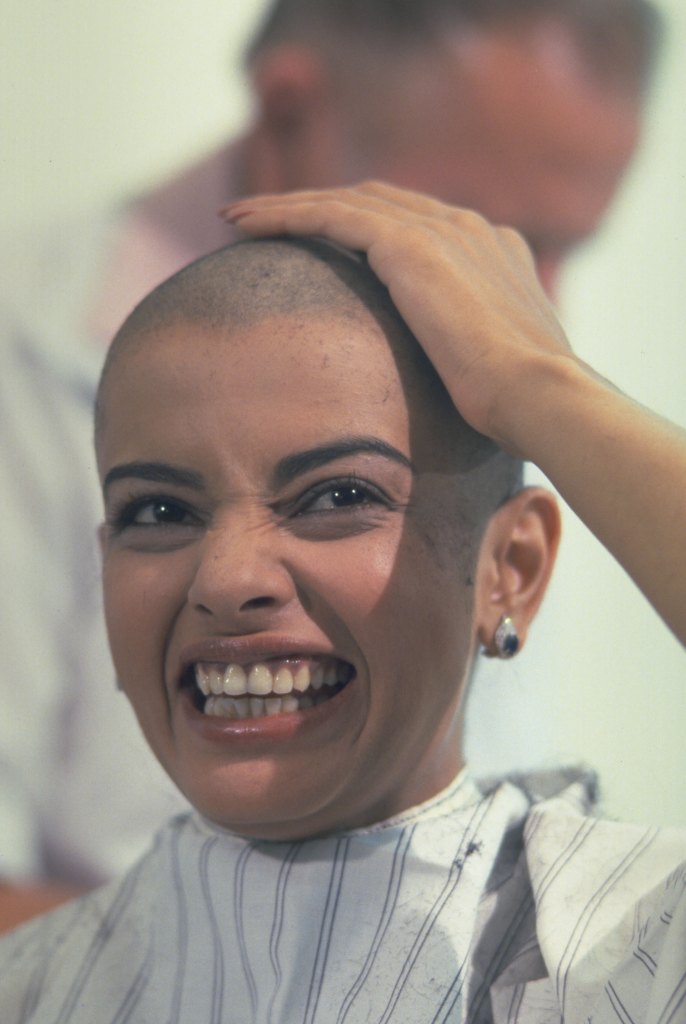
WALTER KOENIG (actor, “Pavel Chekov”): “Persis had a very refreshing narcissism. She was very candid about it. She thought she looked beautiful and she was the first to mention it. That was okay—she did look great.”
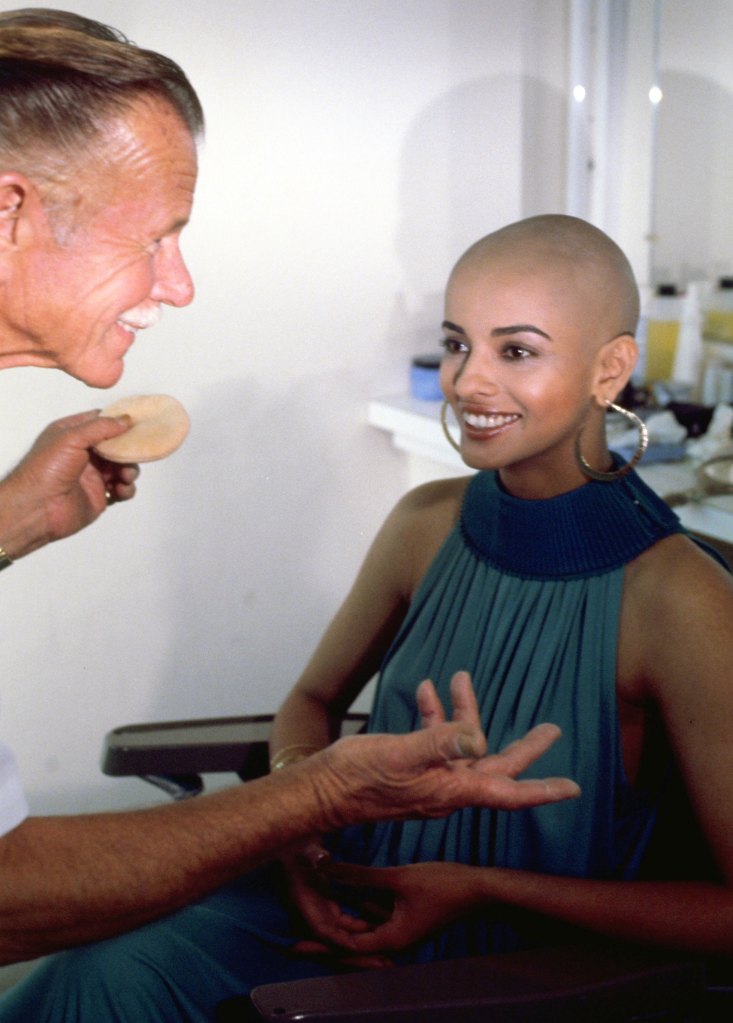
PERSIS KHAMBATTA: “One of the highlights of the film for me was working with Robert Wise. I learned to trust him. He understood that I was a newcomer and that I had a role that wasn’t easy. The problem was a difficult part for me. Once I became a probe, I couldn’t blink and that jewel in my neck burned me. They had to put a switch up my arm so I could turn it off. I would try not to switch it off until the lines were complete, because I didn’t want to spoil a good scene. Robert Wise was so patient. If the light in the jewel didn’t work, he would have to wait three or four hours to reshoot the scene. It was a delicate little device.”
The ‘wing walk’
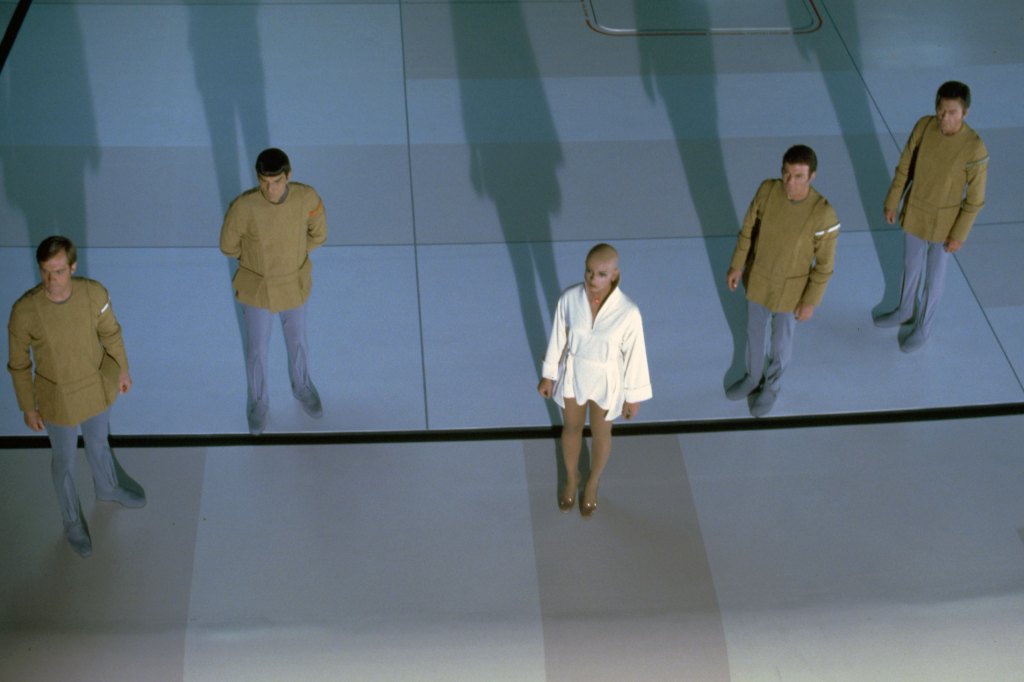
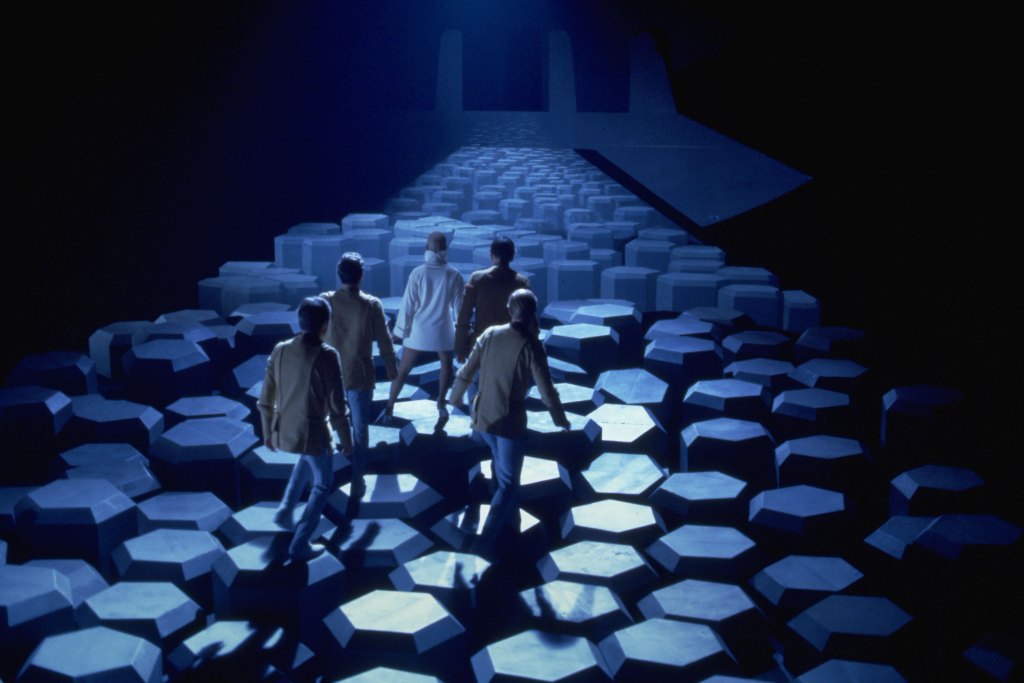
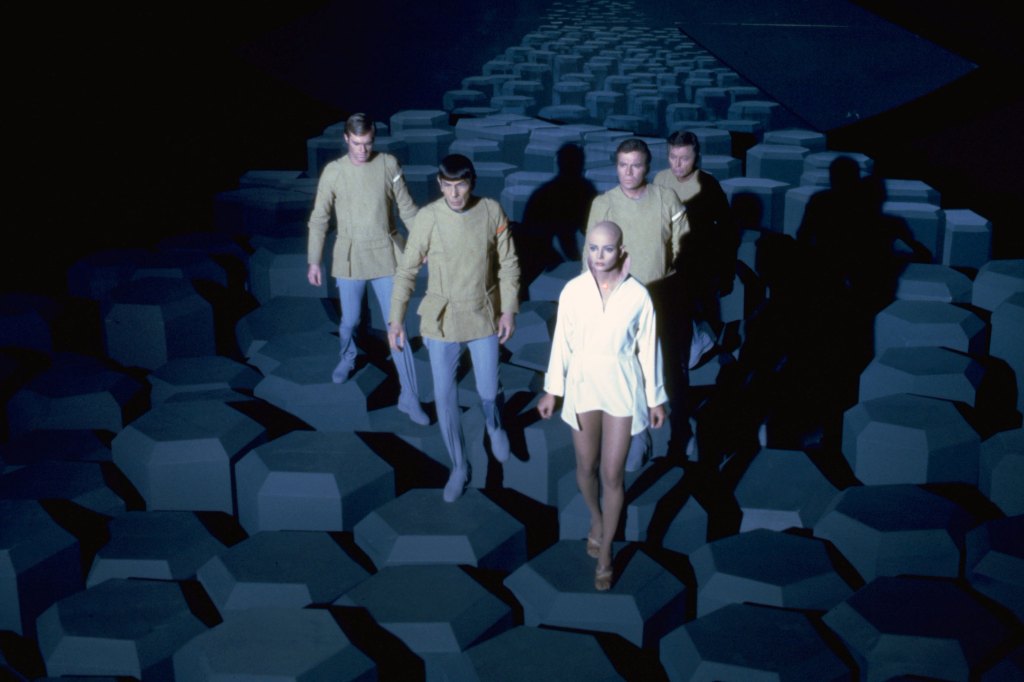
Star Trek: The Motion Picture places enormous thematic weight on the sequence often referred to as the “wing walk,” in which Kirk, Spock, McCoy, Decker (Stephen Collins) and the Ilia Probe leave the relative safety of the Enterprise and cross the ship’s exterior en route to V’Ger’s core. Storyboards and design models make clear that the moment was conceived less as an action beat than as a visual statement: human beings, physically dwarfed by their own technology, stepping into the unknown.
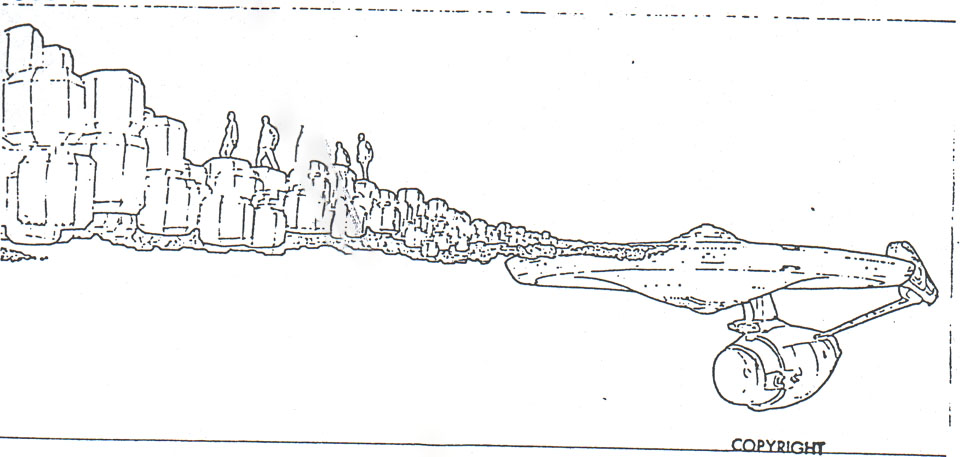
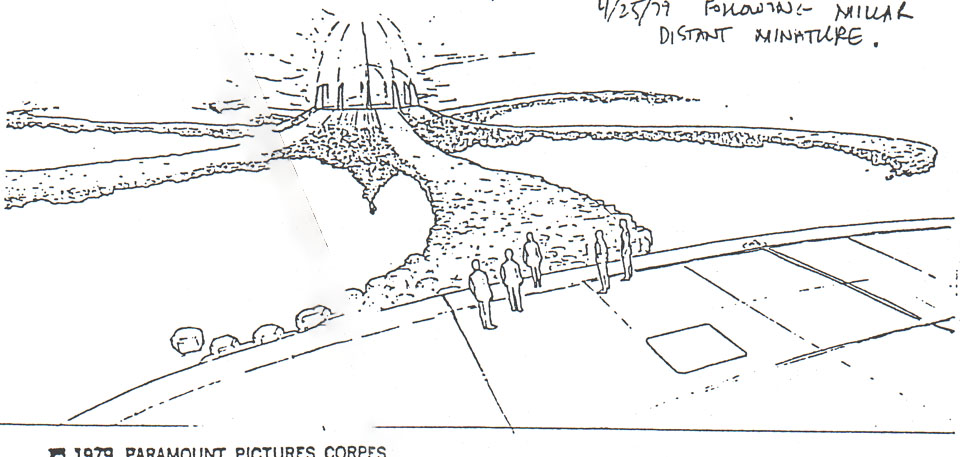
The long walk across the saucer emphasizes scale, isolation, and vulnerability, reinforcing the film’s central idea that exploration comes at a cost. Unlike later Star Trek films that favored speed and urgency, this sequence deliberately slows the narrative, allowing the audience to absorb both the immensity of the Enterprise and the quiet tension of these characters placed in an unfamiliar, almost abstract environment.
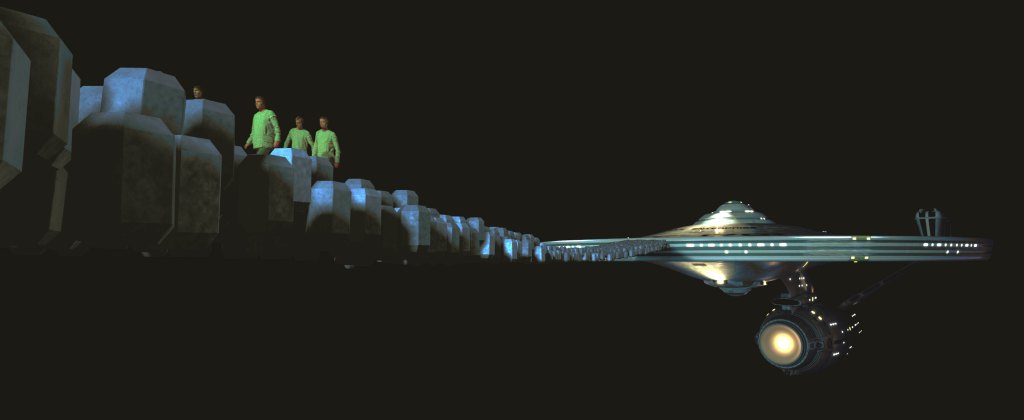
From a production standpoint, the wing walk exemplifies The Motion Picture’s reliance on practical staging married to extensive visual effects planning. The actors were photographed on constructed set elements designed to match miniature and motion-control footage, with careful attention paid to lighting and perspective so the pieces could be integrated convincingly.
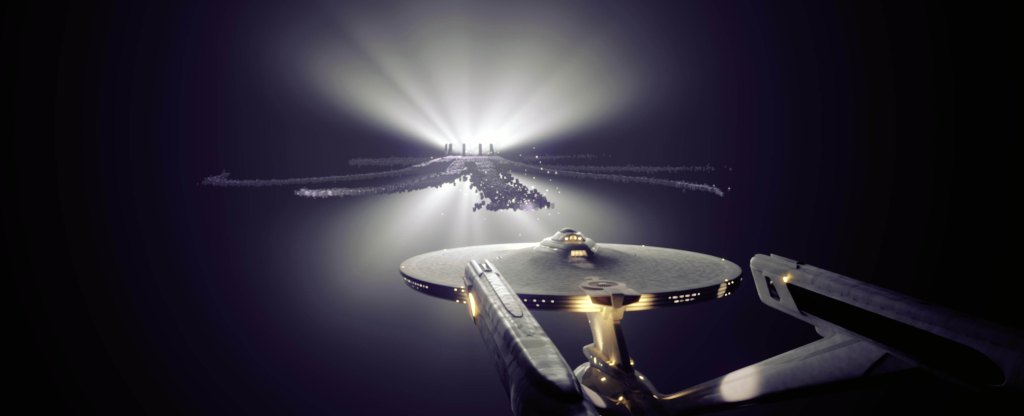
The sequence demanded patience from both performers and crew, as the physical acting was often done in isolation, with the final environment to be completed later through visual effects.
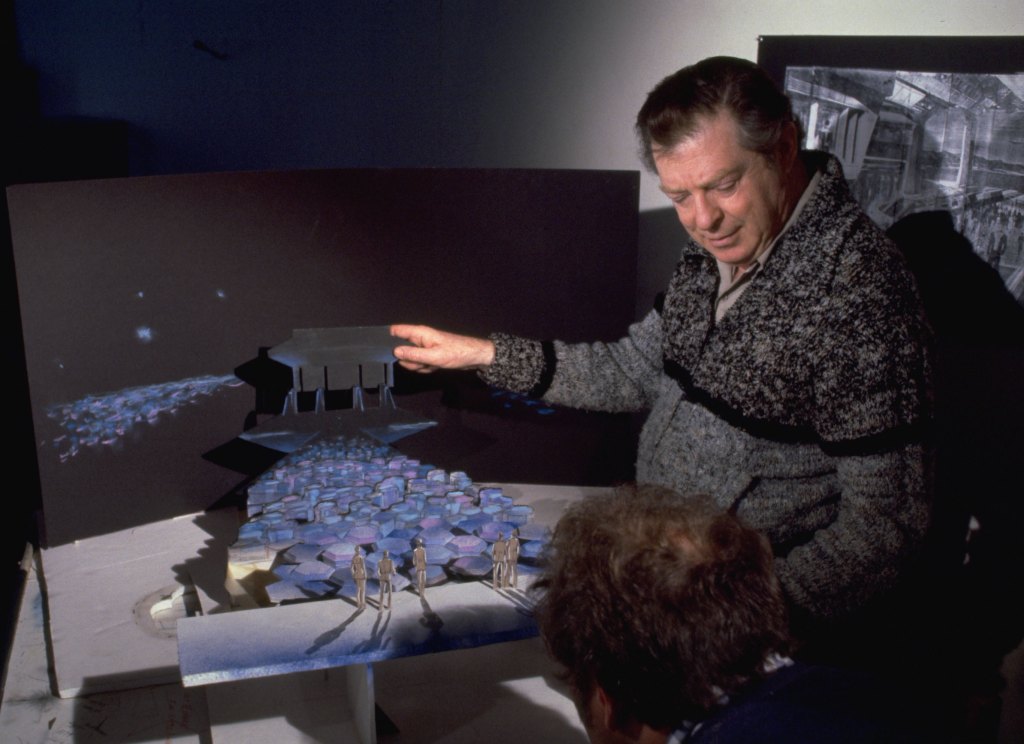
What emerges on screen is intentionally restrained: minimal dialogue, measured movement, and an emphasis on atmosphere rather than spectacle.
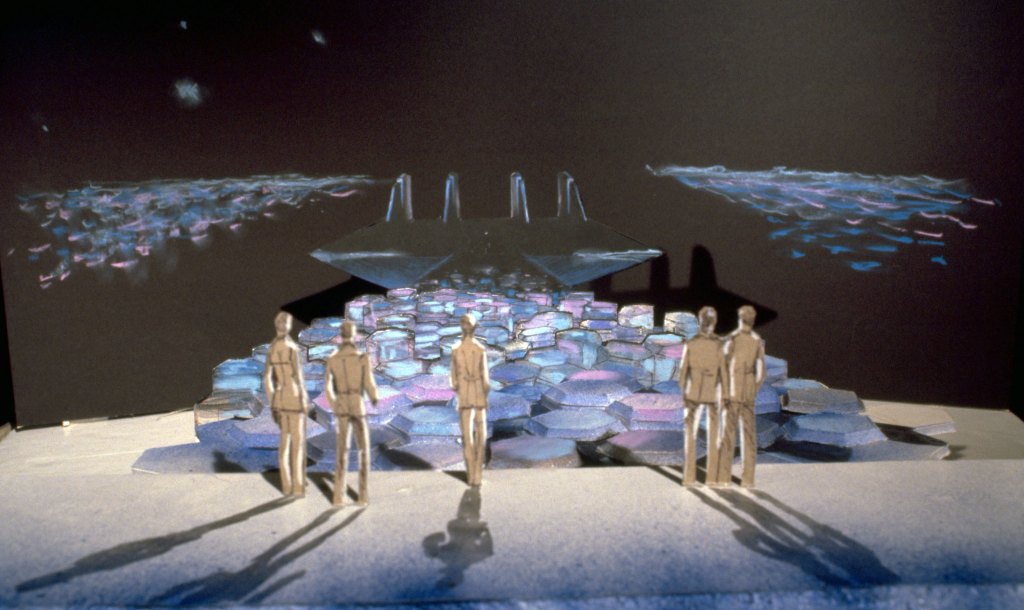
In hindsight, the wing walk stands as one of the clearest expressions of the film’s ambitions—Star Trek not as swashbuckling adventure, but as contemplative science fiction willing to pause, look outward and let scale and silence do the storytelling.
NICHOLAS MEYER (director, Star Trek II: The Wrath of Khan, Star Trek VI: The Undiscovered Country): “I once had a conversation with the head of Paramount, Barry Diller, who told me that one of the most sickening moments of his career was being in New York and seeing lines around the block for the first Star Trek movie—while knowing it wasn’t everything it could have been… “

“…And I don’t knock that first film. Robert Wise had forgotten more about filmmaking than I’ll ever know, and somebody had to go boldly and try this. You learn from other people. You build on their efforts—their mistakes as well as their successes…”
“…So I’m not someone who says, ‘Oh, this is a perfectly lousy film.’ I’m just grateful it existed. But for Barry, the takeaway was clear: people really wanted to see this stuff, and despite the fact that it was a runaway production that cost $45 million dollars, it was still going to make money. His feeling was, ‘We’re going to make another one of these—and we’re going to keep doing it until we get it right.'”
Conversation
All comments are subject to our Community Guidelines. Woman's World does not endorse the opinions and views shared by our readers in our comment sections. Our comments section is a place where readers can engage in healthy, productive, lively, and respectful discussions. Offensive language, hate speech, personal attacks, and/or defamatory statements are not permitted. Advertising or spam is also prohibited.