Jewel Talks New Art Exhibition, Mental Health and Why She Walked Away From ‘Toxic’ Fame: ‘Healing is Hard’ (Excl)
The singer shares why she stepped back from stardom, how she protects her peace and her mission to help others heal
Key Takeaways
AI-generated summary reviewed by our editorial team.- Jewel says fame became toxic and explains why she chose to reduce her public profile.
- Her #NotAloneChallenge supports mental health awareness and her Inspiring Children Foundation.
- Her art explores feminine identity, connection and the natural world.
Creativity and compassion have long been anchors in Jewel’s often tumultuous life. And they continue to be driving forces this fall as the acclaimed singer/songwriter launches the fifth annual #NotAloneChallenge in recognition of World Mental Health Day and prepares for the second annual Not Alone Summit & Awards, scheduled for Nov. 2-4 at the Wynn Las Vegas.
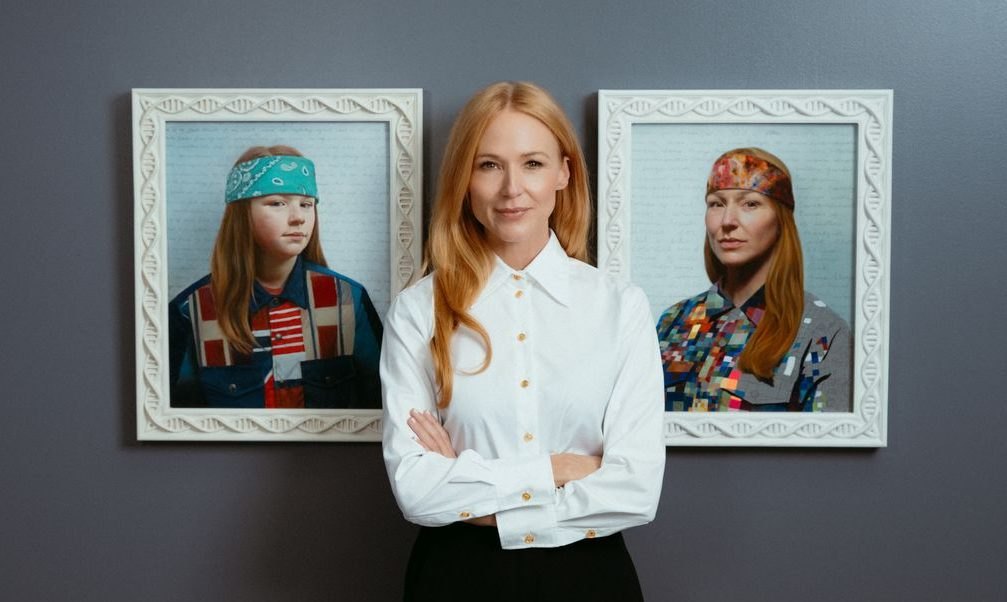
As if that weren’t enough to keep her busy, Jewel is working on a new album, due next spring, and has also indulged her passion for art with Matriclysm: An Archeology of Connections Lost, an exhibition running concurrently with the 2026 Venice Biennale.
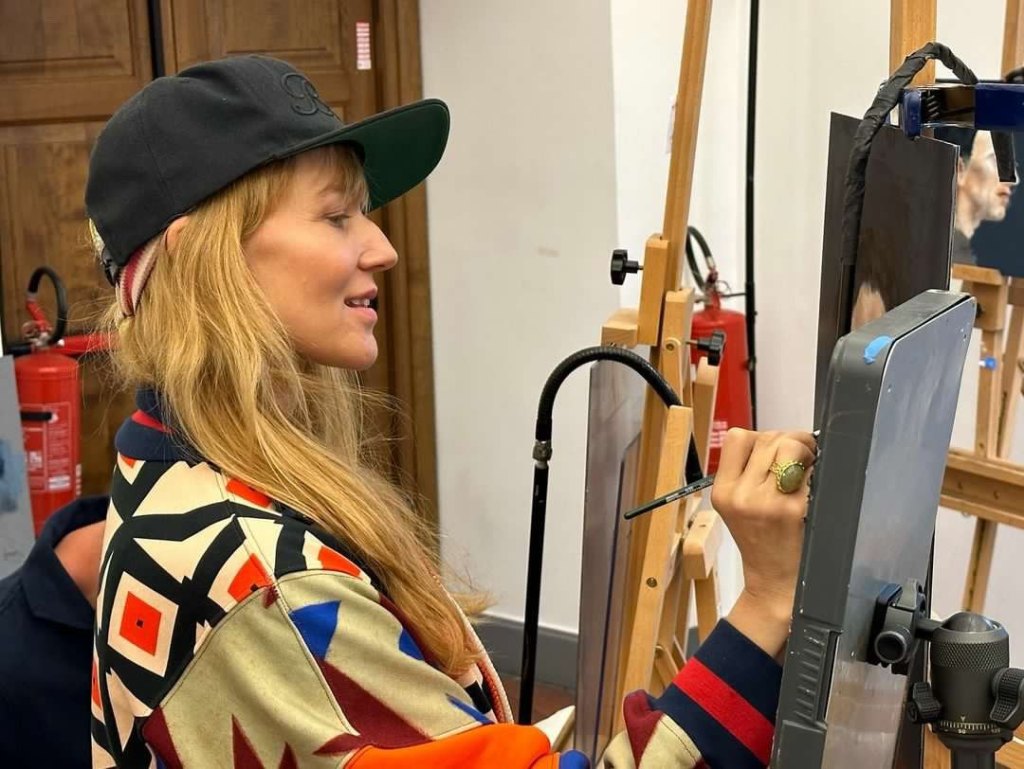
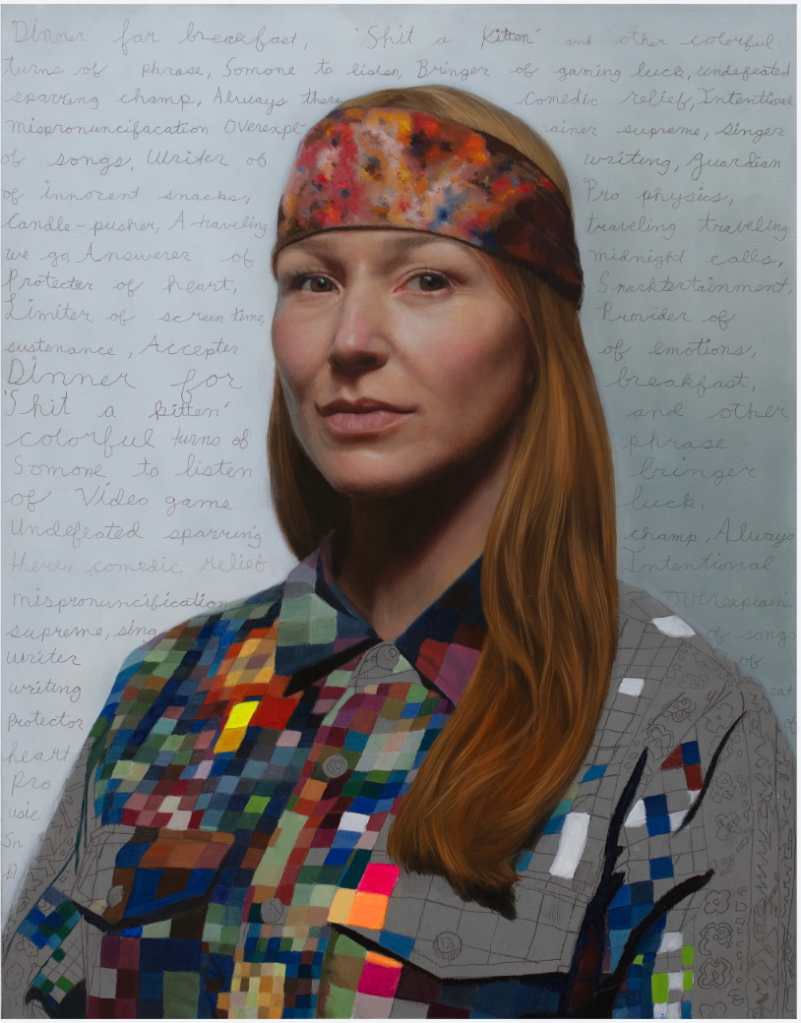
“For them to have invited me to the Venice Biennale to do Matriclysm was really incredible,” Jewel tells Woman’s World of the exhibit, which runs through November 22 in Venice, Italy. “For Matriclysm I got to create an entire new body of work which was really fun to get to do more than 30 new pieces. I did everything within a year and a lot of my work is very technically difficult…a lot of oil painting and a lot of traditional sculpture and then a lot of data sculptures, instruments that nature plays.”

Jewel’s art explores feminine identity and human connection
The theme of Matriclysm really resonated with Jewel.
“It explores feminine identity and how attitudes towards femininity have changed historically from reverence to less than reverent states over time, and really how I felt about myself as a woman, my relationship with myself over the course of my life, the relationship to the women in my life, my mother or me as a mother,” she says.
“It explores feminine memory, feminine nature, feminine empowerment,” Jewel continues. “To me the feminine principle I define as the ability to nurture and to connect and so if we have a difficult ability to nurture ourselves and connect to ourselves, I think we suffer. We see that by how many of our choices are nourishing in our lives. Are we able to make nourishing decisions? Are we able to connect with ourselves or are we disconnected? So it explores that as well.”
One of the most intriguing pieces in the exhibit is The Heart of the Ocean. The 2.5-meter sculpture features color-changing light-emitting diodes that translate real-time oceanographic data into an original soundscape and light, modeled and voiced by Jewel. She created the sculpture in collaboration with scientists from NASA, NOAA, Stanford and UC Berkeley.
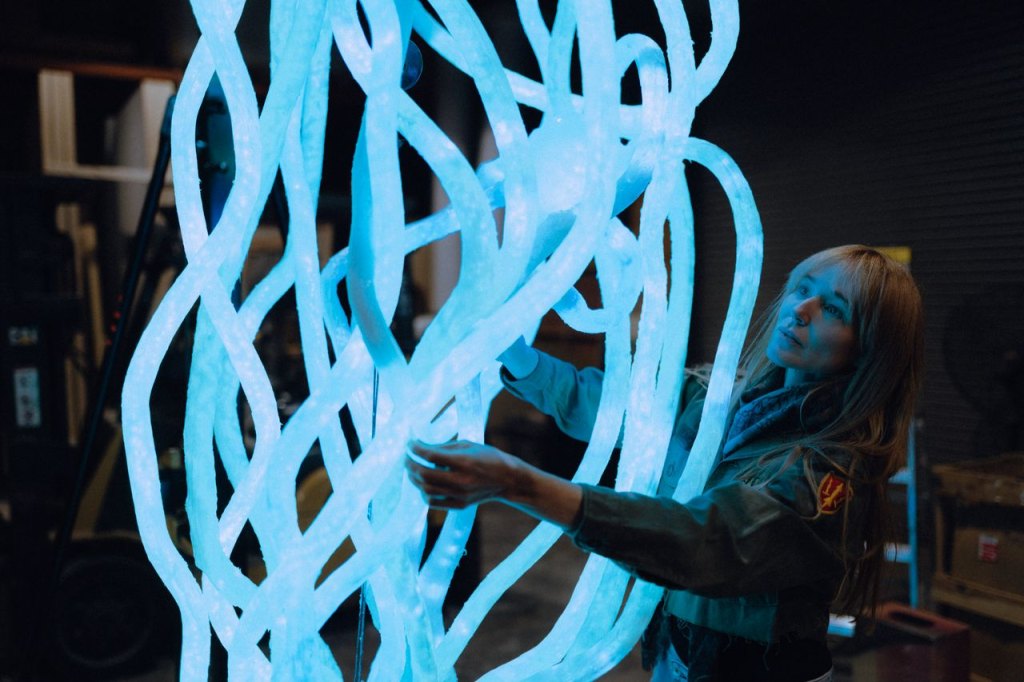
“I wanted to see if I could build an instrument that nature plays and if I was really loyal to the data, would it affect your nervous system or your brainwave states similar to being outside,” she says. “So I worked with NASA and used a lot of open source data from them as well as NOAA to create this digital narrative of going from the surface of the ocean all the way down to the midnight zone and then back up.”
“It’s completely live so basically it really is an instrument,” she adds. “I created a sound library and a light library that the data plays live in real time and it was a lot of scientific rigor. I don’t think anything like this actually has ever been built before and I was able to debut it at the National Academy of Sciences, which was really rewarding.”
Jewel says there are plans for some of the pieces to be exhibited stateside at the Toledo Museum and at the Crystal Bridges Museum in Bentonville, Arkansas, where she has previously exhibited her work.
“We’re looking for a home,” she smiles. “We’d love for another museum to take the whole show.”
How her life experiences shaped her perspective
Jewel’s art and activism reflect her life experiences, including growing up in rural Alaska without indoor plumbing and later experiencing homelessness as a teen in California.
“Our lives really shape our experience and I don’t think it’s really just the things we live through, but it’s the stories we tell ourselves about what we live through. That’s the difference of being able to heal from trauma,” she shares.
“A lot of my work is really about perspectives and as you heal, learning. You’re not going to change the experiences of your life, but you really can change your perspective on them and with the perspective you have, what that meant about your value as a human.”
Why Jewel walked away from fame
Jewel admits success was a double-edged sword, and she actively tried to avoid falling victim to the darker side of fame.
“When I got discovered, I almost didn’t sign my record contract because I didn’t think it would make me happy,” she admits. “I really wanted to sing and I really wanted to be a singer, but it was kind of like being given a drug, like heroin and saying, ‘Good luck! This is going to turn out better for you than anyone else. You’ll be the one person who gets through this without it ruining your life.’”
“Fame is pretty toxic and that’s why we see a lot of celebrities who have become addicts historically and so for me it was about how do I engage with a career that is potentially really dangerous? It’s dangerous to your ego. It’s dangerous to everything. It’s like being given a beautiful gift that’s also potentially very toxic. How would I react in a way that I wouldn’t succumb to being a statistic or the worst of what the industry can sometimes be?”
How Jewel protects her mental health
Even at a young age, Jewel became intentional about protecting her mental health.
“I made myself a promise that my #1 job was to learn how to be a happy whole human and not a human full of holes and that my #2 job was to be an artist more than famous and with that and applying my stubbornness in a good way, I really was loyal to those decisions in my life, those guiding principles,” she says.
“It caused me to make pretty radical decisions in my career,” Jewel says, adding that she also pulled back from her music career at the height of her early success.
“After my second album I really quit. It didn’t make me happy being as famous as I was,” she confesses. “I felt very lucky to have achieved the height that I did, and to be honest, I didn’t like being that level of famous where you have bodyguards and stalkers. You can’t grocery shop for yourself and you can’t go out in public. It was awful. I hated it and so I had to take responsibility for that and say, ‘I need to be less famous,’ and it was a very powerful choice for me.”
Jewel decided to take years between albums and even switch genres—choices she knew could hurt her momentum.
“I decided to kill my momentum between albums, kill my level of fame, switch genres which would also further hurt my momentum, but it creatively made me very happy.”
Jewel encourages other artists to take responsibility for their lives, too.
“If you are not happy and you start doing drugs or drinking, just to sleep on a tour bus or get too depressed to tour, maybe it isn’t working for you,” she says. “Maybe you need to change how often you work, how you make your money because that’s empowering. I know there was press written like, ‘What happened to Jewel?’ But for me it was like, ‘I’m taking care of myself. This is power.’ It wasn’t how the industry perceived power, but I did.”
What is Jewel’s #NotAloneChallenge?
Taking charge of her life and making her mental health a priority have long been central to Jewel’s decisions. That commitment also fuels her passion for helping others, particularly underserved youth, get the tools they need for better mental health.
Now in its fifth year, the #NotAloneChallenge has grown into a global mental health movement. More than $3 million has been raised for Jewel’s Inspiring Children Foundation, which has drawn support over the years from Billie Eilish, Lionel Richie, David Foster, Josh Groban, Kelly Clarkson, Jake Shane, Paris Hilton and many others dedicated to breaking the stigma around mental health.

What to know about Jewel’s Not Alone Summit & Awards
Hosted by comedian Loni Love, the second annual Not Alone Awards will be livestreamed via iHeartRadio’s official YouTube channel.
This year’s honorees, presenters and performers include Mike Posner, Anthony Ramos, Ray Lewis, NAMI CEO Daniel H. Gillison Jr., Mike Majlak, Lexi Hensler and Caroline Jones, along with Mike Tyson, Darryl “DMC” McDaniels, Kevin Hines, David Eagleman and others.
“Mental health is intense work,” Jewel says. “It’s one on one. It’s dealing with people’s heartaches and problems. There’s a lot of burnout in that industry and there’s people that have for a long time been involved in contributing and participating in a difficult field and they deserve to be recognized.”
On Nov. 3-4, Jewel will join Summit co-chairs Steve Wozniak, ICF alum Cherrial Odell and Jason Kennedy for two days of “conversations, programming and experiences centered around mental health, connection and actionable solutions.”
“Mental health for me has been a fascination since I’ve moved out at 15 and when I did finally look in the mirror and say my #1 thing I care about is my level of peace, my level of satisfaction and my ability to live in the world and not feel anxious,” she says. “That was ahead of my career. That was ahead of songwriting. When I made that my #1 job, my life really changed.”

Through the Inspiring Children Foundation and initiatives like the #NotAloneChallenge, Jewel is helping change other lives, too.
“Happiness is such a silly word,” she muses. “It’s not like you can just be happy all the time, but when we are willing to put our peace ahead of everything—and I think the trick of that is it doesn’t mean you get to be more precious. It doesn’t mean you get to say everybody else has to be really careful with me so I protect my peace—I think our spirituality and our self-health practices should make us grittier, more capable and also more clear about our boundaries.”
“Healing is hard work. It’s hard and painful, but being dysfunctional is also really hard work. It’s exhausting being dysfunctional, so at least if you are going to go through the hard work of healing, at least there is a light at the end of that tunnel whereas the hard work of being dysfunctional, it’s going to be Groundhog Day every day. If you are happy with that, that’s fine, but if not, then you should change.”
Conversation
All comments are subject to our Community Guidelines. Woman's World does not endorse the opinions and views shared by our readers in our comment sections. Our comments section is a place where readers can engage in healthy, productive, lively, and respectful discussions. Offensive language, hate speech, personal attacks, and/or defamatory statements are not permitted. Advertising or spam is also prohibited.